
Filing taxes is often viewed as a daunting annual obligation, a complex puzzle of forms and figures that requires an expensive professional to solve. However, for the vast majority of taxpayers, doing your taxes yourself is not only feasible but also a powerful exercise in financial literacy. By taking the reins of your own tax preparation, you gain an intimate understanding of your income streams, spending habits, and the various incentives the government provides for saving, investing, and education. In an era where financial independence is a top priority for many, mastering the tax filing process is a critical skill that saves money on professional fees and ensures you are making the most of the current tax code.

Preparation: Organizing Your Financial Life
The secret to a stress-free tax season lies in the preparation that occurs long before you open any software or fill out a form. Successful self-filing is 80% organization and 20% data entry. If you wait until the week of the deadline to begin gathering documents, you are more likely to make errors or overlook valuable deductions.
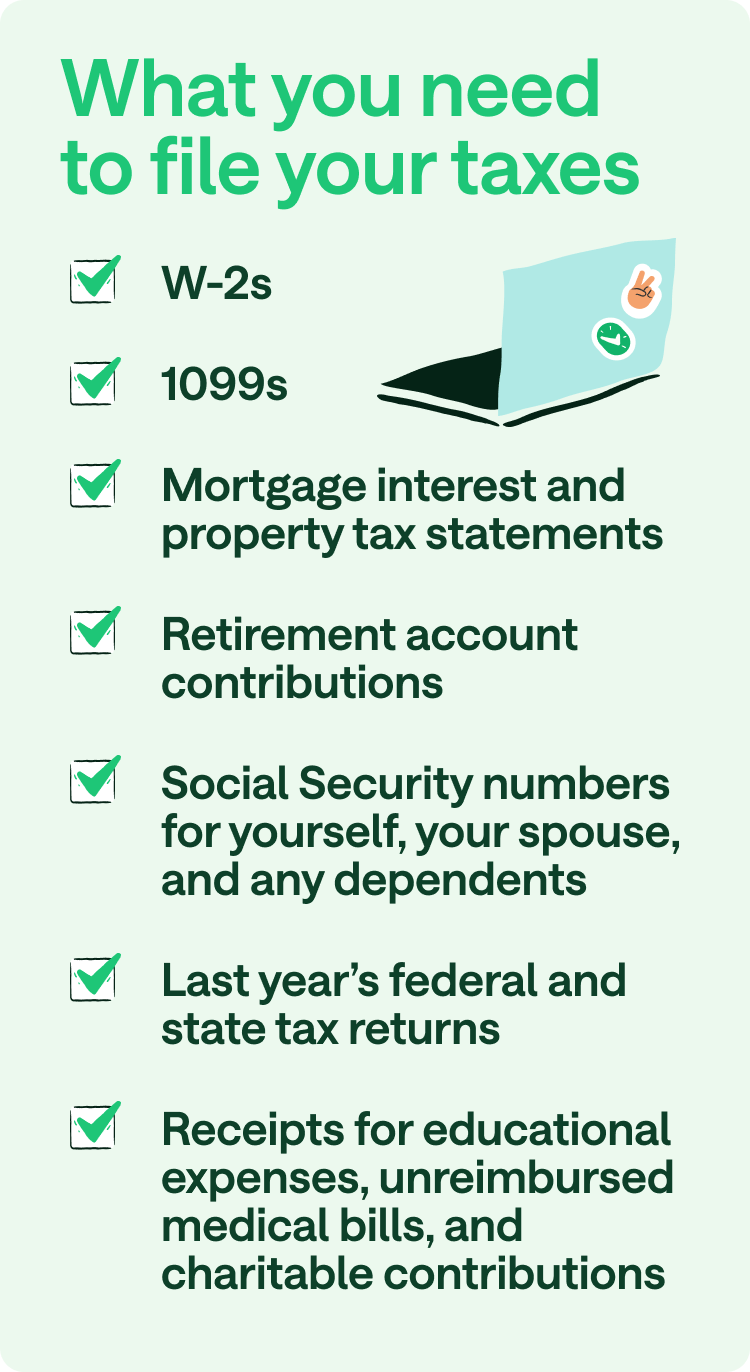
Gathering Essential Documentation
Your first step is to create a centralized digital or physical folder for all tax-related documents. For most employees, this starts with the W-2 form, which summarizes your annual earnings and the taxes already withheld by your employer. However, as the “gig economy” and side hustles become more prevalent, many individuals will also receive various 1099 forms. These may include 1099-NEC for non-employee compensation, 1099-INT for interest earned in savings accounts, and 1099-DIV for dividends from investments.
Beyond income, you must collect documentation for potential adjustments to your income. This includes Form 1098 for mortgage interest, 1098-E for student loan interest, and receipts for charitable contributions. If you are self-employed, this stage involves a deep dive into your business expenses, requiring a clear record of equipment purchases, travel logs, and home office dimensions.
Understanding Deductions vs. Credits
Before you begin the filing process, it is vital to understand the difference between a tax deduction and a tax credit, as they impact your bottom line differently. A deduction reduces the amount of your income that is subject to tax. For example, if you earn $60,000 and have $5,000 in deductions, you are only taxed on $55,000.
A tax credit, on the other hand, is a dollar-for-dollar reduction of your actual tax bill. If you owe $4,000 in taxes but qualify for a $1,000 credit, your bill drops to $3,000. Credits are generally more valuable than deductions. Common credits include the Child Tax Credit and the Earned Income Tax Credit (EITC). Knowing which of these you might qualify for will guide your focus during the document gathering phase.
Setting Up a Secure Filing Environment
Security is paramount when handling sensitive financial data. When doing your taxes yourself, ensure you are using a secure, private internet connection—avoid public Wi-Fi at all costs. Use a computer with updated antivirus software and consider using a password manager to protect your accounts. If you are scanning physical documents to create digital backups, ensure those files are encrypted or stored on a password-protected drive.
Selecting the Right Tools and Software
The landscape of DIY tax preparation has been revolutionized by technology. You no longer need to be a tax law expert to file an accurate return, provided you select the right tools for your specific financial situation.
IRS Free File and Low-Cost Options
The Internal Revenue Service (IRS) offers the “Free File” program, which provides free brand-name tax software to taxpayers whose adjusted gross income (AGI) falls below a certain threshold (typically around $79,000). This is an excellent resource for many individuals, as it offers the same robust calculations as the paid versions. For those above the income limit, several software providers offer “Free Edition” versions for simple returns—usually those involving only W-2 income and the standard deduction.
When to Invest in Specialized Software
While free versions are excellent for basic returns, your financial complexity may dictate a need for more advanced software. If you own a small business, manage rental properties, or trade frequently in the stock market (including cryptocurrency), investing in a “Premium” or “Self-Employed” tier of software is often worth the cost. These versions include specialized interview questions that help uncover niche deductions and ensure compliance with complex depreciation schedules or capital gains reporting.
The Role of Cloud-Based Tax Storage
One of the major benefits of modern tax software is the ability to import data directly from financial institutions. Many platforms allow you to link your bank, brokerage, and payroll accounts to automatically pull in your 1099s and W-2s. This reduces the risk of manual entry errors—such as transposing digits in a Social Security number or an employer identification number (EIN)—which are among the most common reasons for rejected returns.
Navigating the Filing Process Step-by-Step
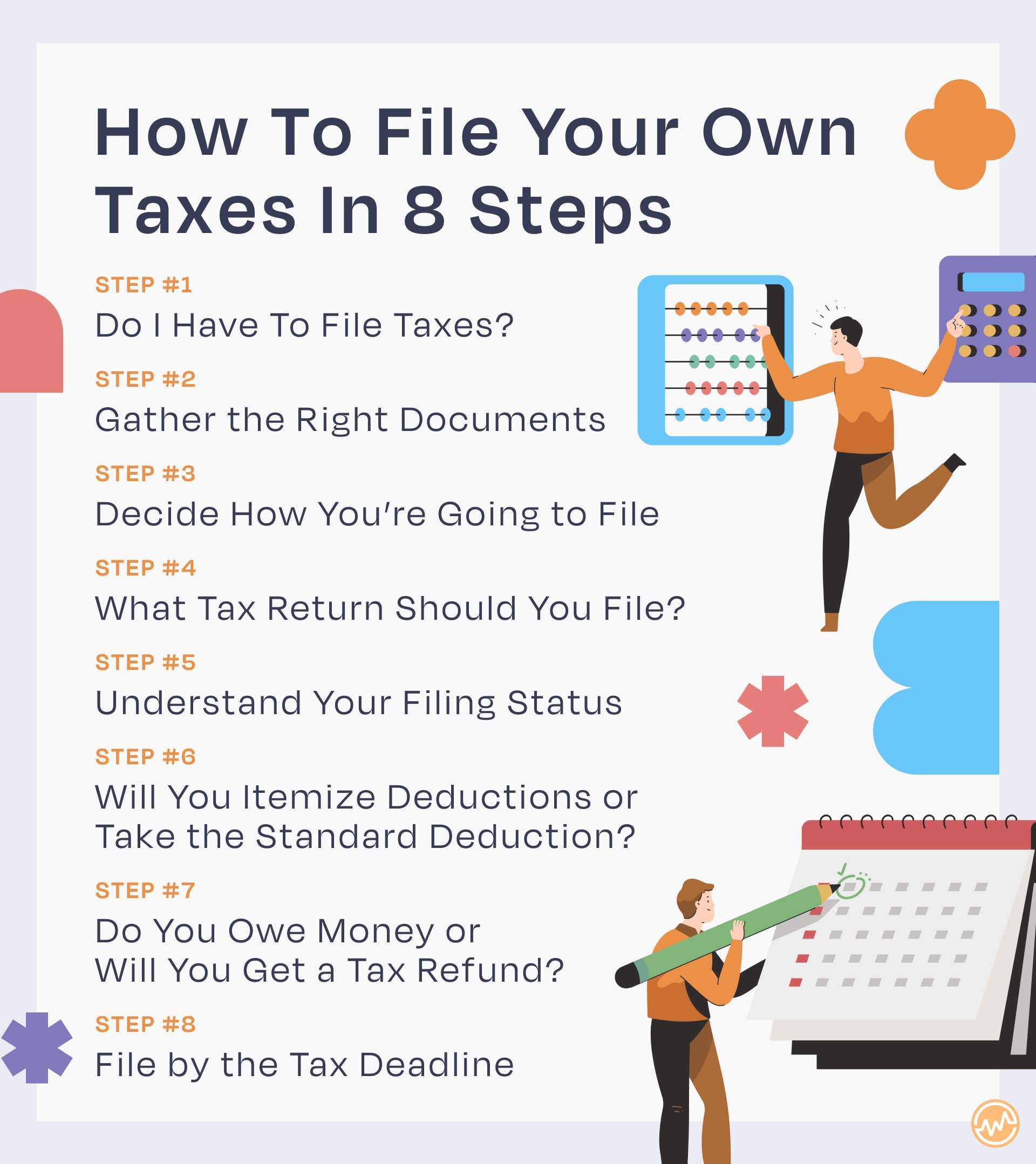
Once your tools are selected and your documents are organized, the actual filing process follows a logical progression. Most software uses an “interview” style, asking you questions to populate the necessary forms behind the scenes.
Calculating Gross Income vs. Adjusted Gross Income (AGI)
Your “Gross Income” is the total of everything you earned during the year. However, your “Adjusted Gross Income” (AGI) is the more important figure. Your AGI is calculated by taking your gross income and subtracting specific “above-the-line” adjustments, such as contributions to a traditional IRA, student loan interest payments, and educator expenses. Your AGI is the starting point for determining your eligibility for many credits and further deductions.
Itemizing vs. Taking the Standard Deduction
One of the biggest decisions in DIY filing is whether to take the standard deduction or to itemize. The standard deduction is a fixed dollar amount that reduces your taxable income, and the vast majority of Americans (roughly 90%) find that the standard deduction is higher than the sum of their individual itemized deductions.
However, if you have significant mortgage interest, high state and local taxes (up to the SALT cap), or large medical expenses that exceed a certain percentage of your AGI, itemizing on Schedule A might result in a lower tax bill. Most software will calculate both scenarios and recommend the one that saves you the most money.
State and Federal Obligations
It is important to remember that for most residents of the United States, you must file both a federal return and a state return. While the federal return is filed with the IRS, state returns are filed with your state’s Department of Revenue. Many DIY software packages allow you to “transfer” your federal data directly into your state return, which saves time and ensures consistency across both filings. Be aware that some states do not have an income tax (such as Florida, Texas, and Washington), while others have very specific rules regarding what income is taxable.
Advanced Strategies for Optimizing Your Return
Doing your taxes yourself allows you to look beyond the current year and implement strategies that improve your long-term financial health. Tax planning is an ongoing process, not just a once-a-year event.
Maximizing Retirement Contributions
One of the most effective ways to lower your tax bill while building wealth is through retirement contributions. If you haven’t reached the annual limit for a traditional IRA, you often have until the tax filing deadline in April to make contributions that count toward the previous tax year. This “look-back” period allows you to see exactly how much you owe and potentially reduce that debt by moving money into your own retirement account instead of sending it to the IRS.
Leveraging HSA and FSA Benefits
Health Savings Accounts (HSAs) are one of the most tax-advantaged tools available in the American financial system. Contributions are tax-deductible, the money grows tax-free, and withdrawals for qualified medical expenses are tax-free. If you have a high-deductible health plan, maximizing your HSA contribution is a premier strategy for tax efficiency. Similarly, Flexible Spending Accounts (FSAs) allow you to use pre-tax dollars for healthcare or childcare, though these are typically “use-it-or-lose-it” accounts that must be funded through payroll during the year.
Planning for the Upcoming Fiscal Year
As you complete your return, take a moment to look at your “Effective Tax Rate”—the actual percentage of your income that went to the government. If you received a massive refund, it means you essentially gave the government an interest-free loan for the year. You might want to adjust your W-4 at work to have less tax withheld, putting more money in your monthly paycheck. Conversely, if you owed a significant amount, you should increase your withholding or start making quarterly estimated payments to avoid underpayment penalties in the future.
Common Pitfalls and How to Avoid Them
Even with the best software, the “human element” can still lead to errors. Awareness of common mistakes is the final step in ensuring your DIY filing is successful.
Avoiding Math Errors and Transcription Mistakes
The most common errors reported by the IRS are simple math mistakes and the misspelling of names or incorrect Social Security numbers. Software handles the math, but it cannot fix a typo in your name or an incorrect bank routing number for your refund. Always double-check that your names match exactly what is on your Social Security card. A mismatch can delay your refund for weeks or months.
Understanding Audit Red Flags
While the word “audit” strikes fear into many, the reality is that very few returns are audited. However, certain behaviors can trigger additional scrutiny. These include claiming “hobby losses” as business expenses, reporting disproportionately high charitable contributions relative to your income, or failing to report income that was already reported to the IRS via a 1099. By doing your taxes yourself, you are in the best position to ensure that every claim you make is backed by documentation, which is your best defense in the event of an inquiry.
Final Review and Submission
Before hitting “submit,” print or save a PDF of your entire return and walk away from it for an hour. Return with fresh eyes and look through the summary. Does the total income look correct? Are your dependents listed? Once you are satisfied, e-file the return and choose “direct deposit” for your refund. E-filing is significantly faster and more secure than mailing paper forms, and it provides you with a digital receipt that the IRS has accepted your return.
By following this structured approach, you transform a confusing obligation into a streamlined process. Doing your taxes yourself provides a clear window into your financial life, empowering you to make smarter decisions about your money, your investments, and your future.
aViewFromTheCave is a participant in the Amazon Services LLC Associates Program, an affiliate advertising program designed to provide a means for sites to earn advertising fees by advertising and linking to Amazon.com. Amazon, the Amazon logo, AmazonSupply, and the AmazonSupply logo are trademarks of Amazon.com, Inc. or its affiliates. As an Amazon Associate we earn affiliate commissions from qualifying purchases.