
The phrase “Where’s the closest Outback?” is more than a simple query for a geographic coordinate; it is a testament to the power of high-level brand salience. When a consumer asks this question, they are not merely looking for food; they are seeking a specific, predictable experience that has been meticulously engineered through decades of strategic brand positioning. Outback Steakhouse, a flagship brand under the Bloomin’ Brands umbrella, represents a fascinating case study in how a corporate identity can be built on a simulated cultural aesthetic—in this case, an Americanized version of Australian “outback” culture—and successfully scaled across thousands of locations.
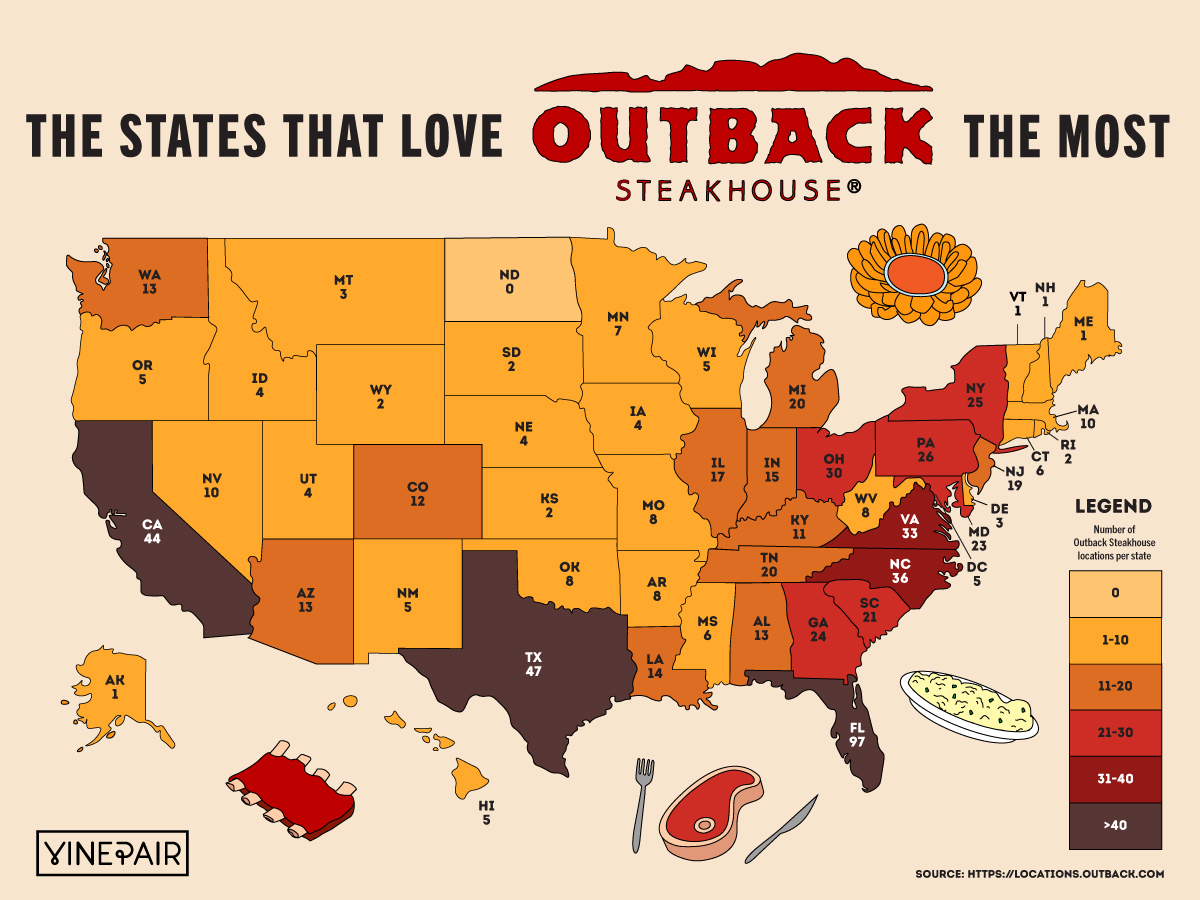
The success of the brand lies in its ability to occupy a specific niche in the consumer’s mental map. To understand why a consumer asks for an “Outback” specifically, rather than a “steakhouse,” one must analyze the brand strategy that transformed a Florida-based startup into a global icon of casual dining. This requires an exploration of their core identity, their strategic approach to physical and digital proximity, and the evolution of their marketing narratives in an increasingly competitive landscape.
The Evolution of Casual Dining Brand Strategy
The brand strategy of Outback Steakhouse began with a counter-intuitive premise: an Australian-themed steakhouse founded by four Americans in Tampa, Florida, who had never actually visited Australia at the time of the brand’s inception. This “outsider” perspective allowed the founders to distill the essence of a culture into a set of brand assets that resonated deeply with the American consumer’s desire for adventure, relaxation, and rugged hospitality.
Establishing the “No Rules” Identity
At the heart of the Outback brand is the long-standing “No Rules, Just Right” philosophy. In terms of brand strategy, this slogan did heavy lifting for decades. It positioned the brand as an egalitarian alternative to the stuffy, high-end steakhouses of the 1980s and 90s. This identity was built on the concept of radical hospitality—the idea that the guest’s comfort was the ultimate metric of success.
By codifying this philosophy into their corporate identity, Outback created a “brand promise” that was easily communicated and even more easily understood. The “No Rules” strategy wasn’t just about the menu; it was about the atmosphere. It allowed the brand to occupy a middle ground between fast-casual and fine dining, creating a “premium casual” category that they have dominated for years. The identity emphasized a laid-back, “Aussie” attitude that encouraged repeat visits, effectively lowering the barrier to entry for the average family while maintaining the allure of a “night out.”
From Florida Roots to Australian Mythos
The brand’s corporate identity is a masterclass in “thematic consistency.” Every touchpoint, from the boomerang-shaped door handles to the menus named after Australian landmarks, reinforces a singular narrative. This is known in brand strategy as “Environmental Branding.” The goal is to transport the customer the moment they step off the asphalt.
However, the brand has had to evolve this mythos as consumer tastes have changed. The original 1988 branding was heavily kitschy, relying on caricatures of Australian life popularized by films like Crocodile Dundee. Modern brand strategy for Outback has seen a shift toward “Modern Aussie,” moving away from the overt stereotypes toward a more sophisticated, contemporary aesthetic. This evolution demonstrates the brand’s agility; they preserved the core DNA (the steakhouse focus and friendly service) while updating the visual language to remain relevant to a younger, more design-conscious demographic.
The Architecture of Proximity: Strategic Physical Branding
When a user searches for the “closest Outback,” they are interacting with the results of a multi-decade real estate and site selection strategy. A brand’s physical footprint is its most powerful marketing tool. For Outback, being “the closest” choice is a deliberate outcome of strategic proximity mapping.
The Psychological Impact of Consistent Design
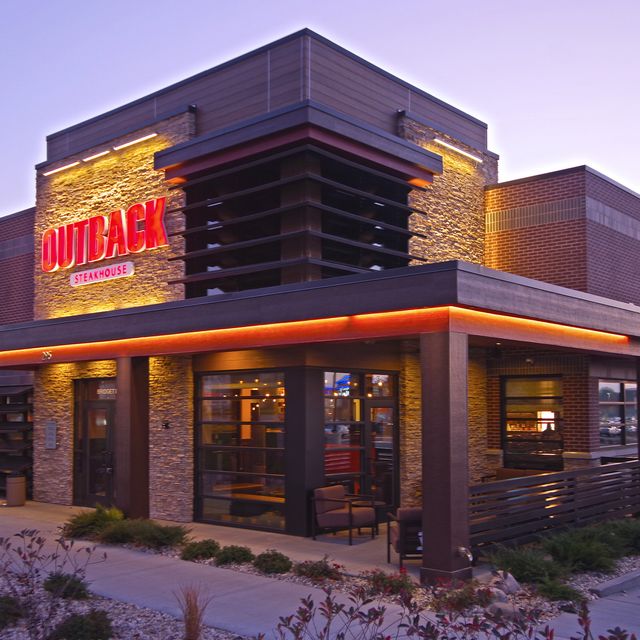
A key component of corporate identity is predictability. Whether an Outback is located in a suburban strip mall in Ohio or a high-traffic urban center in Seoul, the brand elements remain remarkably consistent. This consistency breeds trust. In the world of brand strategy, this is referred to as “Cognitive Ease.” When a consumer sees the familiar logo or the specific warm-wood architecture of an Outback building, their brain recognizes it as a “safe” and “known” quantity.
This architectural branding ensures that the brand equity built at one location is immediately transferable to another. If a customer has a positive experience at one branch, their desire to find the “closest” one when traveling is an expression of brand loyalty. The physical building acts as a 3D billboard, reinforcing the brand’s presence in the consumer’s daily life long before they ever decide they are hungry.
Site Selection and the “Neighborhood” Anchor Strategy
Outback’s growth strategy has traditionally focused on becoming a “neighborhood anchor.” By positioning locations near major retail hubs and residential corridors, the brand ensures it is always at the periphery of the consumer’s consciousness. The brand strategy here involves high visibility and ease of access.
In recent years, the strategy has shifted to include smaller footprints and “Express” models. This is a response to the changing economics of the restaurant industry. By diversifying their physical formats, the brand can penetrate markets that were previously inaccessible due to space or cost constraints. This flexibility in “Corporate Identity Implementation” allows the brand to maintain its core values while adapting to the physical realities of modern urban planning.

Digital Brand Synergy and the UX of Discovery
In the modern era, the question “Where’s the closest Outback?” is almost always asked of a search engine or a voice assistant. This has forced a fundamental shift in how brand strategy is executed. It is no longer enough to have a physical presence; a brand must have a “Digital Twin” that is optimized for discovery.
Dominating Local Search Through Brand Salience
Outback’s digital marketing strategy is heavily focused on Local SEO (Search Engine Optimization). For a brand with hundreds of locations, managing the “Digital Identity” of each individual restaurant is a massive undertaking. This involves ensuring that every location has accurate data, high-quality imagery, and active engagement on platforms like Google Maps and Yelp.
The brand strategy here is about “Zero Friction.” If a consumer asks for the closest location, the brand’s goal is to be the first and most attractive result. This is achieved through aggressive keyword management and a robust review-management system. By encouraging local check-ins and social media engagement, Outback leverages “Social Proof” to reinforce its brand authority at a hyper-local level.
Mobile-First Strategy and the App Ecosystem
The development of the Outback mobile app is a critical pillar of their modern brand strategy. The app serves as a direct-to-consumer channel that bypasses third-party aggregators. By offering loyalty rewards and streamlined “to-go” ordering, the app reinforces the brand’s identity as a convenient, tech-savvy provider.
The UX (User Experience) of the app is designed to answer the “Where’s the closest?” question instantly. By utilizing geofencing technology, the brand can push notifications to users when they are near a location, effectively turning a passive brand identity into an active, transactional relationship. This use of technology to bridge the gap between physical locations and digital users is a hallmark of a sophisticated corporate identity.
Adapting the Identity for a Changing Marketplace
The casual dining sector has faced significant headwinds over the last decade, from the rise of fast-casual competitors to the global shift toward home delivery. Outback’s survival and continued growth are the results of a brand strategy that prioritizes adaptation without losing its soul.
The Pivot to “Outback Express” and Delivery Branding
One of the most significant shifts in the brand’s corporate identity has been the embrace of off-premise dining. As “Where’s the closest Outback?” shifted from meaning “Where can I drive to?” to “Who can deliver to me?”, the brand had to rethink its packaging and delivery logistics.
The branding of their delivery service—ensuring that the “Outback Experience” translates to a cardboard box—is a vital part of their current strategy. This includes specialized packaging that keeps food at the right temperature and branded collateral that maintains the “Aussie” feel even in a home setting. This move toward a “frictionless” brand experience ensures that the “closest Outback” is essentially the consumer’s own dining room table.
Maintaining Heritage While Modernizing the Visual Language
As part of their brand refresh, Outback has moved toward a more minimalist visual identity. The logo has been cleaned up, the color palette has been refined, and the interior design of new locations features contemporary Australian art and industrial-chic elements.
This is a strategic move to appeal to Millennials and Gen Z, who may find the heavy “themed” restaurants of the past to be dated. By modernizing the brand identity, Bloomin’ Brands ensures that Outback remains a viable “lifestyle” brand rather than just a nostalgic relic. The goal is to remain the “closest” brand not just in miles, but in cultural relevance.
Conclusion: The Enduring Power of a Defined Corporate Identity
The question “Where’s the closest Outback?” is a testament to the success of a brand strategy that has prioritized consistency, visibility, and emotional resonance. By creating a unique identity—the rugged but welcoming Australian-American steakhouse—and supporting it with rigorous site selection and digital optimization, Outback has ensured its place as a staple of the global dining landscape.
Through the careful management of its corporate identity, from the physical architecture of its buildings to the user interface of its mobile app, the brand has mastered the art of being “present.” Whether through a “No Rules” marketing campaign or a hyper-localized digital ad, Outback continues to define what it means to be a leader in the casual dining sector. The brand’s ability to evolve while staying true to its core promise is the ultimate reason why, when consumers are looking for a reliable and engaging dining experience, they continue to seek out the “closest Outback.”
aViewFromTheCave is a participant in the Amazon Services LLC Associates Program, an affiliate advertising program designed to provide a means for sites to earn advertising fees by advertising and linking to Amazon.com. Amazon, the Amazon logo, AmazonSupply, and the AmazonSupply logo are trademarks of Amazon.com, Inc. or its affiliates. As an Amazon Associate we earn affiliate commissions from qualifying purchases.