
In the competitive landscape of the American casual dining sector, few elements have achieved the level of “cult status” quite like Texas Roadhouse’s signature Cinnamon Honey Butter. While the steakhouse chain is ostensibly in the business of selling hand-cut steaks and fall-off-the-bone ribs, it has inadvertently—or perhaps geniusly—created a brand asset that transcends its menu. When consumers ask, “Where can I buy Texas Roadhouse butter?” they are not merely looking for a condiment; they are seeking to purchase a piece of a brand experience.

For marketing professionals and brand strategists, the phenomenon of Texas Roadhouse butter offers a masterclass in sensory branding and the strategic management of brand scarcity. To understand where one can acquire this product, one must first understand the brand strategy that keeps it so highly coveted and the retail hurdles that a brand must clear to move from a restaurant table to a grocery shelf.
The Anatomy of an Iconic Brand Asset: Why the Butter Matters
At its core, branding is about the emotional and sensory associations a consumer has with a company. Texas Roadhouse has mastered “sensory branding”—the use of sight, sound, and especially taste and smell—to create a lasting memory. The Cinnamon Honey Butter, served with warm, yeast rolls, is the first touchpoint of the dining experience. It serves as a “hook,” a high-reward sensory introduction that sets the tone for the rest of the meal.
Sensory Branding and Customer Retention
The unique flavor profile of the butter—the balance of sweetness, spice, and creaminess—creates a dopamine response that consumers associate specifically with the Texas Roadhouse environment. By offering this as a complimentary “signature” item, the brand establishes a value proposition before the customer has even looked at the main menu. This creates a powerful brand anchor. When consumers crave that specific flavor, they are compelled to return to the source, reinforcing brand loyalty through a repeatable sensory habit.
The Psychology of “The Halo Product”
In marketing, a “halo product” is an item that may not be the primary source of revenue but significantly enhances the perception of the entire brand. For Texas Roadhouse, the butter is the ultimate halo product. It is often the most talked-about item on social media, the subject of countless “copycat” recipes, and the primary reason cited for choosing Texas Roadhouse over competitors like Outback Steakhouse or LongHorn Steakhouse. This specific demand—the “where can I buy it” query—indicates that the brand has successfully moved beyond a service provider and into the realm of a lifestyle flavor.
The Retail Reality: Navigating Availability and Scarcity
Despite the immense demand, the answer to where you can buy Texas Roadhouse butter is more complex than one might expect. Unlike brands like Hidden Valley Ranch or Cinnabon, which have saturated the retail market with licensed products, Texas Roadhouse has historically taken a more conservative approach to its retail footprint.
Purchasing Directly from the Source
The most direct way to purchase the authentic product is through the restaurants themselves. Most Texas Roadhouse locations allow customers to purchase sides of the butter or even larger containers to go. This is a deliberate “point-of-sale” strategy. By keeping the product primarily within the restaurant’s four walls, the brand ensures that the purchase remains tied to the restaurant experience. It drives foot traffic; even if you are just stopping by for the butter, you are walking past the kitchen, smelling the steaks, and interacting with the brand’s western-themed atmosphere.
The Limited Retail Rollout
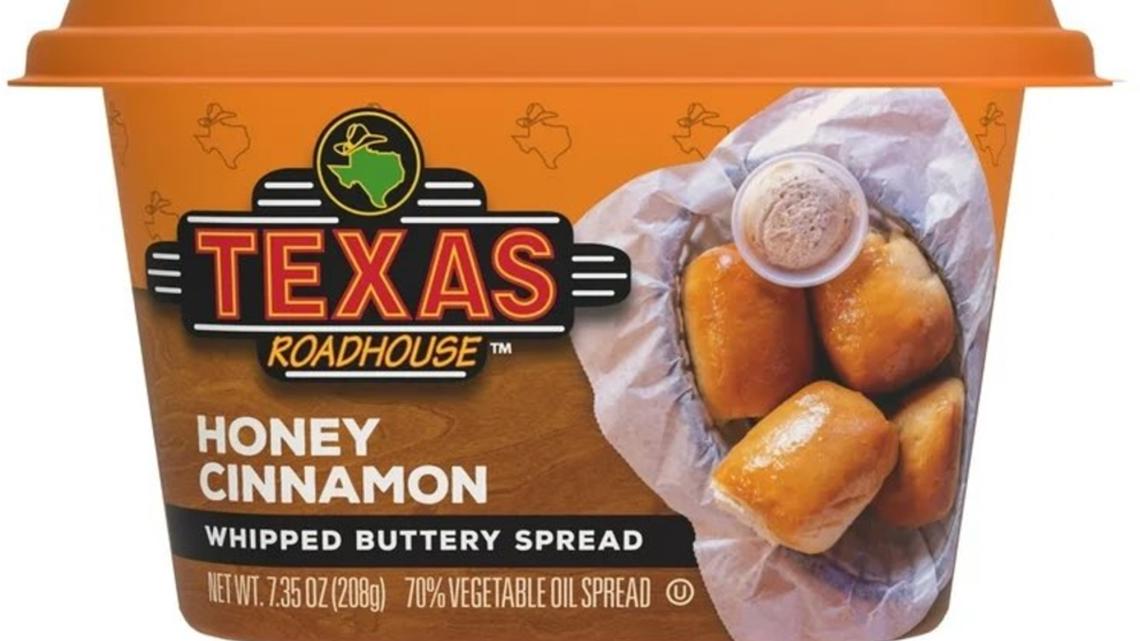
In recent years, the brand has begun to experiment with retail distribution. Select grocery chains and wholesale clubs have occasionally carried branded “Texas Roadhouse Cinnamon Honey Butter” tubs. However, this rollout is often regional or seasonal. From a brand strategy perspective, this “limited availability” serves two purposes:
-
Testing the Waters: It allows the brand to gauge the viability of a permanent retail move without the massive overhead of a nationwide supply chain.
-
Maintaining Brand Prestige: Total saturation can lead to brand dilution. If the butter is available in every corner store, the “specialness” of the restaurant visit may decrease. By keeping retail availability limited, they maintain a “treasure hunt” aspect that keeps consumers engaged and talking.
Brand Dilution vs. Monetization: The Strategic Dilemma

Every successful restaurant chain eventually faces the same question: Should we sell our signature items in grocery stores? This is a pivot from a service-based model to a product-based model, and it carries significant risks and rewards.
The Case for Retail Expansion
The most obvious benefit of moving Texas Roadhouse butter into the retail space is a new, diversified revenue stream. In an era where inflation and labor costs are squeezing restaurant margins, selling a high-margin consumer packaged good (CPG) is an attractive prospect. Furthermore, a presence in the grocery aisle acts as “perpetual advertising.” Every time a consumer walks down the dairy aisle and sees the Texas Roadhouse logo, the brand is reinforced in their mind, potentially triggering a future visit to the restaurant.
The Risk of Brand Dilution
The primary risk of retail expansion is the loss of exclusivity. The “magic” of Texas Roadhouse is the total experience—the music, the rolls, the rustic decor. When the butter is removed from that context and placed on a generic piece of toast at home, it loses its environmental “vibe.” If the home experience doesn’t perfectly replicate the restaurant experience, it could actually harm the brand’s reputation. Moreover, if a customer can get their “fix” at home for five dollars, they may be less likely to spend fifty dollars on a full dinner at the restaurant.
The DIY Brand Experience: Marketing Through Re-creation
One of the most fascinating aspects of the “where can I buy it” phenomenon is the rise of the DIY (Do-It-Yourself) market. A quick search on TikTok, Instagram, or Pinterest yields thousands of “Texas Roadhouse Butter Copycat” recipes. While some brands might view this as “brand theft,” savvy marketers recognize it as the highest form of User-Generated Content (UGC).
The Power of Copycat Recipes
When consumers attempt to recreate the butter at home, they are engaging in a deep, interactive experience with the brand. They are studying its flavor profile and sharing their results with their own social networks. This is free marketing that Texas Roadhouse doesn’t have to pay for. It keeps the brand relevant in the digital conversation. By not aggressively pursuing these creators for trademark infringement, Texas Roadhouse allows the “legend” of their butter to grow organically.
Community Engagement and Brand Advocacy
The community that forms around recreating “restaurant-quality” items at home is a powerful force. These DIYers become brand advocates. Their search for the perfect cinnamon-to-honey ratio is a testament to the brand’s quality. For Texas Roadhouse, this creates a win-win: the restaurant remains the “gold standard” to which all home versions are compared, ensuring that the original product retains its status as the “authentic” experience.
Future Outlook: Scaling a Signature Product in the Digital Age
As Texas Roadhouse looks toward the future, the strategy surrounding its signature butter will likely evolve to meet the demands of a more digital, convenience-oriented consumer. The brand is at a crossroads where technology and tradition meet.
Leveraging E-commerce and Subscription Models
While traditional retail is one path, a more modern brand strategy might involve direct-to-consumer (DTC) sales. Imagine a Texas Roadhouse “Flavor Box” available via their website, featuring the butter, their signature steak seasoning, and perhaps a voucher for the rolls. This would allow the brand to capture the “buy it at home” market while maintaining total control over the brand story and customer data.
Enhancing the “To-Go” Digital Experience
As third-party delivery apps continue to dominate the market, Texas Roadhouse has the opportunity to optimize its digital menu to highlight the butter as a high-margin add-on. By making it easy to “Add an extra tub of butter” to every digital order, they can satisfy the consumer’s desire for the product while increasing the average check size.
Conclusion: The Enduring Legacy of a Simple Spread
The question of “where can I buy Texas Roadhouse butter” is a testament to the power of focused, high-quality branding. By taking a simple staple and elevating it through consistent quality and sensory association, Texas Roadhouse has created a product that consumers will hunt for across retail and digital landscapes. Whether the brand eventually decides to flood the grocery aisles or keep the butter as a guarded restaurant treasure, the Cinnamon Honey Butter will remain a cornerstone of their corporate identity—a sweet, whipped reminder that in the world of branding, the smallest details often leave the largest impact.
aViewFromTheCave is a participant in the Amazon Services LLC Associates Program, an affiliate advertising program designed to provide a means for sites to earn advertising fees by advertising and linking to Amazon.com. Amazon, the Amazon logo, AmazonSupply, and the AmazonSupply logo are trademarks of Amazon.com, Inc. or its affiliates. As an Amazon Associate we earn affiliate commissions from qualifying purchases.