
The traditional automotive industry has long relied on a specific, often friction-filled model: the franchised dealership. For decades, the process of test driving a vehicle involved navigating high-pressure sales floors, negotiating with intermediaries, and dealing with a lack of transparency. Tesla, however, reimagined the vehicle not as a mechanical transport device, but as a sophisticated, software-defined gadget. Consequently, the process of getting behind the wheel for a trial run has been completely digitized and streamlined into a tech-first experience.
Finding where and how to test drive a Tesla is less about searching for a local “lot” and more about interacting with a global digital ecosystem. From high-tech galleries in metropolitan centers to remote, app-based “Touchless Test Drives,” the experience is designed to mirror the seamlessness of modern software.

The Digital-First Booking Ecosystem
Before you ever set foot in a vehicle, the Tesla experience begins in the digital realm. Unlike legacy automakers who use their websites primarily for lead generation to push customers toward third-party dealers, Tesla’s web and app infrastructure is the literal gateway to the hardware.
Utilizing the Tesla Web Portal and Mobile App
To schedule a “Demo Drive,” as the company calls it, users typically start at the official website or within the Tesla mobile application. This is a critical component of the Tesla tech stack. By centralizing the booking process, Tesla collects data that allows them to optimize their fleet distribution. When you enter your zip code, the system doesn’t just show you a location; it syncs with a real-time inventory management system that knows exactly which software versions (such as Full Self-Driving Beta) are available on specific demo units.
The Virtual Pre-Drive Briefing
Once a drive is scheduled, the technology-driven onboarding begins. Instead of a salesperson explaining the basics of the car for twenty minutes, Tesla sends a series of video tutorials directly to the user’s smartphone. These videos cover the unique UI/UX of the vehicle, such as how to adjust mirrors via the steering wheel scrolls, how to use the “stalkless” shifting on newer models, and how to engage Autopilot. This digital onboarding ensures that the actual time spent in the car is focused on the driving dynamics and the software interface rather than basic orientation.
Tesla Showrooms and Galleries: Technology Hubs in Urban Spaces
Tesla’s physical footprint is fundamentally different from a traditional car dealership. By focusing on “Showrooms” and “Galleries,” the company places its products where tech-savvy consumers already spend their time: high-end shopping malls and urban tech corridors.
The “Apple Store” Influence on Automotive Retail
Tesla locations are often compared to Apple Stores, and for good reason. These spaces are designed to be low-pressure environments focused on education and hardware interaction. In these hubs, you can interact with the wall-mounted “Powerwall” units and examine the stripped-down chassis of a Model 3 or Model Y, which highlights the battery architecture and the dual-motor setup. This transparency in hardware design is a cornerstone of Tesla’s brand as a technology leader.
Finding Locations via the Interactive Map
To find these hubs, users utilize Tesla’s interactive “Find Us” map. This tool is more than a directory; it integrates with the vehicle’s navigation system and the Supercharger network. In major tech hubs like San Francisco, Austin, or Berlin, these showrooms are ubiquitous. In regions with more restrictive direct-sales laws, Tesla operates “Galleries” where staff can explain the technology but cannot discuss pricing or take orders—a unique workaround that forces the consumer back into the digital ecosystem to complete their journey.
The Evolution of the Touchless Test Drive
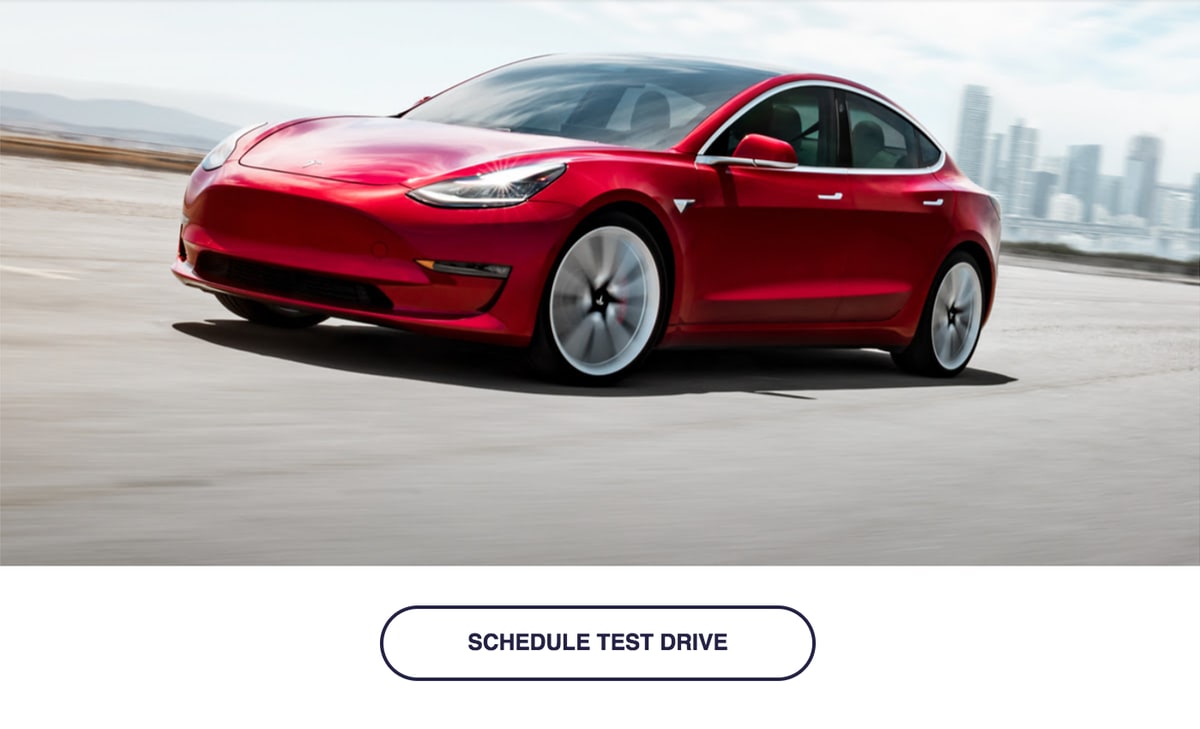
Perhaps the most significant innovation in the Tesla test drive experience is the “Touchless” or “Remote” Demo Drive. This move represents a total convergence of IoT (Internet of Things) technology and physical product testing.
Smartphone as the Digital Key
In many markets, Tesla has moved away from the need for physical keys or even staff interaction during a test drive. When a user arrives at a designated Tesla “hub” (which could be a small parking lot with a few charging stalls), the Tesla app uses Bluetooth Low Energy (BLE) and GPS geofencing to identify that the user has arrived. The app then grants a “digital key” to the user’s phone, allowing them to unlock the vehicle and start the drive without ever speaking to a human being.
The Software-Controlled Trial
During a touchless drive, the vehicle is often placed in a “Demo Mode” profile. This software state limits certain parameters for safety while ensuring the user can experience the full suite of technological features. The vehicle’s onboard computer tracks the drive via its internal telemetry system. This data-rich environment allows Tesla to see how users interact with the screen, how often they engage driver-assistance features, and even the efficiency of their driving style, providing a feedback loop that is impossible in a traditional analog test drive.
Security and Digital Monitoring
Digital security is paramount in these remote sessions. Tesla’s Sentry Mode and internal cabin cameras (where permitted) ensure the safety of the asset. Because the car is “always connected” via a 4G/5G LTE suite, the company can monitor the vehicle’s health in real-time. If a system error occurs during the test drive, remote technicians can often diagnose or even fix the issue via an Over-the-Air (OTA) update before the next user arrives.
Evaluating the “Computer on Wheels” During the Drive
When you finally get behind the wheel, the test drive is less about the “feel of the road” and more about the “feel of the interface.” To truly test a Tesla, one must evaluate the synergy between the hardware and the proprietary software.
The Infotainment and MCU (Media Control Unit)
The centerpiece of any Tesla test drive is the massive center touchscreen. Driven by powerful processors—recently upgraded to AMD Ryzen chips in newer models—the responsiveness of the UI is a key metric. A prospective owner should navigate through the menus to see how the car handles climate control, navigation via Google Maps integration, and “Theater Mode,” which includes streaming services like Netflix and YouTube. The speed of the map rendering and the fluidity of the touch interface are what set Tesla apart as a tech company.
Testing Autopilot and Full Self-Driving (FSD)
The most high-tech aspect of the test drive is the evaluation of the Vision-based driver assistance system. Teslas no longer use radar; they rely entirely on a suite of eight cameras and powerful neural networks. During the drive, users can experience “Traffic-Aware Cruise Control” and “Autosteer.” Evaluating how the car perceives its environment—visualized on the screen as 3D-rendered “voxels” representing other cars, pedestrians, and traffic lights—is a glimpse into the future of AI-driven transportation.
Over-the-Air (OTA) Potential
One of the most important tech concepts to grasp during a test drive is that the car you are driving today will be “smarter” in six months. Tesla’s ability to push OTA updates means that the software architecture is constantly evolving. During the test drive, users should ask about the version history of the vehicle’s software to understand how the company has historically improved braking distances, battery efficiency, and UI layouts through code alone.
Mobile Delivery Units and Pop-Up Tech Events
For those who do not live near a major metropolitan tech hub, Tesla uses “Mobile Delivery Units” and pop-up events to bring the technology to the consumer. This “as-a-service” approach to test driving allows the company to maintain a lean physical footprint while maximizing reach.
Data-Driven Pop-Up Locations
Tesla uses Supercharger usage data and local registration trends to decide where to host temporary test-drive events. If data shows a high density of EV interest in a specific remote region, Tesla will deploy a fleet of vehicles and a small team to a local hotel or community center for a weekend “Tech Tour.” These events are often marketed through targeted digital campaigns to users who have previously engaged with the Tesla app or website.
Remote Delivery and the “7-Day Return” Policy
In some cases, the “test drive” actually happens after the purchase. Because of the confidence Tesla has in its software-driven consistency, they have historically offered various iterations of a return policy. While the specifics change, the core idea remains: the digital transparency of the vehicle’s specs and the wealth of online reviews often lead consumers to buy the car sight-unseen, using the first week of ownership as an extended, real-world test drive of the ecosystem.

Conclusion: The Future of the Automotive “Trial”
Where you can test drive a Tesla is ultimately a question of where you can access their digital network. Whether it is through a high-end gallery in a luxury mall, a touchless remote session in a suburban parking lot, or a mobile unit in a rural area, the experience is defined by software. By removing the friction of the traditional dealership and replacing it with app-based integration, Tesla has turned the test drive into a high-tech product demonstration. For the modern consumer, the test drive is no longer just about the car; it is an onboarding process into a sophisticated, interconnected digital lifestyle.
aViewFromTheCave is a participant in the Amazon Services LLC Associates Program, an affiliate advertising program designed to provide a means for sites to earn advertising fees by advertising and linking to Amazon.com. Amazon, the Amazon logo, AmazonSupply, and the AmazonSupply logo are trademarks of Amazon.com, Inc. or its affiliates. As an Amazon Associate we earn affiliate commissions from qualifying purchases.