
In the world of finance, few metrics command as much attention as the Dow Jones Industrial Average (DJIA). When investors ask, “How much is the Dow down?” they are usually looking for more than just a specific point value or a percentage. They are seeking an assessment of the health of the American economy and, by extension, the security of their own financial futures. The Dow, consisting of 30 prominent companies listed on stock exchanges in the United States, serves as a vital barometer for market sentiment. However, understanding what it means when the Dow is “down” requires a deep dive into market mechanics, economic indicators, and the psychological frameworks that govern investing.
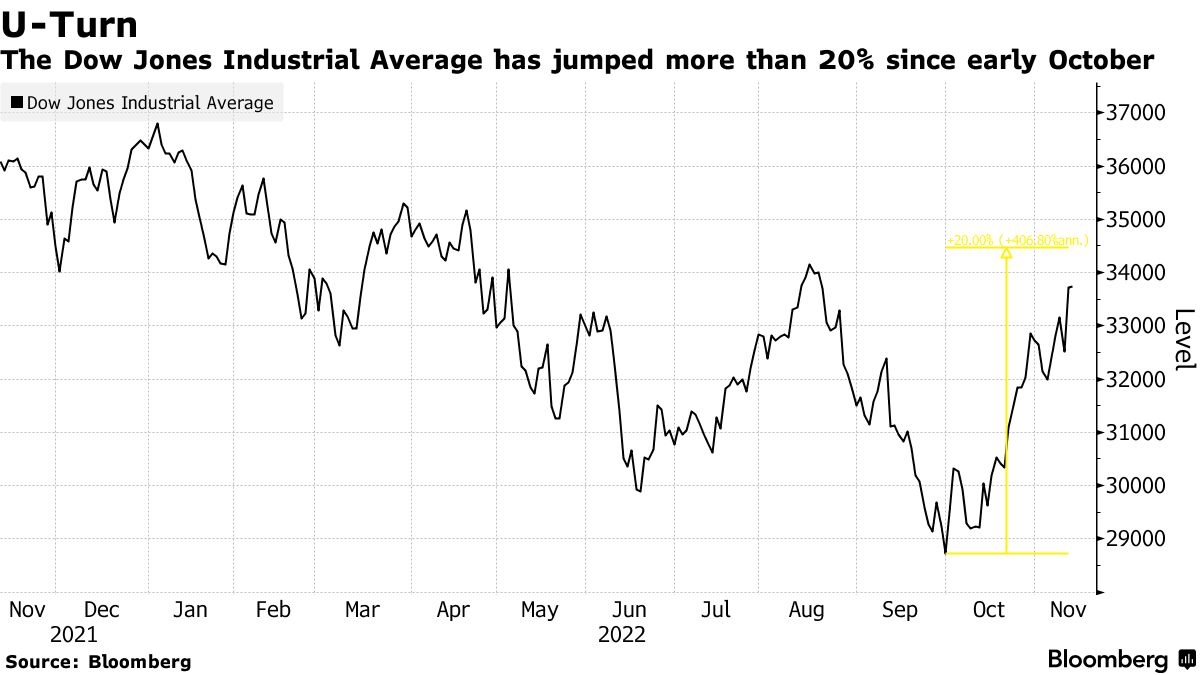
Decoding the Numbers: Why the Dow Jones Industrial Average Fluctuates
To understand why the Dow is down on any given day, one must first understand what the Dow actually is. Unlike the S&P 500, which is weighted by market capitalization, the Dow is a price-weighted index. This means that companies with higher share prices have a greater impact on the index’s total value than those with lower share prices, regardless of the company’s actual size. When several high-priced “blue-chip” stocks experience a sell-off, the entire index can slide, even if the majority of the broader market remains stable.
The Composition of the Dow
The Dow is not a stagnant list. It is curated by a committee that selects 30 companies across various sectors—excluding utilities and transportation, which have their own indices. Because it focuses on established giants like Apple, Goldman Sachs, and UnitedHealth Group, the index is often seen as a reflection of “Old Guard” corporate America. When these sectors face headwinds—such as rising labor costs, supply chain disruptions, or shifts in consumer behavior—the Dow reflects these struggles immediately.
Key Drivers of Daily Price Movements
Daily fluctuations in the Dow are often driven by immediate news cycles. A disappointing earnings report from a single major constituent can shave hundreds of points off the index. Beyond individual corporate performance, macroeconomic data plays a massive role. Reports on non-farm payrolls, Consumer Price Index (CPI) readings, and retail sales data are the catalysts for volatility. If the data suggests that the economy is overheating or, conversely, sliding toward a recession, institutional investors often rebalance their portfolios, leading to the “down” days that capture headlines.
Contextualizing Current Losses: Correction vs. Bear Market
When the Dow is down significantly, the terminology used by financial analysts often shifts from “volatility” to “correction” or “bear market.” For the individual investor, distinguishing between these terms is essential for maintaining a level head. A decline is rarely just a straight line down; it is a complex movement influenced by historical precedents and technical resistance levels.
Defining Market Corrections
A market correction is generally defined as a decline of 10% or more from a recent peak. While a 10% drop sounds alarming, corrections are a natural and healthy part of the market cycle. they serve to “cool off” overvalued stocks and provide entry points for long-term investors. Historically, the Dow undergoes a correction approximately once every year or two. These periods test the resolve of investors but often conclude with the market finding a new, more sustainable floor.
Navigating the Bear Market Territory
If the Dow falls 20% or more from its high, it officially enters bear market territory. Bear markets are often associated with broader economic downturns or recessions. They are characterized by widespread pessimism and a “risk-off” environment where investors flee equities in favor of “safe-haven” assets like gold or Treasury bonds. Understanding how much the Dow is down relative to these benchmarks helps investors decide whether they are witnessing a short-term blip or a fundamental shift in the economic landscape.
Economic Indicators Pressuring the Index
When the Dow is down for an extended period, it is usually because of systemic pressures rather than isolated corporate failures. Modern investors must navigate a complex web of global events and domestic policies that exert downward pressure on equity prices.

Interest Rates and the Federal Reserve
The single most influential factor in the Dow’s movement over the last decade has been the policy of the Federal Reserve. When the Fed raises interest rates to combat inflation, the cost of borrowing for corporations increases. This reduces profit margins and slows down expansion plans. Furthermore, higher interest rates make fixed-income investments, like bonds, more attractive relative to stocks. As capital flows out of the Dow and into bonds, the index naturally declines.
Corporate Earnings and Growth Forecasts
The Dow is ultimately a reflection of the discounted future earnings of its 30 member companies. If a company predicts that its growth will slow in the coming quarters due to decreased consumer demand or rising input costs, its stock price will fall. When multiple Dow components issue “weak guidance,” the index experiences a collective downturn. Investors are constantly trying to look six to twelve months into the future; if that future looks bleak, the Dow will stay down regardless of current profitability.
Geopolitical Instability and Global Trade
The companies in the Dow are global powerhouses. They rely on international markets for both manufacturing and sales. Conflicts in Europe or the Middle East, trade wars, or disruptions in global shipping routes can lead to increased costs and uncertainty. Markets hate uncertainty. When geopolitical tensions rise, the Dow often reacts with a sharp sell-off as investors move to protect their capital from unpredictable global events.
Strategies for Investors When the Dow is Down
Seeing the Dow in the red can trigger a “fight or flight” response in even the most seasoned investors. However, successful wealth management is often about what you don’t do during a downturn. Instead of reacting to the daily “how much is it down” figure, strategic investors employ specific tactics to safeguard and eventually grow their net worth.
The Power of Dollar-Cost Averaging (DCA)
One of the most effective strategies during a down market is dollar-cost averaging. By investing a fixed amount of money at regular intervals, regardless of the Dow’s price, you naturally buy more shares when prices are low and fewer shares when prices are high. This lowers your average cost per share over time and removes the emotional burden of trying to “time the market.” When the Dow is down, DCA allows you to view the decline as a “sale” on high-quality companies.
Rebalancing and Tax-Loss Harvesting
A declining Dow provides an opportunity to rebalance your portfolio. If stocks have fallen significantly, your asset allocation may have shifted too heavily toward bonds or cash. Rebalancing involves selling some of your “winners” or using new cash to buy into the Dow components at lower prices, bringing your portfolio back to its target risk level. Additionally, investors can use “tax-loss harvesting”—selling losing positions to offset capital gains in other areas—to reduce their overall tax liability, effectively finding a silver lining in a down market.
Maintaining a Long-Term Horizon
The most critical strategy is maintaining a long-term perspective. Historically, the Dow Jones Industrial Average has an upward bias. While it can stay down for months or even years during a prolonged bear market, it has recovered from every single crash, depression, and recession in its 120-plus-year history. For those with a time horizon of ten years or more, a down Dow is often a footnote in a much larger story of compound interest and economic growth.
Looking Beyond the Dow: A Holistic View of Wealth Management
While “how much is the Dow down” is a popular question, it is important to remember that the Dow is not the entire market. It is a narrow slice of the economy. To truly understand your financial position, you must look at the Dow in context with other indices and your personal financial goals.
The Dow vs. S&P 500 and Nasdaq
Often, the Dow may be down while the Nasdaq (which is tech-heavy) is up, or vice versa. The S&P 500, representing 500 of the largest U.S. companies, provides a much broader view of market health. If the Dow is down significantly but the broader market is stable, it may indicate a specific struggle within industrial or financial sectors rather than a systemic economic failure. Diversification across different indices and asset classes ensures that your entire net worth isn’t tied to the fortunes of just 30 companies.

The Role of Cash and Liquidity
When the markets are volatile, the value of cash becomes apparent. Having an emergency fund and a “dry powder” reserve allows you to cover your living expenses without being forced to sell your stocks while the Dow is down. Selling during a downturn is the only way to turn a “paper loss” into a “realized loss.” By maintaining liquidity, you give your investments the time they need to recover.
The question of how much the Dow is down is merely the starting point of a larger financial conversation. By understanding the mechanics of the index, the economic forces at play, and the psychological traps of market volatility, investors can transform anxiety into action. Whether the Dow is down 100 points or 1,000, the principles of disciplined investing, diversification, and long-term thinking remain the most reliable path to financial success.
aViewFromTheCave is a participant in the Amazon Services LLC Associates Program, an affiliate advertising program designed to provide a means for sites to earn advertising fees by advertising and linking to Amazon.com. Amazon, the Amazon logo, AmazonSupply, and the AmazonSupply logo are trademarks of Amazon.com, Inc. or its affiliates. As an Amazon Associate we earn affiliate commissions from qualifying purchases.