
In the landscape of modern retail, few brands have achieved the cult-like status and pricing power of Lululemon Athletica. To the uninitiated, the price tag on a pair of yoga leggings—often exceeding $100—can seem like a marketing anomaly. However, the premium pricing of Lululemon is not an accident of the market; it is a meticulously engineered result of a sophisticated brand strategy that transcends traditional apparel manufacturing. By positioning itself at the intersection of technical innovation, community-led marketing, and aspirational lifestyle branding, Lululemon has rewritten the rules of the “athleisure” category.

To understand why Lululemon is so expensive, one must look beyond the fabric and stitching. The cost is a reflection of a brand architecture designed to maintain high perceived value, foster scarcity, and cultivate an identity that consumers are willing to pay a premium to inhabit.
The Architecture of Aspiration: Positioning Beyond the Product
The primary driver of Lululemon’s pricing power is its mastery of brand positioning. In the world of marketing, there is a fundamental difference between a commodity and a brand. A commodity competes on price; a brand competes on identity. Lululemon has successfully transitioned from being a seller of exercise gear to a purveyor of a lifestyle—specifically, the “Sweatlife.”
The “Science of Feel” and Emotional Connection
Lululemon’s brand strategy revolves around a proprietary concept they call the “Science of Feel.” While most athletic brands focus on the mechanical performance of the gear—how fast it dries or how much it compresses—Lululemon focuses on the psychological and sensory experience of wearing it. By branding the sensation of the clothing, they move the conversation away from raw materials and toward emotional benefits. This shifts the consumer’s internal monologue from “Is this fabric worth $100?” to “Does this make me feel more confident and comfortable?”
The Halo Effect of the “Status Symbol”
The Lululemon logo—a stylized “A”—has become a badge of social and economic status. In branding, this is known as the “Halo Effect.” When a consumer wears the brand, they are signaling alignment with specific values: health, mindfulness, and productivity. This social signaling is a key component of premium pricing. People do not just pay for the utility of the leggings; they pay for the association with a demographic that values wellness and has the disposable income to prioritize it. This aspirational quality allows the brand to maintain high margins that would be impossible for a brand perceived merely as “gym clothes.”
Material Science as a Marketing Moat
While brand identity is the foundation, Lululemon reinforces its premium price point through genuine product differentiation. The company invests heavily in Research and Development (R&D), creating a “marketing moat” through proprietary fabrics that competitors find difficult to replicate at scale.
Proprietary Fabric Engineering
Lululemon does not use off-the-shelf polyester. Instead, they have trademarked several fabric technologies, such as Luon, Nulu, Everlux, and Luxtreme. By naming their fabrics, they create a unique language for the brand. If a customer wants the “buttery-soft” feel of Nulu, they can only get it from Lululemon. This intellectual property strategy justifies the higher price point by framing the product as a piece of proprietary technology rather than just a garment.
The Vertical Integration of Design and Feedback
Lululemon employs a design-led business model where feedback loops are exceptionally short. Because they own most of their distribution channels—primarily their own stores and website—they have direct access to consumer data. This allows them to iterate on designs with surgical precision. When a product is “engineered” to solve specific problems (like the “Anti-Ball Crushing” technology in men’s trousers or the specific seam placement to prevent chafing), the brand can frame the price as a “solution” to a problem, making it easier for the consumer to justify the investment.
The Scarcity Principle and Pricing Integrity
A significant reason why Lululemon remains expensive is its disciplined approach to inventory and discounting. In the retail world, heavy discounting is the “death spiral” of brand equity. Once a consumer knows they can get a product for 40% off, they will never pay full price again. Lululemon has avoided this trap through a strategy of artificial scarcity and pricing integrity.
The “We Made Too Much” Strategy
Lululemon rarely participates in store-wide sales or holiday blowouts. Instead, they utilize a specific section of their website and stores titled “We Made Too Much.” This nomenclature is a brilliant piece of brand psychology. It implies that the high price is the standard, and any reduction is merely a result of overproduction, not a devaluation of the product itself. By keeping the majority of their core line at full price year-round, they train the consumer to buy at MSRP (Manufacturer’s Suggested Retail Price).
High Inventory Turnover
Lululemon operates on a model of limited-run colorways and patterns. This creates a “buy it now or miss out” mentality among its core fan base. When a particular shade of a popular legging is released, enthusiasts know it may not return. This urgency drives full-price sales and prevents the accumulation of stale inventory that would eventually need to be liquidated. This high-turnover, low-discount model ensures that the brand’s perceived value remains high in the eyes of the consumer.
The Grassroots Influencer Model: Community Over Celebrities
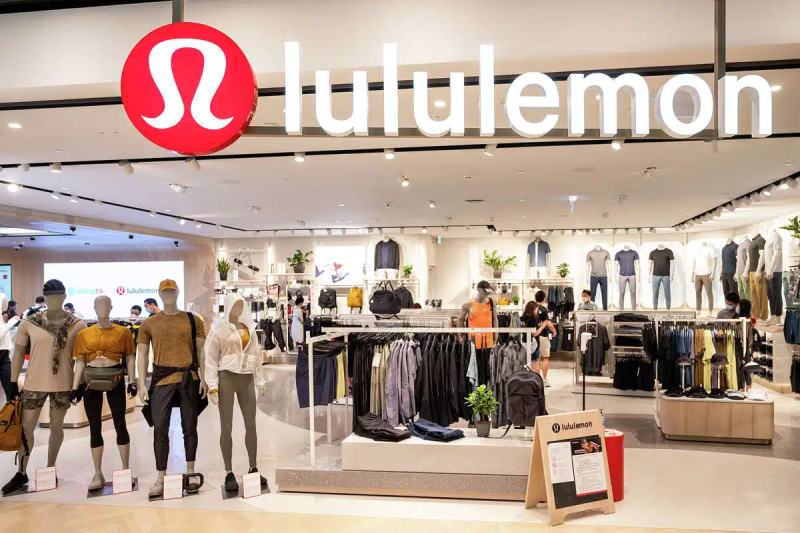
Unlike Nike or Adidas, which spend billions on massive celebrity endorsements and global TV campaigns, Lululemon’s marketing strategy is built on a “Store-Support Center” model. This localized approach to brand building is both more authentic and, ironically, more effective at sustaining premium pricing.
The Ambassador Program
The Lululemon Ambassador program is a masterclass in personal branding and community marketing. The brand partners with local yoga instructors, gym owners, and elite athletes in every city where they have a presence. These ambassadors receive free gear and professional development in exchange for representing the brand in their local communities.
Because these ambassadors are trusted figures in their local fitness scenes, their endorsement carries more weight than a distant celebrity. This creates a “grassroots” demand. When your favorite yoga teacher—someone you see every day—wears Lululemon, the brand feels like an essential tool for the lifestyle rather than a corporate product. This high-trust environment allows the brand to maintain its premium status without the “noise” of traditional advertising.
Experiential Retail as a Value Add
Lululemon stores are not just points of sale; they are community hubs. Many locations offer free yoga classes, run clubs, and workshops. By providing these experiences for free, the brand builds a deep “emotional bank account” with the consumer. When the consumer eventually goes to buy a pair of shorts, they aren’t just looking at the price tag; they are subconsciously reciprocating the value the brand has provided through community and education. This experiential layer makes the $90 price tag for shorts feel like a membership fee for a community they value.
Pricing Power and the Veblen Effect
In economics, a “Veblen good” is a product for which demand increases as the price increases, because it is a status symbol. While Lululemon isn’t a pure Veblen good like a Ferrari, it certainly flirts with the concept. The high price is, in itself, a feature of the brand.
The Perception of Quality through Price
For a large segment of the market, price is a proxy for quality. By consistently holding their ground on high prices, Lululemon signals to the market that their products are superior. If Lululemon were to drop their prices to match mid-market competitors like Gap (Athleta) or Old Navy, they would likely lose their core “power user” who buys the brand specifically because it represents the “best.”
Resilience Against Inflation and Market Fluctuations
Lululemon’s brand equity is so strong that it has shown remarkable resilience against economic downturns and inflation. Because their target demographic is typically high-earning and views the brand as an “essential luxury,” Lululemon has been able to raise prices periodically without seeing a significant drop in volume. This is the ultimate testament to brand strength: the ability to maintain or increase prices while growing the customer base.

Conclusion: The Premium Justification
Lululemon is expensive because it has successfully moved beyond the functional utility of apparel and into the realm of identity and community. Its high price point is supported by a “triple threat” of brand strategy:
-
Technical Superiority: Proprietary fabrics and design-led innovation that create a tangible difference in “feel.”
-
Community-Led Marketing: A decentralized ambassador model that builds high-trust, grassroots loyalty.
-
Pricing Discipline: A refusal to devalue the brand through mass discounting, paired with a scarcity-driven inventory model.
For the Lululemon consumer, the expense is not a deterrent; it is an investment in a lifestyle and a membership in a global community of high-performers. As long as the brand continues to innovate at the product level while maintaining its aspirational “halo,” its ability to command premium prices will remain one of the most successful case studies in modern brand management.
aViewFromTheCave is a participant in the Amazon Services LLC Associates Program, an affiliate advertising program designed to provide a means for sites to earn advertising fees by advertising and linking to Amazon.com. Amazon, the Amazon logo, AmazonSupply, and the AmazonSupply logo are trademarks of Amazon.com, Inc. or its affiliates. As an Amazon Associate we earn affiliate commissions from qualifying purchases.