
In the realm of modern retail, few names command as much loyalty and aspirational value as Lululemon Athletica. To the casual observer, Lululemon is a premium yoga and athletic apparel brand. To a brand strategist, it is a masterclass in community-led growth, technical innovation, and supply chain sophistication. However, a common question arises among consumers and industry analysts alike: who actually makes Lululemon clothing?
The answer is not a single factory or a specific entity, but rather a highly complex, decentralized network of global partners that operate under the brand’s rigorous standards for quality, innovation, and ethical conduct. Understanding who makes these garments requires looking beyond the labels and into the brand’s strategic decisions regarding outsourcing, fabric engineering, and corporate responsibility.
The Strategic Foundation: Why Lululemon Outsources Production
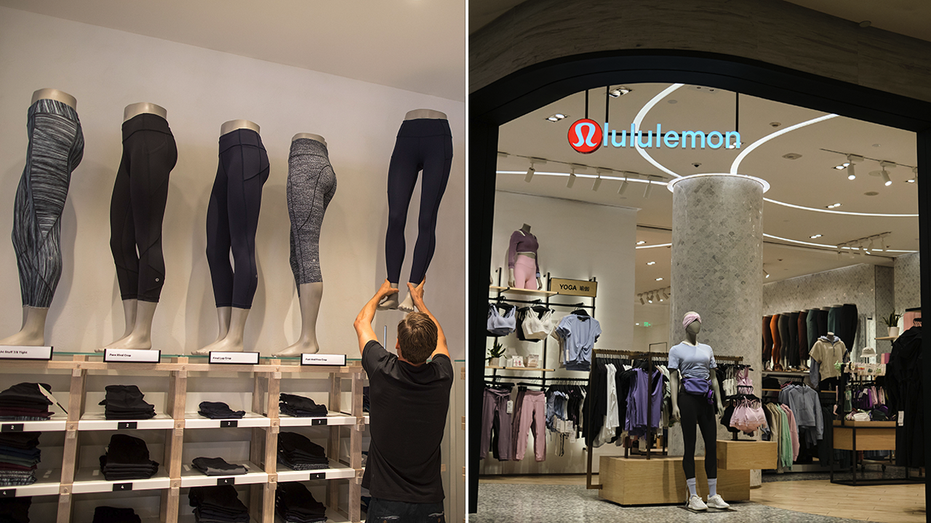
Lululemon does not own or operate its own manufacturing facilities. This is a deliberate brand strategy common among high-growth apparel giants, but Lululemon executes it with a level of control that rivals vertical integration. By outsourcing production to third-party vendors, the company remains “asset-light,” allowing it to pivot quickly to market trends, invest heavily in research and development (R&D), and maintain a global retail footprint without the overhead of managing thousands of factory floor employees.
The Power of the Vendor Partnership Model
Unlike “fast fashion” brands that frequently cycle through low-cost suppliers to shave pennies off production costs, Lululemon cultivates long-term, high-stakes partnerships. This approach is central to their brand identity. By working with a select group of world-class manufacturers, Lululemon ensures that their technical specifications—such as the exact tension of a seam or the breathability of a waistband—are met consistently. These vendors are not just contractors; they are strategic partners who often co-invest in the technology required to produce Lululemon’s signature high-performance gear.
Maintaining Brand Consistency Across Borders
The challenge of outsourcing is maintaining a singular brand “feel” when products are being made in different corners of the globe. Lululemon solves this through a centralized design process in Vancouver and a stringent quality assurance team that resides within the partner factories. This ensures that a pair of Align leggings manufactured in Vietnam feels identical to a pair manufactured in Sri Lanka. From a brand perspective, this consistency is the bedrock of customer trust.
A Global Map: Where the Manufacturing Happens
To understand who makes Lululemon clothing, one must look at the geography of its supply chain. The brand sources its products from approximately 55 to 60 “core” manufacturers located primarily in South and Southeast Asia. This regional focus is no accident; these hubs offer a unique combination of skilled craftsmanship, technical infrastructure, and logistical access.
Southeast Asia: The Epicenter of Production
Vietnam and Cambodia represent a massive portion of Lululemon’s manufacturing output. Vietnam, in particular, has become a global leader in high-end technical apparel. The factories here specialize in complex stitching and synthetic fabric manipulation, which are essential for Lululemon’s moisture-wicking and four-way stretch products. These facilities are often owned by large multinational textile groups, such as the Shenzhou International Group, which also produces for other elite athletic brands.
South Asia: The Hub of Innovation
Sri Lanka is another critical node in the Lululemon network. Known for its “Garments without Guilt” initiative, Sri Lanka has positioned itself as a destination for brands that prioritize ethical labor and high-quality construction. Manufacturers like MAS Holdings have been instrumental in Lululemon’s growth, providing the advanced engineering required for seamless garments and high-compression bras. These partnerships allow Lululemon to market itself as a brand that balances performance with humanity.
Diversification in the Americas and Beyond
While Asia remains the primary engine, Lululemon has made strategic moves to diversify its sourcing to include the Americas, specifically for North American market agility. Small-scale production in places like the United States or Canada is often reserved for limited-edition runs or rapid prototyping. This diversification is a key part of their brand risk management, ensuring that geopolitical shifts or supply chain disruptions do not sever the connection between the brand and its “guests” (the term Lululemon uses for its customers).
The Science of “Feel”: Proprietary Fabrics as a Brand Pillar
One of the most distinctive elements of who makes Lululemon clothing is who makes the fabrics. In the apparel world, the fabric is often as important as the final construction. Lululemon’s brand strategy is heavily rooted in “Science of Feel,” a proprietary approach to textile engineering that prioritizes the sensory experience of the wearer.
Ownership of Intellectual Property
While Lululemon does not own the looms that weave its fabrics, it owns the intellectual property (IP) behind them. Most of their famous materials—Luon, Nulu, Everlux, and Luxtreme—are developed in-house at the “Whitespace” lab in Vancouver. This R&D hub is where designers, biomechanists, and scientists experiment with yarn construction and chemical finishes. Once a fabric is perfected, Lululemon contracts specialized fabric mills, primarily in Taiwan and Mainland China, to produce the material exclusively for them.
Nulu and the Rise of the Align Franchise
The creation of “Nulu” fabric is perhaps the greatest example of how manufacturing supports brand strategy. Designed to feel like “buttery-soft weightlessness,” Nulu was the foundation for the Align pant, which became a cultural phenomenon. The ability to manufacture a fabric that is both incredibly soft and technically durable enough for yoga requires specialized machinery and chemical processes. By controlling the “who” and “how” of fabric production, Lululemon prevents competitors from easily replicating their most successful products.
Ethical Sourcing and Sustainability: Protecting Brand Equity
In the modern marketplace, a brand’s identity is inextricably linked to its ethics. Lululemon’s “Who Makes It” story is increasingly defined by its commitment to Environmental, Social, and Governance (ESG) standards. For a premium brand, a single scandal in a third-party factory can cause irreparable damage to brand equity.
The Vendor Code of Conduct
Lululemon employs a rigorous Vendor Code of Conduct that all manufacturing partners must sign and adhere to. This code covers fair wages, working hours, safety standards, and the prohibition of forced labor. To ensure compliance, the brand utilizes third-party audits and unannounced inspections. By being transparent about these standards, Lululemon reinforces its image as a conscious, “mindful” brand that cares about the well-being of the people in its supply chain.
Sustainable Innovation in Manufacturing
Sustainability is the next frontier for Lululemon’s brand evolution. They have partnered with innovators like Genomatica to create plant-based nylon and LanzaTech to explore fabric made from recycled carbon emissions. These partnerships signal to the market that Lululemon is not just a clothing company, but a technology-driven brand committed to a “circular” future. When consumers ask who makes their clothes, the brand wants the answer to include a narrative of environmental stewardship.
The Future of Lululemon’s Supply Chain Strategy
As Lululemon continues its “Power of Three ×2” growth strategy—which aims to double men’s revenue, double digital revenue, and quadruple international revenue—the question of who makes their clothing becomes even more critical.
Digital Transformation and Real-Time Manufacturing
To support its e-commerce growth, Lululemon is moving toward a more agile, data-driven manufacturing model. This involves closer integration with vendors through digital platforms that allow for real-time tracking of production and inventory. By digitizing the relationship between the brand and the manufacturer, Lululemon can reduce lead times and minimize overstock, which is both a financial and an environmental win.

Vertical Integration Aspirations?
While it is unlikely that Lululemon will start building its own factories, we may see the brand move closer to its suppliers through deeper financial integration or exclusive facility agreements. As the competition for high-tech manufacturing capacity intensifies with rivals like Nike and Alo Yoga, securing “who” makes the clothing becomes a matter of competitive survival.
Lululemon’s success is a testament to the fact that in the 21st century, a brand is defined as much by its supply chain as it is by its marketing. The clothing is “made” by a global tapestry of engineers, weavers, and tailors, but it is orchestrated by a brand strategy that values technical precision, sensory experience, and ethical integrity. For the Lululemon “guest,” the value lies in knowing that their gear is the product of a sophisticated global network dedicated to the pursuit of performance and well-being.
aViewFromTheCave is a participant in the Amazon Services LLC Associates Program, an affiliate advertising program designed to provide a means for sites to earn advertising fees by advertising and linking to Amazon.com. Amazon, the Amazon logo, AmazonSupply, and the AmazonSupply logo are trademarks of Amazon.com, Inc. or its affiliates. As an Amazon Associate we earn affiliate commissions from qualifying purchases.