
The landscape of personal finance is undergoing a seismic shift, moving away from traditional revolving credit and toward more transparent, installment-based payment systems. Among the leaders of this fintech revolution is Klarna, a service that has redefined how consumers approach high-ticket purchases and everyday shopping alike. While initially popularized as an e-commerce checkout solution, Klarna’s expansion into physical retail environments has provided consumers with unprecedented flexibility at the point of sale. Understanding how to use Klarna in-store is not just about navigating an app; it is about mastering a financial tool that can help manage liquidity, avoid high-interest debt, and maintain a disciplined budget.

The Financial Logic of Buy Now, Pay Later (BNPL) in Physical Retail
To effectively use Klarna in a brick-and-mortar setting, one must first understand the financial mechanics of Buy Now, Pay Later (BNPL) systems. Unlike a traditional credit card, which offers a revolving line of credit often accompanied by complex interest calculations and compounding balances, Klarna typically operates on a fixed-installment basis. In the “Money” niche, this is referred to as a point-of-sale loan.
Shifting from Revolving Debt to Installment Clarity
Traditional credit cards often encourage a “minimum payment” cycle that can trap consumers in debt for years. Klarna’s primary in-store offering usually involves the “Pay in 4” model. This structure breaks a total purchase into four equal interest-free payments, with the first due at the time of purchase and the remaining three every two weeks. From a personal finance perspective, this allows a consumer to retain more of their cash on hand (liquidity) while committing to a clear, finite repayment schedule. This transparency is a cornerstone of modern financial health, allowing for more accurate monthly forecasting and cash-flow management.
The Role of Soft Credit Checks and Financial Accessibility
One of the most significant advantages of using Klarna in-store is the impact—or lack thereof—on one’s credit score. In most instances, Klarna performs a “soft” credit check to determine eligibility. Unlike “hard” inquiries associated with new credit card applications, these do not lower your credit score. This makes it an attractive financial tool for those looking to preserve their credit rating while still accessing short-term financing. However, strategic users must remain aware that while the application is soft, the responsibility is hard; missed payments can still influence your standing with the provider and, in some cases, your broader financial profile.
Setting Up Your Digital Wallet for In-Store Success
Before walking into a retail location, a user must prepare their digital financial infrastructure. Klarna does not require a physical card for in-store transactions; instead, it leverages the power of mobile payment ecosystems like Apple Pay and Google Pay.
Linking Your Funding Source and Identity Verification
The first step in using Klarna as a financial tool is linking a primary funding source, typically a debit or credit card. From a strategic standpoint, linking a debit card is often preferred by those practicing “envelope budgeting” or strict cash management, as it ensures the money for installments comes directly from earned income rather than creating secondary debt. During this setup, Klarna utilizes sophisticated identity verification protocols to ensure the security of the user’s financial data, a critical component in preventing unauthorized transactions and protecting one’s personal capital.
Generating a One-Time Card
The primary mechanism for paying with Klarna in-store is the “One-Time Card.” This is a virtual card generated within the Klarna app that acts as a temporary credit line for a specific amount. To use it, you enter the estimated total of your purchase—including taxes and potential shipping—and Klarna creates a virtual card number, expiry date, and CVV. This virtual card is then added to your phone’s digital wallet. This method provides an extra layer of security; because the card is “one-time,” the merchant never sees your actual banking information, reducing the risk of data breaches impacting your primary accounts.
Executing the Transaction: A Step-by-Step Financial Workflow
Once the digital infrastructure is in place, the actual process of checking out in-store is remarkably fluid. However, it requires a disciplined approach to ensure the transaction aligns with your broader financial goals.
Navigating the In-Store Tab
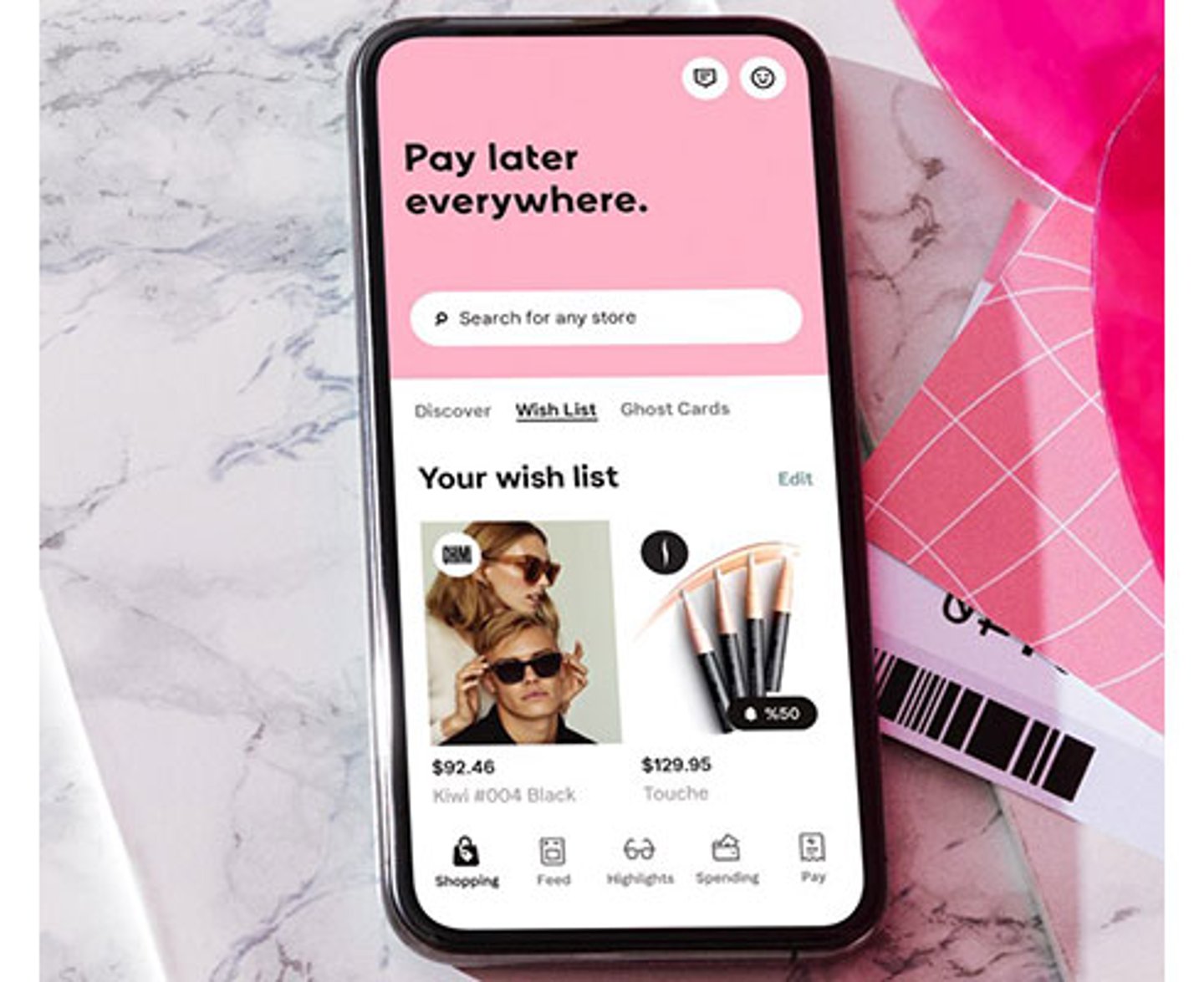
Upon entering a participating retailer, the user opens the Klarna app and navigates to the “In-Store” tab. The app uses geolocation or search functions to identify the specific store. This is a critical step because Klarna often offers merchant-specific promotions or rewards points (klarna “Klub”) that can add incremental value to the purchase. From a financial perspective, these rewards function similarly to cash-back on a credit card, effectively reducing the net cost of the item.
The Checkout Process: Tap-to-Pay and QR Codes
When you reach the register, you inform the cashier you are paying with a digital wallet. You then open your Apple Pay or Google Pay, select the Klarna One-Time Card you generated, and tap it against the card reader. In some retail environments, the process may involve scanning a QR code generated by the merchant.
It is important to note that the “One-Time Card” will only authorize up to the amount you initially requested. If the total at the register is higher than your estimate, the transaction may be declined. Financial experts suggest overestimating the total by 10% to account for taxes; Klarna will automatically adjust the final “Pay in 4” schedule to reflect the actual amount spent, ensuring you are not over-leveraged.
Strategic Financial Management and Debt Avoidance
While Klarna offers convenience, it is a financial tool that requires active management. The ease of use can sometimes lead to “lifestyle creep” or impulsive spending if not governed by a strict personal finance framework.
Managing Repayment Schedules and Autopay
The key to using Klarna effectively is ensuring that the subsequent three payments are accounted for in your future budget. Klarna defaults to an autopay system, which is a double-edged sword. On one hand, it prevents late fees and ensures you stay on track with your repayment plan. On the other hand, it requires that the funds be available in your linked account on the specific due dates. Strategic users often align their Klarna purchase dates with their pay cycles to ensure that the outgoing installments coincide with fresh inflows of capital.
The Impact on Debt-to-Income Ratios
While Klarna is an “invisible” form of credit in that it doesn’t always show up on traditional credit reports, it is still an obligation. For individuals planning to apply for significant loans—such as a mortgage or auto loan—in the near future, it is wise to minimize BNPL usage. Lenders are increasingly looking at bank statements to identify recurring BNPL installments, which can affect your calculated debt-to-income (DTI) ratio. Using Klarna for essential, budgeted items is a sound strategy; using it to mask an inability to afford a lifestyle is a financial red flag.
Troubleshooting and Optimizing the In-Store Experience
Even with the best preparation, hurdles can arise when using fintech solutions in a physical environment. Being equipped to handle these issues is part of maintaining total control over your financial tools.
Handling Declined Transactions
A transaction might be declined for several reasons: insufficient funds in the linked account, an expired One-Time Card, or the purchase exceeding the pre-approved limit. Klarna’s internal risk assessment algorithm also monitors spending patterns. If you attempt several large in-store purchases in a short timeframe, the system may pause your ability to create new cards as a protective measure against over-extension. In these cases, the best course of action is to review your current outstanding balances within the app and ensure all previous installments are up to date.

Leveraging In-Store Rewards and Cashback
To truly maximize the utility of Klarna, users should look for “Boosts” or cashback offers within the app before heading to the store. Many retailers partner with Klarna to offer 5% to 10% back in rewards for in-store purchases. When these rewards are factored in, the “cost” of the item is effectively lowered, making Klarna a more mathematically sound choice than using a standard debit card with no rewards. This approach turns a simple payment method into a proactive savings strategy.
In conclusion, paying with Klarna in-store is a sophisticated way to manage personal finances in the digital age. By leveraging the One-Time Card system, maintaining a clear understanding of installment schedules, and integrating these payments into a broader budgetary framework, consumers can enjoy the benefits of modern retail without the pitfalls of high-interest revolving debt. As the intersection of technology and money continues to evolve, tools like Klarna provide the flexibility required to navigate a complex economic landscape with confidence and discipline.
aViewFromTheCave is a participant in the Amazon Services LLC Associates Program, an affiliate advertising program designed to provide a means for sites to earn advertising fees by advertising and linking to Amazon.com. Amazon, the Amazon logo, AmazonSupply, and the AmazonSupply logo are trademarks of Amazon.com, Inc. or its affiliates. As an Amazon Associate we earn affiliate commissions from qualifying purchases.