
For the vast majority of individuals, a vehicle represents the second largest purchase they will ever make, trailing only the acquisition of a primary residence. Yet, unlike real estate, which historically appreciates over time, a car is a rapidly depreciating asset. Understanding the precise financial value of your vehicle is not merely a matter of curiosity; it is a critical component of personal finance management, net worth calculation, and strategic asset liquidation. When you ask, “What is it worth?”, you are essentially asking for a snapshot of a moving financial target.
Understanding Depreciation: The Financial Lifecycle of a Vehicle
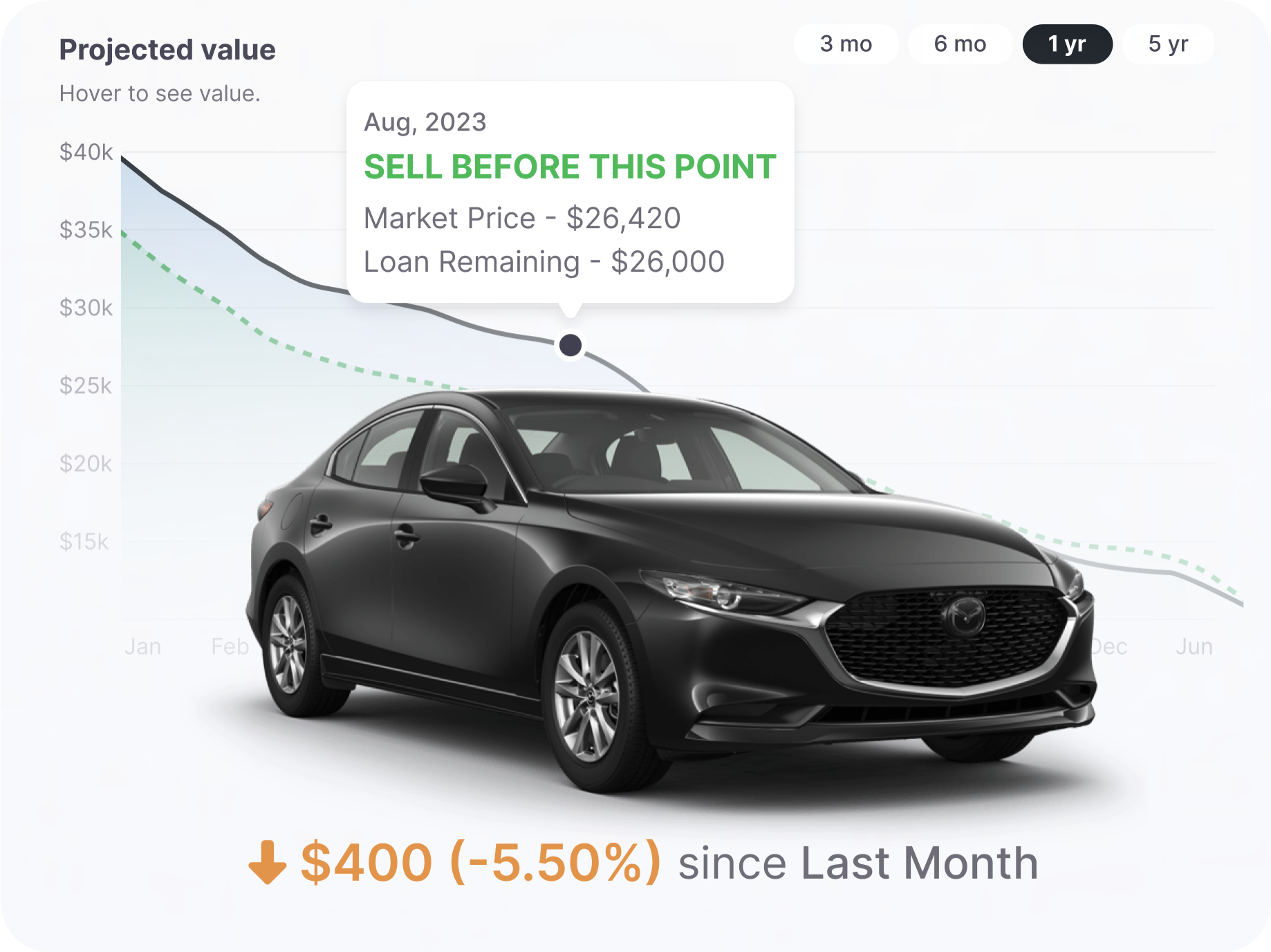
Depreciation is the single largest cost of car ownership, often eclipsing fuel, insurance, and maintenance combined. From a personal finance perspective, depreciation is the invisible leak in your wealth bucket. To accurately assess what a car is worth, one must first understand the mechanics of how value erodes over time.
Initial Loss and the “Drive-Off” Effect
The moment a new vehicle is driven off the dealership lot, it typically loses between 10% and 20% of its value. This immediate “hit” occurs because the vehicle transitions from a “new” asset to a “used” asset in the eyes of the market. For a $50,000 vehicle, this represents a $5,000 to $10,000 reduction in your personal net worth within minutes. This phenomenon is a primary reason why many financial advisors recommend purchasing “nearly new” or certified pre-owned vehicles, allowing a previous owner to absorb the steepest part of the depreciation curve.
Year-over-Year Value Erosion
On average, a car will lose about 15% to 20% of its remaining value each year for the first five years. By the end of the fifth year, a vehicle is generally worth only about 40% of its original purchase price. However, this curve is not universal across all brands and models. Vehicles with high reliability ratings and lower maintenance costs—often from manufacturers like Toyota or Honda—tend to retain value far better than luxury European imports, which may face a steeper decline once their factory warranties expire. Understanding where your specific vehicle sits on this curve is the first step in answering the valuation question.
Key Factors That Dictate Market Value
Determining what a car is worth requires looking beyond the year, make, and model. Several variables act as levers that can significantly increase or decrease the final number on a valuation report.
Mileage and Condition: The Primary Value Drivers
The odometer is the most objective metric used by appraisers. High mileage suggests greater wear and tear on the drivetrain and suspension, leading to a direct correlation between miles driven and value lost. Generally, the industry considers 12,000 to 15,000 miles per year as “standard.” Anything significantly above this will result in a “mileage deduction” during a valuation.
Equally important is the physical and mechanical condition. A vehicle that has been maintained according to the manufacturer’s schedule and kept in a garage will command a premium. In financial terms, “pristine” condition isn’t just about aesthetics; it is about reducing the risk for the next buyer, which translates into higher equity for the seller.
Market Trends and Seasonal Demand
Car values are not static; they fluctuate based on broader economic trends and seasonal needs. For example, convertibles often see a price surge in the spring and summer months, while four-wheel-drive SUVs and trucks gain value in late autumn as consumers prepare for winter. Furthermore, external economic factors such as fuel prices heavily influence the market. When gas prices spike, the value of fuel-efficient hybrids and EVs tends to rise, while the value of large, gas-guzzling SUVs may soften.
Regional Variations in Pricing
Geography plays a massive role in answering “what is it worth.” A rear-wheel-drive sports car will have a higher market value in Miami or Los Angeles than it will in Minneapolis in December. Conversely, a rugged pickup truck with a snowplow attachment is a high-value asset in rural New England but may be worth significantly less in a dense urban environment where parking is a premium. To get an accurate valuation, you must look at “comps” (comparable sales) within your specific zip code or region.
Essential Tools for Accurate Valuation

In the digital age, consumers have access to the same data sets that were once reserved for professional car dealers and insurance adjusters. Utilizing these financial tools is essential for any savvy vehicle owner.
Blue Book Values vs. Real-World Transaction Data
Most people are familiar with Kelley Blue Book (KBB) or Edmunds. These platforms provide a “book value” based on historical data and proprietary algorithms. However, it is vital to distinguish between different types of valuation:
-
Trade-in Value: The amount a dealer will give you toward the purchase of another car. This is typically the lowest value because the dealer must leave room for profit and reconditioning.
-
Private Party Value: What you can expect to receive if you sell the car yourself to another individual. This is usually higher than trade-in value but requires more effort.
-
Retail Value: The price at which a dealer would list the car for sale. This includes their overhead and profit margins.
While KBB is a great starting point, platforms like JD Power (formerly NADA) or Black Book are often what lenders and dealers use. Checking multiple sources provides a more balanced “true market value.”
AI-Driven Appraisal Platforms
In recent years, the rise of online automotive retailers like Carvana, Vroom, and Shift has changed the valuation landscape. These companies use real-time AI and big data to provide instant cash offers. These offers are arguably the most “accurate” reflection of a car’s worth because they represent a guaranteed liquidity event. If a company is willing to cut you a check for $20,000 today, that is the most definitive answer to what your car is worth in the current moment.
Maximizing Resale Value: Strategic Maintenance and Timing
If you view your car as a financial asset, your goal should be to minimize the total cost of ownership (TCO). This involves protecting the car’s value throughout its lifecycle.
The ROI of Aesthetic and Mechanical Repairs
Not all repairs are created equal. If you are preparing to sell, spending $500 on a professional detail and minor paint correction can often yield a $1,500 increase in the sale price—a 200% return on investment. Conversely, major mechanical overhauls right before a sale rarely recoup their full cost. The key is to maintain a comprehensive service history. A well-documented folder of receipts proves to a potential buyer that the vehicle has been cared for, justifying a “top of market” price.
Strategic Timing for the Sale
Timing the market is a concept often applied to stocks, but it applies to automobiles as well. Selling a vehicle just before it hits a major mileage milestone—such as 60,000 or 100,000 miles—can prevent a psychological price drop. Many buyers filter their searches to exclude cars with over 100k miles; selling at 98,000 miles keeps your asset visible to a much larger pool of potential buyers, thereby driving up the price.
The Role of Automobiles in Your Broader Financial Portfolio
For most, a car is a utility. For a few, it is a collectible. For everyone, it is a line item on a balance sheet.
Treating a Vehicle as a Liquid Asset
While cars are generally depreciating, they are also highly liquid. In a financial emergency, a vehicle can be sold or used as collateral for a loan relatively quickly compared to real estate. Understanding the “equity” in your car—the difference between its current market value and any remaining loan balance—is essential for understanding your actual liquidity. Being “upside down” or “underwater” on a car loan (owing more than the car is worth) is a significant financial risk that should be addressed by making extra payments or choosing more conservative financing terms.

When to Exit: The Cost-Benefit of Holding vs. Selling
There is a point in every vehicle’s life where the cost of maintenance exceeds the value it provides. This is the “break-even” analysis of car ownership. If a car worth $3,000 requires a $2,500 transmission repair, its value as an asset has effectively plummeted to salvage levels. From a personal finance standpoint, it is often better to sell a vehicle while it still has significant “residual value” and transition that capital into a more reliable asset, rather than driving it until its value reaches zero.
Ultimately, the answer to “what is it worth” is a combination of data-driven market analysis and physical reality. By monitoring your vehicle’s value with the same discipline you apply to your investment portfolio, you can make informed decisions that protect your capital and enhance your long-term financial health. Whether you are looking to trade in, sell privately, or simply update your net worth statement, a precise valuation is the cornerstone of responsible ownership.
aViewFromTheCave is a participant in the Amazon Services LLC Associates Program, an affiliate advertising program designed to provide a means for sites to earn advertising fees by advertising and linking to Amazon.com. Amazon, the Amazon logo, AmazonSupply, and the AmazonSupply logo are trademarks of Amazon.com, Inc. or its affiliates. As an Amazon Associate we earn affiliate commissions from qualifying purchases.