
Determining the precise value of a vehicle is a fundamental skill in personal finance and asset management. For most individuals, a car is the second-largest purchase they will make, following their home. However, unlike real estate, which traditionally appreciates, a vehicle is a depreciating asset. Navigating the complexities of vehicle valuation requires a blend of data-driven research, market awareness, and an understanding of how specific variables impact your bottom line. Whether you are planning to sell, trade-in, or simply assess your net worth, knowing the true market value of your vehicle ensures you do not leave money on the table.
Leveraging Digital Valuation Tools and Data Aggregators
In the modern financial landscape, data is the most valuable currency. When seeking to value a vehicle, the first step is utilizing established valuation engines that aggregate millions of data points from auctions, private sales, and dealership transactions. These tools provide a baseline, but understanding how they differ is key to getting an accurate figure.
The Role of Kelley Blue Book (KBB) and Edmunds
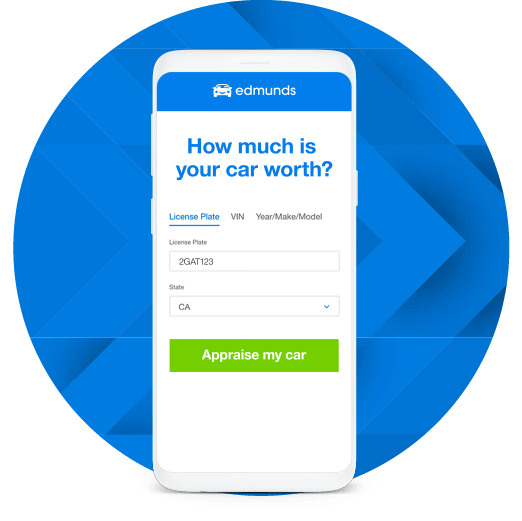
Kelley Blue Book and Edmunds are the two most recognized names in consumer vehicle valuation. They use proprietary algorithms to analyze historical data and current market trends. KBB is often the go-to for many consumers, offering “Private Party Value,” “Trade-In Value,” and “Fair Purchase Price.”
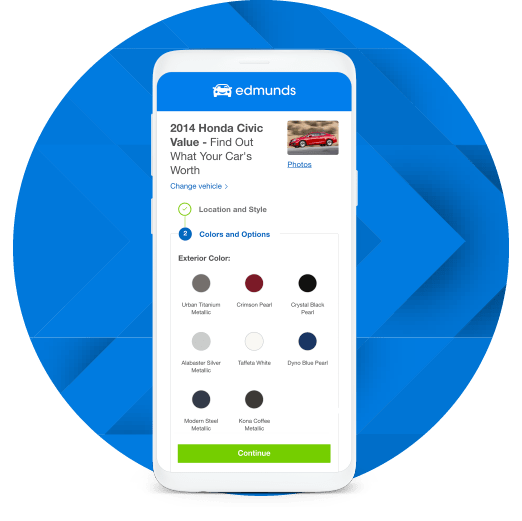
When using these tools, it is crucial to be honest about the vehicle’s condition. Most owners tend to overestimate the state of their car, selecting “Excellent” when “Good” or “Fair” is more accurate. In financial terms, misclassifying the condition can lead to a discrepancy of thousands of dollars in expected equity. Edmunds often provides a slightly different perspective by focusing heavily on “True Market Value” (TMV), which reflects what others in your specific geographic area are actually paying.
Understanding Black Book and NADA Values
While consumers lean toward KBB, lenders and dealerships often rely on Black Book and the National Automobile Dealers Association (NADA) guides. Black Book is known for providing weekly updates, making it more sensitive to rapid market fluctuations. If you are applying for a loan or refinancing your vehicle, the lender will likely use NADA values to determine the Loan-to-Value (LTV) ratio. For the savvy individual, checking these “pro-level” tools provides a more realistic view of what a dealership is willing to pay or what a bank is willing to finance.
Local Market Adjustments and Real-Time Data
National averages are a starting point, but vehicle value is highly localized. A four-wheel-drive SUV carries a premium in the Pacific Northwest compared to the Sun Belt. Conversely, a convertible might see a value surge in Florida or California. To get a real-time pulse on your vehicle’s worth, look at active listings on platforms like Autotrader, Cars.com, and Facebook Marketplace. Filter your search to your specific zip code and match your vehicle’s year, make, model, and trim level. This “comp” (comparable) analysis is identical to how real estate agents value homes and provides the most current snapshot of local demand.
Critical Factors Influencing Your Vehicle’s Market Value
Once you have a general range from online aggregators, you must perform a granular assessment of your specific asset. Depreciation is not a linear path; it is influenced by usage, maintenance, and external economic factors.
Mileage and the Depreciation Curve
Mileage is perhaps the single greatest determinant of value after the vehicle’s age. In the world of personal finance, every mile driven represents a marginal decrease in the asset’s value. There are certain “psychological milestones” in the car market—30,000, 60,000, and 100,000 miles. Crossing these thresholds often triggers a sharper dip in value because they coincide with the expiration of manufacturer warranties or the requirement for major scheduled maintenance (such as timing belt replacements). If your vehicle is approaching one of these milestones, selling just before the odometer rolls over can significantly preserve your equity.
Cosmetic Integrity and Maintenance Records
A vehicle’s value is a reflection of its perceived longevity. A car with a meticulous service history, documented through receipts or a clean Carfax report, commands a premium. From a financial perspective, a well-documented maintenance history reduces the “risk premium” for the buyer. If you can prove that oil changes, brake services, and fluid flushes were performed on schedule, you justify a higher asking price.
Cosmetic condition—both interior and exterior—also plays a massive role. Dents, scratches, or interior stains suggest a lack of care, which leads buyers to assume the mechanical components have been equally neglected. A professional detail, costing a few hundred dollars, can often yield a four-figure return in the final sale price.
Market Trends and Seasonal Demand
Macroeconomic factors often override individual vehicle conditions. For instance, during periods of high fuel prices, the value of large, inefficient SUVs typically drops, while the value of hybrids and fuel-efficient compacts rises. Similarly, supply chain disruptions can inflate the value of used cars across the board. Monitoring the “Used Vehicle Value Index” can provide insight into whether it is a “seller’s market” or a “buyer’s market.” Timing your sale to coincide with high demand can be the difference between a quick profit and a long-term liability.

Maximizing Resale Value: A Financial Strategy
Viewing your vehicle as a part of your investment portfolio changes how you maintain and eventually sell it. Maximizing value requires a proactive approach rather than a reactive one.
Small Repairs with High ROI
Before listing a vehicle or taking it to a dealer, perform a cost-benefit analysis on potential repairs. You do not need to fix everything, but you should address “red flag” items. A cracked windshield, a check engine light, or bald tires are immediate negotiation points for a buyer. Usually, the cost of replacing these items is less than the amount a buyer will try to deduct from your asking price. However, avoid major mechanical overhauls right before a sale, as you rarely recoup 100% of the cost of a new transmission or engine.
The Power of Documentation and Transparency
In any financial transaction, transparency builds trust and speeds up the closing process. Assemble a “vehicle portfolio” that includes the title, all service records, the original window sticker (if available), and a recent vehicle history report. This professional presentation signals to the buyer that they are dealing with an organized seller, which minimizes friction during price negotiations. It also protects you from future liability by clearly stating the vehicle’s known condition at the time of sale.
Choosing the Right Sales Channel
How you choose to liquidate your asset significantly impacts the final number.
-
Private Party Sale: This offers the highest return. You are capturing the “retail” value of the car. However, it requires the most effort, including marketing, showing the car, and handling the legal paperwork and payment security.
-
Instant Cash Offers: Platforms like Carvana, Vroom, and KBB Instant Cash Offer provide a middle ground. They offer more than a traditional dealer trade-in might, with the convenience of a quick transaction.
-
Dealership Trade-In: This is the most convenient but usually provides the lowest valuation. The dealer must buy the car at “wholesale” to allow room for their own profit margin and reconditioning costs.
Private Sale vs. Dealer Trade-In: The Financial Trade-Off
The decision of where to sell your vehicle is a classic exercise in weighing time versus money. Each path has distinct financial implications that go beyond the surface price.
Convenience vs. Cash Flow
If your primary goal is maximizing cash flow, a private sale is almost always the superior choice. You are essentially acting as the middleman, pocketing the margin that a dealership would otherwise take. For a vehicle worth $15,000, the gap between a trade-in offer and a private sale price could be as high as $2,000 to $3,000. For many, that represents a significant percentage of the total asset value.
However, the “cost” of a private sale includes your time, the risk of dealing with unqualified buyers, and potential security concerns. If your hourly rate is high or your schedule is packed, the “loss” taken at a dealership might actually be a more efficient financial move.
Tax Advantages of Trading In
One often overlooked financial nuance is the tax credit associated with trading in a vehicle. In many jurisdictions, you only pay sales tax on the difference between the price of your new car and the value of your trade-in.
For example, if you are buying a $40,000 car and your trade-in is worth $20,000, you only pay sales tax on the remaining $20,000. In a state with an 8% sales tax, this saves you $1,600. When you add this tax savings to the dealer’s trade-in offer, the “effective value” of the trade-in might come very close to what you would get in a private sale, with significantly less effort. Always run the numbers on the post-tax impact before dismissing a dealer’s offer.
The Impact of Vehicle Equity and Loans
If you still owe money on your vehicle, the valuation process becomes more complex. You must determine your “equity”—the difference between the vehicle’s market value and your loan payoff amount. If you have “positive equity,” that amount can serve as a down payment on your next vehicle or go straight into your savings.
If you have “negative equity” (often called being “underwater”), the vehicle is worth less than the loan balance. In this scenario, finding the absolute highest value for your vehicle is not just about profit; it is about damage control. Selling privately might be the only way to close the gap without having to pay out-of-pocket to clear the title. Understanding your exact payoff amount is a prerequisite to any valuation discussion.
Conclusion: Mastering the Valuation Process
Finding out what your vehicle is worth is not a one-time event but an ongoing part of sound financial management. By combining the data from digital aggregators, accounting for the specific variables of your vehicle’s condition, and strategically choosing your sales channel, you can ensure that you treat your car like the significant financial asset it is. Whether you are maximizing a trade-in for tax benefits or holding out for the top dollar of a private sale, the key is to remain objective, informed, and data-driven. In the end, the value of your vehicle is exactly what a willing buyer will pay—and with the right preparation, you can ensure that number is as high as possible.
aViewFromTheCave is a participant in the Amazon Services LLC Associates Program, an affiliate advertising program designed to provide a means for sites to earn advertising fees by advertising and linking to Amazon.com. Amazon, the Amazon logo, AmazonSupply, and the AmazonSupply logo are trademarks of Amazon.com, Inc. or its affiliates. As an Amazon Associate we earn affiliate commissions from qualifying purchases.