
In the realm of personal and corporate finance, the term “budgeted” represents more than just a figure on a ledger or a category in an app. To say an expense or an investment is budgeted is to state that it has been intentionally allocated, vetted against priorities, and integrated into a strategic roadmap for capital. At its core, being budgeted is the transition from reactive spending to proactive wealth management.
Understanding what is budgeted requires a shift in perspective. It is not merely about restriction; it is about the empowerment that comes from knowing exactly where every unit of currency is directed before it leaves your accounts. Whether applied to a household’s monthly groceries or a multinational corporation’s research and development department, the concept remains the same: the alignment of resources with specific goals.
Understanding the Core Concept: Beyond the Spreadsheet
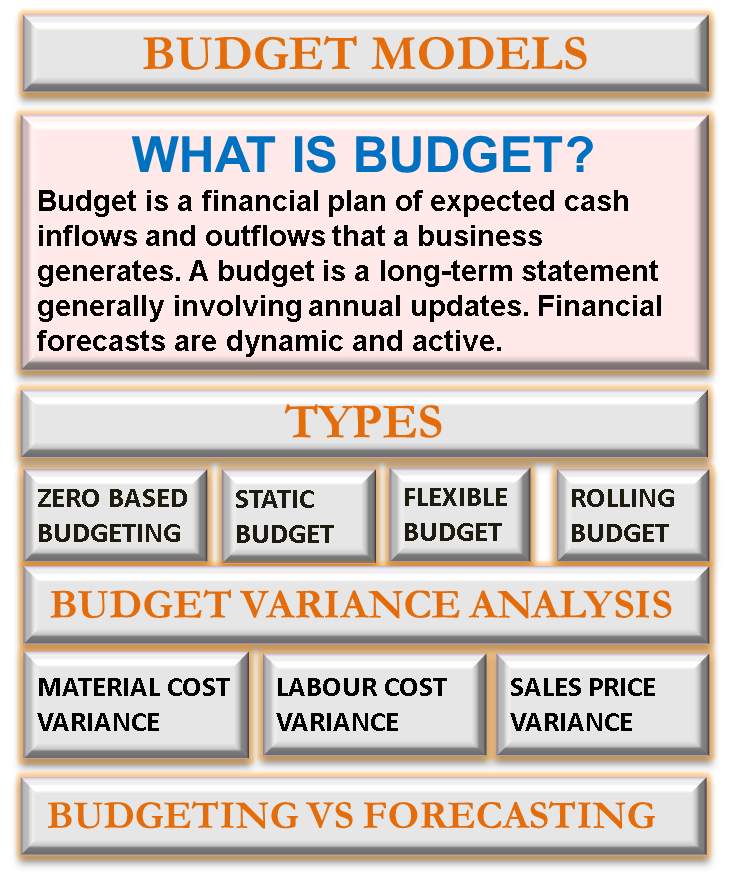
When we ask “what is budgeted,” we are looking at the delta between hope and strategy. Many people track their spending, which is a backward-looking exercise. They look at their bank statements at the end of the month to see where the money went. Budgeting, however, is forward-looking. To have a “budgeted” amount means you have assigned a mission to your money before it is earned or spent.
The Philosophy of Prioritization
The essence of a budgeted item is prioritization. In a world of finite resources and infinite desires, budgeting acts as the primary filter. When an expense is budgeted, it has passed through a mental or organizational sieve that weighs its necessity against other competing interests. This process forces the individual or the business leader to confront the “opportunity cost”—the reality that choosing to fund one initiative often means forgoing another.
By defining what is budgeted, you are essentially defining your values. If a significant portion of a personal budget is allocated to education or retirement, those values are clear. If a business budgets heavily for customer acquisition over internal infrastructure, its growth strategy is evident. Budgeting is, therefore, a quantitative expression of qualitative priorities.
The Psychology of Financial Intent
There is a profound psychological shift that occurs when capital is properly budgeted. It eliminates “buyer’s remorse” and the low-level anxiety associated with ambiguous financial standing. When you spend money that has been specifically earmarked for a purpose, you are acting according to a plan rather than an impulse. This discipline creates a sense of financial agency, reducing the stress often associated with debt or unforeseen expenses.
The Anatomy of a Budgeted Strategy
To effectively determine what is budgeted, one must understand the various categories that comprise a comprehensive financial plan. Not all budgeted items are created equal; they serve different roles in the ecosystem of your financial health.
Fixed vs. Variable Allocations
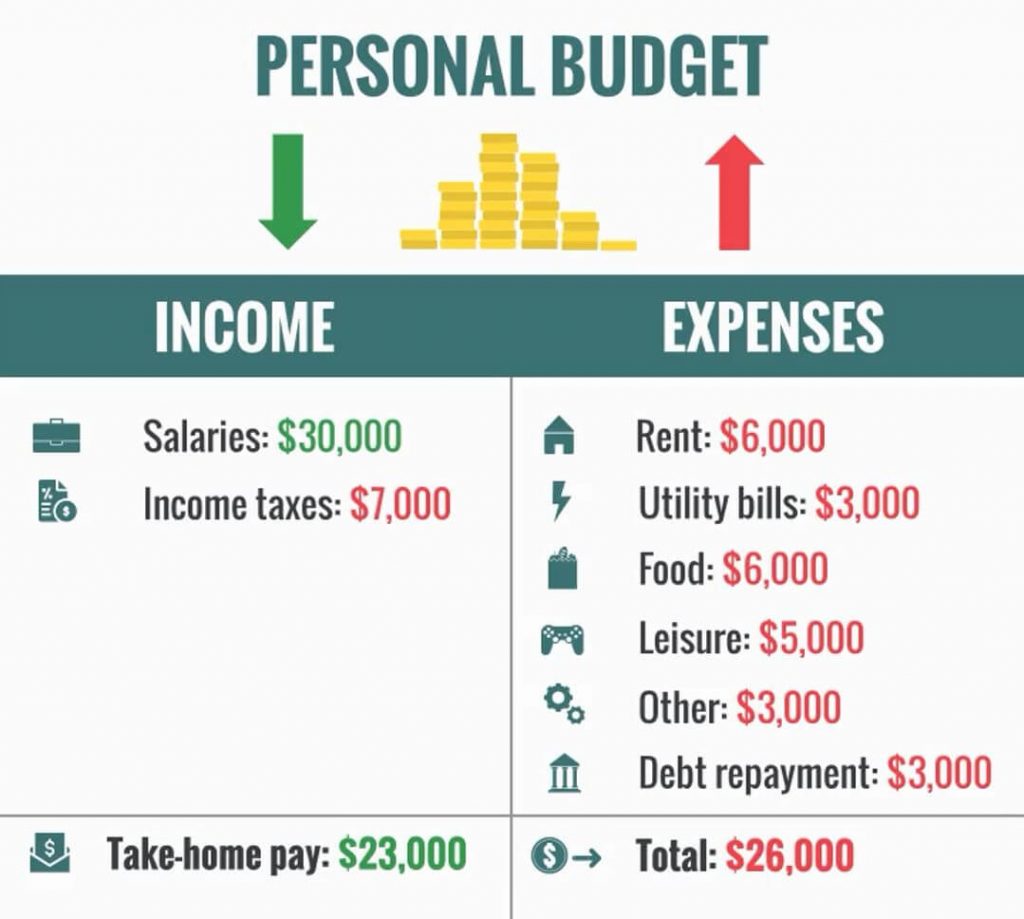
The first layer of any budgeted plan involves fixed expenses. These are the non-negotiables: rent or mortgage payments, insurance premiums, loan repayments, and subscriptions. These are the easiest to budget because they are predictable.
The second layer consists of variable expenses. These are costs that occur regularly but fluctuate in amount, such as utilities, groceries, and fuel. Budgeting for variable expenses requires a “ceiling” approach—estimating the high end of historical averages to ensure that fluctuations do not derail the overall plan. When you have “budgeted” for groceries, you have set a boundary that protects your other financial goals from being cannibalized by overspending in that category.
Sinking Funds: Budgeting for the Irregular
One of the most overlooked aspects of what is budgeted is the “sinking fund.” Many people fail in their financial planning because they only budget for monthly expenses. A sinking fund is an allocation for expenses that occur infrequently but are inevitable—think car repairs, annual insurance premiums, or holiday spending.
By budgeting a small amount each month into a sinking fund, you transform a future “emergency” into a “pre-funded event.” This is the pinnacle of being budgeted: the ability to pay for a $1,200 annual expense not by scrambling for cash in December, but by having $100 budgeted and set aside every month of the year.
The Contingency Buffer
No plan survives first contact with reality without a buffer. In professional financial management, this is often referred to as a contingency line item. Budgeting for the unknown is a hallmark of financial maturity. This is separate from an emergency fund; it is a small, budgeted margin within the monthly cycle to account for minor miscalculations or slight price increases in goods and services.
Methodologies for Effective Allocation
Determining what is budgeted and how to categorize it can be approached through several proven frameworks. The “best” method is the one that aligns with your specific financial goals and behavioral tendencies.
The 50/30/20 Rule
This is perhaps the most popular entry-level framework for personal finance. It suggests that 50% of your income should be budgeted for “Needs” (housing, utilities, basic food), 30% for “Wants” (entertainment, dining out, hobbies), and 20% for “Financial Goals” (debt repayment, savings, investments).
The strength of this model is its simplicity. It provides a high-level view of what is budgeted without requiring the granular tracking of every single cent. It ensures that even while enjoying life (the 30%), you are still making progress toward long-term stability (the 20%).
Zero-Based Budgeting (ZBB)
Zero-based budgeting is a more rigorous approach where every single dollar of income is assigned a specific purpose until the remaining balance is zero. This does not mean you have zero dollars in your bank account; it means that every dollar has been “budgeted” into a category—including savings and investments.
ZBB is highly effective for those looking to maximize their efficiency or for businesses looking to trim “budget creep.” In a corporate ZBB environment, managers must justify every expense for each new period, rather than simply adjusting the previous year’s budget. This ensures that what is budgeted remains relevant to current goals rather than legacy habits.
The Envelope System and Digital Equivalents
For those who struggle with overspending, the envelope system is a tactile way to define what is budgeted. Cash is placed into physical envelopes for different categories (e.g., “Dining Out,” “Clothing”). Once the envelope is empty, the budget for that category is exhausted. In the modern era, digital banking tools allow users to create “virtual envelopes” or sub-accounts, providing the same boundary-setting benefits without the need for physical cash.
Budgeted vs. Actual: The Vital Feedback Loop
The act of budgeting is only half of the equation. The other half is the analysis of “Budgeted vs. Actual.” This is the process of comparing what you planned to spend against what you actually spent.
Analyzing Variances
In accounting, the difference between the budgeted amount and the actual amount is called a variance. Variances are either “favorable” (you spent less than planned) or “unfavorable” (you spent more).
If you consistently see unfavorable variances in a specific category, it indicates one of two things: either your behavior needs to change to meet the budget, or your budget was unrealistic and needs to be adjusted to reflect reality. This feedback loop is what makes a budget a living document rather than a static piece of paper. It allows for constant refinement and more accurate forecasting in future months.
Adjusting for Life Stages and Economic Shifts
What is budgeted today may not be appropriate a year from now. Major life events—marriage, the birth of a child, a career change, or a move to a new city—require a complete overhaul of the budgeted allocations. Similarly, external economic factors like inflation can change the cost of “Needs,” requiring a contraction in “Wants” to maintain the same level of investment. A robust financial plan is flexible; it uses the budgeted framework to make informed pivots when circumstances change.
Leveraging Tools for Modern Budgeting
In the digital age, defining and maintaining what is budgeted has been revolutionized by technology. We are no longer limited to manual ledger entries; we have access to real-time data and automated systems that can handle the heavy lifting of categorization and tracking.
Automation and AI in Expense Allocation
Modern financial tools can now automatically categorize transactions and alert users when they are nearing their budgeted limit for a specific category. Artificial Intelligence can analyze spending patterns and suggest a “budgeted” amount based on historical data and future goals. This reduces the friction of budgeting, making it easier for individuals to stay disciplined without the need for constant manual oversight.
From Budgeting to Wealth Building
Ultimately, the goal of defining what is budgeted is to move beyond the cycle of paycheck-to-paycheck living and into the realm of wealth creation. When you master your budget, you create a surplus. That surplus is the raw material of investment.
By budgeting for “Future You”—treating your savings and investment accounts as a “bill” that must be paid—you ensure that wealth building is not an afterthought. It becomes a core component of your financial identity. Whether it is contributing to a 401(k), funding a brokerage account, or building capital for a side hustle, these allocations represent the highest form of what is budgeted: the strategic purchase of your future freedom.
In conclusion, “what is budgeted” is the blueprint of your financial life. It is the bridge between your current reality and your future aspirations. By applying rigor, choosing the right methodology, and utilizing modern tools, you transform money from a source of stress into a tool for achievement. Precise budgeting is the fundamental habit upon which all other financial successes are built.
aViewFromTheCave is a participant in the Amazon Services LLC Associates Program, an affiliate advertising program designed to provide a means for sites to earn advertising fees by advertising and linking to Amazon.com. Amazon, the Amazon logo, AmazonSupply, and the AmazonSupply logo are trademarks of Amazon.com, Inc. or its affiliates. As an Amazon Associate we earn affiliate commissions from qualifying purchases.