
Budgeting is often perceived as a practice of restriction, a financial straitjacket designed to limit enjoyment. In reality, a well-constructed budget is the ultimate tool for financial liberation. It is the roadmap that transforms vague financial goals into a concrete reality, providing a clear view of where your money originates and, more importantly, where it is directed. Starting a budget is the first and most critical step toward achieving financial independence, eliminating debt, and building long-term wealth.
Understanding the Psychology of Cash Flow
Before diving into spreadsheets and calculations, it is essential to understand the mindset required for successful budgeting. Budgeting is not about deprivation; it is about intentionality. When you start a budget, you are essentially giving every dollar a job. This proactive approach prevents the common phenomenon of “lifestyle creep,” where expenses rise alongside income without a corresponding increase in net worth. By mastering your cash flow, you shift from a reactive state—wondering where your money went at the end of the month—to a proactive state where you dictate your financial future.
Phase 1: Conducting a Comprehensive Financial Audit
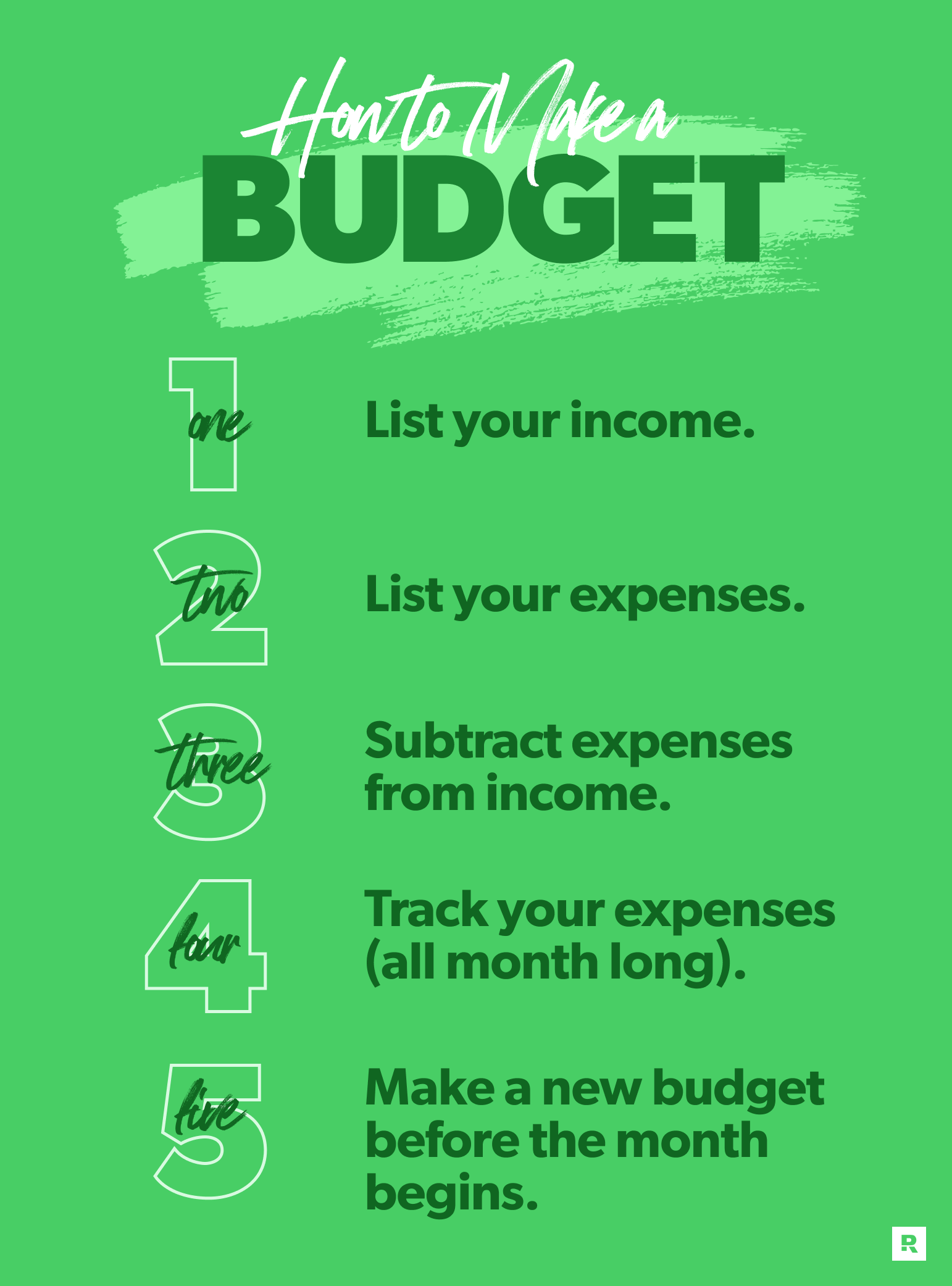
The foundation of any successful budget is an accurate assessment of your current financial standing. You cannot plan a route if you do not know your starting point. This initial audit requires transparency and a commitment to looking at the raw data of your financial life.
Calculating Your True Net Income
Many individuals make the mistake of budgeting based on their gross salary. However, your budget must be built on your “take-home pay” or net income. This is the amount that actually hits your bank account after taxes, health insurance premiums, 401(k) contributions, and other deductions. If you are a freelancer or business owner, this step is even more critical; you must set aside a percentage for quarterly taxes before determining your spendable income. Understanding your true net income prevents the overestimation of your purchasing power.
Categorizing Fixed vs. Variable Expenses
Once your income is established, you must track your historical spending. Review at least three months of bank and credit card statements to identify patterns. Divide these into two primary categories: fixed and variable expenses. Fixed expenses are those that remain constant each month, such as rent or mortgage payments, insurance premiums, car payments, and subscription services. Variable expenses fluctuate and often provide the greatest opportunity for optimization; these include groceries, dining out, entertainment, gas, and utility bills. By distinguishing between the two, you can identify which costs are non-negotiable and which are subject to discretionary adjustment.
Phase 2: Selecting a Budgeting Framework
There is no one-size-fits-all approach to personal finance. The effectiveness of a budget depends heavily on your personality, financial goals, and level of discipline. Selecting a framework that resonates with your lifestyle is key to maintaining consistency over the long term.
The 50/30/20 Rule
For those seeking a balanced and straightforward approach, the 50/30/20 rule is an excellent starting point. This framework allocates 50% of your net income to “Needs” (housing, utilities, basic groceries), 30% to “Wants” (hobbies, dining out, streaming services), and 20% to “Financial Goals” (debt repayment, emergency funds, and retirement investments). This method is particularly effective for beginners because it provides clear boundaries while still allowing for lifestyle enjoyment. It ensures that the essentials are covered and that progress is being made toward the future, without the granular stress of tracking every penny.
Zero-Based Budgeting
Zero-based budgeting is a more intensive method where every single dollar of your income is assigned a specific category until the balance reaches zero. If you earn $5,000 a month, your expenses, savings, and debt payments must equal exactly $5,000. This method is highly effective for those who struggle with “leakage”—small, unaccounted-for purchases that bleed a budget dry. It forces a level of accountability that ensures no money is left to sit idle. Zero-based budgeting is often the preferred choice for those aggressively paying down high-interest debt or working toward a specific short-term financial milestone.
The “Pay Yourself First” Method
Also known as reverse budgeting, this strategy prioritizes savings and debt reduction over everything else. In this model, you determine your savings goal first—perhaps 15% for retirement and 5% for a house down payment—and automate those transfers the moment your paycheck arrives. You then live on whatever remains. This method is ideal for individuals who find traditional tracking tedious but possess the discipline to keep their living expenses below their remaining balance. It guarantees that your future self is taken care of before any discretionary spending occurs.

Phase 3: Leveraging Financial Tools and Automation
In the modern era, manual tracking is largely unnecessary. The right tools can reduce the friction associated with budgeting, making it easier to stick to your plan.
Budgeting Software and Apps
There are various digital tools designed to aggregate your financial data and provide real-time insights. Some apps focus on the zero-based principle, requiring you to “give every dollar a job,” while others act as high-level aggregators that categorize your spending automatically via linked bank accounts. For those who prefer a more hands-on approach, a customized Excel or Google Sheets template allows for maximum flexibility. The choice of tool matters less than the consistency of its use; the goal is to have a centralized location where your financial data is visible and actionable.
The Power of Automation
The greatest enemy of a budget is human error and decision fatigue. By automating your finances, you remove the need for willpower. Set up automatic transfers for your savings accounts, investment platforms, and recurring bill payments. This “set it and forget it” mentality ensures that your financial obligations are met without fail. Automation also helps in “smoothing” your expenses; for example, you can automate a monthly transfer to a “sinking fund” for annual expenses like car registration or holiday gifts, preventing these large costs from disrupting your monthly cash flow.
Phase 4: Overcoming Common Budgeting Pitfalls
Even the most well-intentioned budget can be derailed by unexpected events or psychological hurdles. Anticipating these challenges is a vital part of the planning process.
Managing Irregular Expenses with Sinking Funds
One of the most common reasons budgets fail is the “unexpected” expense that should have been expected. Car repairs, home maintenance, and medical co-pays are not surprises; they are inevitable, though their timing is uncertain. Sinking funds are a strategic way to handle these. By setting aside a small amount each month specifically for “Car Maintenance” or “Annual Travel,” you build a buffer that protects your core budget from volatility. This transforms a potential financial crisis into a simple withdrawal from a designated fund.
Building and Maintaining an Emergency Fund
A budget is a plan for your money, but an emergency fund is a plan for when life doesn’t go according to plan. Before aggressively investing or spending on “wants,” it is crucial to establish an initial emergency fund—typically $1,000 to one month of expenses. Once high-interest debt is managed, this should be expanded to cover three to six months of essential living costs. This liquidity provides the psychological security necessary to stay the course with your budget even during periods of unemployment or economic downturns.
Phase 5: Refining and Scaling Your Strategy
A budget is not a static document; it is a living strategy that must evolve as your life and career progress. Regular reviews are necessary to ensure your allocations still align with your primary objectives.
Monthly Reviews and Adjustments
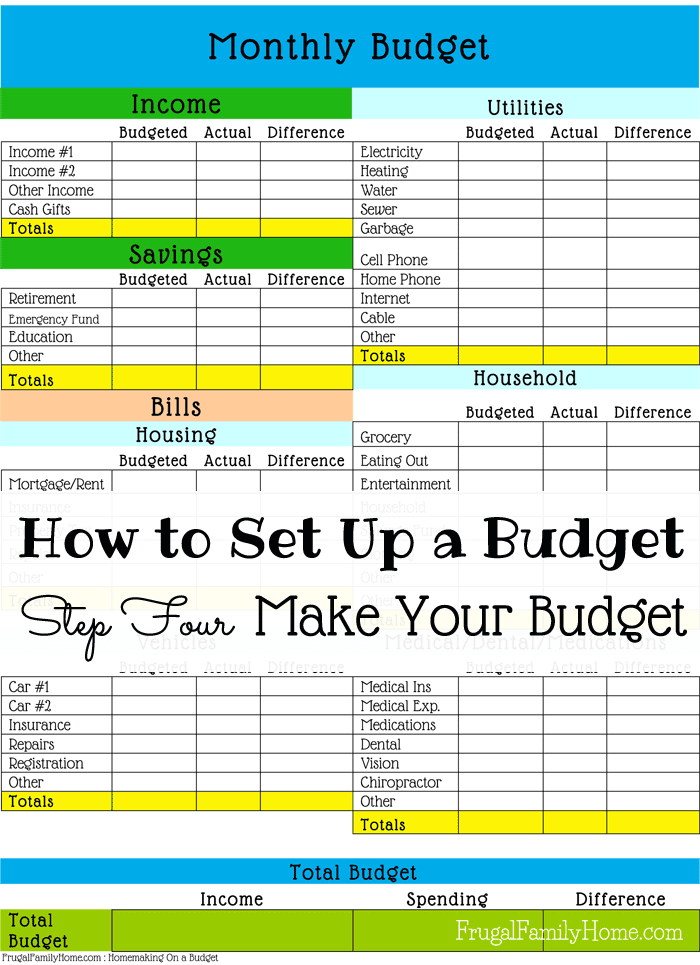
At the end of each month, perform a “budget vs. actual” analysis. Did you overspend in the grocery category? Was your utility bill higher than anticipated? These discrepancies are not failures; they are data points. Use this information to adjust your categories for the following month. Over time, your projections will become increasingly accurate, and the effort required to maintain the budget will diminish. If you consistently have money left over in certain categories, consider reallocating those funds toward your highest-interest debt or your investment accounts to accelerate your path to wealth.
Moving from Budgeting to Wealth Building
Once you have mastered the art of the budget and established a consistent surplus, your focus should shift from managing expenses to maximizing your net worth. This involves optimizing your asset allocation and exploring ways to increase your income, such as side hustles or career advancement. A budget provides the data necessary to see exactly how much capital you can afford to risk in the market or invest in a new business venture. It is the springboard from which all other financial successes are launched. By starting a budget today, you are not just managing your money; you are designing your life.
aViewFromTheCave is a participant in the Amazon Services LLC Associates Program, an affiliate advertising program designed to provide a means for sites to earn advertising fees by advertising and linking to Amazon.com. Amazon, the Amazon logo, AmazonSupply, and the AmazonSupply logo are trademarks of Amazon.com, Inc. or its affiliates. As an Amazon Associate we earn affiliate commissions from qualifying purchases.