
In the landscape of the American retail sector, few companies command as much attention from both institutional and retail investors as The Home Depot, Inc. (ticker: HD). As the world’s largest home improvement retailer, its stock price is often viewed as a bellwether for the health of the U.S. housing market and broader consumer discretionary spending. When investors ask, “What is Home Depot’s stock price?” they are rarely looking for just a numerical value on a ticker; they are seeking an understanding of the underlying value, the macroeconomic factors influencing its movement, and the company’s long-term growth trajectory within the “Money” and “Investing” niche.
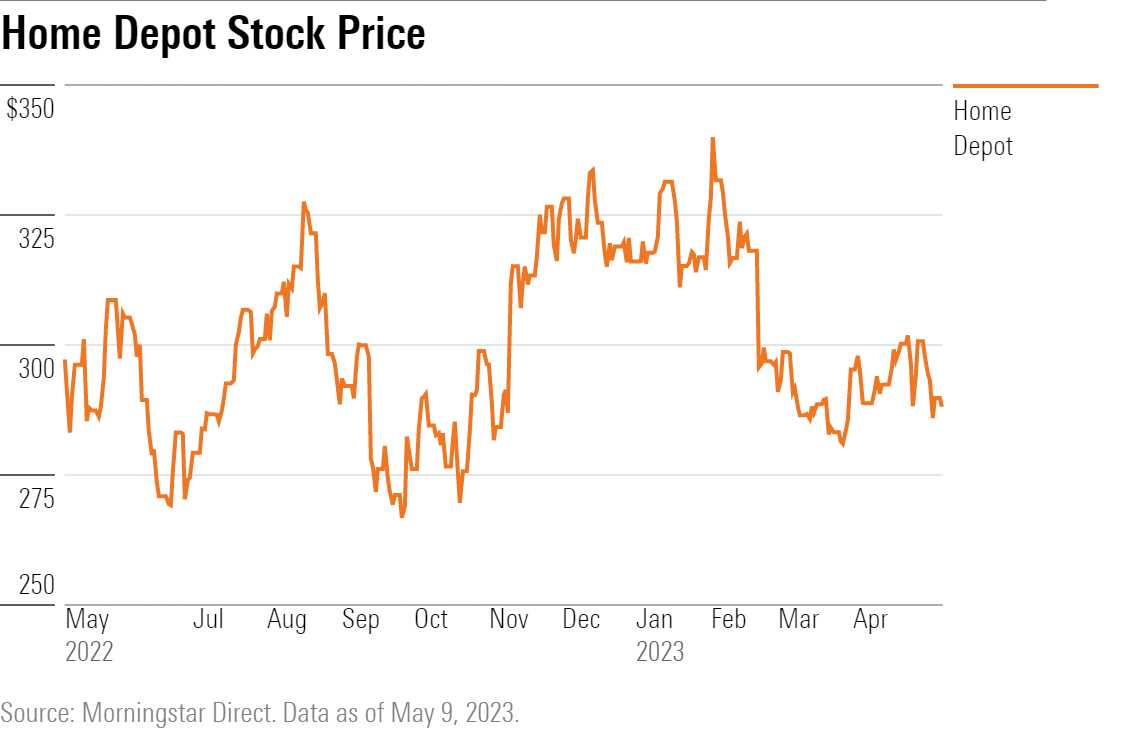
Understanding the Home Depot stock price requires a multi-faceted approach. It involves looking beyond daily fluctuations to analyze the company’s fundamental strength, its dividend policy, and how it navigates a volatile economic environment characterized by fluctuating interest rates and shifting consumer behaviors.
The Anatomy of Home Depot’s Market Valuation
The stock price of Home Depot is a reflection of its massive operational scale and its consistent ability to generate cash flow. To understand why HD trades at its current levels, one must look at the key financial metrics that professional analysts use to value the firm.
Price-to-Earnings (P/E) Ratio and Earnings Quality
The P/E ratio is perhaps the most scrutinized metric for HD. Traditionally, Home Depot has traded at a premium compared to the broader retail sector. This premium is often justified by the company’s high Return on Invested Capital (ROIC), which frequently exceeds 35-40%. Investors are willing to pay more for each dollar of HD earnings because those earnings are backed by an efficient supply chain and a dominant market position. When the stock price rises or falls, it is often a reaction to whether the company met, exceeded, or fell short of quarterly earnings-per-share (EPS) expectations.
Market Capitalization and Index Influence
With a market capitalization that consistently places it among the largest corporations in the world, Home Depot is a heavyweight component of the Dow Jones Industrial Average (DJIA) and the S&P 500. Because it is a price-weighted index member in the Dow, a significant move in HD’s stock price can single-handedly move the entire index. This institutional importance ensures high liquidity for the stock, meaning investors can buy and sell large positions without significantly impacting the price—a hallmark of a stable “Blue Chip” investment.
Macroeconomic Catalysts: Why the Stock Price Fluctuates
Home Depot does not exist in a vacuum. Its stock price is highly sensitive to the external economic environment, specifically factors that influence the “improve-it-or-move-it” mentality of homeowners.
The Correlation with the Housing Market
The most direct influence on HD’s stock price is the health of the real estate market. There are two primary drivers here: turnover and appreciation. When home turnover is high (more people buying and selling houses), spending on renovations typically surges as new owners customize their spaces. Conversely, when home prices appreciate, homeowners feel wealthier—a phenomenon known as the “wealth effect”—and are more likely to take out home equity lines of credit (HELOCs) to fund major kitchen or bath remodels. If the housing market cools, the stock price often reflects a forecasted decline in these high-ticket projects.
Interest Rates and the Cost of Capital
In recent years, the Federal Reserve’s monetary policy has been a primary driver of Home Depot’s valuation. High interest rates have a dual impact. First, they make mortgages more expensive, which slows down housing turnover. Second, they increase the cost of financing for large-scale professional projects. However, Home Depot has shown resilience in high-rate environments because homeowners who are “locked in” to low-rate mortgages choose to renovate their existing homes rather than move, providing a steady floor for the stock price even when the broader market is under pressure.
The “Pro” Factor and Revenue Reliability

One of the unique aspects of Home Depot’s business model—and a significant contributor to its stock price stability—is its focus on the professional customer. While the “Do-It-Yourself” (DIY) segment is important, the “Pro” segment (contractors, remodelers, and tradespeople) accounts for a disproportionate amount of revenue and loyalty.
Capturing the Professional Remodeler
Professional customers tend to spend more and shop more frequently than DIYers. Home Depot has invested billions in its complex delivery systems, specialized credit programs, and inventory management tools tailored specifically for Pros. For investors, this creates a more “sticky” revenue stream. While a DIY consumer might skip a project during an economic downturn, a professional contractor often has a backlog of work that must be completed, providing a buffer for Home Depot’s top-line growth.
Inventory Management and Margin Protection
The efficiency with which Home Depot manages its inventory directly impacts its stock price. In the retail world, “shrink” (theft or loss) and markdowns can erode profits. Home Depot has historically maintained superior margins by leveraging data analytics to ensure the right products are in the right stores at the right time. When the company reports improved gross margins, the stock price typically reacts favorably, signaling to the market that management is successfully controlling costs despite inflationary pressures on raw materials.
Dividend Aristocracy and Shareholder Value
For many investors in the “Money” and “Investing” space, the appeal of Home Depot lies in its commitment to returning capital to shareholders. This is a critical component of the stock’s “Total Return,” which combines price appreciation with dividend income.
A History of Dividend Growth
Home Depot has a long track record of increasing its dividend, often by double-digit percentages. A rising dividend is a signal of management’s confidence in future cash flows. When the yield (the annual dividend payment divided by the stock price) becomes particularly attractive, it creates a “floor” for the stock price, as income-seeking investors step in to buy the shares. This makes HD a favorite for Dividend Growth Investing (DGI) strategies.
Share Buybacks and Earnings Per Share
In addition to dividends, Home Depot is known for aggressive share repurchase programs. By buying back its own stock, the company reduces the total number of shares outstanding. This increases the Earnings Per Share (EPS) even if total net income remains flat. For the investor, this means their “slice of the pie” becomes more valuable over time. Significant buyback announcements are often catalysts for immediate jumps in the stock price, as they signal that the company believes its own shares are undervalued.
Strategic Outlook: Assessing HD as a Long-term Asset
When evaluating “what is Home Depot stock price” from an investment perspective, one must look at the long-term strategic initiatives that will drive value over the next decade.
The Omnichannel Evolution
The retail landscape has been permanently altered by e-commerce. Home Depot’s “One Home Depot” strategy aims to blend the digital and physical shopping experiences. A large percentage of their online orders are actually picked up in-store, which saves on shipping costs and often leads to additional impulse purchases once the customer arrives. The success of this digital integration is a key metric that tech-savvy financial analysts track to determine if the stock deserves a higher valuation multiple.
Risks to the Valuation
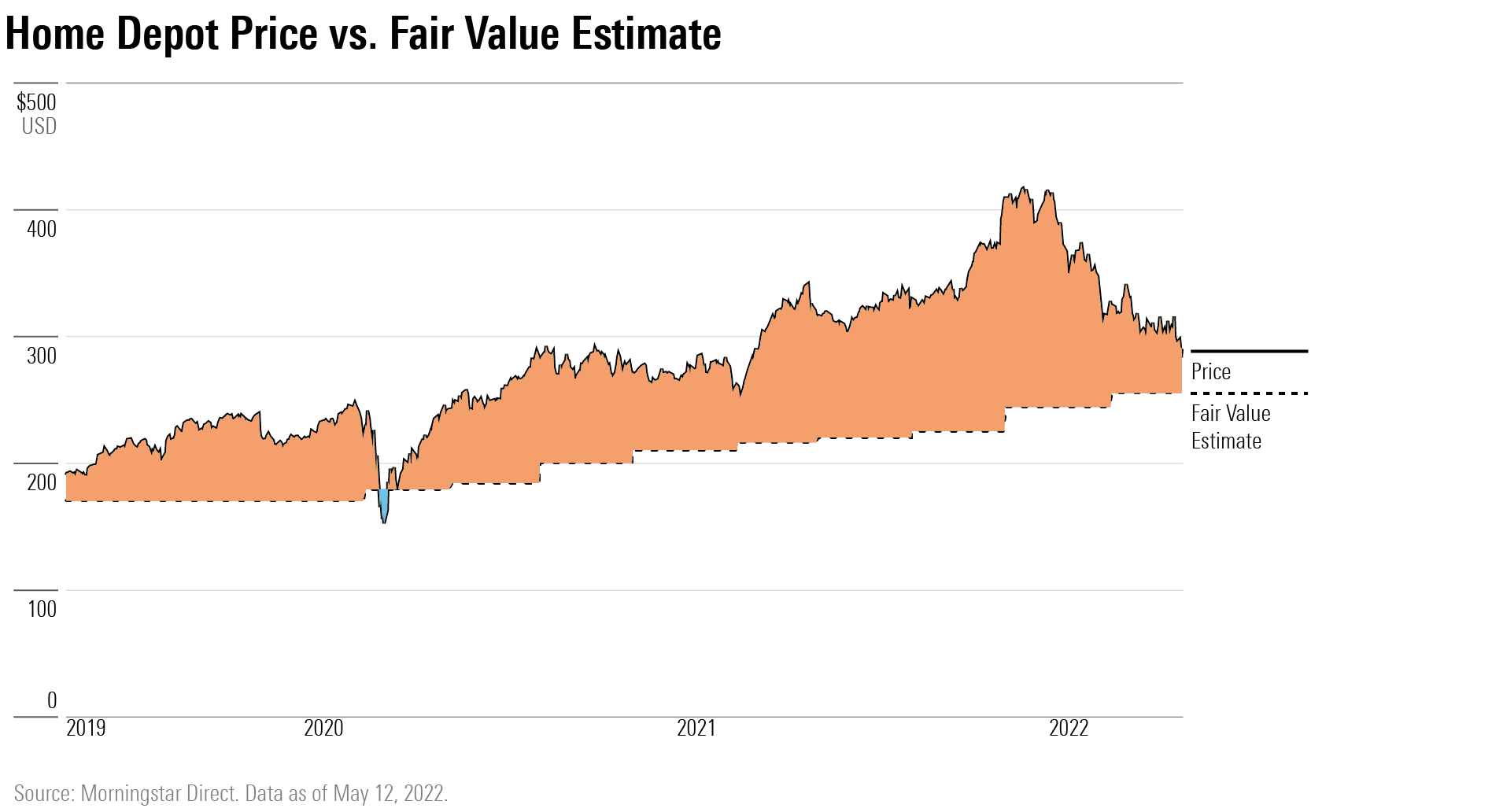
No investment is without risk. For Home Depot, the primary threats include intense competition from Lowe’s, rising labor costs, and potential disruptions in the global supply chain. Additionally, if the U.S. enters a deep recession, even the resilient “Pro” segment may see a slowdown. Investors must weigh these risks against the company’s historical performance and dominant market share.
In conclusion, the Home Depot stock price is a complex reflection of domestic economic health, corporate efficiency, and shareholder-friendly policies. For the disciplined investor, the price is not just a number on a screen, but a representation of the company’s ability to innovate within the home improvement space and its capacity to generate wealth through cycles of economic expansion and contraction. Whether used as a core holding for a retirement portfolio or a tactical play on the housing market, HD remains one of the most significant entities in the world of personal finance and institutional investing. Understanding the drivers behind its price is essential for anyone looking to navigate the modern financial markets with confidence.
aViewFromTheCave is a participant in the Amazon Services LLC Associates Program, an affiliate advertising program designed to provide a means for sites to earn advertising fees by advertising and linking to Amazon.com. Amazon, the Amazon logo, AmazonSupply, and the AmazonSupply logo are trademarks of Amazon.com, Inc. or its affiliates. As an Amazon Associate we earn affiliate commissions from qualifying purchases.