
The question of who owns YouTube is often met with a simple, one-word answer: Google. However, the reality of the platform’s corporate identity is a complex narrative of strategic acquisition, institutional restructuring, and a relentless evolution of brand positioning. To understand who owns YouTube is to understand the mechanics of Alphabet Inc., the philosophy of modern tech conglomerates, and the shifting landscape of digital media branding. What began as a venture-capital-backed startup in a garage has transformed into the world’s most influential video-sharing ecosystem, maintained through a sophisticated balance of independent brand personality and massive corporate oversight.
From Startup to Subsidiary: The Acquisition that Defined Digital Branding
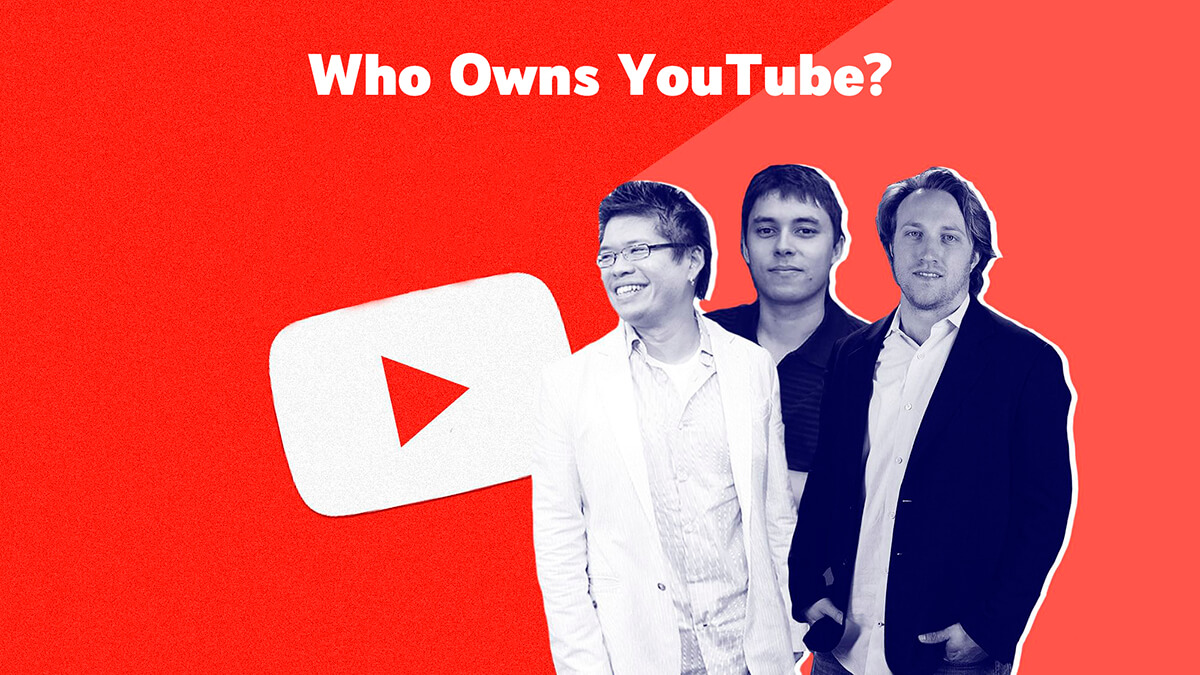
YouTube’s journey into the hands of its current owners began in 2005, founded by three former PayPal employees: Chad Hurley, Steve Chen, and Jawed Karim. At its inception, the brand was built on the ethos of democratization—encapsulated by its iconic slogan, “Broadcast Yourself.” This original identity was rugged, user-centric, and disruptive. However, as the platform’s popularity exploded, it faced significant existential threats, primarily in the form of bandwidth costs and copyright litigation.
In October 2006, Google Inc. stepped in with a $1.65 billion acquisition. At the time, this was viewed by many market analysts as a high-risk gamble. From a brand strategy perspective, the acquisition was a masterstroke of “horizontal integration.” Google already had its own video service, Google Video, but it lacked the community traction and cultural cachet that YouTube had cultivated. By purchasing YouTube, Google wasn’t just buying technology or a domain; they were buying a brand that had already become a verb in the global lexicon.
The immediate challenge following the acquisition was maintaining the “YouTube spirit” while integrating it into the rigorous corporate structure of Google. The strategy employed was one of “independent integration.” Google allowed YouTube to maintain its separate headquarters in San Bruno and its distinct corporate culture for several years. This helped preserve the brand’s authenticity among its core user base of creators and viewers, even as Google’s engineers began the massive task of migrating YouTube’s infrastructure onto Google’s global server network.
Alphabet Inc. and the Mechanics of Modern Corporate Ownership
In 2015, the landscape of YouTube’s ownership underwent a structural shift. Google reorganized itself into a conglomerate named Alphabet Inc. Under this new hierarchy, Alphabet became the parent company, with Google—and by extension, YouTube—becoming one of its primary subsidiaries. This transition was more than just a legal formality; it represented a shift in brand transparency and financial reporting.
Today, YouTube exists as a key pillar within Google’s “Services” segment under the Alphabet umbrella. While Neal Mohan serves as the CEO of YouTube, the ultimate ownership resides with Alphabet’s shareholders. The brand’s identity is now inextricably linked to Alphabet’s broader mission to “organize the world’s information,” yet it retains a unique status within the portfolio. Unlike many Google products that are eventually absorbed into the “Google” brand (such as Google Maps or Google Drive), YouTube has been allowed to keep its distinct visual identity and consumer-facing name.
The Role of Leadership in Brand Direction
The ownership and direction of YouTube have been significantly shaped by its executive leadership, which acts as the bridge between Alphabet’s corporate goals and YouTube’s community-driven mission. For nearly a decade, Susan Wojcicki, one of Google’s earliest employees, served as CEO. Her tenure was marked by a transition from a wild-west style video repository to a professionalized media giant. Under her leadership, the brand focused on “Brand Safety”—a strategic move to make the platform more attractive to Fortune 500 advertisers.
Following Wojcicki, Neal Mohan took the helm. His leadership reflects the current owner’s focus on technological innovation, specifically in the realms of YouTube Shorts and AI-driven content discovery. The ownership structure ensures that while YouTube operates with a degree of autonomy, its strategic pivots—such as the aggressive push into short-form video to compete with TikTok—are aligned with Alphabet’s overarching goal of maintaining dominance in the digital advertising market.
The Brand Ecosystem: Integration vs. Independence
One of the most fascinating aspects of YouTube’s ownership is how the brand manages its dual identity. It must simultaneously function as a “Google product” and a “Creators’ platform.” This duality is visible in everything from the user interface to the monetization models.
Maintaining the YouTube “Spirit” Under a Tech Giant
The “Broadcast Yourself” era has largely evolved into the “Creator Economy” era. Alphabet has leveraged its immense data capabilities to build the YouTube Partner Program, which remains the gold standard for creator monetization. This is a crucial element of the brand strategy: by ensuring creators are financially tied to the platform, the owners ensure the longevity and loyalty of the brand.
However, the integration with Google’s brand ecosystem is pervasive. A YouTube account is a Google account. The advertising engine that powers YouTube is Google Ads. The search algorithms that suggest videos are built on the foundational search technology that made Google a household name. This creates a “walled garden” brand experience. For the user, it feels like an independent video site; for the owner, it is a high-value data-generation tool that feeds the wider Alphabet machine.
Cross-Platform Branding Strategies
Under Alphabet’s ownership, YouTube has expanded its brand into several sub-identities to capture different market segments. These include:
-
YouTube Music: A direct competitor to Spotify and Apple Music, leveraging the vast library of music videos already on the platform.
-
YouTube Kids: A curated, brand-safe environment designed to appease regulators and parents, reflecting a more protective corporate identity.
-
YouTube TV: A push into the legacy cable television market, positioning the brand as a comprehensive media provider rather than just a social site.
Each of these sub-brands carries the weight of the YouTube name but operates under the corporate guidelines and financial targets set by the Alphabet executive board.
The Future of the YouTube Brand Identity
As we look toward the future, the ownership of YouTube faces new challenges that will redefine its brand strategy. The rise of decentralized platforms and the increasing scrutiny of big-tech monopolies mean that Alphabet must be careful in how it exercises its control.
Valuation and the “Break-Up” Conversation
In recent years, analysts have estimated that if YouTube were a standalone company, its valuation could exceed $300 billion to $400 billion. This staggering figure highlights the success of Alphabet’s ownership. However, it also fuels the fire for antitrust discussions. Regulators in the US and EU have frequently questioned whether Google’s ownership of the world’s largest search engine and the world’s largest video platform constitutes an unfair monopoly.
From a branding perspective, a potential spinoff of YouTube would be one of the most significant events in corporate history. It would force the brand to rebuild its entire back-end infrastructure and redefine its identity outside of the Google ecosystem. For now, Alphabet’s strategy is to keep YouTube tightly integrated yet operationally distinct, a balancing act that requires constant adjustment.

Embracing AI and the Next Era of Content
The current owners are currently pivoting the brand’s identity toward “AI-enhanced creativity.” Alphabet’s heavy investments in Gemini and other generative AI models are being funneled directly into YouTube’s creator tools. This move is designed to shift the brand perception from a simple “hosting site” to a “creative partner.” It is a strategic move to future-proof the brand against emerging technologies and to ensure that YouTube remains the central hub for video content in an AI-driven world.
In conclusion, while Alphabet Inc. is the legal owner of YouTube, the brand is owned in the cultural sense by the millions of creators and billions of viewers who inhabit it daily. Alphabet’s role has been that of a sophisticated steward—providing the capital, infrastructure, and data necessary to scale, while allowing the YouTube brand to maintain the unique, community-focused identity that makes it indispensable. The story of YouTube’s ownership is a case study in how a corporate giant can successfully nurture an acquired brand without stifling the very innovation that made it valuable in the first place. Through strategic leadership and a focus on long-term brand equity, the owners have ensured that YouTube is not just a part of the internet, but the very fabric of modern digital culture.
aViewFromTheCave is a participant in the Amazon Services LLC Associates Program, an affiliate advertising program designed to provide a means for sites to earn advertising fees by advertising and linking to Amazon.com. Amazon, the Amazon logo, AmazonSupply, and the AmazonSupply logo are trademarks of Amazon.com, Inc. or its affiliates. As an Amazon Associate we earn affiliate commissions from qualifying purchases.