
In the high-stakes arena of commercial aviation, brand identity is often as much about perception as it is about the physical product. Frontier Airlines occupies a unique, often polarizing space in the American market. As an Ultra-Low-Cost Carrier (ULCC), Frontier’s brand is built on a foundation of hyper-efficiency, unbundled pricing, and a visual identity that leans heavily on the natural world. To understand “how” Frontier Airlines is currently positioned, one must look past the ticket price and analyze the sophisticated brand strategy that allows the company to thrive in an industry known for razor-thin margins and intense customer scrutiny.
The Architecture of an Ultra-Low-Cost Brand Identity
Frontier’s brand identity is a masterclass in psychological positioning. Unlike legacy carriers that attempt to be “everything to everyone,” Frontier’s brand is intentionally narrow. It targets the price-sensitive traveler—the “visiting friends and relatives” (VFR) demographic—who prioritizes the destination over the journey.
Visual Branding: The Animal Kingdom on the Tail
One of the most recognizable aspects of Frontier’s corporate identity is its livery. Each aircraft features a high-resolution image of an animal on its vertical stabilizer, complete with a name and a “personality” profile. From “Grizzly the Bear” to “Francie the Flamingo,” this design choice serves a dual purpose. First, it softens the image of a brand that is fundamentally built on austerity. By associating the airline with wildlife and conservation, Frontier injects a sense of warmth and approachability into an otherwise clinical business model. Second, it creates “brand collectors.” Families and children often look for their favorite animals at the gate, fostering a level of engagement that is rare for a budget airline. This visual storytelling is a core pillar of their brand strategy, differentiating them from the minimalist, often sterile branding of competitors.
The “Greenest Airline” Messaging
In recent years, Frontier has pivoted its brand identity toward environmental stewardship. Their slogan, “America’s Greenest Airline,” is not just a marketing gimmick; it is a calculated brand move designed to align the company with the values of Gen Z and Millennial travelers. The strategy relies on a simple, logical premise: because Frontier packs more seats into its planes (increasing density) and operates a young fleet of fuel-efficient Airbus A320neo and A321neo aircraft, its carbon footprint per passenger is significantly lower than that of legacy carriers. This allows the brand to frame its “no-frills” approach not as a cost-cutting measure, but as an eco-conscious choice.
Analyzing the “Low Fares Done Right” Value Proposition
The central promise of the Frontier brand is “Low Fares Done Right.” This tagline is a direct attempt to address the historical friction associated with budget travel. For years, the ULCC model was synonymous with “hidden fees” and poor customer service. Frontier’s current brand strategy focuses on reclaiming the narrative around value.
Transparency and the Unbundled Pricing Model
Frontier’s brand success hinges on the “unbundled” model. By stripping away the cost of bags, seat assignments, and snacks from the base fare, the airline can advertise prices that are often lower than a tank of gas. From a marketing perspective, this creates a high-volume “top of funnel” interest. However, the brand challenge lies in the “conversion” phase. Frontier’s brand equity depends on the customer understanding that they are buying a “seat and a seatbelt,” and anything else is an add-on. When the brand communicates this effectively, it builds trust. When it fails, it creates a “bait-and-switch” perception that can be toxic to long-term brand loyalty.
The Shift Toward Premium-Lite Bundles
Recognizing that the “bare-bones” approach has its limits, Frontier has recently introduced “The Works” and “The Perks” bundles. This is a significant evolution in their brand strategy. It allows them to capture the “budget-plus” traveler—someone who wants the low base fare but desires the peace of mind that comes with a carry-on bag and a refundable ticket. By tiering their brand offerings, Frontier is moving away from being a “cheap” airline to being a “flexible” airline. This shift is crucial for their survival in a market where even legacy carriers now offer “Basic Economy” to compete on price.
Brand Perception and the Challenge of Reputation Management
No analysis of Frontier’s brand is complete without addressing the elephant in the room: customer perception. The airline has historically struggled with low rankings in customer satisfaction surveys, often due to its strict baggage policies and lack of a traditional customer service phone line.
Managing the Digital Feedback Loop
Frontier’s decision to move to an entirely digital customer service model (primarily via chat and social media) was a bold brand move that prioritized operational efficiency over traditional service norms. While this aligns with their low-cost corporate identity, it created a significant brand risk. In the digital age, a single negative experience can go viral, coloring the perception of thousands of potential flyers. Frontier has countered this by leaning into transparency on their website and app, using clear iconography to signal what is and isn’t included in a fare. The brand is currently in a “rehabilitation” phase, attempting to prove that “low cost” does not have to mean “low quality.”
The “New Frontier” Initiative
In 2024, the airline launched a major rebranding effort titled “The New Frontier.” This initiative was a direct response to the “junk fee” criticism prevalent in the industry. By introducing more transparent pricing and eliminating change fees for certain fare classes, Frontier is trying to reposition itself as a consumer-friendly underdog. This is a classic brand pivot: taking the biggest point of friction—unpredictable costs—and turning it into a marketing strength by promising “upfront pricing.”
Strategic Evolution: Moving Beyond “Cheap” to “Value”
The “how” of Frontier Airlines is currently defined by a transition from a pure price-leader to a value-leader. As the aviation industry consolidates and costs rise, a brand built solely on the lowest price is vulnerable. Frontier is diversifying its brand identity to include reliability and variety.
The Frontier Biz and Corporate Appeal
Historically, ULCCs have been ignored by business travelers. However, Frontier is attempting to break into this space with “BizTravel for Less.” By offering a product that includes perks like extra legroom and priority boarding at a fraction of the cost of a legacy carrier’s business class, Frontier is challenging the traditional brand boundaries of the ULCC. This strategy targets the small business owner and the “solopreneur” who are self-funding their travel. It expands the brand’s reach from the spring-break crowd to the professional class, increasing the “brand maturity” of the airline.
Fleet Expansion as a Brand Asset
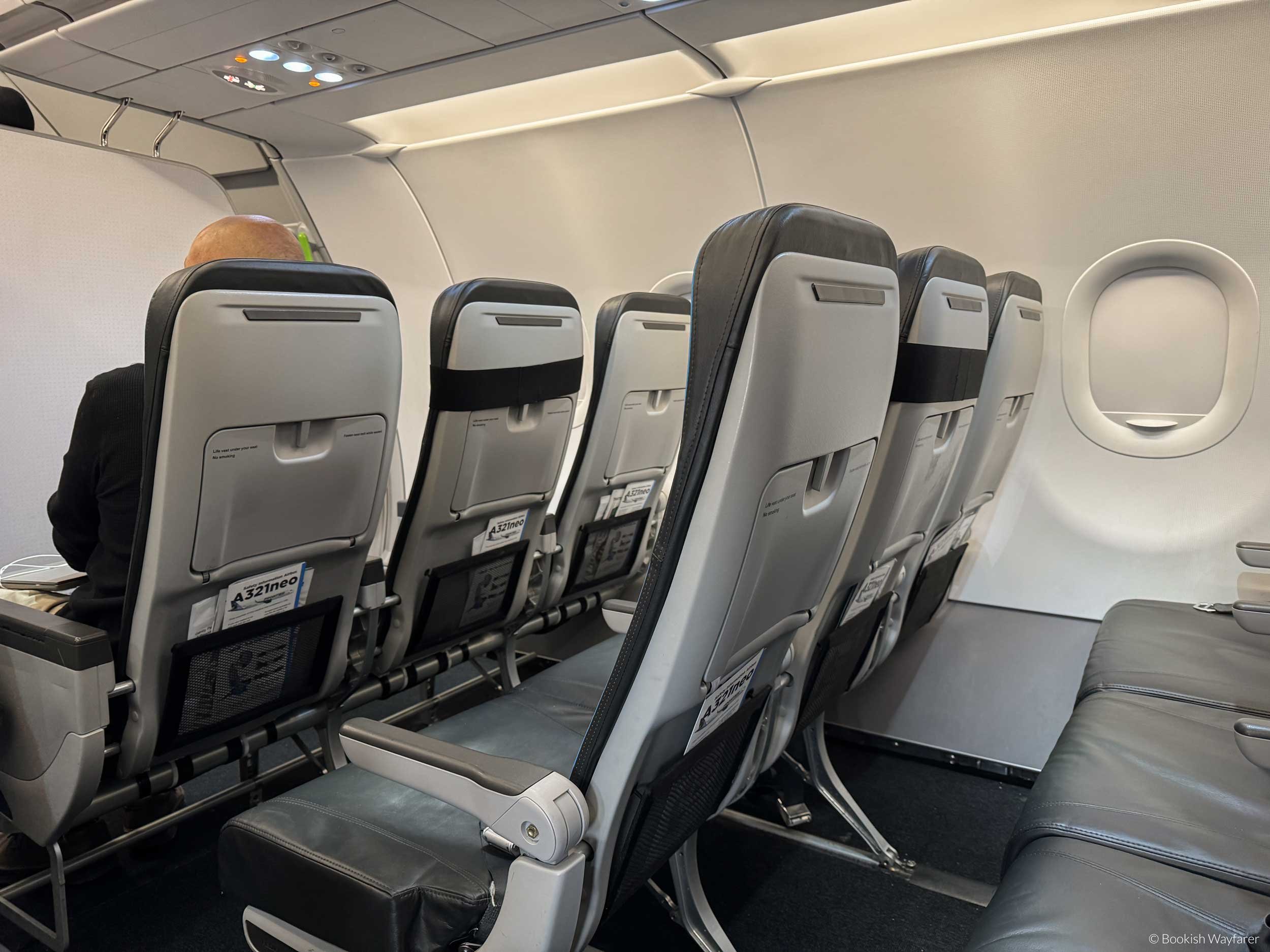
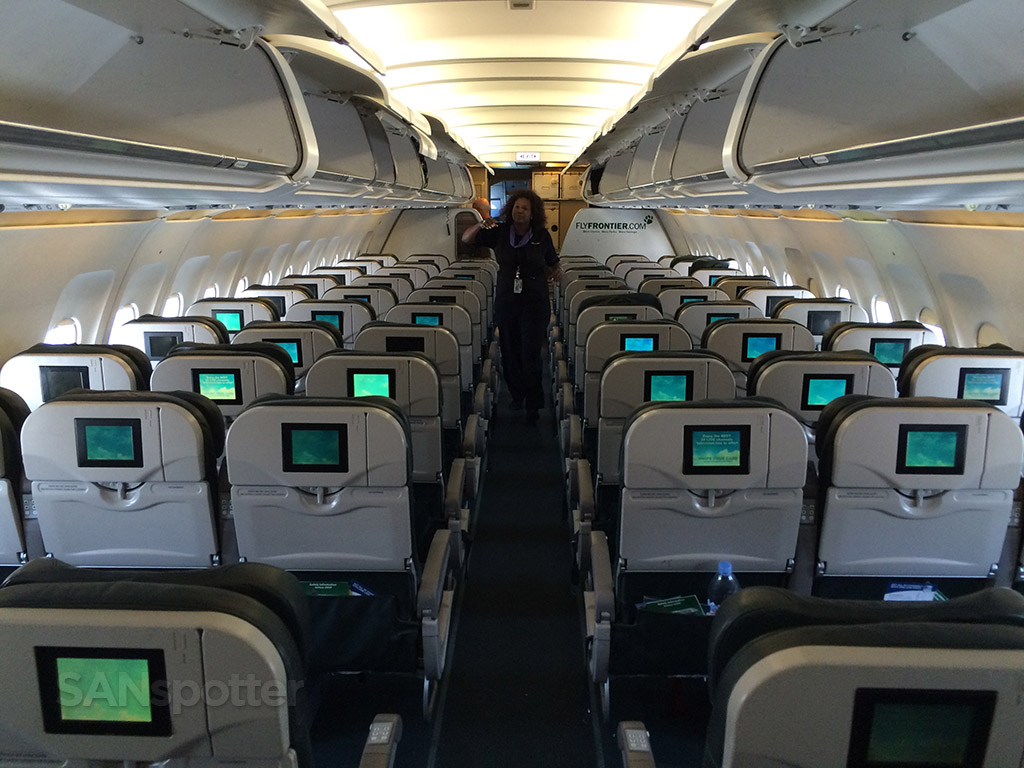
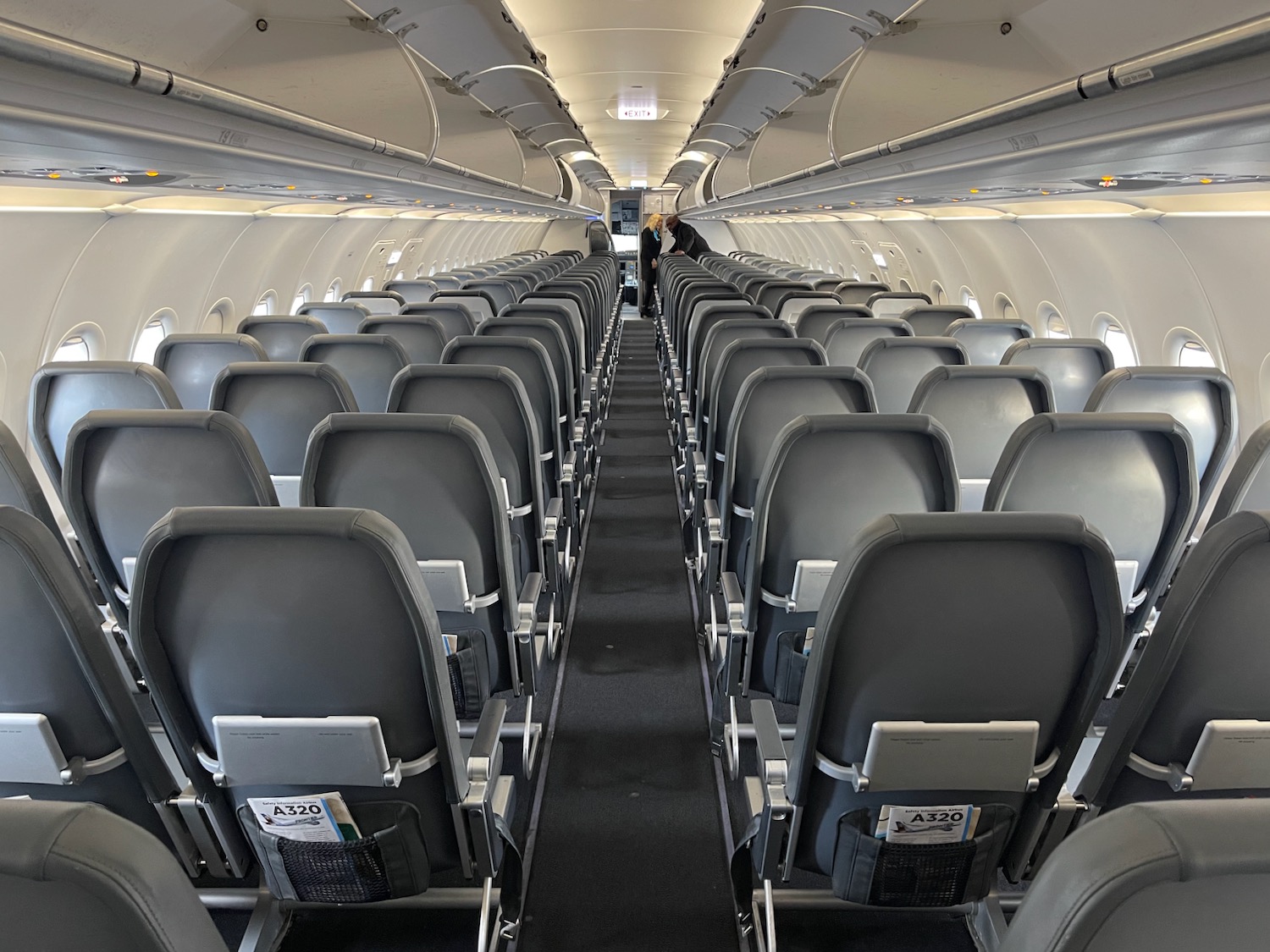
Frontier’s aggressive order of new aircraft is a key component of its corporate identity. A new plane isn’t just a tool; it’s a brand promise of reliability and cleanliness. For a budget carrier, having the “youngest fleet in the sky” is a powerful counter-narrative to the idea that low prices equal old, unsafe, or dirty equipment. The shiny, modern cabins with slimline seats are designed to communicate efficiency and modernity, reinforcing the “Greenest Airline” brand pillar.
The Future of Frontier: Navigating a Shifting Market Landscape
As we look at the brand’s trajectory, Frontier is at a crossroads. The failed merger with Spirit Airlines and the subsequent competitive shifts have forced Frontier to double down on its unique brand identity.
Sustainability as a Permanent Brand Pillar
Expect to see Frontier lean even harder into its environmental credentials. As SAF (Sustainable Aviation Fuel) becomes more prominent, Frontier will likely use its brand platform to educate consumers on why high-density flying is the most sustainable way to travel. This moves the brand from being a “budget choice” to being a “responsible choice,” a powerful psychological shift for the modern consumer.
The Role of Technology in Brand Experience
The Frontier app is increasingly becoming the face of the brand. From mobile check-in to automated bag drops, the airline is using technology to remove human friction points—and human costs. For the tech-savvy traveler, this seamless, digital-first experience is a brand benefit. For the less tech-literate, it can be a brand barrier. The future of Frontier’s brand health will depend on how well they can balance this “high-tech, low-touch” model without losing the human connection that the animals on their tails seek to establish.
In summary, Frontier Airlines is a brand in a state of calculated evolution. It is no longer just the “cheap airline” with the animals on the tail. It is a sophisticated, data-driven brand that is attempting to bridge the gap between ultra-low costs and consumer-friendly transparency. By focusing on sustainability, fleet modernization, and tiered value bundles, Frontier is redefining what it means to be a budget carrier in the 21st century. Whether they can fully overcome the “low-cost” stigma remains to be seen, but their strategic commitment to a clear, differentiated brand identity makes them one of the most interesting corporate case studies in the sky today.
aViewFromTheCave is a participant in the Amazon Services LLC Associates Program, an affiliate advertising program designed to provide a means for sites to earn advertising fees by advertising and linking to Amazon.com. Amazon, the Amazon logo, AmazonSupply, and the AmazonSupply logo are trademarks of Amazon.com, Inc. or its affiliates. As an Amazon Associate we earn affiliate commissions from qualifying purchases.