
In the realm of personal finance, travel is often one of the most significant discretionary expenses a household or individual manages. Within that category, domestic airfare represents a volatile variable that can either erode a monthly budget or, when managed strategically, offer substantial savings that can be redirected toward investments, debt repayment, or higher-quality experiences at the destination. Understanding when to book domestic flights is not merely a matter of luck; it is a discipline of financial timing, data analysis, and an understanding of the economic principles that govern the aviation industry.

For the budget-conscious traveler and the financially savvy individual, mastering the “booking window” is akin to timing a market entry. While the fluctuations of airline pricing can seem chaotic, they follow predictable patterns rooted in yield management and consumer behavior. This guide explores the financial mechanics of domestic airfare and provides a roadmap for optimizing your travel expenditures.
The Economics of Airfare: Understanding Why Prices Fluctuate
To save money on domestic flights, one must first understand how airlines price their inventory. Airlines do not use static pricing; instead, they employ sophisticated “Yield Management” systems. This is a variable pricing strategy based on anticipating and influencing consumer behavior to maximize revenue from a fixed, time-limited resource—the seats on a plane.
Supply and Demand Dynamics
At its core, airfare is a commodity subject to the laws of supply and demand. However, unlike physical goods, an airline seat is a “perishable” asset. Once a flight takes off, any empty seat represents a permanent loss of potential revenue. Consequently, airlines adjust prices in real-time to ensure that the plane is as full as possible while squeezing the highest possible “yield” (price per mile) from each passenger.
From a financial perspective, demand peaks during holidays, summer vacations, and major sporting events. Conversely, demand troughs occur during the “shoulder seasons”—typically mid-January through early March and late September through early November. By aligning your travel schedule with these periods of lower demand, you are essentially purchasing a commodity when it is undervalued, representing a significant win for your personal balance sheet.
The Role of Dynamic Pricing Algorithms
Airlines use complex algorithms that monitor booking velocity. If a flight is filling up faster than historical norms, the algorithm automatically moves the remaining seats into a higher “fare bucket.” Conversely, if seats are lagging, the price may drop—though this is rarer as the departure date approaches.
Understanding this allows the traveler to view flight booking as a data-driven exercise. You are not just buying a ticket; you are navigating a financial ecosystem designed to capture as much of your capital as possible. To win, you must understand the rules of the algorithm.
Timing Your Purchase for Maximum Financial Efficiency
The most common question in travel finance is: “How many days in advance should I book?” While there is no magic number that guarantees the absolute bottom price, historical data points to a specific “Goldilocks Window” where the probability of securing a low fare is highest.
The “Goldilocks Window” for Domestic Routes
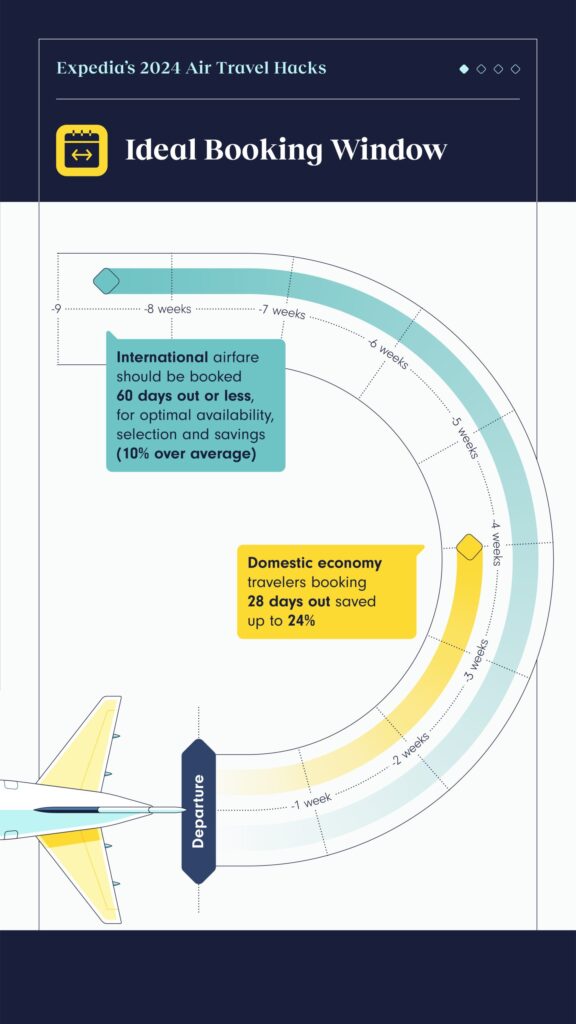
For domestic travel within the United States, the financial sweet spot generally falls between 28 and 60 days before departure. During this window, airlines have a clear enough picture of their remaining inventory to begin adjusting prices to fill the cabin, but they are not yet in the “desperation phase” associated with last-minute business travelers who are price-insensitive.
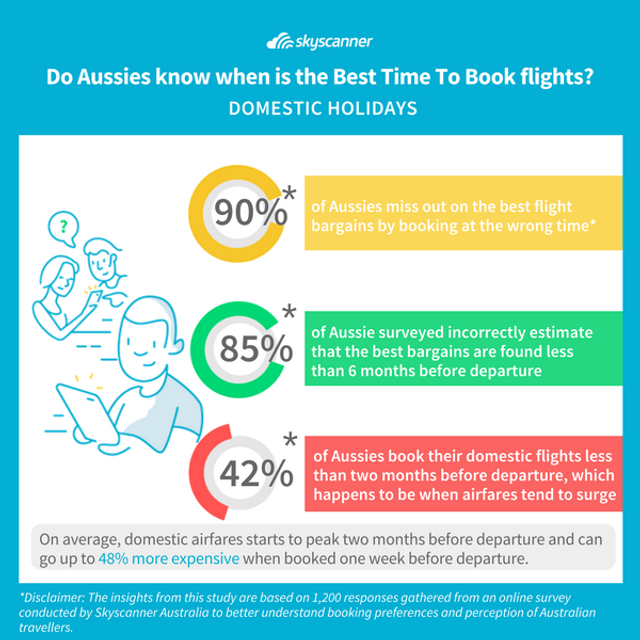
Booking too early (six months or more in advance) often results in paying a premium for the “insurance” of having a locked-in seat. Airlines tend to set initial prices conservatively high. Conversely, booking within 21 days of departure triggers a significant price hike. This is because airlines know that travelers booking within three weeks are often doing so out of necessity (business, family emergencies) and are willing—or forced—to pay a premium. From a wealth-management perspective, the 21-day mark is the “red line” where the ROI on your travel spend begins to plummet.
Seasonal Variations and Holiday Premiums
The financial rules of booking change during high-volume periods. For Thanksgiving, Christmas, and mid-summer travel, the “Goldilocks Window” shifts significantly earlier. Because the demand for these dates is guaranteed to be high, airlines have no incentive to lower prices as the date nears.
If you are planning domestic travel for a major holiday, the most fiscally responsible move is to book as soon as your dates are firm, often 4 to 6 months in advance. Waiting for a “deal” during peak season is a high-risk strategy that rarely yields a positive financial outcome. In these instances, the goal is not to find the absolute lowest price ever recorded, but to avoid the astronomical surge pricing that occurs in the final weeks.
Strategic Tools and Financial Tactics for Travel Budgeting
Managing travel costs effectively requires the use of modern financial tools and a disciplined approach to capital allocation. Just as an investor uses stop-loss orders or limit orders, a traveler should use technology to automate their savings strategy.
Leveraging Fare Alerts and Aggregators
Manually checking flight prices daily is an inefficient use of time—which is itself a financial asset. Utilizing price tracking tools allows you to set a “target price” based on historical averages for a specific route. When the algorithm drops the price into your target range, you receive a notification, allowing you to execute the purchase immediately.
This “limit order” approach to travel removes the emotional component of booking. It prevents the “fearing of missing out” (FOMO) that often leads to overpaying. By deciding in advance what a flight is worth to your budget, you maintain control over your cash flow.
Credit Card Rewards and Point Optimization
For those who manage their credit responsibly, the strategic use of travel-reward credit cards can reduce the net cost of a domestic flight to nearly zero. The “Money” aspect of this involves calculating the “cents per point” (CPP) value.
If a domestic flight costs $400 cash or 25,000 miles, the value is 1.6 cents per mile. If your baseline for point redemption is 2.0 cents per mile, paying cash might actually be the better financial move, saving your points for high-value international redemptions later. Evaluating travel as a choice between liquid cash and points inventory is a sophisticated way to manage your overall net worth.
Avoiding Common Financial Pitfalls in Flight Booking
In the pursuit of the lowest “sticker price,” many travelers fall into traps that actually increase their total expenditure. A truly savvy financial approach looks at the “Total Cost of Ownership” for a flight, not just the base fare.
The Hidden Costs of Last-Minute Booking
We have established that booking within 21 days is expensive, but the financial damage goes beyond the ticket price. Last-minute bookings often result in poor seat selection, which might lead to paying extra for “preferred” seating just to sit with a companion. Additionally, the lack of flexibility in a tight window often forces travelers into suboptimal flight times, potentially necessitating an extra night in a hotel or expensive ground transportation options.
Ancillary Fees and Total Cost of Ownership
The rise of “Basic Economy” has changed the financial landscape of domestic travel. These fares are designed to appear at the top of search results due to their low price, but they often exclude carry-on bags, seat selection, and the ability to change the flight.
A $150 Basic Economy ticket can quickly become more expensive than a $220 Main Cabin ticket once you add a $35 checked bag fee each way and $20 for a seat assignment. When comparing flights, create a spreadsheet that includes all ancillary costs. The “cheapest” flight is often not the most economical choice when all variables are considered.
Building a Long-Term Travel Savings Strategy
Ultimately, knowing when to book domestic flights is about integrating travel into your broader financial plan. Instead of treating flights as an emergency expense or a sporadic impulse, treat them as a recurring line item in your budget.
By setting aside a fixed amount each month into a “travel sinking fund,” you ensure that when the “Goldilocks Window” opens and the price alert hits your inbox, the capital is already available. This prevents the need to carry a balance on a high-interest credit card, which would negate any savings found through savvy booking.
In conclusion, domestic flight booking is a game of patience, data, and timing. By understanding the 28-60 day window, avoiding the 21-day surge, and accounting for the total cost of ancillary fees, you can significantly reduce your travel overhead. This disciplined approach ensures that your money works for you, allowing you to see more of the country without compromising your long-term financial goals. Mastery of these timing strategies is a hallmark of the financially literate traveler, turning a complex marketplace into a predictable and manageable part of a successful financial life.
aViewFromTheCave is a participant in the Amazon Services LLC Associates Program, an affiliate advertising program designed to provide a means for sites to earn advertising fees by advertising and linking to Amazon.com. Amazon, the Amazon logo, AmazonSupply, and the AmazonSupply logo are trademarks of Amazon.com, Inc. or its affiliates. As an Amazon Associate we earn affiliate commissions from qualifying purchases.