
Planning a journey to the Land of the Rising Sun is more than just a cultural aspiration; for the financially conscious traveler, it is a significant budgetary exercise. Japan consistently ranks as one of the most desired travel destinations globally, but the cost of entry—specifically the airfare—remains a primary variable in any personal finance plan. Understanding how much a round trip flight to Japan costs requires an analysis of market cycles, currency fluctuations, and the strategic use of financial tools to ensure that your travel investment yields the highest possible return.

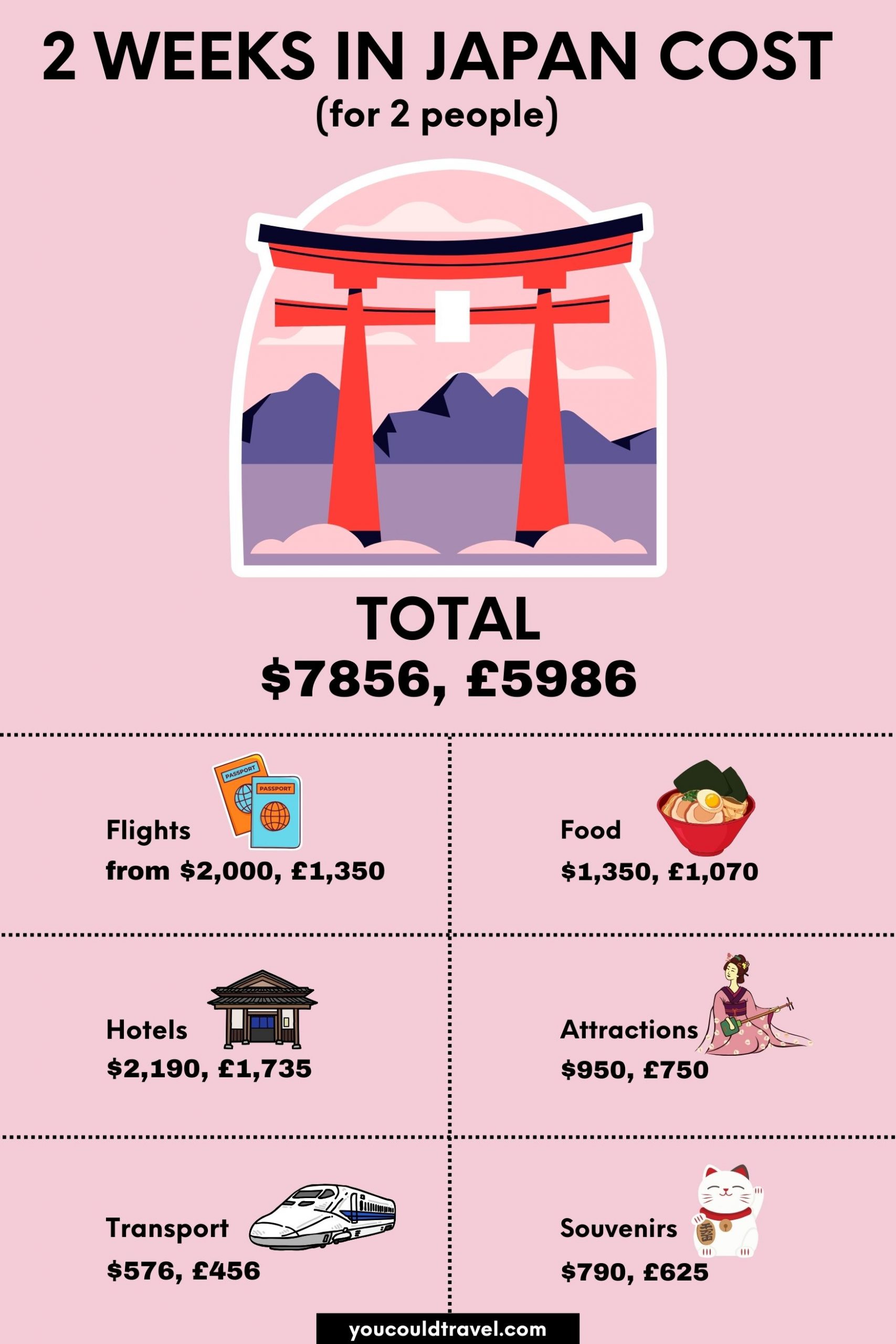
From a personal finance perspective, a flight to Japan is often the largest single line item in a travel budget. Depending on your departure point, the timing of your purchase, and your tolerance for layovers, costs can swing by thousands of dollars. This guide breaks down the financial components of securing a round-trip ticket, offering strategies to minimize capital outlay while maximizing the value of your experience.
Understanding the Variable Costs of Airfare to Japan
Airfare is a dynamic commodity. Unlike fixed-price consumer goods, the price of a flight to Tokyo or Osaka fluctuates based on supply-demand economics, global oil prices, and seasonal trends. To effectively budget, one must categorize these costs into predictable tiers.
Peak vs. Off-Peak Pricing Cycles
The timing of your trip is the most significant determinant of price. From a financial planning standpoint, traveling during peak seasons requires a significantly higher “sinking fund” than traveling during the shoulder or off-peak months.
-
Peak Season (Late March to May; Late July to August): This coincides with the cherry blossom season and summer holidays. During these windows, a round-trip economy ticket from North America or Europe can easily range from $1,500 to $2,200. Financially, you are paying a premium for climate and cultural events.
-
Shoulder Season (September to November): Autumn in Japan is spectacular and often more affordable. Prices generally stabilize between $1,000 and $1,400. This represents the best “value for money” for travelers looking to balance experience with cost-efficiency.
-
Off-Peak Season (January to early March): Excluding the Lunar New Year, winter is the most economical time to fly. Savvy budgeters can find round-trip fares as low as $700 to $900. If your financial goal is strictly cost-minimization, this is the window to target.
The Impact of Airline Class Tiers on Your Bottom Line
When assessing how much to allocate for a flight, you must decide which “product” you are purchasing. In the world of business finance, this is a matter of resource allocation.
-
Economy Class: The baseline for most travelers. Costs fluctuate between $800 and $1,600.
-
Premium Economy: Often priced at 1.5x to 2x the cost of standard economy. From a financial perspective, this tier is often hard to justify unless the flight duration exceeds 10 hours and the traveler prioritizes physical readiness upon arrival as a “productivity” hedge.
-
Business Class: Ranging from $3,500 to $8,000+. This is a luxury expenditure that requires significant discretionary income or a highly optimized points strategy.
-
First Class: Frequently exceeding $15,000, this tier is generally outside the scope of traditional personal budgeting and is reserved for high-net-worth individuals or those utilizing massive amounts of accumulated credit card rewards.
Strategic Financial Planning for Your Japan Trip
Securing a flight to Japan should not be a reactive purchase. It should be a strategic financial move. By utilizing specific financial strategies, you can reduce the effective cost of your ticket.
Leveraging Travel Arbitrage and Credit Card Points
One of the most effective ways to offset the cost of a flight to Japan is through the strategic use of “Travel Arbitrage.” This involves earning high-value rewards points through disciplined credit card spending and redeeming them for maximum “cents per point” (CPP) value.
For example, a round-trip Business Class ticket to Japan on All Nippon Airways (ANA) might cost $6,000 in cash. However, that same seat can often be booked for 75,000 to 95,000 points through partner programs. If you earned those points through daily spending or sign-up bonuses, the “real-world” cost of your ticket is essentially the taxes and fees (often $400-$600). This represents a massive return on investment (ROI) compared to paying cash.
Sunk Costs vs. Flexible Travel Windows
In financial terms, a fixed-date flight is a “price-taker” scenario—you must pay whatever the airline demands for that specific date. To move into a “price-maker” position, you must introduce flexibility. Using tools like Google Flights’ price tracking allows you to monitor the “Mean Price” of a route over time. By setting a “buy price”—a predetermined amount you are willing to pay based on historical data—you can execute the purchase when the market dips, rather than when your calendar dictates.
Beyond the Ticket: Hidden Costs and Currency Considerations
The cost of the flight is the entry fee, but a holistic financial view requires looking at the “Total Cost of Ownership” of the journey. This includes the fees associated with the ticket and the economic environment of the destination.
Navigating the JPY/USD Exchange Rate
While the flight is often priced in your home currency, the value of that flight is intrinsically linked to the purchasing power you have once you land. The Japanese Yen (JPY) has experienced significant volatility in recent years. For a traveler from the United States or Europe, a strong home currency means that while the flight might feel expensive, the “ground costs” (hotels, food, transport) are effectively discounted.
When budgeting for your flight, consider the “Net Trip Cost.” If the flight is $200 more than your budget but the Yen is at a 20-year low, the savings you realize on the ground may more than offset the higher airfare. Conversely, if the Yen is strong, you must be even more aggressive in finding a cheap flight to maintain your overall budget.
Understanding Surcharges and Taxes
The sticker price of a flight often hides “YQ” (fuel surcharges) and various international departure taxes. When comparing airlines like Japan Airlines (JAL) or ANA against budget carriers or United/Delta, always look at the final checkout screen. Some airlines pass on hundreds of dollars in fuel surcharges that aren’t immediately visible in the initial search results. In a personal finance context, these are “hidden fees” that can erode your travel fund.
Maximizing ROI on Your Travel Investment
Travel is an investment in personal growth, but it should still be managed with the rigor of a financial portfolio. To get the most “yield” from your flight expenditure, you should employ modern financial tools and logical frameworks.
Using Financial Tools to Track Price Drops
Automated price monitoring is the equivalent of a “limit order” in the stock market. Services like Hopper or Skyscanner allow you to set alerts. From a behavioral finance perspective, this removes the emotional urge to “panic buy” when you see prices tick up slightly. By relying on data-driven alerts, you ensure that you are buying in the bottom quartile of historical pricing.

The Long-term Value of Smart Travel Spending
Ultimately, the question of “how much is a round trip flight to Japan” is answered by your willingness to plan ahead. A traveler who saves $500 on their flight through diligent tracking and points usage has essentially funded their entire dining budget for a week in Tokyo.
To optimize your travel finances:
-
Start a Dedicated Sinking Fund: Allocate a specific monthly amount toward your Japan flight at least 12 months in advance.
-
Monitor Currency Trends: Pay attention to the JPY/USD or JPY/EUR exchange rates to time your larger bookings (like hotels) alongside your flight.
-
Evaluate the Opportunity Cost: Sometimes, a $200 cheaper flight involves two layovers and 10 extra hours of travel. If your “hourly rate” (how you value your time) is higher than the $20 saved per hour of travel, the cheaper flight is actually a poor financial decision.
By treating your flight to Japan as a strategic purchase rather than a necessary expense, you can navigate the complexities of international travel pricing with professional-grade financial discipline. Whether you are paying $800 for an economy seat or utilizing 100,000 points for a luxury cabin, the goal remains the same: maximizing the value of every dollar spent on the journey.
aViewFromTheCave is a participant in the Amazon Services LLC Associates Program, an affiliate advertising program designed to provide a means for sites to earn advertising fees by advertising and linking to Amazon.com. Amazon, the Amazon logo, AmazonSupply, and the AmazonSupply logo are trademarks of Amazon.com, Inc. or its affiliates. As an Amazon Associate we earn affiliate commissions from qualifying purchases.