
Planning a journey to the Land Down Under is rarely a spontaneous financial decision. Due to its geographic isolation and the sheer distance from major global hubs in North America and Europe, Australia represents one of the most significant line items in any traveler’s annual budget. For the financially conscious traveler or the business professional, understanding the nuances of transcontinental airfare pricing is essential for effective capital allocation.
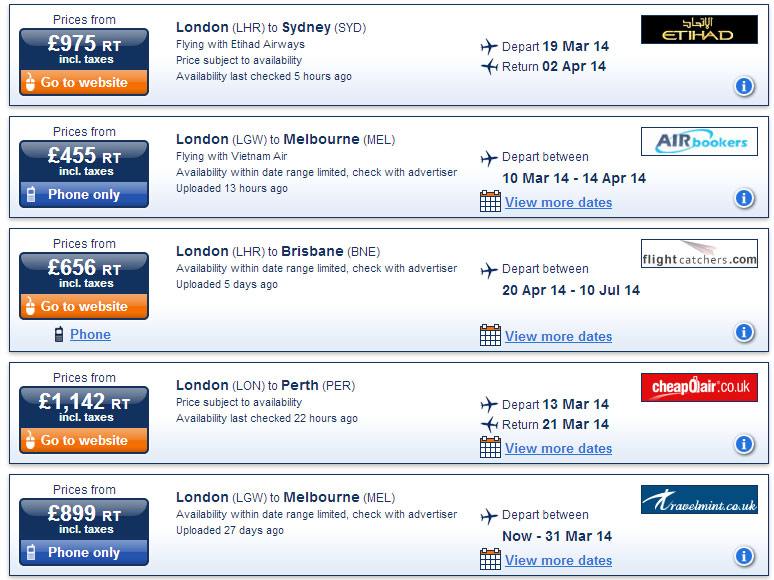
A plane ticket to Australia typically ranges from $1,100 to over $15,000, depending on the class of service, the point of origin, and the timing of the purchase. To navigate these costs, one must look beyond the sticker price and analyze the underlying economic factors that drive the aviation market in the Southern Hemisphere.
The Financial Breakdown of Long-Haul Travel Costs
The cost of a ticket to Australia is not a static figure; it is a dynamic price point influenced by global economic shifts and airline revenue management systems. For those departing from the United States or Europe, the journey often involves 14 to 24 hours of flight time, necessitating high fuel consumption and significant operational overhead for the airline.
Economy Class: The Baseline Investment
For the budget-conscious traveler, Economy Class represents the entry point. Prices from the West Coast of the U.S. (Los Angeles or San Francisco) generally fluctuate between $1,100 and $1,800 for a round-trip ticket. Travelers departing from the East Coast (New York or Boston) or London can expect to pay a premium, with prices often starting at $1,400 and climbing toward $2,200 during peak periods.
Premium Economy and Business Class: The High-End Outlay
For those prioritizing comfort and productivity, the financial leap is substantial. Premium Economy serves as a middle ground, typically costing between $3,000 and $5,000. However, the real jump occurs in Business Class, where tickets frequently range from $7,000 to $12,000. For top-tier carriers like Qantas, Singapore Airlines, or Emirates, First Class suites can exceed $20,000. From a personal finance perspective, these purchases are often justified only through corporate sponsorship or the strategic use of high-value credit card rewards.
Factors Influencing Transcontinental Airfare Pricing
Understanding why a ticket costs $1,200 one week and $2,500 the next requires an analysis of market variables. Airlines use sophisticated AI-driven yield management systems to maximize revenue per seat, adjusting prices in real-time based on supply and demand.
Seasonality and Demand Cycles
The Australian calendar is inverted relative to the Northern Hemisphere. The peak demand period occurs during the Australian summer (December through February). Travelers looking to visit during the Christmas and New Year period will encounter the highest prices of the year, as demand from both tourists and expatriates returning home surges. Conversely, the “shoulder seasons”—specifically October to November and March to April—offer a more favorable cost-to-value ratio. The Australian winter (June to August) is technically the “off-peak” season, where prices are lowest, though flights to northern Australia (where the weather remains tropical) may still command a premium.
Fuel Markets and Geopolitical Variables
Aviation fuel is the single largest operating expense for airlines. Because of Australia’s distance from other continents, fuel price volatility has a disproportionate impact on ticket prices for this region. When global crude oil prices rise, airlines often implement fuel surcharges that can add several hundred dollars to a transcontinental fare. Additionally, the geopolitical landscape affects flight paths; for example, the closure of certain airspaces can force longer routes, increasing fuel burn and, subsequently, the ticket price.
Airport Taxes and Regulatory Fees
Australia is known for its stringent biosecurity and high airport infrastructure costs. Ticket prices include various “hidden” costs, such as the Passenger Movement Charge (PMC) and various local airport service fees. These government-mandated taxes can account for $100 to $200 of the total ticket price, a fixed cost that remains regardless of how “cheap” the base fare might be.
Strategic Budgeting and Timing for International Flights

From a financial planning perspective, the goal is to minimize the “cost of acquisition” for the ticket. This requires a combination of early capital commitment and the use of modern financial tools.
The “Golden Window” for Procurement
Data analysis of historical flight prices suggests that for ultra-long-haul flights like those to Australia, the optimal booking window is generally six to eight months in advance. Booking too early (more than 11 months out) often results in paying “default” high prices before airlines begin their promotional cycles. Conversely, booking less than 60 days before departure puts the buyer at the mercy of “last-minute” business travelers whose companies are less sensitive to price.
The Role of Currency Fluctuations
For international travelers, the strength of the Australian Dollar (AUD) against the U.S. Dollar (USD) or the Euro (EUR) is a critical factor. If the AUD is weak, local expenses in Australia will be cheaper, but the ticket price (if purchased through an Australian carrier like Qantas) may fluctuate based on the currency in which the transaction is settled. Savvy travelers often monitor exchange rates and use credit cards with no foreign transaction fees to optimize their spending.
Financial Tools and Hacks to Lower Your Travel Expenses
In the modern era of personal finance, there are several levers one can pull to mitigate the high cost of traveling to Australia.
Utilizing Comparison Engines and AI Alerts
Tools like Google Flights and Skyscanner are essential for benchmarking prices. By setting up price alerts, a traveler can monitor the market for “error fares” or sudden promotional drops. Often, these price drops last for less than 48 hours, requiring the traveler to have the necessary liquidity ready to move on a deal immediately.
Points Arbitrage and Reward Strategies
One of the most effective ways to reduce a $1,500 ticket to nearly $0 (plus taxes) is through the strategic use of credit card points. Programs such as American Express Membership Rewards, Chase Ultimate Rewards, and Capital One Venture Miles allow users to transfer points to airline partners.
-
Transfer Partners: Transferring points to programs like Aeroplan (Air Canada) or Avios (British Airways) can sometimes unlock “award seats” on partner airlines like United or Qantas for a fraction of the retail cost.
-
The Sign-up Bonus Strategy: A single sign-up bonus from a premium travel credit card can often cover the bulk of a round-trip economy ticket to Australia, turning a major financial burden into a manageable one.
Stopovers and Multi-City Itineraries
Direct flights from the U.S. to Australia (e.g., LAX to SYD) are convenient but often the most expensive. From a financial optimization standpoint, it is often cheaper to book a flight with a stopover in hubs like Suva (Fiji Airways), Auckland (Air New Zealand), or various Asian hubs like Singapore, Hong Kong, or Tokyo. While this increases travel time, the savings can be upwards of $400 to $600 per person.
Investing in Experiences: The Value Proposition of Australian Travel
When analyzing the “cost” of a plane ticket to Australia, it is helpful to view the expense through the lens of return on investment (ROI). While the initial outlay is high, the cost-per-hour of the experience often stabilizes when compared to shorter, more frequent domestic trips.
Cost-Benefit Analysis of Duration
Because the flight is the most significant expense, the “daily cost” of the trip decreases the longer one stays in the country. A traveler spending $1,500 on a ticket for a one-week stay is paying $214 per day just for transportation. Extending that stay to three weeks drops the transportation cost to approximately $71 per day. From a financial efficiency standpoint, Australia is a destination that rewards longer stays.
The Impact of Modern Competition
The entry of more carriers into the Australian market has helped stabilize prices. Increased competition from United Airlines and the expansion of routes by Delta and American Airlines have broken the historical duopoly of Qantas and Virgin Australia on certain routes. This market competition is the consumer’s greatest ally, forcing airlines to offer more competitive pricing and better amenities to justify their fare structures.
In conclusion, while a plane ticket to Australia represents a substantial financial commitment, it is a manageable expense for those who apply rigorous financial strategies. By understanding the cycles of supply and demand, leveraging financial technology and rewards programs, and timing the market with precision, travelers can secure their passage to the Southern Hemisphere without compromising their long-term financial health. The cost of the ticket is not just a price for transport; it is the capital required to access one of the world’s most unique and vibrant economic and cultural landscapes.
aViewFromTheCave is a participant in the Amazon Services LLC Associates Program, an affiliate advertising program designed to provide a means for sites to earn advertising fees by advertising and linking to Amazon.com. Amazon, the Amazon logo, AmazonSupply, and the AmazonSupply logo are trademarks of Amazon.com, Inc. or its affiliates. As an Amazon Associate we earn affiliate commissions from qualifying purchases.