
In the realm of personal finance, travel is often viewed as a discretionary expense that can quickly erode a well-structured budget. However, for the financially savvy individual, airfare is not a fixed cost but a variable commodity subject to market fluctuations, algorithmic pricing, and strategic acquisition. Understanding where to purchase cheap flights is less about finding a “secret website” and more about mastering the financial ecosystems that govern the aviation industry. To optimize your travel budget, one must approach flight procurement with the same analytical rigor applied to stock market investments or real estate acquisitions.
The Economics of Modern Airfare Procurement
Before identifying specific platforms, it is essential to understand the underlying fiscal mechanics of the airline industry. Airlines utilize sophisticated yield management systems—dynamic pricing algorithms that adjust fares in real-time based on demand, inventory, and historical data. For the consumer, this means the price of a seat is rarely tied to the actual cost of operating the flight, but rather to the maximum amount a passenger is willing to pay at a specific moment.
Understanding Dynamic Pricing and Market Volatility
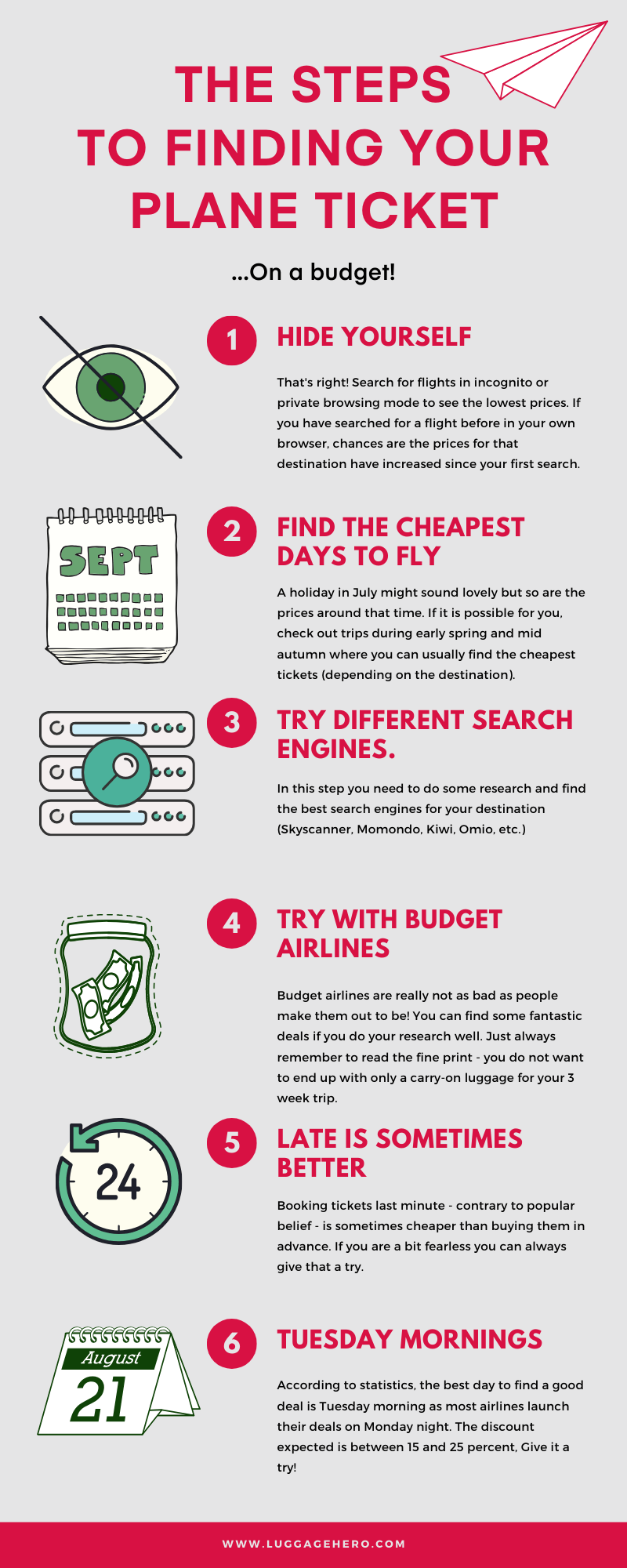
Airfare is one of the few consumer goods where the price can fluctuate by several hundred percent within a 24-hour window. This volatility creates an opportunity for “price arbitrage” for those who understand the timing. Historically, conventional wisdom suggested booking on a Tuesday or Wednesday to find the lowest rates. In the modern era of high-frequency algorithmic adjustments, this rule has largely been debunked. Instead, the focus has shifted to the “booking window”—the optimal period before departure when prices typically bottom out. For domestic flights, this is generally 28 to 60 days in advance, while international routes require a lead time of three to six months.
The Role of Hub-and-Spoke Financials
Airlines operate on a hub-and-spoke model, which significantly impacts pricing. Flying into a major global hub (like London Heathrow or Singapore Changi) is often more expensive due to high landing fees and demand. From a financial perspective, it is often more cost-effective to fly into a “secondary” airport or a nearby city and utilize regional low-cost carriers or rail networks to reach the final destination. This strategy, known as “geographic arbitrage,” allows travelers to bypass the premium pricing of primary international gateways.
Primary Digital Marketplaces and Aggregators
When determining where to purchase cheap flights, the digital landscape is divided into three main categories: metasearch engines, online travel agencies (OTAs), and direct carrier portals. Each serves a specific financial function.
Google Flights: The Analytical Gold Standard
For the data-driven traveler, Google Flights is the most powerful tool for price discovery. Unlike many OTAs, Google Flights is a metasearch engine that aggregates data directly from airline APIs without adding its own service fees. Its primary value lies in its transparency and speed. Features such as the “Price Graph” and “Date Grid” allow users to visualize price fluctuations over time, enabling them to make informed decisions about when to fly based on cost-efficiency rather than just convenience. From a personal finance perspective, Google’s “Price Tracking” feature acts as a limit order, notifying the user when the “asset” (the flight) hits their target price.
Skyscanner and the Power of Unfiltered Data
While Google Flights is excellent for legacy carriers, Skyscanner often excels at capturing the pricing of smaller, regional low-cost carriers (LCCs) that may not share their data with larger platforms. For those looking to minimize capital expenditure on short-haul routes, Skyscanner’s “Everywhere” search feature is a premier tool for budget allocation. It allows the user to see the cheapest destinations from their home airport, allowing the budget to dictate the destination—a cornerstone of flexible financial planning.
The Hidden Risks of Third-Party OTAs
Platforms like Expedia, Orbitz, and smaller discount sites (OTAs) often offer fares that appear lower than direct airline prices. However, from a risk management perspective, these can be liabilities. When you purchase through an OTA, the OTA “owns” the ticket until the day of travel. If a flight is canceled or a refund is required, the passenger is often caught in a bureaucratic loop between the airline and the agency. For a slight premium, booking directly with the airline provides better consumer protection and easier recourse for recouping funds, which is a vital consideration in long-term financial stability.
Leveraging Financial Products and Credit Arbitrage
One of the most effective ways to “purchase” cheap flights is to move away from cash transactions entirely. The strategic use of travel rewards credit cards and loyalty programs represents a form of credit arbitrage where everyday spending is converted into high-value travel assets.

Maximizing Value Through Transferable Points
Sophisticated travelers focus on earning “transferable points” rather than miles tied to a single airline. Programs like Chase Ultimate Rewards, American Express Membership Rewards, and Capital One Venture Miles allow users to move their points to various airline partners. This flexibility is key to finding value. For example, a flight that costs $1,200 in cash might be available for 60,000 points. If those points were earned through routine business expenses or sign-up bonuses, the “cost” of the flight is effectively decoupled from the user’s liquid cash reserves.
Calculating the Cents Per Point (CPP) Metric
In the world of travel finance, the Cents Per Point (CPP) metric is the standard for determining if a redemption is a good “investment.” To calculate CPP, subtract any taxes and fees from the cash price of the ticket, then divide that number by the points required. A redemption above 2.0 CPP is generally considered an excellent use of financial resources, whereas a redemption below 1.0 CPP suggests that paying cash might be the more prudent fiscal choice.
Elite Status and Ancillary Cost Reduction
When calculating the true cost of a flight, one must include ancillary fees: baggage, seat selection, and lounge access (which offsets meal costs). High-tier credit cards often provide these benefits as built-in features. By utilizing a card that offers a “travel credit” or “fee reimbursement,” a traveler can reduce the total cost of ownership of a flight ticket, effectively lowering the “purchase price” through indirect subsidies.
Advanced Strategies for Cost Minimization
For those willing to invest more time into the research phase, several advanced tactics can yield significant financial savings.
Positioning Flights and Multi-City Routing
Often, the cheapest long-haul flights do not originate from your local airport. A “positioning flight” is a separate, low-cost ticket purchased to get the traveler to a major hub where a much cheaper international fare is available. For example, a flight from a small Midwestern city to Paris might be $1,100, but a flight from New York to Paris might be $450. If a positioning flight to New York costs $150, the total expenditure is $600, resulting in a 45% savings. This requires careful scheduling to mitigate the risk of missed connections, but the financial upside is substantial.
Hidden-City Ticketing: The Skiplagged Strategy
Hidden-city ticketing occurs when a passenger books a flight with a layover in their actual intended destination and simply exits the airport at the layover point. This is often cheaper than booking a direct flight to that city because of the way airlines price hub-to-hub competition versus hub-to-spoke service. While this can lead to significant immediate savings, it carries risks, including potential bans from airline loyalty programs and the inability to check luggage. From a professional finance standpoint, this is a “high-risk, high-reward” tactic that requires a thorough understanding of airline contracts of carriage.
Seasonal Arbitrage and the Shoulder Season
Market demand for travel is highly cyclical. Traveling during “peak” seasons (summer, major holidays) involves paying a massive premium. Savvy budget managers target the “shoulder season”—the period between peak and off-peak. This typically includes late spring and early autumn. During these windows, the weather is often still favorable, but demand drops significantly, forcing airlines to lower prices to fill seats. Aligning your travel schedule with these market lulls is one of the simplest ways to ensure you are purchasing flights at their lowest possible valuation.
Protecting the Investment: Insurance and Refundability
The final component of purchasing cheap flights is ensuring that your capital is protected. A “cheap” flight becomes incredibly expensive if it is non-refundable and you are unable to travel.
The Value of Travel Insurance
In a volatile global economy, travel insurance acts as a hedge against unforeseen circumstances. While many budget travelers view insurance as an unnecessary add-on, it is essentially a risk-mitigation tool. Many premium credit cards offer built-in trip cancellation and interruption insurance, which provides the protection of a “flexible” ticket without the associated price hike.

Understanding Fare Classes
When purchasing, always look at the “Fare Class” or “Bucket.” Basic Economy is the cheapest entry point but often excludes baggage and changes. For a business traveler or someone with a fluctuating schedule, the “Main Cabin” or “Economy Plus” fare may offer a better return on investment by providing the flexibility to change dates without losing the entire principal investment.
By treating airfare as a financial asset to be managed rather than a simple commodity to be bought, travelers can significantly reduce their annual expenditures. Whether through the use of sophisticated search engines, the strategic deployment of credit card rewards, or the tactical use of positioning flights, the goal remains the same: maximizing the utility of every dollar spent on global mobility.
aViewFromTheCave is a participant in the Amazon Services LLC Associates Program, an affiliate advertising program designed to provide a means for sites to earn advertising fees by advertising and linking to Amazon.com. Amazon, the Amazon logo, AmazonSupply, and the AmazonSupply logo are trademarks of Amazon.com, Inc. or its affiliates. As an Amazon Associate we earn affiliate commissions from qualifying purchases.