
In an increasingly interconnected world, the allure of travel is stronger than ever. Whether for business, leisure, or reconnecting with loved ones, flying has become an integral part of modern life. However, the cost of airfare can often be a significant barrier, transforming a dream trip into a distant fantasy. The good news is that securing affordable flights isn’t merely a matter of luck; it’s an art form rooted in strategic financial planning, keen observation of market dynamics, and the smart application of various booking techniques. This comprehensive guide will demystify the process, empowering you with the knowledge and tools to consistently find and book cheap flights, ensuring your travel budget stretches further without compromising your adventures. By understanding the intricacies of airline pricing and adopting a proactive approach, you can unlock substantial savings, making your travel aspirations a tangible reality.
Understanding the Dynamics of Flight Pricing
To truly master the art of buying cheap flights, one must first grasp the underlying mechanisms that dictate airfare fluctuations. Airline pricing is a complex, data-driven science, influenced by a multitude of factors that constantly shift. It’s not a static entity but a fluid market where prices can change hourly, daily, or weekly, making an informed approach crucial for any budget-conscious traveler.
The Volatility of Airfares
Imagine a stock market where the value of a single commodity — a seat on an airplane — oscillates wildly based on demand, supply, and a myriad of external pressures. This is precisely what happens with airfares. Airlines employ sophisticated revenue management systems that dynamically adjust prices in real-time. These systems analyze booking patterns, competitor pricing, historical data, and even current events to optimize profit. Consequently, a flight that costs $300 today might be $450 tomorrow and $250 the day after. This volatility means that timing and persistence are paramount; catching a good deal often involves being ready to act when prices dip.
Factors Influencing Price
Several key factors consistently shape the price of an airline ticket. Understanding these can help you anticipate price movements and plan your booking strategy accordingly.
-
Demand: This is perhaps the most significant driver. High demand for a particular route, especially during peak seasons or holidays, invariably leads to higher prices. Conversely, off-peak periods or less popular routes tend to offer better value.
-
Seasonality: Travel seasons play a massive role. Summer holidays, Christmas, New Year’s, and major public holidays typically see a surge in prices due to increased demand. Shoulder seasons (the periods just before and after peak season) often offer a sweet spot of pleasant weather and lower fares.
-
Fuel Costs: Jet fuel is a major operating expense for airlines. Fluctuations in global oil prices can directly impact ticket prices, with airlines passing on increased costs to consumers.
-
Competition: Routes served by multiple airlines tend to have more competitive pricing. When only one or two carriers dominate a route, they have less incentive to lower fares. Monitoring the competitive landscape can provide insight into potential deals.
-
Time of Booking: Airlines often have different price tiers based on how far in advance a ticket is purchased. While booking too early might miss out on last-minute deals, booking too late almost guarantees higher prices as seats fill up. There’s a “sweet spot” that travelers aim for, which we will explore further.
-
Route Popularity & Direct vs. Connecting Flights: Direct flights are almost always more expensive than those with one or more layovers due to the convenience factor. Popular hub airports also tend to have more competitive pricing due to higher traffic and competition.
The Role of Revenue Management Systems
At the heart of airline pricing are advanced revenue management systems. These powerful algorithms continuously analyze hundreds of data points to predict demand and set optimal prices for every seat on every flight. They segment passengers into different price buckets based on their willingness to pay, historical booking behavior, and other demographic data. For instance, a business traveler booking last-minute for a critical meeting might be willing to pay a premium, while a leisure traveler planning months in advance will be more price-sensitive. These systems are designed to maximize revenue for the airline, meaning they aim to fill every flight at the highest possible average fare. Your goal, as a savvy traveler, is to understand how these systems work and to exploit their blind spots or leverage periods when they are incentivized to lower prices.
Strategic Planning for Savings
Finding cheap flights isn’t just about searching at the right time; it’s about adopting a strategic mindset that prioritizes flexibility and foresight. A well-thought-out plan can yield significant financial benefits, turning aspirational travel into achievable journeys.
Best Time to Book
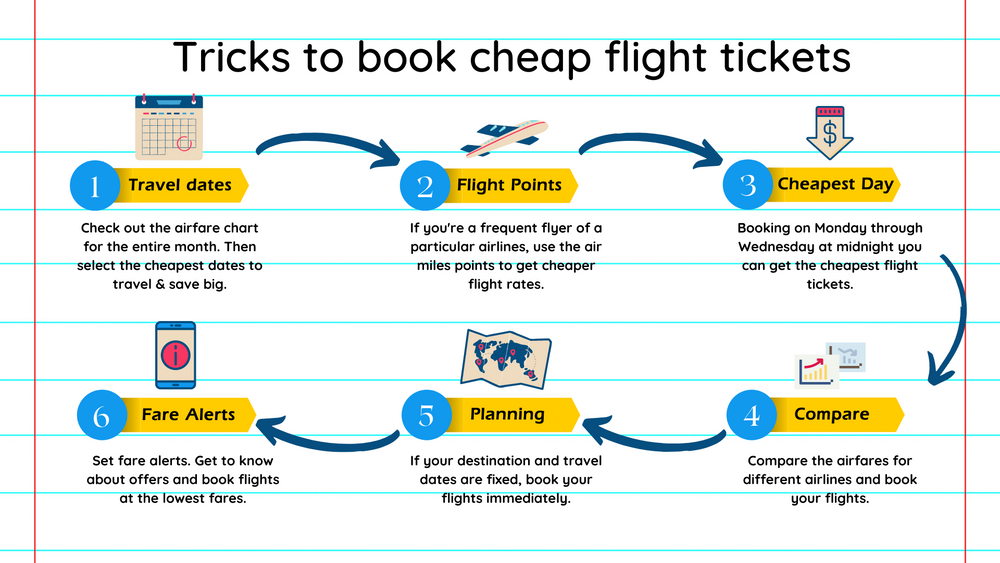
There is a widely debated “golden window” for booking flights. While exact figures can vary by route and airline, general wisdom suggests that booking domestic flights 1 to 3 months in advance and international flights 2 to 8 months in advance often yields the best prices. Booking too early (e.g., a year out) might mean missing out on sales, as airlines haven’t fully finalized their pricing strategies. Booking too late, especially within a few weeks of departure, almost guarantees higher prices as fewer seats remain and demand becomes inelastic. For peak travel times (holidays, summer), extending the booking window to 4-6 months for domestic and 8-12 months for international can be beneficial.
Best Days to Fly
The specific day of the week you choose to fly can dramatically impact your ticket price. Mid-week flights are almost always cheaper than weekend flights.
-
Tuesday, Wednesday, and Thursday are generally the cheapest days to fly. Fewer business travelers are on the road, and leisure travelers often prefer departing on Friday or Saturday.
-
Saturday can sometimes offer lower prices for return flights, particularly for business routes.
-
Friday and Sunday are consistently the most expensive days to fly, driven by weekend leisure and business travel.
Similarly, early morning flights or late-night red-eye flights often present lower fares due to less demand for inconvenient timings.
Flexibility is Key
Perhaps the most potent weapon in a budget traveler’s arsenal is flexibility. The more adaptable you are, the more opportunities you’ll uncover for significant savings.
-
Flexible Dates: Instead of fixating on exact dates, use search engines that allow you to browse prices across a range of days, weeks, or even months (e.g., Google Flights’ calendar view or “flexible dates” option on various platforms). Shifting your departure or return by just a day or two can sometimes save hundreds of dollars.
-
Flexible Airports: Consider flying into or out of alternative airports within a reasonable proximity to your destination. Major cities often have multiple airports, and budget airlines frequently operate out of secondary hubs, offering lower fares. Don’t forget to factor in the cost and time of ground transportation to and from these alternative airports.
-
Flexible Layovers: Direct flights are convenient but come at a premium. Opting for flights with one or more layovers can significantly reduce the cost. Sometimes, a strategically chosen layover can even be an opportunity to briefly explore another city (a “stopover”) at no extra flight cost.
Leveraging Off-Peak Seasons
As mentioned, seasonality heavily influences prices. Traveling during the off-peak or shoulder seasons to your chosen destination can lead to substantial savings on both flights and accommodation. Research the specific destination’s peak tourist seasons and aim to travel just before or after these periods. You’ll often find milder weather, fewer crowds, and dramatically lower prices for airfare. For example, visiting European cities in late autumn or early spring can be significantly cheaper than during the summer peak.
Smart Searching and Booking Techniques
Once you’ve grasped the dynamics of pricing and embraced flexibility, the next step is to apply smart searching and booking techniques. The digital age offers a plethora of tools and strategies to unearth the best deals.
Utilizing Flight Comparison Websites
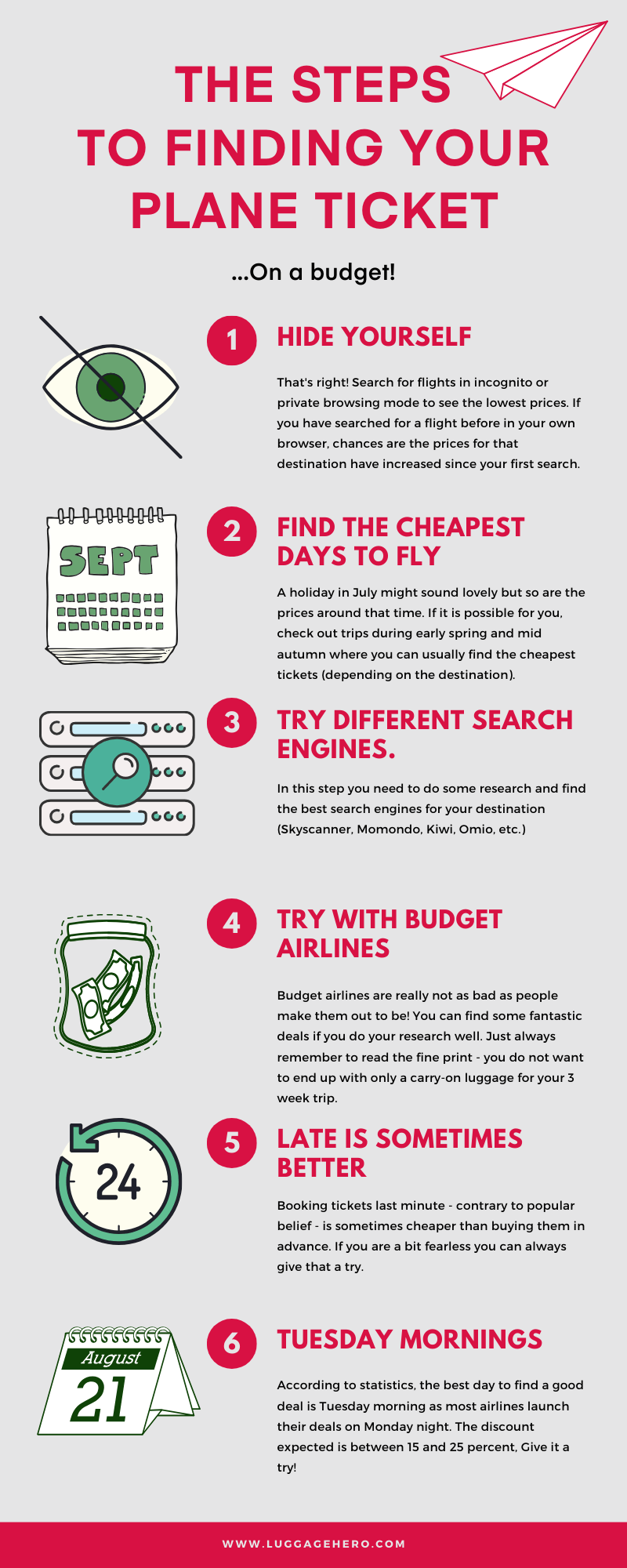
These aggregators are indispensable tools for initial research. Websites like Google Flights, Skyscanner, Kayak, and Momondo scan hundreds of airlines and online travel agencies (OTAs) to present you with a wide range of options and prices.
-
Pros: They save immense time by consolidating information, allow for flexible date searches, and often identify the cheapest routes. Many have features like price alerts and “explore” maps to inspire destination choices based on budget.
-
Cons: Not all airlines (especially some budget carriers) are listed on every aggregator. Sometimes, booking directly with the airline can offer better service or more flexibility if changes are needed. Always cross-reference prices found on aggregators with the airline’s official website before booking.
The Power of Incognito Mode and Clearing Cookies
A common myth (with a grain of truth) suggests that flight prices increase if you search for the same route multiple times. While airlines don’t necessarily track individual users to raise prices, booking sites and OTAs do use cookies to record your search history and preferences. This data can influence the offers you see, sometimes leading to higher prices if the system identifies you as a highly interested buyer. To mitigate this:
-
Always search for flights in your browser’s incognito or private browsing mode. This prevents websites from storing cookies and tracking your activity.
-
Clear your browser’s cookies and cache regularly, especially before making a final booking decision. This ensures you’re always seeing the freshest prices.
Considering Budget Airlines
Budget airlines (e.g., Ryanair, Spirit, Allegiant, EasyJet, Wizz Air) are notorious for their incredibly low base fares. They achieve this by unbundling services, meaning you pay extra for everything beyond the seat itself.
-
Understanding Hidden Costs: Always factor in potential additional charges for checked baggage, carry-on bags (if they exceed a personal item), seat selection, priority boarding, in-flight meals, and even printing your boarding pass at the airport.
-
Read the Fine Print: Familiarize yourself with their strict baggage policies and other terms and conditions to avoid expensive surprises at the airport. Sometimes, a seemingly cheaper budget flight can end up costing more than a full-service carrier once all add-ons are included.
Open-Jaw and Multi-City Flights
Don’t limit yourself to round-trip tickets from a single airport.
-
Open-Jaw: This involves flying into one city and flying out of another. For example, flying from London to Rome and returning from Venice to London. This can be more efficient and cheaper if you plan to travel between cities anyway, avoiding the need to backtrack.
-
Multi-City: This option allows you to book multiple flight segments within a single itinerary. For instance, London to Rome, Rome to Berlin, and Berlin back to London. This can sometimes be cheaper than booking three separate one-way tickets and provides greater flexibility for complex itineraries. Many flight comparison sites offer “multi-city” search options.
Error Fares and Flash Sales
Keep an eye out for these rare but significant opportunities.
-
Error Fares: These are genuine mistakes made by airlines or OTAs, resulting in significantly underpriced tickets. They are usually identified and corrected quickly, so acting fast is crucial. Dedicated “deal alert” websites and social media accounts often post these as soon as they are discovered.
-
Flash Sales: Airlines periodically offer promotional sales with discounted fares for specific routes or travel periods. Subscribing to airline newsletters and following them on social media can alert you to these time-sensitive deals. While not as dramatic as error fares, they can still offer substantial savings.
Advanced Tactics and Ongoing Savings
Beyond the immediate search, there are several advanced strategies and long-term financial habits that can further reduce your flight costs and enhance your travel experiences.
Setting Price Alerts
This is a passive yet highly effective strategy. Most major flight comparison websites and even Google Flights allow you to set price alerts for specific routes and dates. You’ll receive email notifications when the fare for your desired flight drops, allowing you to pounce on a good deal without constantly monitoring prices yourself. This is particularly useful for long-term planning and routes with high price volatility.
Loyalty Programs and Credit Card Perks
Leveraging loyalty programs and credit card benefits can unlock a world of travel savings.
-
Airline Loyalty Programs: Sign up for frequent flyer programs with airlines you fly most often. Even if you don’t fly enough to earn elite status, accumulating miles can lead to free flights or upgrades over time.
-
Travel Rewards Credit Cards: Many credit cards offer generous sign-up bonuses in the form of points or miles, often enough for a free domestic or even international flight. These cards also accrue points on everyday spending, which can be redeemed for travel. Look for cards with travel-specific benefits like no foreign transaction fees, free checked bags, airport lounge access, or travel insurance. Always choose a card that aligns with your spending habits and travel goals, and be mindful of annual fees and interest rates.
Travel Hacking (Points and Miles)
This is a more intensive strategy involving strategically accumulating and redeeming credit card points and airline miles for maximum value. It often requires understanding transfer partners, optimal redemption rates, and navigating complex reward systems. While it can lead to deeply discounted or even free premium travel, it demands research, organization, and a responsible approach to credit. Websites and communities dedicated to travel hacking can provide invaluable resources for those willing to dive deep.
The Art of the Layover (Strategic Stopovers)
While many travelers prefer direct flights, a strategic layover can be more than just a cost-saving measure. Some airlines, particularly national carriers, offer official “stopover programs” that allow you to extend your layover in their hub city for a few days at no extra cost to your airfare. This effectively gives you a bonus mini-vacation within your main trip. Even without an official program, booking a flight with a long layover can allow for a quick exploration of a new city, turning an inconvenience into an opportunity. Just ensure you have the necessary visa requirements for the stopover country.
When to Avoid Third-Party Sites
While Online Travel Agencies (OTAs) like Expedia, Booking.com, or Priceline can sometimes offer slightly lower prices than booking directly with the airline, exercise caution.
-
Customer Service: If things go wrong (flight cancellations, schedule changes), dealing with an OTA to rebook or get a refund can be significantly more complicated and time-consuming than dealing directly with the airline. Airlines prioritize their direct customers.
-
Flexibility: Changes or cancellations booked through OTAs often come with additional fees imposed by the OTA on top of airline charges.
-
Booking direct generally offers more flexibility, better customer support, and direct access to airline loyalty programs. For complex itineraries or when anticipating potential changes, paying a slight premium to book directly can be a worthwhile investment in peace of mind.
Common Pitfalls and How to Avoid Them
Even the savviest travelers can fall prey to common mistakes that erode their savings. Being aware of these pitfalls is crucial for ensuring that your efforts to find cheap flights truly pay off.
Overpaying for Convenience
The allure of a direct flight at a prime time, with preferred seating, can be strong. However, convenience often comes at a steep price. Be honest about your priorities: is saving money more important than cutting an hour off your travel time or avoiding an early morning departure? Sometimes, a slightly longer journey, an inconvenient departure time, or a layover can save you hundreds of dollars, making the “inconvenience” a small price to pay for significant financial gains. Evaluate the trade-offs carefully.
Neglecting Baggage Fees and Seat Selection Costs
This is where budget airlines often catch unsuspecting travelers. A $50 flight can quickly become a $150 flight once you add a carry-on bag, a checked bag, and a pre-selected seat.
-
Always read the airline’s baggage policy before booking, especially for budget carriers.
-
Pack light: Learn to travel with just a personal item or a small carry-on that fits the airline’s free allowance.
-
Consider travel-friendly luggage: Invest in bags that meet various airline size requirements.
-
Seat Selection: Unless you have specific medical needs or are traveling with young children, consider skipping pre-assigned seats and letting the airline assign you one at check-in. It’s often free, and you might still end up with a good spot.
Impulse Buying (Lack of Research)
Seeing a “limited time offer” can trigger a fear of missing out, leading to hasty purchases. While error fares do require quick action, most “deals” aren’t so fleeting.
-
Always compare prices: Even if a deal looks good, take a few minutes to cross-reference it on other sites or with the airline directly.
-
Check the full itinerary: Ensure the flight times, layovers, and airport connections are suitable for your travel style before committing.
-
Read reviews: If booking through an unfamiliar OTA, quickly check their reputation for customer service.

Not Reading the Fine Print
Hidden clauses, restrictive change policies, and non-refundable tickets can turn a cheap flight into a costly headache.
-
Cancellation and Change Policies: Understand what happens if you need to alter your travel plans. Some cheap fares are entirely non-refundable and non-changeable, or changes come with exorbitant fees.
-
Visa Requirements: Ensure you meet all visa requirements for your destination and any layover countries. An unverified visa can lead to denied boarding.
-
Travel Insurance: For international or expensive trips, consider travel insurance. It can protect your financial investment against unforeseen circumstances like medical emergencies, trip cancellations, or lost luggage. While an extra cost, it can prevent a much larger financial loss.
By diligently applying these strategies and remaining vigilant against common pitfalls, you can transform the daunting task of finding cheap flights into a rewarding exercise in financial acumen. Travel is an investment in experiences, and by minimizing your flight costs, you effectively maximize your adventure budget, paving the way for more frequent and enriching journeys.
aViewFromTheCave is a participant in the Amazon Services LLC Associates Program, an affiliate advertising program designed to provide a means for sites to earn advertising fees by advertising and linking to Amazon.com. Amazon, the Amazon logo, AmazonSupply, and the AmazonSupply logo are trademarks of Amazon.com, Inc. or its affiliates. As an Amazon Associate we earn affiliate commissions from qualifying purchases.