
In the landscape of American finance, few names carry as much weight as PNC Bank. For millions of retail customers, small business owners, and corporate entities, the orange and blue logo is a symbol of stability and modern banking convenience. However, despite its ubiquity on street corners and stadium naming rights, a common question remains: what does “PNC” actually stand for?
To understand the acronym is to understand the history of American capital, the evolution of regional banking, and the strategic mergers that created one of the largest financial institutions in the United States. Today, PNC is far more than a name; it is a financial powerhouse that manages over $500 billion in assets, representing a legacy of fiscal discipline and aggressive market expansion.

The Origins of the Acronym: A Tale of Two Financial Hubs
The name “PNC” is not a modern marketing invention but a functional abbreviation born from the union of two historic institutions. In 1982, the financial world witnessed what was then the largest merger in American banking history. The Pittsburgh National Corporation and the Provident National Corporation, based in Philadelphia, joined forces to create a new entity that would eventually become the PNC Financial Services Group.
The Pittsburgh National Corporation
Pittsburgh National Bank’s roots trace back to the mid-19th century, specifically to the Pittsburgh Trust and Savings Company founded in 1852. As Pittsburgh became the epicenter of the American industrial revolution—fueled by steel, glass, and coal—the bank provided the essential capital that funded the expansion of the U.S. infrastructure. By the mid-20th century, it had evolved into Pittsburgh National, a titan of the “Steel City” that understood the complexities of industrial financing and large-scale commercial lending.
The Provident National Corporation
On the other side of Pennsylvania, the Provident National Corporation had its own storied history. Founded as the Provident Life and Trust Company of Philadelphia in 1865 by members of the Society of Friends (Quakers), the institution was built on principles of prudence and long-term financial security. While Pittsburgh National was deeply tied to heavy industry, Provident was a leader in trust management and retail banking.
The 1982 Merger and the Birth of the Logo
When these two entities merged in 1982, they chose to retain the initials of both parent companies to signify a “merger of equals.” The “P” and “N” were common to both, representing “Pittsburgh” and “Provident” as well as “National.” By 1983, the newly formed PNC Financial Corporation began trading, signaling a shift from regional dominance to a broader, diversified financial strategy.
PNC’s Evolution: From Regional Leader to National Financial Powerhouse
The journey from a Pennsylvania-centric bank to a national leader was not accidental. It was the result of a calculated “Money” strategy involving high-stakes acquisitions and a commitment to technological integration. PNC has consistently utilized its capital to absorb smaller institutions and underperforming assets, turning them into profitable arms of its larger ecosystem.
The Acquisition Strategy
Over the decades, PNC has acquired dozens of smaller banks, but several key moves stand out as defining moments for its balance sheet. The 2008 acquisition of National City Corporation during the height of the financial crisis was a masterstroke. By absorbing National City, PNC doubled its size almost overnight, gaining a massive foothold in the Midwest and becoming one of the largest banks in the country.
More recently, the 2021 acquisition of BBVA USA for approximately $11.6 billion further cemented its status. This move allowed PNC to expand into the “Sunbelt” regions of Texas, Arizona, and California, providing it with a truly coast-to-coast presence.
Financial Stability and SIFI Status
In the world of personal finance and investing, the term “SIFI” (Systemically Important Financial Institution) is crucial. PNC is designated as such, meaning it is subject to the most stringent regulatory oversight and capital requirements. For depositors, this translates to a high degree of security. The bank maintains a diverse portfolio, balancing consumer deposits with commercial loans and asset management services, which protects it against localized economic downturns.
Asset Management and Institutional Strength
Beyond retail banking, PNC’s financial strength is bolstered by its institutional wings. PNC Capital Markets and its asset management divisions provide sophisticated financial tools to corporations and high-net-worth individuals. By diversifying its income streams—moving beyond simple interest-rate spreads to fee-based advisory services—PNC has built a resilient financial model that thrives in various economic climates.
Understanding PNC’s Financial Ecosystem: Tools and Services for Modern Banking
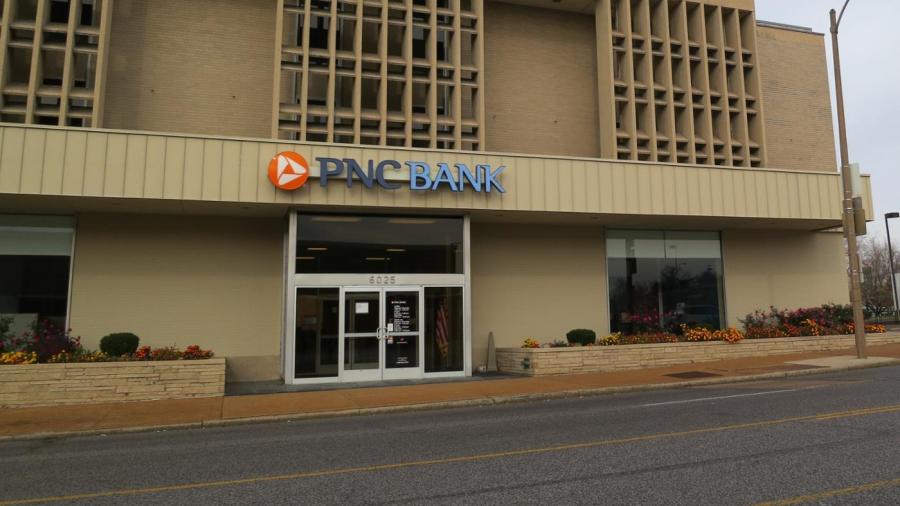
For the individual consumer, what PNC “stands for” is often defined by the tools it provides to manage daily life. In an era where “Money” is increasingly digital, PNC has positioned itself at the forefront of financial technology (FinTech) integration within traditional banking structures.
The Virtual Wallet: A Revolutionary Personal Finance Tool
One of PNC’s most significant contributions to personal finance is the “Virtual Wallet.” Unlike traditional checking accounts, the Virtual Wallet is a suite of three accounts—Spend, Reserve, and Growth—designed to help users visualize their money.
- Spend: For daily transactions and bill payments.
- Reserve: For short-term savings and “planned” spending.
- Growth: A long-term savings account often tied to a competitive interest rate.
This tool introduced many consumers to the concept of “mental accounting” in a digital format, helping them avoid overdrafts and automate their savings goals.
High-Yield Savings and CDs
As a major player in the “Money” space, PNC frequently competes for deposits by offering high-yield certificates of deposit (CDs) and savings products. In a fluctuating interest-rate environment, PNC’s ability to offer competitive Annual Percentage Yields (APY) while maintaining the brick-and-mortar convenience of a traditional bank makes it a unique hybrid in the market.
Business and Treasury Management
For small and mid-sized businesses, PNC offers sophisticated treasury management tools that were once reserved for Fortune 500 companies. This includes automated accounts receivable, fraud protection services, and streamlined payroll solutions. By empowering business owners with better cash-flow visibility, PNC plays a direct role in the economic health of the communities it serves.
The Financial Health and Stability of PNC Bank
When choosing where to park your money, the “why” behind the institution’s name is less important than its “how”—specifically, how it manages risk and maintains liquidity. PNC’s financial metrics consistently reflect a conservative yet growth-oriented management style.
Capital Ratios and Liquidity
Financial analysts look closely at a bank’s Common Equity Tier 1 (CET1) ratio, which measures its core equity capital compared to its total risk-weighted assets. PNC has historically maintained a robust CET1 ratio, well above the regulatory minimums. This indicates that the bank has a significant buffer to absorb potential loan losses, making it a safe harbor for both personal savings and corporate deposits.
Dividend History and Investor Relations
For those in the “Investing” niche, PNC is often viewed as a reliable “blue-chip” financial stock. The company has a long history of paying dividends, even through periods of market volatility. Its ability to generate consistent Return on Equity (ROE) makes it a staple in many institutional portfolios and retirement accounts.
Impact of Global Market Fluctuations
PNC’s focus is primarily domestic, which insulates it from some of the extreme volatility seen in banks with heavy exposure to emerging markets or complex international derivatives. This domestic focus allows PNC to concentrate its capital on the U.S. economy, specifically in residential mortgages, auto loans, and commercial real estate, where it has deep expertise.
Navigating the Modern Banking Landscape with PNC
As we look toward the future of finance, PNC continues to adapt to the changing needs of the market. What it “stands for” in the 21st century is a bridge between the traditional reliability of the 19th-century “National” banks and the digital-first reality of the modern era.
The Shift Toward Digital-First Banking
While PNC maintains thousands of physical branches, it has spent billions of dollars on its digital infrastructure. The goal is to provide a “low-friction” financial experience. Whether it’s through Zelle integration for peer-to-peer payments or advanced mobile check deposits, the bank is focused on reducing the time and cost associated with moving money.
Commitment to Financial Literacy
A significant part of PNC’s modern identity is its investment in financial education. Through initiatives like “PNC Grow Up Great,” a multi-year, multi-billion dollar initiative focused on early childhood education, the bank recognizes that long-term economic prosperity depends on a financially literate populace. By providing tools for parents and teachers, they are investing in the future “Money” managers of the next generation.
Conclusion: More Than Just an Acronym
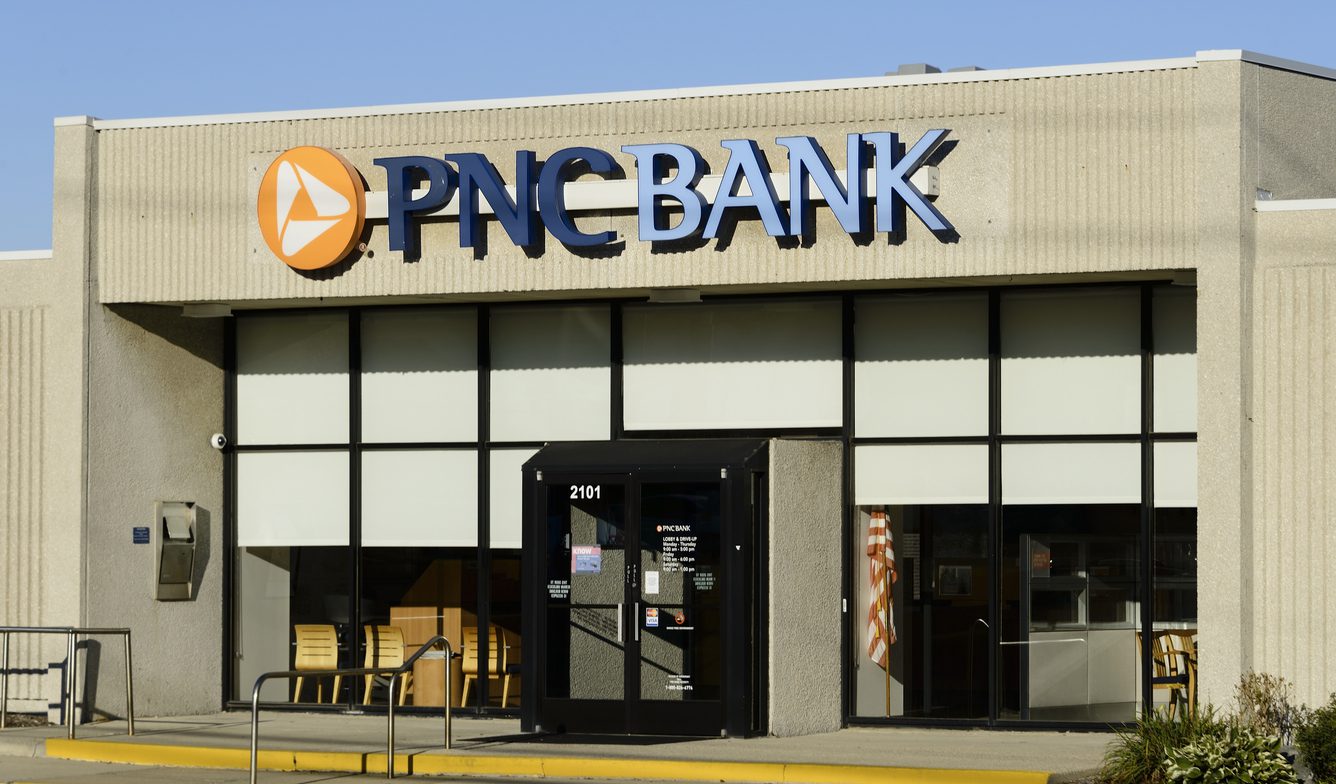
What does PNC Bank stand for? Historically, it stands for the union of Pittsburgh and Provident, two pillars of Pennsylvania’s financial history. Economically, it stands for Professionalism, National reach, and Capital stability.
For the modern consumer or investor, PNC represents a comprehensive financial ecosystem. It is an institution that has successfully navigated the shift from industrial-era lending to digital-era wealth management. By maintaining a strong balance sheet, embracing technological innovation, and expanding its geographic footprint, PNC has ensured that its three-letter name remains synonymous with American financial resilience. Whether you are opening your first savings account or managing a multi-million dollar corporate treasury, understanding the “Money” power behind PNC provides the confidence needed to navigate today’s complex financial world.
aViewFromTheCave is a participant in the Amazon Services LLC Associates Program, an affiliate advertising program designed to provide a means for sites to earn advertising fees by advertising and linking to Amazon.com. Amazon, the Amazon logo, AmazonSupply, and the AmazonSupply logo are trademarks of Amazon.com, Inc. or its affiliates. As an Amazon Associate we earn affiliate commissions from qualifying purchases.