
Navigating the healthcare system to obtain a prescription for weight loss medication like phentermine is as much a financial challenge as it is a medical one. For many individuals, the decision to seek medical intervention for weight management is a strategic move intended to improve long-term health outcomes and reduce future medical liabilities. However, the path to obtaining this prescription involves a complex web of insurance protocols, varying provider business models, and tax-advantaged financial planning. Understanding the economic landscape of obesity medicine is essential for anyone looking to integrate this treatment into their personal financial plan without incurring unnecessary costs.
The process of getting phentermine prescribed requires a calculated approach to healthcare consumerism. Because it is a controlled substance and a targeted pharmaceutical tool, the financial barriers to entry—ranging from consultation fees to laboratory costs—can be significant. By treating this process as a health investment, consumers can better evaluate the cost-effectiveness of various acquisition channels, from traditional primary care to the burgeoning sector of direct-to-consumer (DTC) telehealth.
Navigating the Insurance Landscape for Prescription Weight Loss
The first and often most significant hurdle in getting phentermine prescribed is navigating the labyrinth of health insurance. Unlike medications for chronic conditions like hypertension or diabetes, weight loss drugs are frequently categorized under “lifestyle” medications by many insurance carriers, leading to varied coverage levels.
Decoding Prior Authorization and Medical Necessity
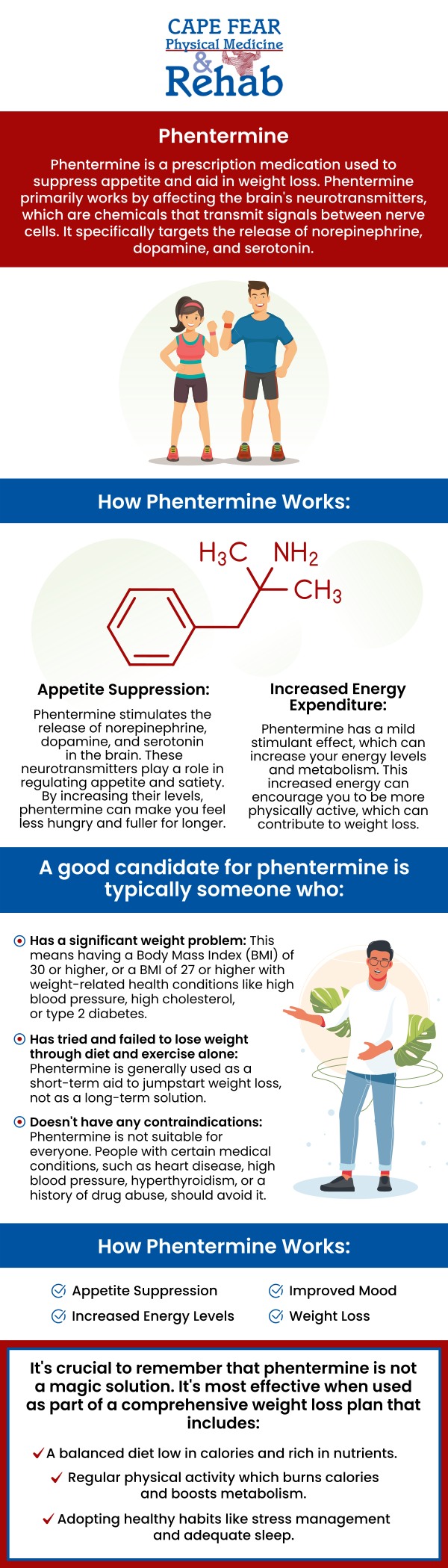
To secure coverage for a phentermine prescription, the financial “gatekeeper” is the prior authorization (PA) process. This is a requirement by insurance companies that the prescribing physician provide specific documentation before the insurer agrees to pay for the medication. From a financial perspective, the PA is a cost-containment tool used by insurers to ensure the drug is only prescribed to those who meet strict clinical criteria, typically a Body Mass Index (BMI) of 30 or higher, or 27 with at least one weight-related comorbidity (such as high blood pressure or type 2 diabetes).
Understanding your policy’s specific requirements for a PA can save hundreds of dollars in out-of-pocket costs. If your insurance denies the PA, the financial burden shifts entirely to the consumer. In these instances, it is beneficial to request a “Summary of Benefits and Coverage” to see if weight loss agents are an excluded benefit. If the benefit is excluded, no amount of medical documentation will trigger insurance payment, and the consumer must pivot to a self-pay strategy.
Understanding Tiered Formularies and Out-of-Pocket Maxima
Even when covered, phentermine is subject to a “formulary”—a list of drugs the insurance plan prefers. Most plans use a tiered pricing system. As a generic medication, phentermine typically falls into “Tier 1,” which carries the lowest co-pay. However, the consultation required to get the prescription may be subject to a deductible.
For those managing their personal finances closely, it is vital to calculate how these visits impact your “Out-of-Pocket Maximum.” If you have already met your deductible for the year, the financial cost of the required physician visits and blood work may be significantly reduced or even zero. Conversely, if you are starting early in the fiscal year, you may be paying the full negotiated rate for these clinical services until your deductible is met.
The Rise of Direct-to-Consumer Telehealth: A Business Model Analysis
In the last five years, the business of healthcare has shifted toward digital platforms. Many consumers now seek to get phentermine prescribed through specialized telehealth companies. These platforms operate on distinct business models that prioritize convenience and price transparency, but they require a critical financial eye to evaluate their true value.
Subscription Services vs. Pay-Per-Visit Models
The telehealth market is split into two primary financial structures: the monthly subscription and the fee-for-service model. Subscription-based platforms often bundle the cost of the physician consultation, the prescription management, and sometimes even the medication itself into a flat monthly fee (e.g., $79 to $149 per month).
From a budgeting perspective, the subscription model provides “spend predictability,” which is excellent for personal cash flow management. However, for those who only require a quarterly check-in, the pay-per-visit model—where you pay a one-time fee for a consultation—is often more cost-effective in the long run. When evaluating these platforms, it is important to calculate the “annualized cost” rather than focusing on the low monthly introductory rate.
Evaluating the Financial Transparency of Digital Clinics
When looking for an online provider to prescribe phentermine, financial transparency is a key indicator of a legitimate business. Reputable platforms will clearly outline their “hidden” fees, such as laboratory requirements. Most providers will require a metabolic panel and thyroid testing before issuing a prescription. If the telehealth platform does not include these in their fee, you may be hit with an unexpected $200 bill from a third-party lab like Quest or LabCorp.
Before committing to a digital clinic, ask for a full fee schedule. This allows you to compare the “Total Cost of Ownership” (TCO) for the medication regimen across different providers.
Leveraging Tax-Advantaged Accounts: HSA and FSA Strategies
One of the most effective ways to lower the effective cost of getting phentermine prescribed is to utilize tax-advantaged accounts like Health Savings Accounts (HSA) or Flexible Spending Accounts (FSA). These tools allow you to pay for your medical expenses with pre-tax dollars, essentially providing a discount equal to your marginal tax rate.
Qualifying Phentermine as a Reimbursable Expense
According to IRS guidelines, the cost of weight loss programs and medications is a deductible medical expense if it is used to treat a specific disease diagnosed by a physician (such as obesity, hypertension, or heart disease). This means that both the cost of the phentermine prescription and the physician’s consultation fees are eligible for reimbursement through an HSA or FSA.
For a professional earning $100,000 a year in a 24% tax bracket, using an HSA to pay for $1,000 in annual weight loss expenses results in a $240 tax saving. This financial maneuver effectively reduces the cost of the treatment without requiring any discounts from the pharmacy or provider.
Documenting Medical Necessity for Audit Protection
To protect these tax advantages, it is crucial to obtain a “Letter of Medical Necessity” (LMN) from your prescribing doctor. While a standard prescription is often enough for the HSA administrator to approve the expense, an LMN provides an extra layer of protection in the event of an IRS audit. This document should state the specific medical condition being treated and that the phentermine is a necessary component of the treatment plan. Keeping these records organized is a fundamental part of responsible financial management in healthcare.
Cost-Saving Strategies and Pharmaceutical Arbitrage
Once the prescription is secured, the next financial step is optimizing the purchase of the medication itself. The price of phentermine can vary wildly—sometimes by as much as 400%—depending on where and how it is purchased.
Utilizing Manufacturer Coupons and Pharmacy Discount Cards
Even if you have insurance, third-party financial tools like GoodRx, SingleCare, or manufacturer-sponsored savings cards can often beat the insurance co-pay. This is a form of pharmaceutical arbitrage where the consumer chooses the payment rail (insurance vs. cash-discount) that offers the lowest price. For phentermine, which is a widely available generic, the “cash price” with a discount card is often as low as $10–$15 for a 30-day supply, which may be cheaper than an insurance co-pay for a “Tier 1” drug.
The Generic Advantage: Minimizing Monthly Recurring Expenses
Phentermine is the generic name for Adipex-P. In the world of personal finance, choosing the generic over the brand name is one of the easiest “wins” for reducing monthly recurring expenses. There is no clinical evidence that the brand-name version is more effective, yet the price differential can be $50 to $100 per month. By insisting on the generic version at the point of prescription, you ensure that your health investment remains lean and focused on results rather than brand loyalty.
The Long-Term Economic ROI of Medically Managed Weight Loss
While getting phentermine prescribed involves immediate costs, a comprehensive financial analysis must consider the Return on Investment (ROI). Investing in weight management is, at its core, a form of preventive financial planning.
Reducing Future Healthcare Liabilities through Preventive Care
Obesity is a leading driver of chronic disease, and the long-term costs of treating type 2 diabetes, sleep apnea, and cardiovascular disease are astronomical. A study by the Milken Institute suggests that the indirect and direct costs of obesity-related diseases run into the trillions of dollars annually. On an individual level, successfully managing weight can lead to a significant reduction in lifetime medical spending, lower deductibles, and fewer co-pays for chronic medications.

Impact on Life Insurance Premiums and Career Productivity
The financial benefits of a successful phentermine-assisted weight loss journey extend beyond the pharmacy counter. Life insurance premiums are heavily weighted by BMI and related health markers. Moving from an “obese” to a “healthy” category during a physical exam for a term life policy can result in thousands of dollars in premium savings over the life of the policy.
Furthermore, there is a documented “wellness dividend” in professional life. Improved energy levels and reduced absenteeism often lead to higher career productivity and, by extension, increased earning potential. When viewed through this lens, the effort and capital expended to get phentermine prescribed is not merely a cost—it is a strategic allocation of resources toward a more prosperous and secure financial future.
aViewFromTheCave is a participant in the Amazon Services LLC Associates Program, an affiliate advertising program designed to provide a means for sites to earn advertising fees by advertising and linking to Amazon.com. Amazon, the Amazon logo, AmazonSupply, and the AmazonSupply logo are trademarks of Amazon.com, Inc. or its affiliates. As an Amazon Associate we earn affiliate commissions from qualifying purchases.