
The pharmaceutical landscape for weight management has undergone a radical transformation over the last decade. As obesity is increasingly recognized as a chronic metabolic condition rather than a lifestyle choice, the demand for effective pharmacological interventions has skyrocketed. Among the most established names in this sector is Adipex-P, a brand name for phentermine. For many individuals looking to jumpstart their weight loss journey, the primary question is not just whether the medication works, but how difficult the process is to obtain a prescription.
From a financial and logistical perspective, “difficulty” is relative. It is a multi-faceted barrier involving clinical eligibility, insurance gatekeeping, and the burgeoning business model of medical weight loss clinics. Understanding the intersection of medical necessity and financial accessibility is crucial for anyone looking to navigate this specific corner of the healthcare market.
The Economic Landscape of Weight Loss Prescriptions
To understand how hard it is to get prescribed Adipex, one must first look at the broader economic pressures within the healthcare industry. Adipex-P is a controlled substance, classified by the DEA as a Schedule IV drug. This classification alone introduces a layer of regulatory friction that distinguishes it from over-the-counter supplements.
Insurance Gatekeeping and Prior Authorizations
The most significant financial hurdle for many patients is the insurance company’s role as a secondary gatekeeper. Even if a physician deems a patient a suitable candidate for Adipex, the insurance provider may refuse to cover the cost. Many private insurers and Medicare plans categorize weight loss medications as “lifestyle drugs.” This designation allows them to exclude these medications from their formularies entirely.
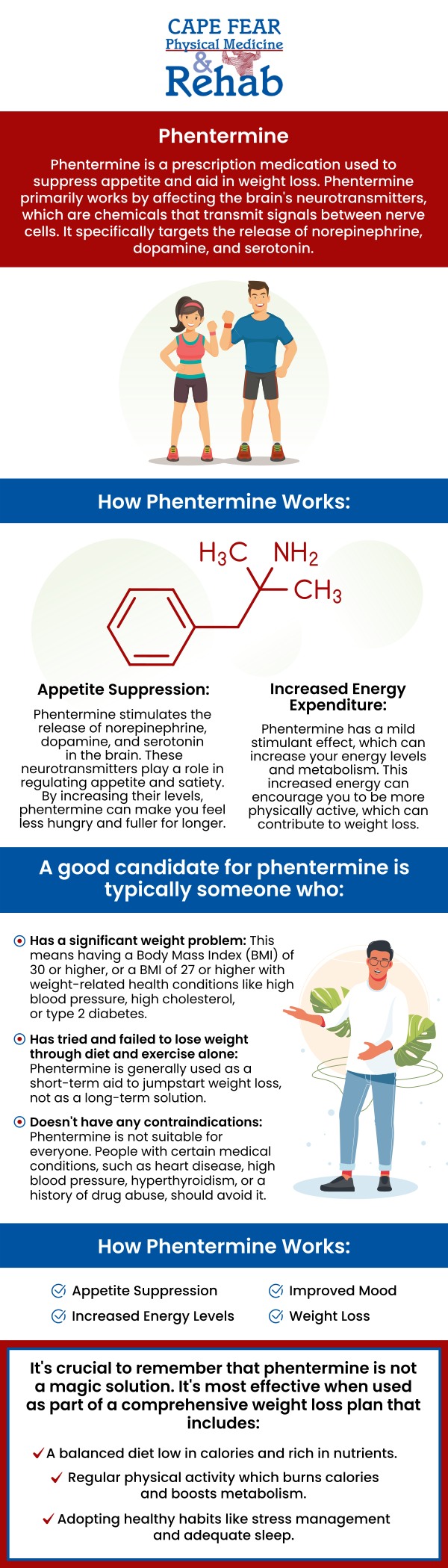
When coverage is available, it often requires a “Prior Authorization” (PA). This is a bureaucratic process where the doctor must prove to the insurance company that the medication is medically necessary. To satisfy a PA for Adipex, patients typically must meet specific criteria: a Body Mass Index (BMI) of 30 or higher, or a BMI of 27 with at least one weight-related comorbidity, such as hypertension or Type 2 diabetes. For the patient, this means the “difficulty” is often a matter of proving clinical severity to a financial entity.
The Cost Gap Between Brand and Generic
From a personal finance perspective, the difficulty of getting Adipex is often linked to its price point. Adipex-P is the brand-name version of phentermine hydrochloride. While the generic version is exceptionally affordable—often costing less than $20 for a 30-day supply with a discount card—the brand-name Adipex-P can cost ten times that amount.
For patients whose insurance does not cover weight loss drugs, the financial barrier to the brand-name version is high. Consequently, many patients find that while getting a prescription for the chemical compound is manageable, getting the brand-name Adipex specifically requires a more significant financial commitment or a more persuasive case for medical necessity over the generic.
The Business of Medical Weight Loss Clinics
As traditional primary care physicians have become more constrained by short appointment windows and insurance regulations, a niche market has emerged: the specialized medical weight loss clinic. These businesses have fundamentally changed the accessibility of drugs like Adipex.
The Cash-Pay Business Model
Medical weight loss clinics often operate on a “cash-pay” or “direct-pay” model, bypassing the complexities of traditional insurance. In these environments, the “difficulty” of getting a prescription is significantly reduced, provided the patient is willing to pay a premium. These clinics market themselves as comprehensive wellness centers, bundling the prescription with bimonthly check-ins, B12 injections, and nutritional counseling.
From a business finance perspective, these clinics are highly profitable because they monetize the administrative ease of the prescription process. A patient may pay a $150 monthly “membership fee” that covers the consultation and the prescription. While this makes the drug easier to obtain in terms of time and effort, it increases the total cost of ownership for the patient.
Telehealth and the Digital Shift
The rise of telehealth has further streamlined the process. Numerous digital health platforms now specialize in weight management, offering virtual consultations with licensed practitioners. These platforms have optimized the patient acquisition funnel, making the path from an initial Google search to a pharmacy pickup shorter than ever.
However, these digital tools also include their own financial hurdles. Most operate on subscription models. While they lower the barrier of “difficulty” by removing the need for an in-person visit, they lock the patient into a recurring financial obligation. For the consumer, the question shifts from “Can I get this prescribed?” to “Is the convenience worth the subscription fee?”
Clinical Requirements and the “Cost” of Qualification
Even with the rise of specialized clinics, Adipex remains a regulated medication with real physiological risks. The difficulty in obtaining it is also tied to the clinical “cost” a patient must bear—specifically, the health metrics required to qualify.

BMI Thresholds and Financial Risk Assessment
The medical community adheres to strict BMI thresholds for Adipex. These thresholds are not just clinical guidelines; they are risk management tools. Because Adipex is a stimulant, it can increase heart rate and blood pressure. For a physician, prescribing this medication to a patient who does not meet the BMI criteria is a professional and financial liability.
Patients who fall into the “overweight” but not “obese” category (BMI 25–26.9) without comorbidities often find it very difficult to obtain a prescription. From a market perspective, this creates a “missing middle”—a group of consumers who desire the product but cannot clear the regulatory and clinical hurdles required to access it legally.
The Hidden Costs of Monitoring
Obtaining the initial prescription is only the first step. Because Adipex is intended for short-term use (usually up to 12 weeks), it requires constant monitoring. This includes regular blood pressure checks and, in some cases, EKG monitoring.
Each of these monitoring steps carries a financial cost, whether it be a co-pay for a doctor’s visit or the out-of-pocket cost of laboratory work. When calculating how “hard” it is to get Adipex, one must factor in the sustained effort and financial resources required to maintain the prescription throughout the duration of the treatment.
Navigating the Secondary Market and Financial Scams
The difficulty of obtaining Adipex through legitimate channels has unfortunately birthed a robust secondary market. This is where the financial risks move from “expensive” to “dangerous.”
The Rise of Unregulated Online Sellers
A quick search for “buy Adipex online” reveals a plethora of websites claiming to sell the drug without a prescription. From a digital security and personal finance standpoint, these sites are high-risk. They often operate outside the jurisdiction of US law, and consumers frequently report paying for products that never arrive or receiving counterfeit medications.
The “difficulty” of getting a legitimate prescription often leads desperate consumers to these platforms, where they risk identity theft, credit card fraud, and significant health complications. The financial loss associated with these scams is a direct result of the high barriers to entry in the legitimate pharmaceutical market.
Protecting Your Financial Information
For those navigating the digital health space, it is essential to use verified platforms. Legitimate telehealth companies will always require a consultation with a licensed medical professional and will never sell “prescription-free” Adipex. Financial literacy in this space means recognizing that if a deal seems too good to be true—or if a site bypasses the legal requirement for a doctor’s intervention—it is likely a financial trap.
The Long-Term ROI of Adipex: Balancing Healthcare Spending
When discussing how hard it is to get prescribed Adipex, it is worth considering the financial “Return on Investment” (ROI) for the patient. While the hurdles are real, the potential for long-term healthcare savings can be a motivating factor.
Direct Costs vs. Indirect Savings
The cost of Adipex, the doctor’s visits, and the lab work are direct expenses. However, successful weight loss can lead to significant indirect savings. Reduction in body weight is closely correlated with a decrease in the need for expensive medications for chronic conditions like hypertension, high cholesterol, and diabetes.
For a patient, the “difficulty” of navigating the Adipex prescription process can be viewed as an upfront investment in their future financial health. By spending the time and money now to clear the clinical and insurance hurdles, they may avoid thousands of dollars in medical expenses and lost productivity later in life.

The Sustainability Factor
Finally, the difficulty of obtaining the drug serves as a filter for commitment. Because Adipex is a short-term tool, its true value is only realized if the patient uses the period of suppressed appetite to implement long-term lifestyle changes. From a personal finance perspective, the most “expensive” medication is the one that is taken without achieving the desired result. Therefore, the rigor of the prescription process—the doctor’s visits, the monitoring, and the financial cost—can actually serve as a psychological commitment device, encouraging the patient to make the most of the pharmaceutical intervention.
In conclusion, getting prescribed Adipex is not inherently “hard” for those who meet the clinical criteria, but it is a process defined by regulatory, clinical, and financial friction. Whether navigating insurance denials, choosing between brand and generic, or opting for a cash-pay clinic, the patient must be prepared to act as an informed consumer in a complex medical marketplace. Knowledge of these hurdles is the first step in successfully navigating the path to medical weight management.
aViewFromTheCave is a participant in the Amazon Services LLC Associates Program, an affiliate advertising program designed to provide a means for sites to earn advertising fees by advertising and linking to Amazon.com. Amazon, the Amazon logo, AmazonSupply, and the AmazonSupply logo are trademarks of Amazon.com, Inc. or its affiliates. As an Amazon Associate we earn affiliate commissions from qualifying purchases.