
In the complex landscape of American healthcare, the cost of prescription medication remains one of the most volatile variables for a household budget. For many, the pharmacy counter is a place of anxiety, where the difference between an affordable copay and a three-digit expense is often a mystery. This uncertainty has led millions of users to communities like Reddit, where personal finance enthusiasts and healthcare advocates dissect the mechanics of “How does GoodRx work?” beyond the marketing slogans.
At its core, GoodRx is a financial intermediary that leverages the power of bulk negotiation to provide discounted prices on prescriptions. However, the true value of the tool lies in understanding the arbitrage between insurance premiums, pharmacy benefit managers (PBMs), and retail pricing. By exploring the collective wisdom of those who navigate these systems daily, we can uncover a strategic blueprint for integrating GoodRx into a comprehensive personal finance strategy.
The Mechanics of Prescription Price Comparison
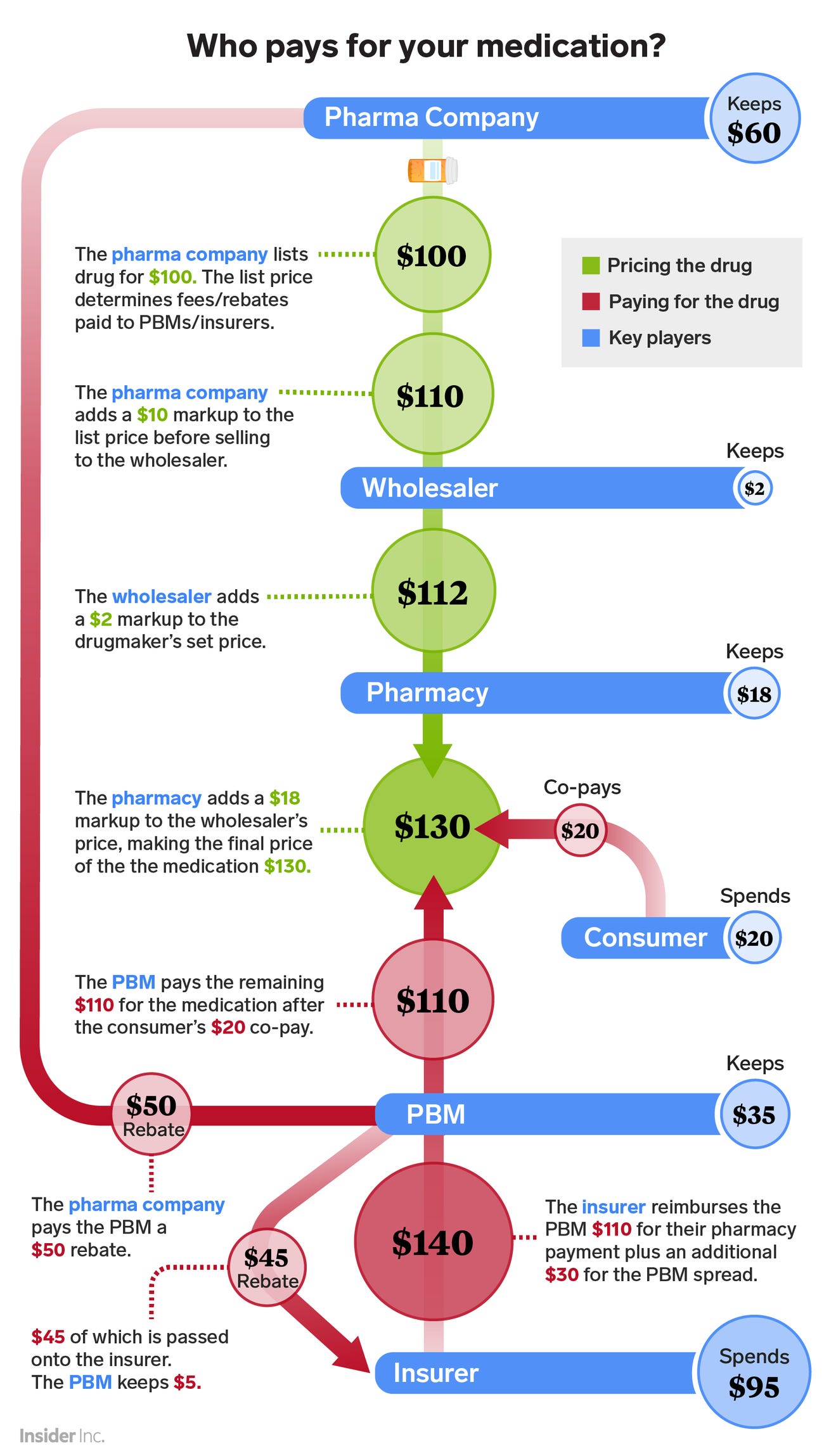
To understand how GoodRx generates savings, one must first understand that the price of a drug is not fixed. Unlike a gallon of milk or a pair of shoes, the “sticker price” of a medication can vary by hundreds of dollars between two pharmacies on the same street. This discrepancy exists because of the labyrinthine contracts between pharmacies, drug manufacturers, and Pharmacy Benefit Managers (PBMs).
PBMs and Negotiated Rates
The secret sauce behind GoodRx is its relationship with PBMs. These are the “middlemen” of the pharmaceutical world who negotiate prices on behalf of insurance companies and large employers. GoodRx aggregates the various “pre-negotiated” rates from multiple PBMs and presents them to the consumer in an easy-to-read format. When you use a GoodRx coupon, you are essentially “piggybacking” on a large group’s buying power to access a lower rate than the pharmacy’s “usual and customary” (U&C) price.
Why Prices Vary Between Pharmacies
On Reddit’s financial forums, users often express shock at how a generic antibiotic can cost $15 at a grocery store pharmacy but $150 at a national drugstore chain. This happens because pharmacies set their own cash prices based on their overhead, profit margins, and the specific PBM contracts they choose to accept. GoodRx acts as a transparency tool, revealing these hidden price points so the consumer can choose the most cost-effective location. For the savvy budgeter, this means the “best” pharmacy is no longer the most convenient one, but the one that honors the most aggressive PBM discount.
Navigating the Intersection of Insurance and GoodRx
The most frequent question in personal finance circles is whether one should use GoodRx instead of their employer-provided insurance. The answer is rarely a simple “yes” or “no,” but rather a calculation of immediate savings versus long-term deductible goals.
Why GoodRx Often Beats Your Copay
It is a common misconception that insurance always provides the lowest price. In reality, insurance companies use “tiers” to categorize drugs. If a specific medication falls into a higher tier, your fixed copay might actually be higher than the negotiated cash price available through GoodRx.
Reddit contributors often share “wins” where a $50 insurance copay was reduced to a $12 GoodRx price. This happens because the PBM price through GoodRx may be lower than the “contracted rate” your insurance company negotiated for your specific plan. In the world of personal finance, choosing the lower price is the obvious move for immediate cash flow, but it comes with a significant caveat.
The Deductible Dilemma
When you use GoodRx, you are essentially stepping outside of your insurance network. This means that the money you spend using a GoodRx coupon generally does not count toward your annual deductible or your out-of-pocket maximum.
For a healthy individual who rarely hits their deductible, this is a non-issue. Saving $40 at the counter today is a tangible win. However, for a patient with a chronic condition who expects to reach their $3,000 or $5,000 deductible by mid-year, using GoodRx can be a financial mistake. If you pay $20 via GoodRx instead of $50 via insurance, you save $30 now, but you haven’t moved the needle on your deductible. Once that deductible is met, your insurance might cover 100% of the cost. Therefore, the strategic financial choice depends on your projected annual healthcare spending.
Real-World Strategies: Leveraging Reddit’s Crowdsourced Advice
The “Reddit hive mind” has perfected several strategies for using GoodRx to optimize healthcare spending. These tactics go beyond simply showing a coupon to a pharmacist; they involve a tactical approach to pharmacy management.
The “Transfer Discount” Hack
One popular strategy discussed in r/personalfinance involves using GoodRx as a leverage tool. Many retail pharmacies offer “transfer coupons”—gift cards worth $25 to $50 for moving a prescription from a competitor. By using the GoodRx app to find the cheapest pharmacy, transferring the script there, and then applying a transfer coupon, users can effectively “get paid” to pick up their medication. While this requires more effort, for someone managing a tight monthly budget, it represents a significant side-hustle equivalent in savings.
GoodRx vs. Manufacturer Coupons
Experienced users point out that GoodRx is not always the final word in savings. Pharmaceutical manufacturers often offer “Co-pay Cards” for brand-name medications. Unlike GoodRx, these can often be used in conjunction with insurance to bring a copay down to $0 or $5. The rule of thumb shared by the community is:
-
Check for a manufacturer coupon first (especially for brand names).
-
If none exist, compare the insurance copay to the GoodRx price.
-
If the GoodRx price is significantly lower and you won’t hit your deductible, use GoodRx.
The GoodRx Gold Subscription Analysis
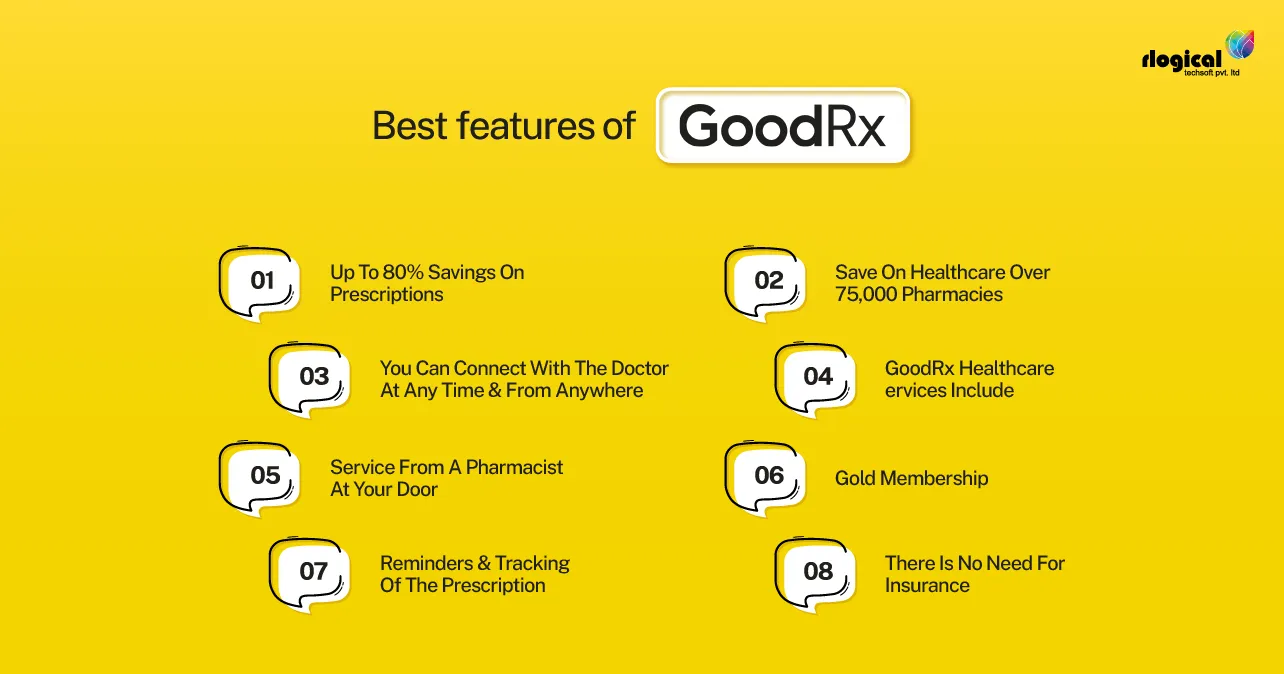
GoodRx offers a paid tier called “GoodRx Gold.” For a monthly fee, users get even deeper discounts and the ability to add family members. The financial consensus on Reddit is that this is a “math problem.” If the subscription costs $9.99 a month but saves you an additional $15 on a recurring monthly medication compared to the free version, the ROI is clear. It is a classic example of a subscription service that serves as a defensive financial tool against rising healthcare costs.
The Business of Your Data: Is the Trade-off Worth the Savings?
No discussion of a “free” financial tool is complete without analyzing how the company stays in business. GoodRx is a publicly traded company, and its revenue streams are a point of scrutiny for those concerned with digital privacy and long-term financial ethics.
How GoodRx Makes Money
GoodRx earns a referral fee from the PBMs every time a consumer uses one of their coupons. Essentially, they are a marketing engine for the PBMs. While this doesn’t cost the consumer anything directly, it is important to recognize that you are part of a massive data-sharing ecosystem.
Financial Privacy in the Digital Healthcare Space
The “price” of using GoodRx is often your data. While they have strict privacy policies, the reality of the digital age is that your medication history and search habits are valuable. For most users on Reddit, the trade-off is acceptable: “I’ll give up the fact that I take a generic statin if it saves me $600 a year.” However, for those in the “FIRE” (Financial Independence, Retire Early) community who prioritize extreme security and privacy, this is a factor to weigh against the raw dollar savings.
Maximizing Your Healthcare Budget with Digital Tools
The success of GoodRx has sparked a wave of transparency in the medical sector. It has taught consumers to shop for healthcare the same way they shop for electronics or travel. This shift in mindset is the most profound financial impact of the platform.
To maximize your healthcare budget using the “Reddit-approved” method, follow these steps:
-
Always check the price before you leave the doctor’s office. Ask the doctor for the generic name and check the GoodRx app immediately. If the price is too high, ask for an alternative medication in the same class.
-
Call ahead. Not every pharmacy clerk is well-versed in GoodRx. Calling ahead to ensure they accept the specific PBM listed on the coupon can save a wasted trip.
-
Audit your scripts annually. Prices change, and PBM contracts expire. What was the cheapest pharmacy last year might not be the cheapest this year.
In conclusion, “how GoodRx works” is less about the app itself and more about the democratization of pharmaceutical pricing data. For the modern consumer, it is an essential tool in the personal finance kit, providing a way to bypass the “black box” of insurance pricing. By understanding the mechanics of PBMs, weighing the impact on deductibles, and applying the crowdsourced strategies of the digital community, individuals can reclaim control over one of their largest and most unpredictable expenses. Healthcare may be a right or a privilege depending on who you ask, but at the pharmacy counter, thanks to tools like GoodRx, it has finally become a transparent market.
aViewFromTheCave is a participant in the Amazon Services LLC Associates Program, an affiliate advertising program designed to provide a means for sites to earn advertising fees by advertising and linking to Amazon.com. Amazon, the Amazon logo, AmazonSupply, and the AmazonSupply logo are trademarks of Amazon.com, Inc. or its affiliates. As an Amazon Associate we earn affiliate commissions from qualifying purchases.