
In the modern financial landscape, healthcare expenses represent one of the most volatile variables in a household budget. For many individuals and families, the cost of prescription medication can fluctuate wildly depending on insurance coverage, pharmacy location, and the specific terms of a healthcare plan. This is where GoodRx, a prominent financial tool in the healthcare sector, enters the conversation. Understanding how to acquire and effectively use a GoodRx card is not just about medical necessity; it is a core component of sophisticated personal finance management.
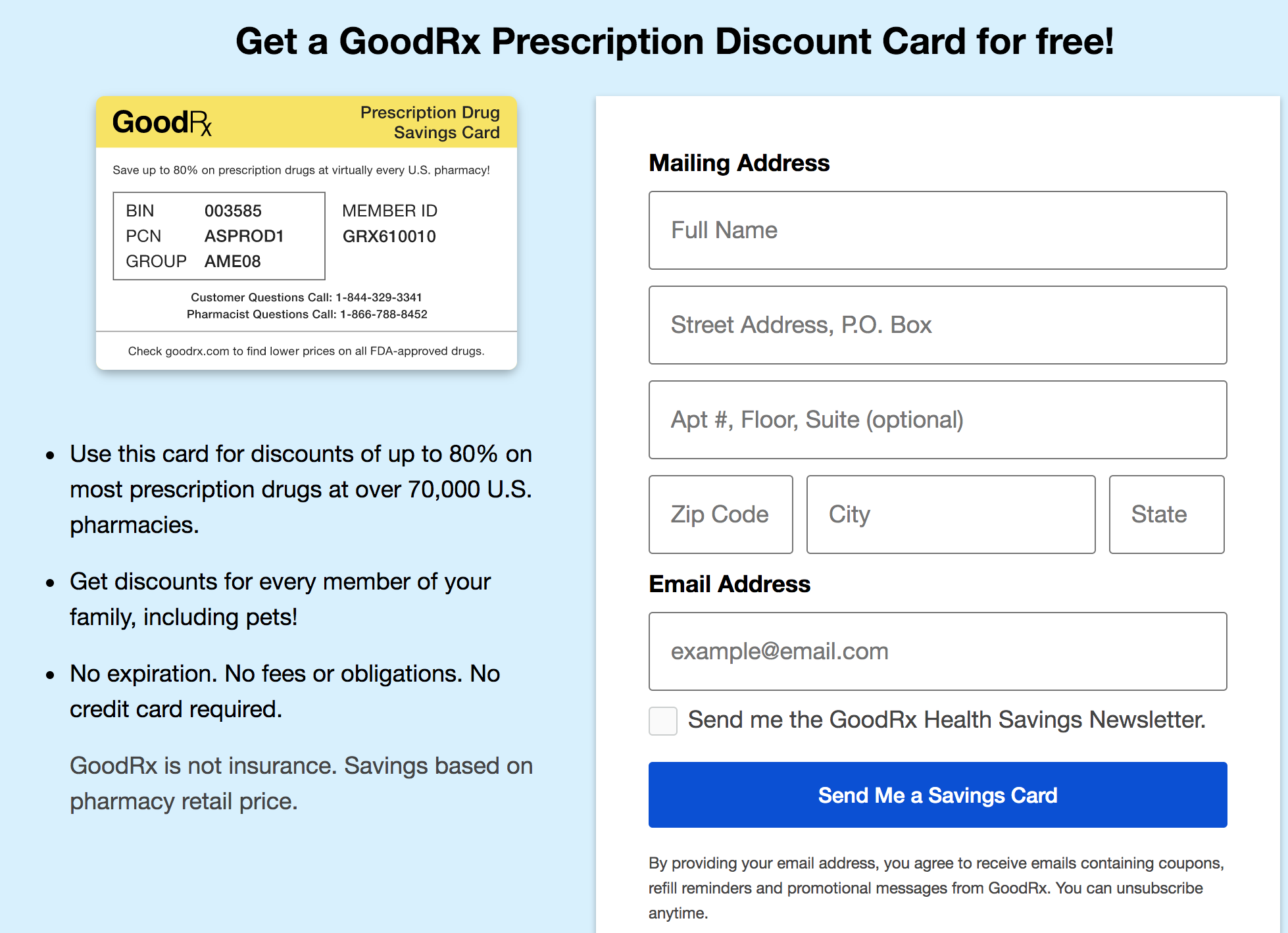
A GoodRx card is essentially a savings tool that provides access to negotiated rates for prescription medications. While many consumers believe that the price of a drug is fixed, the reality is more akin to a marketplace where prices vary significantly between retailers. By using a GoodRx card, consumers can bypass the standard retail price—often referred to as the “usual and customary” price—and instead pay a rate that has been pre-negotiated between GoodRx and the pharmacy.
How to Acquire Your GoodRx Savings Card
Securing a GoodRx card is a straightforward process, reflecting the brand’s commitment to accessibility and digital integration. There are several avenues to obtain the necessary information to start saving, ranging from physical cards to mobile applications.
The Digital Advantage: Using the Mobile App
The most efficient way to “get” a GoodRx card in the modern era is via the company’s mobile application. In the world of fintech and digital health, carrying a physical card is often unnecessary. By downloading the app on a smartphone, users essentially carry a dynamic savings card that updates in real-time. The app allows you to search for your specific medication, compare prices across different pharmacies in your immediate vicinity, and present a digital coupon to the pharmacist. This digital coupon contains the same four critical pieces of information found on a physical card: the BIN (Bank Identification Number), PCN (Processor Control Number), Group ID, and Member ID.
Printing a Card from the Website
For those who prefer a physical backup or do not use a smartphone, the GoodRx website offers a simple “Print” option. By visiting the official site, you can navigate to the “Savings Card” section. From there, you can print a generic card that can be used for most prescriptions. This card is free and does not require a credit card or a formal sign-up process. It is a “bearer” instrument, meaning whoever holds it can utilize the discounts associated with the codes printed on it.
Receiving a Card by Mail
If you prefer a durable, plastic version of the card to keep in your wallet, GoodRx provides an option to request one by mail. This is often a preferred method for individuals who want to ensure they always have the card ready for unexpected trips to the pharmacy. You simply enter your mailing address on their request page, and a physical card is dispatched within a few business days. This card acts as a permanent record of your membership in the GoodRx discount program, though it is important to remember that checking the app or website is still necessary to find the lowest current price, as rates can change.
The Financial Mechanics of GoodRx: Why It Works
To understand the value of the GoodRx card, one must understand the underlying economics of the pharmaceutical industry. The reason a discount card can offer prices lower than an insurance copay or a retail cash price lies in the complexity of Pharmacy Benefit Managers (PBMs).
The Role of Pharmacy Benefit Managers (PBMs)
PBMs are the middlemen of the pharmaceutical world. They negotiate prices with drug manufacturers and pharmacies on behalf of insurance companies. GoodRx works by partnering with multiple PBMs to gain access to these lower, negotiated rates. When you use a GoodRx card, you are essentially “opting out” of your insurance’s negotiated rate and “opting in” to the rate negotiated by one of the PBMs in the GoodRx network.
Price Transparency as a Financial Tool
In most sectors of the economy, price transparency is a given. However, in healthcare, prices are often opaque until the moment of purchase. GoodRx functions as a price discovery tool. By providing a platform where consumers can see that a medication might cost $15 at a grocery store pharmacy but $60 at a large national drugstore chain across the street, GoodRx empowers the consumer to make a rational financial decision. This level of transparency is a cornerstone of effective personal finance, allowing for better cash flow management and reduced out-of-pocket expenditures.
Strategic Integration into Personal Finance

Using a GoodRx card should not be a random occurrence; it should be part of a broader strategy for managing healthcare costs. This involves understanding when to use the card versus when to use traditional insurance.
GoodRx vs. Insurance: The Cost-Benefit Analysis
It is a common misconception that insurance always provides the lowest price. In reality, for many generic medications, the GoodRx price is lower than the insurance copay. For those with high-deductible health plans (HDHPs), the GoodRx price may be significantly lower than the “contracted rate” your insurance company has negotiated, which you would otherwise pay out-of-pocket until your deductible is met.
However, there is a strategic trade-off. When you use a GoodRx card, the money you spend typically does not count toward your insurance deductible or your out-of-pocket maximum. Therefore, if you anticipate hitting your deductible during the year due to a surgery or chronic illness, it may be financially wiser to pay the higher insurance price so that your expenditures contribute toward that cap. Conversely, if you are unlikely to meet your deductible, the immediate cash savings provided by GoodRx are more beneficial to your bottom line.
Compatibility with HSA and FSA Accounts
For those who utilize Health Savings Accounts (HSAs) or Flexible Spending Accounts (FSAs), GoodRx is a powerful ally. You can use your pre-tax HSA or FSA funds to pay for medications at the discounted GoodRx price. This creates a “double-dip” of savings: you are paying a lower base price for the medication, and you are paying for it with tax-advantaged dollars. This is a sophisticated way to stretch your healthcare budget further.
GoodRx Gold: Analyzing the Subscription Model
For frequent users of prescription medications, the standard free GoodRx card may not be the most cost-effective option. The company offers a premium tier known as GoodRx Gold.
ROI on the Monthly Subscription
GoodRx Gold is a subscription service that charges a monthly fee in exchange for even deeper discounts on medications and reduced prices on telehealth visits. For an individual or a family, the decision to upgrade should be based on a simple return-on-investment (ROI) calculation. If the monthly subscription fee is $9.99, but the Gold tier saves you an additional $20 per month compared to the free card, the service has a 100% monthly return.
Family and Pet Coverage
One of the most overlooked aspects of the GoodRx Gold plan is its inclusion of family members and even pets. In the realm of personal finance, “lifestyle creep” often includes the rising costs of veterinary care. Since many medications prescribed for pets are human-grade drugs filled at standard retail pharmacies, the GoodRx Gold card can significantly offset the costs of pet ownership, which is a growing line item in many household budgets.
Maximizing Value Through Pharmacy Selection
The final component of using a GoodRx card effectively is understanding the impact of geography and retail competition. Prices are not uniform across a city or even a single neighborhood.
The Competition Factor
Large retailers often use their pharmacies as “loss leaders”—services provided at a low margin to get customers into the store. By using the GoodRx app to compare prices, you might find that a warehouse club like Costco or a large grocer offers a price that is a fraction of the cost found at a dedicated pharmacy chain. You do not always need a membership to use the pharmacy at warehouse clubs, and the GoodRx card is accepted at almost all of them.

Comparing Manufacturer Coupons
While the GoodRx card is a robust tool, a savvy financial planner should also look for manufacturer “copay cards” for brand-name medications. These are offered directly by drug companies and can sometimes be used in conjunction with insurance to bring costs down even further than a discount card could. However, for the vast majority of generic drugs—which make up about 90% of prescriptions filled in the U.S.—the GoodRx card remains the gold standard for price reduction.
In conclusion, knowing where to get a GoodRx card is only the first step. The true value lies in the strategic application of the tool within your broader financial life. Whether you choose the digital app for convenience, a printed card for reliability, or a Gold subscription for maximum savings, you are taking a proactive step toward mastering your personal finances. In an era of rising costs and complex insurance structures, tools like GoodRx provide the transparency and leverage necessary to protect your wealth while maintaining your health.
aViewFromTheCave is a participant in the Amazon Services LLC Associates Program, an affiliate advertising program designed to provide a means for sites to earn advertising fees by advertising and linking to Amazon.com. Amazon, the Amazon logo, AmazonSupply, and the AmazonSupply logo are trademarks of Amazon.com, Inc. or its affiliates. As an Amazon Associate we earn affiliate commissions from qualifying purchases.