
In the vast and complex landscape of the American financial system, identifying the “largest” bank isn’t always as straightforward as it might seem. While many metrics can be used—from total assets to market capitalization, branch count, or customer base—one institution consistently stands out as the undisputed leader: JPMorgan Chase & Co. This financial titan dominates not only the domestic market but also holds significant sway in global finance. Understanding what makes JPMorgan Chase the largest involves delving into its immense scale, diverse operations, and pervasive influence on both individual consumers and the broader economy. This article will explore the various dimensions of “largest,” examine JPMorgan Chase’s colossal footprint, and contextualize its position within the competitive American banking sector.
Defining “Largest”: Beyond a Single Metric
When assessing the size and influence of a financial institution, merely citing one number can be misleading. “Largest” can be interpreted through several critical lenses, each offering a unique perspective on a bank’s scale and reach. A truly comprehensive understanding requires looking at a combination of these factors.
Total Assets Under Management (AUM)
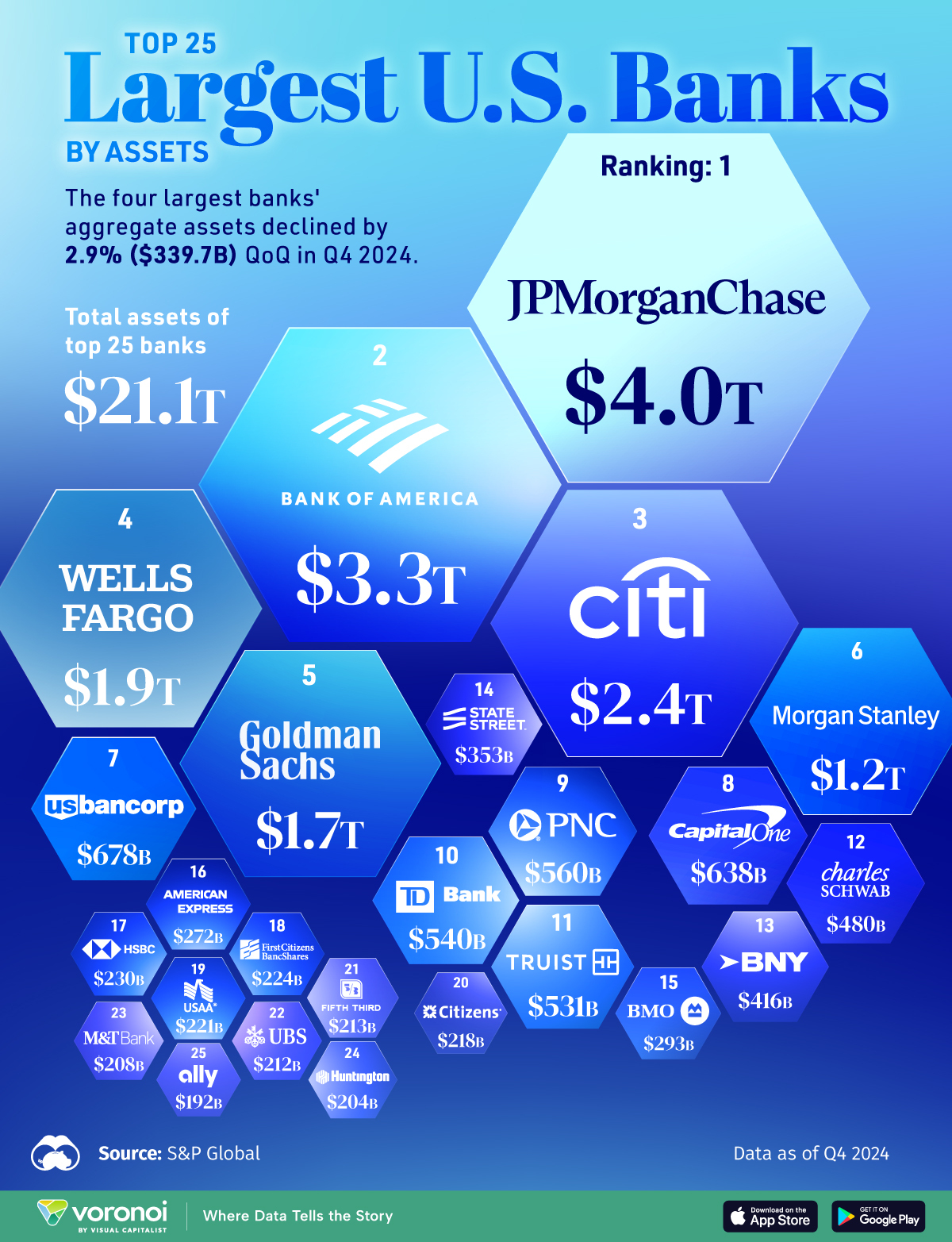
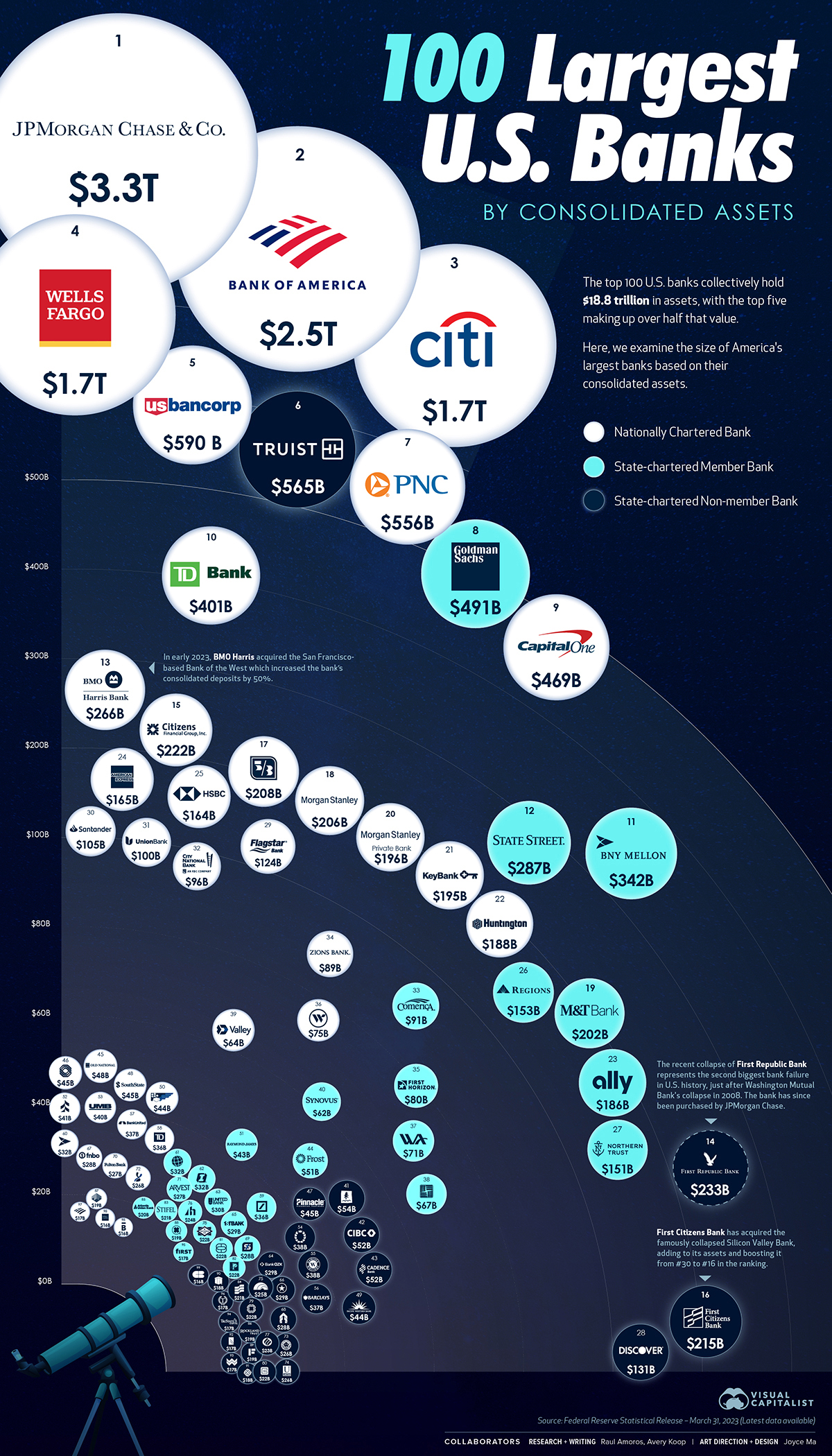
Perhaps the most commonly cited and significant metric for a bank’s size is its total assets. This figure represents the sum of all resources owned by the bank, including loans, investments, cash, and other holdings. For banks, a higher asset base typically indicates greater lending capacity, investment power, and overall economic clout. JPMorgan Chase consistently reports the highest total assets among U.S. banks, often exceeding $3.5 trillion. This staggering figure reflects the immense capital it controls and deploys across its various business segments, from individual mortgages to complex corporate financing deals. The sheer volume of these assets allows the bank to absorb significant market fluctuations and invest in large-scale projects, underpinning its stability and capacity for growth.
Market Capitalization
Market capitalization, or “market cap,” provides another crucial measure of a bank’s size, reflecting its total value as perceived by the stock market. Calculated by multiplying the bank’s share price by the number of outstanding shares, market cap indicates investor confidence and future growth expectations. While asset figures often reflect historical accumulation and current holdings, market cap offers a real-time assessment of a company’s worth and potential. JPMorgan Chase frequently boasts the highest market capitalization among U.S. banks, often fluctuating between $400 billion and $500 billion. This metric underscores its robust financial performance, strong brand reputation, and the market’s belief in its sustained leadership and profitability. It also highlights the bank’s appeal to investors seeking exposure to the financial sector.
Number of Branches and Employees
While the banking industry is rapidly digitizing, the physical presence of branches and the human capital of employees remain important indicators of a bank’s reach and ability to serve a diverse customer base. A vast network of branches ensures accessibility for consumers and small businesses, particularly in areas where digital banking may not fully meet all needs. Similarly, a large employee base signifies the operational scale required to manage complex financial products, vast customer service demands, and intricate global operations. JPMorgan Chase operates thousands of branches across the United States and employs hundreds of thousands of individuals worldwide. This extensive physical and human network allows it to maintain a strong connection with communities, provide personalized services, and execute its diverse business strategies across various regions and demographics.
Customer Base and Global Reach
The sheer number of customers a bank serves, both individual consumers and corporate clients, is a testament to its market penetration and brand loyalty. A large customer base translates into significant transaction volumes, deposit growth, and revenue generation. Furthermore, for a bank to truly be “largest,” its influence often extends beyond domestic borders. Global reach, measured by international offices, cross-border transactions, and multinational client relationships, underscores a bank’s role in the global financial ecosystem. JPMorgan Chase serves tens of millions of households and millions of businesses in the U.S. and operates in over 100 countries. This immense customer footprint and global presence solidify its position as a leading financial institution, capable of facilitating complex international trade, investment, and capital flows.
JPMorgan Chase: A Colossus in Context
JPMorgan Chase’s journey to becoming the largest bank in America is a story of strategic mergers, relentless expansion, and a diversified business model that touches nearly every aspect of finance. Its sheer scale allows it to offer an unparalleled range of services, from basic checking accounts to sophisticated investment banking solutions.
A Legacy of Mergers and Acquisitions
The foundation of modern-day JPMorgan Chase is built upon a rich history of strategic consolidation. Its lineage can be traced back to some of America’s oldest and most influential financial institutions, including J.P. Morgan & Co., Chase Manhattan Bank, Bank One, and Bear Stearns. The pivotal merger of J.P. Morgan & Co. and Chase Manhattan Corporation in 2000 created a powerhouse, which was further bolstered by the acquisition of Bank One in 2004, solidifying its consumer banking presence. Perhaps one of its most defining moments was the acquisition of Bear Stearns in 2008 during the global financial crisis, a move that prevented a wider collapse of the financial system and significantly expanded JPMorgan Chase’s investment banking capabilities. These mergers were not merely about increasing size; they were strategic maneuvers to acquire complementary businesses, expand market share, and diversify revenue streams, ultimately forging an integrated financial services giant.
Diverse Business Segments
A key reason for JPMorgan Chase’s dominance is its highly diversified business model, organized into several major segments, each a significant player in its own right. This diversification mitigates risk and ensures multiple avenues for revenue generation.
-
Consumer & Community Banking (CCB): This is the segment most familiar to the average American. It includes retail banking services such as checking and savings accounts, credit cards, mortgages, auto loans, and small business banking. With thousands of branches and ATMs, and a robust digital platform, CCB serves tens of millions of households and millions of small businesses. This segment provides a stable base of deposits and a wide customer acquisition funnel.
-
Corporate & Investment Bank (CIB): Often considered the engine of Wall Street, the CIB provides a comprehensive suite of services to corporations, institutions, and governments worldwide. This includes investment banking (mergers and acquisitions advisory, equity and debt underwriting), market making in various asset classes (equities, fixed income, foreign exchange), and prime brokerage services. It’s a global leader in many of these areas, driving substantial fee and trading income.
-
Commercial Banking: This segment serves mid-sized corporations, large private companies, and government entities. It offers a range of financial solutions, including lending, treasury services, and investment banking products tailored to the needs of these larger commercial clients. It bridges the gap between small business banking and full-scale corporate investment banking.
-
Asset & Wealth Management (AWM): AWM provides investment management and wealth advisory services to institutions, affluent individuals, and high-net-worth clients. It manages trillions of dollars in assets across various investment strategies and product types, including mutual funds, alternative investments, and personalized wealth planning. This segment generates significant fee income and positions JPMorgan Chase as a trusted advisor to a vast pool of capital.
The Scale of Operations
The sheer operational scale of JPMorgan Chase is difficult to overstate. It processes trillions of dollars in payments daily, facilitates an enormous volume of trading activity across global markets, and manages an active loan portfolio worth hundreds of billions of dollars. Its technology infrastructure is among the most sophisticated in the world, requiring massive investments in cybersecurity, data analytics, and digital innovation to support its global operations. This scale allows the bank to achieve economies of scale, offer competitive pricing, and invest in cutting-edge technology and talent, further solidifying its competitive advantage. From the local ATM to complex algorithmic trading systems, JPMorgan Chase’s operations are a testament to its intricate and expansive global network.
The Economic Impact of a Banking Giant
The presence of an institution as large as JPMorgan Chase has profound implications for the global economy, consumers, and the financial system itself. Its operations extend far beyond mere financial transactions, touching upon national economic stability and international market dynamics.
Role in Global Financial Markets

As a primary dealer of U.S. government securities and a major participant in global foreign exchange, equities, and derivatives markets, JPMorgan Chase plays a pivotal role in the functioning of international finance. Its trading desks facilitate liquidity, help price assets, and manage risk for clients worldwide. The bank’s research and analysis divisions provide critical insights that influence investment decisions across industries and geographies. Furthermore, its corporate and investment banking arms are instrumental in capital formation, enabling companies to raise funds through stock offerings and bond issuances, thus fueling economic growth and job creation globally. A disruption to an institution of this size could send ripples across financial markets worldwide, underscoring its systemic importance.
Impact on Consumers and Small Businesses
For the everyday consumer and small business owner, JPMorgan Chase represents accessibility and a broad range of financial products. Its extensive branch network and digital platforms offer convenient banking services, from managing daily expenses to securing mortgages and small business loans. The bank’s scale enables it to invest heavily in technology, leading to innovations in mobile banking, payment systems, and fraud protection that benefit its vast customer base. While its size can sometimes lead to perceptions of impersonality, it also allows for competitive pricing on certain products and a robust support infrastructure. For small businesses, access to credit lines, payment processing, and treasury services from a major institution like JPMorgan Chase can be crucial for growth and operational efficiency.
Systemic Importance (Too Big to Fail)
The term “Too Big to Fail” became prominent during the 2008 financial crisis, referring to institutions whose collapse could trigger a wider systemic breakdown of the financial system. JPMorgan Chase, along with a handful of other global banks, is designated as a Globally Systemically Important Bank (G-SIB) by international regulatory bodies. This designation comes with increased regulatory scrutiny, higher capital requirements, and stricter liquidity standards aimed at preventing another crisis. While the “Too Big to Fail” label carries connotations of moral hazard and potential taxpayer bailouts, it also reflects the indispensable role these institutions play in the economy. Their sheer size and interconnectedness mean their stability is paramount to the health of the entire financial ecosystem. This constant balancing act between fostering competition and ensuring stability is a perpetual challenge for regulators and policymakers.
Beyond JPMorgan Chase: Other Major Players in the American Banking Landscape
While JPMorgan Chase holds the top spot, the American banking sector is also home to other formidable institutions that rank among the largest and most influential. These banks offer similar comprehensive services and compete intensely across various market segments.
Bank of America: A Close Contender
Bank of America often vies with JPMorgan Chase for the second-largest position, particularly in terms of total assets and consumer banking footprint. With its vast branch network and millions of consumer accounts, Bank of America is a dominant force in retail banking. It is also a major player in corporate and investment banking, wealth management, and commercial lending. Known for its strong digital banking capabilities and extensive ATM network, Bank of America has made significant strides in modernizing its services and attracting a broad customer base. Its consistent performance across diverse segments makes it a formidable competitor.
Wells Fargo: Consumer Banking Powerhouse
Despite navigating significant challenges and reputational damage from past scandals, Wells Fargo remains one of the largest banks in America, particularly strong in consumer banking, mortgage lending, and small business services. Traditionally known for its extensive physical presence and community-focused approach, Wells Fargo boasts one of the largest branch networks in the U.S. While its growth has been constrained by regulatory penalties in recent years, its core banking operations and customer base remain substantial. Its strong regional presence and focus on relationship banking continue to make it a significant player, especially in the Western United States.
Citigroup: Global Reach and Institutional Strength
Citigroup stands out for its particularly strong global presence and institutional client focus. While it has a smaller retail banking footprint in the U.S. compared to its peers, Citi’s Corporate and Investment Banking division is a global powerhouse, providing services to multinational corporations, institutions, and governments across nearly 160 countries. Its global transaction services, including treasury and trade solutions, are critical for international commerce. Citigroup’s strategic emphasis on its institutional clients and international operations distinguishes it from its more domestically retail-focused counterparts, making it a critical player in cross-border finance and global capital markets.
The Future of Banking: Challenges and Innovations for Large Institutions
The banking industry is in a perpetual state of evolution, and even the largest institutions like JPMorgan Chase are not immune to the forces of change. They face ongoing challenges from technological disruption, regulatory pressures, and evolving customer expectations.
Digital Transformation and Fintech Competition
The rise of financial technology (Fintech) companies has introduced new forms of competition, particularly in areas like payments, lending, and investment management. These nimble startups often leverage advanced technology to offer specialized, user-friendly services at lower costs. In response, large banks are investing billions in digital transformation, enhancing their mobile apps, artificial intelligence capabilities, and cybersecurity measures. JPMorgan Chase, for instance, has its own innovation labs, invests in promising Fintech startups, and continuously upgrades its digital platforms to offer seamless and personalized experiences to its customers, demonstrating a proactive approach to embracing rather than resisting technological change.
Regulatory Scrutiny and Compliance
Following the 2008 financial crisis, large banks have faced an increasingly stringent regulatory environment. New regulations like Dodd-Frank in the U.S. and Basel III internationally have imposed higher capital requirements, stricter liquidity standards, and enhanced oversight on systemic institutions. Compliance with these complex regulations requires significant resources, technology, and personnel, adding to operational costs. Furthermore, large banks face constant scrutiny over issues like consumer protection, anti-money laundering (AML), and data privacy. Navigating this regulatory landscape while maintaining profitability and innovation remains a significant challenge.
ESG (Environmental, Social, Governance) Pressures
Environmental, Social, and Governance (ESG) factors are rapidly becoming central to how large banks operate and are perceived. Stakeholders, including investors, customers, and employees, are increasingly demanding that banks demonstrate a commitment to sustainability, social responsibility, and ethical governance. This translates into banks re-evaluating their lending policies for industries with high environmental impact, investing in renewable energy projects, promoting diversity and inclusion within their workforce, and transparently reporting on their ESG performance. JPMorgan Chase, like its peers, has set ambitious targets for sustainable finance and is actively working to integrate ESG considerations into its core business strategy, recognizing that long-term success is intertwined with broader societal well-being.
Conclusion
JPMorgan Chase & Co. stands as the largest bank in America, a distinction earned through its colossal asset base, formidable market capitalization, extensive operational reach, and diverse suite of financial services. Its history of strategic growth and its pervasive presence across consumer, corporate, and investment banking segments solidify its position at the apex of the U.S. financial industry.
The bank’s sheer size gives it unparalleled influence on global financial markets, national economic stability, and the daily lives of millions of Americans and businesses. While formidable competitors like Bank of America, Wells Fargo, and Citigroup also wield significant power, JPMorgan Chase consistently outpaces them across most key metrics. As the financial landscape continues to evolve, driven by technological innovation, regulatory dynamics, and increasing demands for social responsibility, JPMorgan Chase, along with its fellow banking giants, will remain at the forefront, adapting and innovating to meet the complex challenges and opportunities of the 21st century. Its continued evolution will shape not just the future of banking, but the broader economy itself.
aViewFromTheCave is a participant in the Amazon Services LLC Associates Program, an affiliate advertising program designed to provide a means for sites to earn advertising fees by advertising and linking to Amazon.com. Amazon, the Amazon logo, AmazonSupply, and the AmazonSupply logo are trademarks of Amazon.com, Inc. or its affiliates. As an Amazon Associate we earn affiliate commissions from qualifying purchases.