
In the modern financial landscape, the ability to navigate your own banking information is a fundamental skill. Whether you are setting up a new direct deposit for a side hustle, organizing automated bill payments for your household, or initiating a significant wire transfer for an investment, you will inevitably be asked for your routing number. While it is a sequence of nine digits that many of us interact with frequently, its location and purpose can sometimes remain elusive, especially as we transition further away from physical paper checks toward a purely digital banking experience.

Understanding where to find your routing number—and more importantly, ensuring you have the correct one for the specific financial task at hand—is critical for the smooth management of your personal and business finances.
The Basics: Identifying Your Routing Number on Physical Documents
Despite the rise of digital-first banking, physical documents remain the most traditional and often the most reliable way to verify your routing number. These documents serve as the primary paper trail for your account and contain the standardized sequences required by the American Bankers Association (ABA).
The Layout of a Personal Check
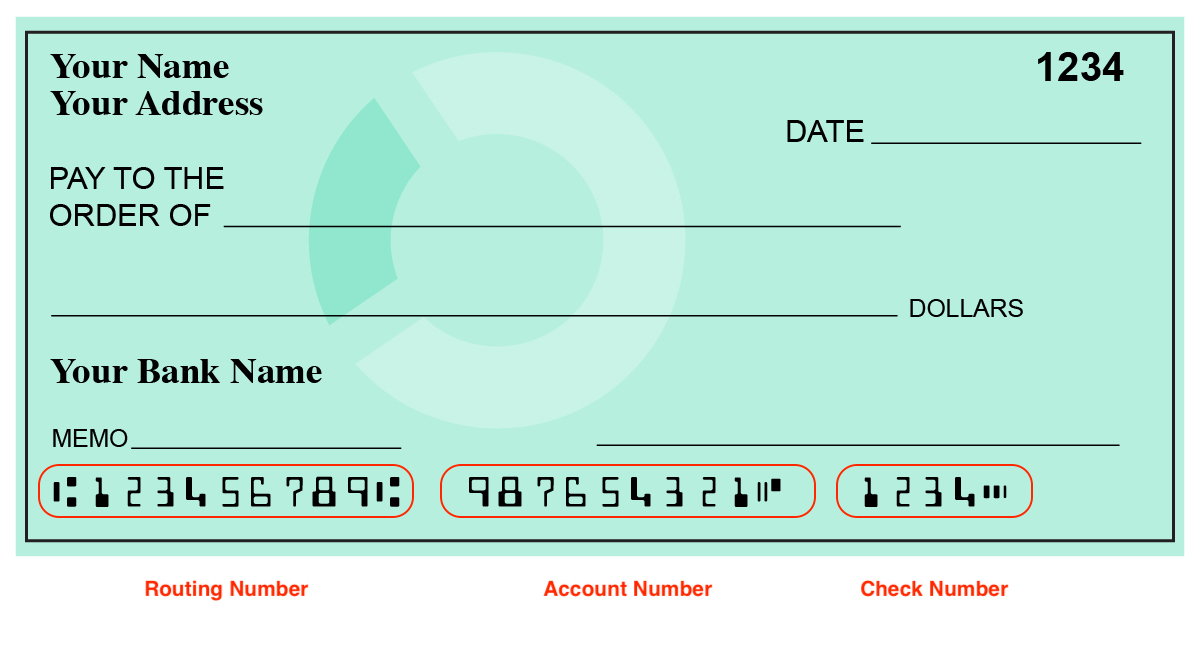
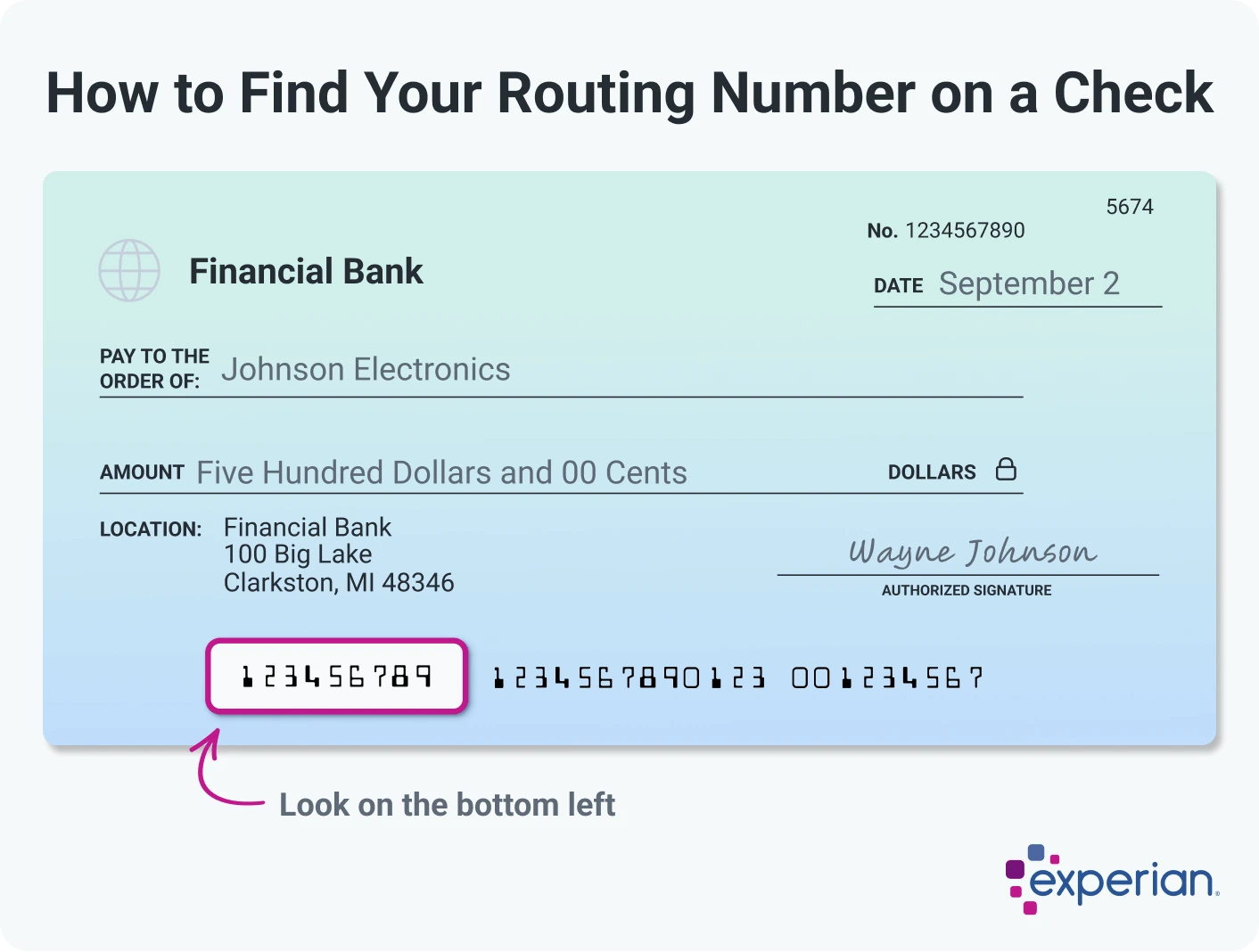
The most common place to find a routing number is on a personal check. If you still utilize a physical checkbook, the information is printed clearly along the bottom edge using Magnetic Ink Character Recognition (MICR) font. This specialized typeface allows high-speed processing machines at the Federal Reserve and commercial banks to read the information accurately.
When looking at the bottom of your check, you will typically see three distinct sets of numbers. The first set of nine digits, usually located on the far left, is your routing transit number (RTN). It is always nine digits long and is framed by a specific symbol that looks like a vertical bar with two dots. The middle set of numbers is your unique account number, and the final, shorter set of numbers is the check number itself.
Bank Statements and Official Correspondence
For those who have moved away from physical checks, monthly bank statements are the next best physical (or downloadable PDF) resource. Most financial institutions include the routing number in the header or the “Account Summary” section of the statement. This document is particularly useful because it provides an official record from the bank, reducing the risk of transcription errors that might occur when looking at a third-party source.
If you have recently opened an account, your “New Account” kit or the paperwork provided during the onboarding process will also list this information. It is often labeled clearly as the “ABA Routing Number” or “Transit Number.”
Navigating the Digital Landscape: Online and Mobile Banking
As financial technology evolves, the way we access our banking credentials has shifted toward mobile-first interfaces. Most consumers now manage the bulk of their personal finance through smartphone applications or web portals. Locating your routing number in these environments requires navigating through specific menus designed for security and clarity.
Accessing Details via the Mobile App
Modern banking apps are designed for efficiency, but security protocols sometimes tuck sensitive information behind a few layers of navigation. To find your routing number in a mobile app, you generally need to follow these steps:
-
Log in to the application using your biometric data or password.
-
Select the specific checking or savings account you wish to view.
-
Look for a link or tab labeled “Account Details,” “Account Info,” or “Manage Account.”
-
Within this sub-menu, the routing number will be displayed alongside your full account number.
Many apps also offer a “Show” or “Eye” icon that you must tap to reveal the full number, a security feature intended to prevent prying eyes from seeing your credentials in public spaces.
Finding Information on Web Portals
If you are accessing your bank via a desktop browser, the process is similar but often provides a more comprehensive view of your financial tools. Once logged in, the routing number is frequently found on the main dashboard near the account balance or within the “Settings” or “Direct Deposit Info” section.
One advantage of using a web portal is the ability to easily download a “Direct Deposit Authorization Form.” Most major banks provide a pre-filled PDF that includes your name, account number, and routing number. This is an excellent tool to use when providing information to an employer or a government agency, as it eliminates the possibility of manual entry errors.
Why You Need Your Routing Number: Practical Applications in Personal Finance
A routing number is not merely an arbitrary string of digits; it acts as the “address” for your financial institution within the massive network of the U.S. banking system. Knowing where to find it is the first step; knowing when and how to use it is the second.
Setting Up Direct Deposits
Whether you are a traditional employee receiving a bi-weekly paycheck or a freelancer collecting payments from various clients, direct deposit is the standard for modern income. To facilitate this, the paying entity needs to know exactly which bank to send the funds to. By providing your routing number, you are telling the Clearing House exactly where your account resides. This ensures that funds are moved electronically and efficiently, often appearing in your account faster than a physical check would clear.
Managing Automated Bill Payments
In the realm of personal finance management, automation is a powerful tool for maintaining a high credit score and avoiding late fees. Many service providers, such as utility companies, mortgage lenders, and insurance firms, offer “Electronic Funds Transfer” (EFT) options. When you link your bank account directly to these services using your routing number, you create a seamless pipeline for recurring expenses. This method is often preferred over using a credit or debit card, as it bypasses card expiration issues and potential processing fees.
Facilitating Domestic Wire Transfers
While ACH (Automated Clearing House) transfers are common for everyday transactions, wire transfers are used for high-value or time-sensitive payments, such as a down payment on a home. In these instances, providing the correct routing number is paramount. It is important to note that some larger banks use a specific routing number exclusively for wire transfers that differs from the one used for standard ACH transactions or paper checks.
Common Pitfalls and Variations to Keep in Mind
A common misconception in personal finance is the idea that a bank has only one routing number. Depending on the size of the institution and the type of transaction you are performing, there may be several variations.
ACH vs. Wire Transfer Routing Numbers
Many national banks operate across multiple states and have grown through various mergers. As a result, they may have different routing numbers based on the geographic region where you opened your account. Furthermore, as mentioned previously, there is often a distinction between the ACH routing number and the Wire Transfer routing number.
Before initiating a large transfer, it is a best practice to verify with your bank which number should be used. Using an ACH routing number for a wire transfer can result in the transaction being rejected or delayed, which can be costly in time-sensitive business or real-estate dealings.
International Transfers: SWIFT and BIC Codes
If you are receiving money from an international source or sending funds abroad, a standard nine-digit ABA routing number is usually insufficient. The international banking community utilizes the SWIFT (Society for Worldwide Interbank Financial Telecommunication) network. In these cases, you will need your bank’s SWIFT code or BIC (Bank Identifier Code). While these serve a similar purpose to a routing number—identifying the specific institution—they are formatted differently and are used for the global movement of capital.
The Mechanics of the Nine-Digit Code: What It Tells the Financial System
To truly master your financial tools, it helps to understand what those nine digits actually represent. The routing transit number system was developed in 1910 to simplify the sorting and shipment of paper checks.
The first four digits of the routing number are the Federal Reserve Routing Symbol. The first two digits indicate which of the 12 Federal Reserve districts the bank is located in. For example, a routing number starting with “02” indicates the Second District (New York).
The next four digits (positions five through eight) represent the specific ABA institution identifier, which is unique to that bank. The final digit is a “check digit.” This is calculated using a complex mathematical formula involving the first eight digits. If a single number is typed incorrectly during a transaction, the check digit will not match the formula’s output, allowing the banking system’s software to instantly flag the error and prevent the funds from being sent to a non-existent destination.
By understanding the logic behind these numbers and knowing exactly where to find them—whether on a physical check, through a mobile app, or on a bank statement—you empower yourself to manage your finances with greater precision and security. In an era where financial speed and accuracy are more important than ever, being the master of your own banking credentials is a vital component of long-term fiscal health.
aViewFromTheCave is a participant in the Amazon Services LLC Associates Program, an affiliate advertising program designed to provide a means for sites to earn advertising fees by advertising and linking to Amazon.com. Amazon, the Amazon logo, AmazonSupply, and the AmazonSupply logo are trademarks of Amazon.com, Inc. or its affiliates. As an Amazon Associate we earn affiliate commissions from qualifying purchases.