
Mastercard stands as one of the most recognizable and widely utilized financial networks in the world. For the modern consumer, the question of “where is Mastercard accepted” is less about finding a specific storefront and more about understanding the sheer scale of a financial ecosystem that spans across continents, currencies, and digital platforms. As a cornerstone of the global payments industry, Mastercard provides a bridge between financial institutions, merchants, and cardholders, ensuring that capital remains fluid and accessible regardless of geographical boundaries.
To understand the scope of Mastercard’s acceptance, one must first look at the infrastructure that supports it. Currently, Mastercard is accepted at over 100 million merchant locations worldwide, spanning more than 210 countries and territories. This massive network includes everything from multinational retail conglomerates and luxury hotels to small-scale street vendors in emerging markets that utilize mobile point-of-sale (mPOS) technology. For personal finance management, this ubiquity makes the Mastercard network an essential tool for both daily expenditures and high-stakes international investment.

The Global Reach of the Mastercard Network
The primary reason for Mastercard’s near-universal acceptance is its robust “Four-Party Model.” This system connects the cardholder, the issuing bank (the consumer’s bank), the merchant, and the acquiring bank (the merchant’s bank). Because Mastercard provides the technology and the rules for these transactions to occur seamlessly, it has become a preferred standard for businesses that want to ensure they never miss a sale due to payment friction.
Merchant Acceptance Statistics and Geography
In developed economies like the United States, Canada, the United Kingdom, and much of the European Union, Mastercard acceptance is effectively universal among businesses that accept electronic payments. In these regions, if a store accepts credit or debit cards at all, it almost certainly accepts Mastercard. This includes major supermarkets, fuel stations, pharmacies, and government agencies.
In emerging markets across Southeast Asia, Africa, and Latin America, the footprint is expanding rapidly. Mastercard has invested heavily in digital infrastructure in these regions, partnering with local fintech firms to bridge the gap between traditional banking and the unbanked or underbanked populations. As a result, even in regions where cash was once king, the Mastercard logo is increasingly visible at local markets and transit hubs.
The Role of the Cirrus and Maestro Networks
Acceptance isn’t limited to merchant terminals. For many, “acceptance” also means access to cash. Mastercard operates the Cirrus and Maestro brands, which are integral to the global ATM network. If a card features the Cirrus logo, it can be used to withdraw local currency at millions of ATMs globally. This provides a layer of financial security for travelers, ensuring that even if a specific merchant does not accept cards, the cardholder can still access the liquidity needed to complete a transaction in cash.
Where You Can Use Your Mastercard: Industry Breakdowns
The versatility of the Mastercard network is best demonstrated through its integration into various economic sectors. From the basic necessities of life to the complexities of corporate procurement, the network’s acceptance is tailored to meet specific industry needs.
Retail and Daily Essentials
In the realm of personal finance, the most frequent use of Mastercard is in retail. This category encompasses big-box retailers like Walmart and Target, as well as high-end boutiques and local grocery chains. The integration here is seamless; with the advent of “Contactless” or “Tap-and-Go” technology, Mastercard has become a primary tool for micro-transactions—those small, daily purchases like a morning coffee or a subway fare—that were previously dominated by cash.
The Travel and Hospitality Sector
Mastercard is a dominant force in the travel industry. It is accepted by virtually every major airline, car rental agency, and hotel chain globally. In fact, many travel-related businesses prefer Mastercard (and its primary competitor, Visa) because the network provides a standardized method for handling “holds” or “authorizations.” When you check into a hotel or rent a vehicle, the merchant often places a temporary hold on your funds to cover incidental costs; the Mastercard network facilitates this complex financial maneuver with high reliability.
E-commerce and the Digital Economy
In the digital age, “where” Mastercard is accepted extends into the cloud. Mastercard is a standard payment method for nearly every major e-commerce platform, including Amazon, eBay, and Alibaba. Beyond simple shopping, it is the backbone of the subscription economy. Services like Netflix, Spotify, and various SaaS (Software as a Service) platforms rely on the recurring billing capabilities of the Mastercard network to maintain steady cash flow and user access.
Understanding Acceptance Tiers and Technology
Not all Mastercard experiences are identical. The network utilizes different tiers and technologies that can affect where and how a card is accepted, as well as the benefits the cardholder receives during the transaction.
Physical Cards vs. Digital Wallets
While the physical plastic card remains the most common form of the tool, digital acceptance has skyrocketed. Mastercard is a core partner for digital wallets such as Apple Pay, Google Pay, and Samsung Pay. This means that even if a merchant does not have a traditional card reader, if they have a Near Field Communication (NFC) enabled terminal, your Mastercard is “accepted” via your smartphone or smartwatch. This shift has significantly increased the security of transactions by using tokenization, where your actual card number is never shared with the merchant.
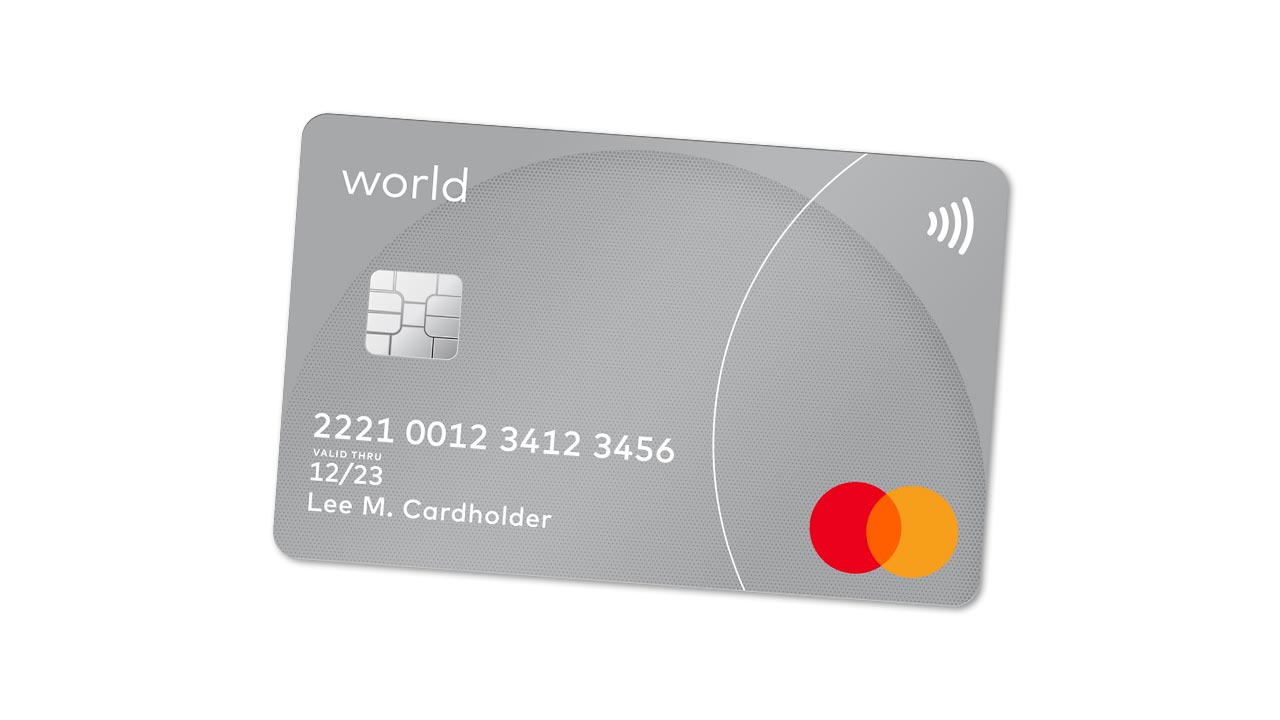
Tiered Benefits: Standard, World, and World Elite
While the basic “acceptance” of the card is the same across tiers, the utility of the card changes.
-
Standard Mastercard: Provides basic acceptance and fraud protection.
-
World Mastercard: Often includes additional travel benefits and higher levels of merchant-specific offers.
-
World Elite Mastercard: This tier is accepted globally but offers the cardholder premium perks such as concierge services, airport lounge access, and enhanced insurance coverage. For the high-net-worth individual or the frequent business traveler, the “acceptance” of a World Elite card often comes with specialized treatment at luxury retailers and hotels.
Factors That Influence Acceptance and Merchant Choice
While Mastercard has one of the highest acceptance rates in the world, there are rare instances where a merchant might not accept it. Understanding these factors is key to sophisticated personal finance management.
Merchant Fees and Interchange Rates
Every time a consumer swipes a Mastercard, the merchant pays a small percentage of the transaction as a fee. This is known as the interchange fee. In some very rare cases, small businesses with extremely thin profit margins might choose to accept only cash or debit cards to avoid these fees. However, because Mastercard offers competitive rates and brings in high-spending customers, most businesses find that the cost of not accepting Mastercard is far higher than the fees themselves.
Region-Specific Payment Networks
In certain countries, local payment networks may take precedence. For example, in parts of Germany, some smaller shops might only accept “Girocard,” a local debit system. In China, while Mastercard is accepted at major international hotels and high-end retailers, many local merchants prioritize mobile payment platforms like Alipay or WeChat Pay. However, Mastercard has made significant strides in these markets by partnering with these local giants, allowing international travelers to link their Mastercard to local apps.
Security and Fraud Prevention
Mastercard’s acceptance is also bolstered by its security protocols. The transition to EMV chip technology (and away from the magnetic stripe) has drastically reduced card-present fraud. Merchants are more willing to accept Mastercard because the network offers a “Liability Shift”—if a merchant uses a chip-enabled reader, they are generally protected against the costs of fraudulent transactions. This security makes the network more attractive to businesses, thereby increasing the number of locations where the card is accepted.
Strategic Tips for Mastercard Cardholders
To get the most out of the Mastercard network’s global acceptance, cardholders should approach their usage with a strategic mindset.
Planning for International Travel
If you are traveling to a region where you are unsure of card acceptance, it is always wise to look for the Mastercard, Maestro, or Cirrus logos on store windows or ATM machines. Furthermore, many Mastercard products, especially those in the “World” or “World Elite” categories, offer no foreign transaction fees. Using these cards at international merchants ensures that you are getting the most favorable exchange rate provided by the Mastercard network without being penalized by your issuing bank.
Leveraging Merchant-Specific Offers
Mastercard often runs “Priceless” campaigns and merchant-specific discounts. Because of their wide acceptance, they can negotiate exclusive deals with major brands. Before making a large purchase, cardholders should check their bank’s app or the Mastercard website to see if their “accepted” card also entitles them to a rebate, a discount, or an extended warranty at specific retailers.
The Future of Mastercard Acceptance
The horizon of Mastercard acceptance is moving toward biometrics and decentralized finance. We are already seeing the integration of fingerprint sensors on physical cards and the exploration of blockchain technology to facilitate even faster cross-border settlements. As these technologies evolve, the “where” of Mastercard acceptance will likely expand into virtual realities and metaverses, continuing its legacy as a universal medium of exchange.
In conclusion, Mastercard’s acceptance is a testament to decades of financial engineering and global partnership. Whether you are paying for a coffee in New York, a hotel in Tokyo, or a digital subscription in London, the Mastercard network provides the invisible but essential rails upon which the global economy moves. For the consumer, it represents more than just a payment method; it represents financial freedom and the ability to participate in the global marketplace with confidence and security.
aViewFromTheCave is a participant in the Amazon Services LLC Associates Program, an affiliate advertising program designed to provide a means for sites to earn advertising fees by advertising and linking to Amazon.com. Amazon, the Amazon logo, AmazonSupply, and the AmazonSupply logo are trademarks of Amazon.com, Inc. or its affiliates. As an Amazon Associate we earn affiliate commissions from qualifying purchases.