
In the modern financial landscape, your bank account number acts as a unique digital fingerprint. It is the primary identifier used to route funds accurately during transfers, set up payroll via direct deposit, and authorize automatic bill payments. While we live in an era of biometric logins and one-tap mobile payments, the fundamental infrastructure of the global banking system still relies on this specific string of digits to ensure that money reaches the correct destination.
Despite its importance, many consumers find themselves searching for this information at critical moments. Because of security protocols, banks often hide or “mask” these numbers in digital interfaces to prevent unauthorized access. Understanding exactly where to look—whether you are holding a physical checkbook, navigating a high-tech mobile app, or reviewing a monthly statement—is a core competency of personal financial management.
The Essential Architecture of Banking: Defining the Account Number
Before hunting for the number itself, it is vital to understand what it represents and how it differs from other identifiers. In the United States and many other territories, your financial identity is defined by a combination of two primary numbers: the routing number and the account number.
The Difference Between Routing and Account Numbers
The routing number, often called an ABA (American Bankers Association) number, is a nine-digit code that identifies the specific financial institution. Think of the routing number as the “zip code” for your bank. It tells the financial system which “building” the money needs to go to.
The account number, conversely, is specific to you. It identifies your individual “mailbox” within that building. While thousands of people share the same routing number, your account number is unique to your specific checking, savings, or money market account. Most domestic account numbers range from 8 to 12 digits, though some institutions use shorter or longer sequences.
Why Your Debit Card Number Is Not Your Account Number
One of the most common misconceptions in personal finance is the belief that the 16-digit number on a plastic debit card is the bank account number. It is not. The debit card number is a unique identifier for the plastic card itself and is linked to the Visa, Mastercard, or Discover payment networks.
While the card is “linked” to your bank account, the numbers serve different functions. If you lose your debit card and the bank issues a replacement, your card number will change, but your bank account number remains the same. Using a debit card number for a direct deposit or an ACH transfer will result in a failed transaction.
Navigating the Digital Dashboard: Finding Information Online
As banking has shifted toward a digital-first experience, most people find their account details through an online portal or a mobile application. However, because of the sensitive nature of this data, financial institutions employ specific UI/UX designs to keep these numbers tucked away.
Using Mobile Banking Applications
Most major banks (such as Chase, Bank of America, or digital-only entities like Ally and Chime) prioritize security by masking your account number on the home screen. Typically, you will see the last four digits of your account (e.g., Checking …4829).
To find the full number:
-
Log in to the app using your credentials or biometrics.
-
Select the specific account you are interested in (e.g., “Total Checking”).
-
Look for a “Details,” “Info,” or “Account Management” tab.
-
Many apps have an icon shaped like an “eye” or a link that says “Show full number.” Clicking this will reveal the digits.
Desktop Portals and E-Statements
If you are using a laptop or desktop computer, the process is similar but often provides more direct access to documentation. Once logged in to your bank’s secure website, you can usually find the account number under “Account Summary.”
If the dashboard only shows masked numbers, the most reliable way to find the full sequence is to view an “e-Statement.” By downloading a PDF of your most recent monthly statement, you are accessing a formal legal document. The account number is almost always printed in the header of the statement, typically near the top right or top left corner, alongside the statement date and your mailing address.
The “Direct Deposit” Shortcut
If you are searching for your account number specifically to give it to an employer, many modern banking apps include a “Direct Deposit” feature. This section often generates a pre-filled PDF form containing your name, the bank’s routing number, and your full account number. This is often the safest and most accurate way to retrieve the data, as it eliminates the risk of a transcription error.
The Physical Trail: Paper Statements and Checks

For those who prefer traditional banking methods or who happen to have a checkbook nearby, finding an account number is an instantaneous process. The physical tools provided by your bank are designed to make these numbers easily readable for high-speed sorting machines.
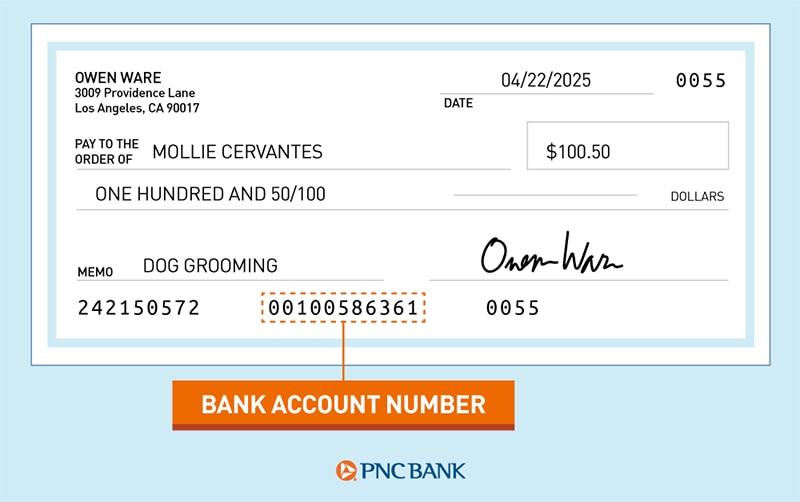
Decoding the MICR Line on a Check
At the bottom of every personal or business check is a string of numbers printed in a specialized font. This is known as the MICR (Magnetic Ink Character Recognition) line. It allows banks to process checks through automated scanners. The line consists of three distinct segments:
-
The Routing Number: This is the first nine-digit sequence on the far left. it is flanked by a specific symbol that looks like a vertical bar and a colon.
-
The Account Number: This is the middle sequence of numbers. It is usually followed by a symbol that looks like a small rectangle over a colon.
-
The Check Number: This is the final, shorter sequence on the far right, which matches the number printed in the top right corner of the check.
It is important to note that some banks may swap the position of the account and check numbers, though the nine-digit routing number almost always comes first.
Traditional Paper Statements
If you still receive mail from your financial institution, your monthly statement is a goldmine of information. Beyond the account number, the statement provides a comprehensive look at your financial health, including your average daily balance and interest earned. The account number is clearly displayed on the first page. For security reasons, if you rely on paper statements, it is essential to shred them before disposal to prevent “dumpster diving” identity theft.
Beyond the Basics: Brokerage, Business, and Specialized Accounts
While checking and savings accounts are the most common places people look for account numbers, the process can vary slightly for other types of financial vehicles.
Brokerage and Investment Accounts
Finding an account number for a brokerage account at firms like Fidelity, Vanguard, or Charles Schwab follows a different protocol. These numbers may contain letters and are often longer than standard bank account numbers. If you are attempting to transfer money into a brokerage account via an external bank’s bill pay or wire transfer, you will need to find the specific “electronic transfer” instructions on the brokerage website. Often, the brokerage uses a “master” routing number, and your specific account number must be included in the “memo” or “reference” field to ensure the funds are credited correctly.
Business and Corporate Accounts
Business accounts often have higher security requirements. If you are an employee at a corporation looking for the company’s account number to facilitate a B2B payment, you likely won’t find it on a standard mobile app. Instead, you will need to access the “Cash Management” or “Treasury” portal. These systems often require hardware tokens or multi-factor authentication (MFA) to reveal sensitive account details.
Credit Card Account Numbers
Unlike debit cards, a credit card number is the account number for that specific line of credit. When you are paying your credit card bill from an external bank, you use the 15 or 16 digits on the front of the card as the account identifier. However, if you are looking for the account number for the purposes of a balance transfer, you should always consult your latest statement to ensure you are using the correct internal identifier.
Protecting Your Financial Fingerprint: Privacy and Security
Because an account number and a routing number are the only two pieces of information required to withdraw funds via an ACH (Automated Clearing House) transfer, protecting this information is a cornerstone of financial security.
Risks of Exposure
If a malicious actor gains access to your account and routing numbers, they can theoretically initiate “pull” transactions, where they authorize a payment from your account to a third party. While most banks have fraud protection and can reverse unauthorized ACH transfers, the process is time-consuming and can cause temporary liquidity issues.
Best Practices for Sharing
Only share your account number with trusted entities. This includes:
-
Your employer’s HR or payroll department.
-
Government agencies (e.g., the IRS for tax refunds).
-
Reputable utility and insurance companies for autopay.
-
Verified financial apps that use secure APIs (like Plaid) to link accounts.
Never send your account number via unencrypted email or text message. If a company asks for your account details over the phone, ensure you initiated the call using a verified number from the back of your card or the official website.

Leveraging Technology for Security
Many banks now offer “virtual” account numbers or the ability to lock/unlock accounts through their apps. Additionally, setting up “Large Transaction Alerts” ensures that even if someone does obtain your account number and attempts a withdrawal, you will be notified immediately via push notification or SMS, allowing you to freeze the account before significant damage is done.
Understanding where to find your account number is more than a simple clerical task; it is an entry point into the broader world of financial literacy and security. Whether you are retrieving it from the MICR line of a check or the secure “Details” tab of a mobile app, knowing how to navigate these systems ensures you remain in control of your capital in an increasingly digital economy.
aViewFromTheCave is a participant in the Amazon Services LLC Associates Program, an affiliate advertising program designed to provide a means for sites to earn advertising fees by advertising and linking to Amazon.com. Amazon, the Amazon logo, AmazonSupply, and the AmazonSupply logo are trademarks of Amazon.com, Inc. or its affiliates. As an Amazon Associate we earn affiliate commissions from qualifying purchases.