
In an increasingly digitized financial landscape, the “cashless” society often feels like a foregone conclusion. However, for millions of consumers, physical currency remains a vital component of their daily economic lives. Whether you are a gig worker receiving cash tips, a small business owner handling physical transactions, or someone who simply prefers the tangible nature of paper money, the need to bridge the gap between physical cash and digital spending is a frequent challenge. Knowing exactly where and how to put money on your card—be it a debit card, a prepaid card, or a digital wallet—is essential for maintaining financial flexibility and ensuring you can participate in the modern e-commerce ecosystem.

The process of converting physical cash into a digital balance is known as “cashing in” or “reloading.” While traditional banks have historically handled these transactions, the rise of neo-banks and fintech solutions has decentralized this process. Today, your local neighborhood is likely filled with “cash-in” points, ranging from major retail chains to specialized kiosks. Understanding these networks, their fee structures, and their operational nuances is the key to managing your personal finances efficiently.
Major Retail Networks and Reload Partners
The most common way to put money on a card near you is through a retail reload network. These networks act as intermediaries between your physical cash and your digital account provider. Most major retailers in the United States participate in one or more of these networks, turning every checkout counter into a potential bank teller window.
The Green Dot Network and MoneyPak
Green Dot is perhaps the most ubiquitous name in the cash-loading space. They operate an expansive network that services hundreds of different card programs, including popular options like Stash, Netspend, and even traditional bank debit cards. To use this service, you generally look for the Green Dot logo at the register of retailers like Walmart, CVS, Walgreens, and Rite Aid.
There are two primary ways to use Green Dot: “Reload @ the Register” and “MoneyPak.” With the former, you simply swipe your card at the register and hand the cashier the cash. The funds are typically available within minutes. MoneyPak, on the other hand, involves purchasing a unique code that you then apply to your account via a mobile app or website. While highly convenient, users should be aware that Green Dot services usually carry a service fee, often ranging from $3.95 to $5.95 per transaction.
VanillaDirect and 7-Eleven Partnerships
VanillaDirect (formerly known as MyVanilla) is another massive player in the fintech infrastructure world. This network focuses heavily on “scan-to-load” technology. Instead of swiping a physical card, many modern banking apps (such as Chime or Venmo) generate a unique barcode within the app. You take this barcode to a participating retailer—most notably 7-Eleven, Speedway, or Dollar General—and the cashier scans it to initiate the transfer.
This method is often preferred by security-conscious consumers because it does not require handing over a physical card. Furthermore, because it is integrated directly into the bank’s mobile app, the tracking and verification of the deposit are instantaneous, providing a digital paper trail that is easier to manage than traditional paper receipts.
Big Box Retailers as Financial Hubs
Walmart stands alone as a titan in the world of retail financial services. Through their “MoneyCenter” or customer service desks, Walmart provides a suite of options that often undercut the fees of smaller convenience stores. For holders of the Walmart MoneyCard or other participating Visa and Mastercard debit products, Walmart often offers “Rapid Reload” services. Because of their scale, Walmart can facilitate higher daily deposit limits than a typical gas station, making it a preferred destination for those looking to move larger sums of cash into their digital accounts.
Financial Institutions and ATM Deposits
While retail networks provide convenience, traditional financial institutions and automated systems offer a more structured approach to cash management. For those who hold accounts with brick-and-mortar banks or specific credit unions, the local ATM is the most reliable “near me” option for depositing cash.
Leveraging Deposit-Enabled ATMs
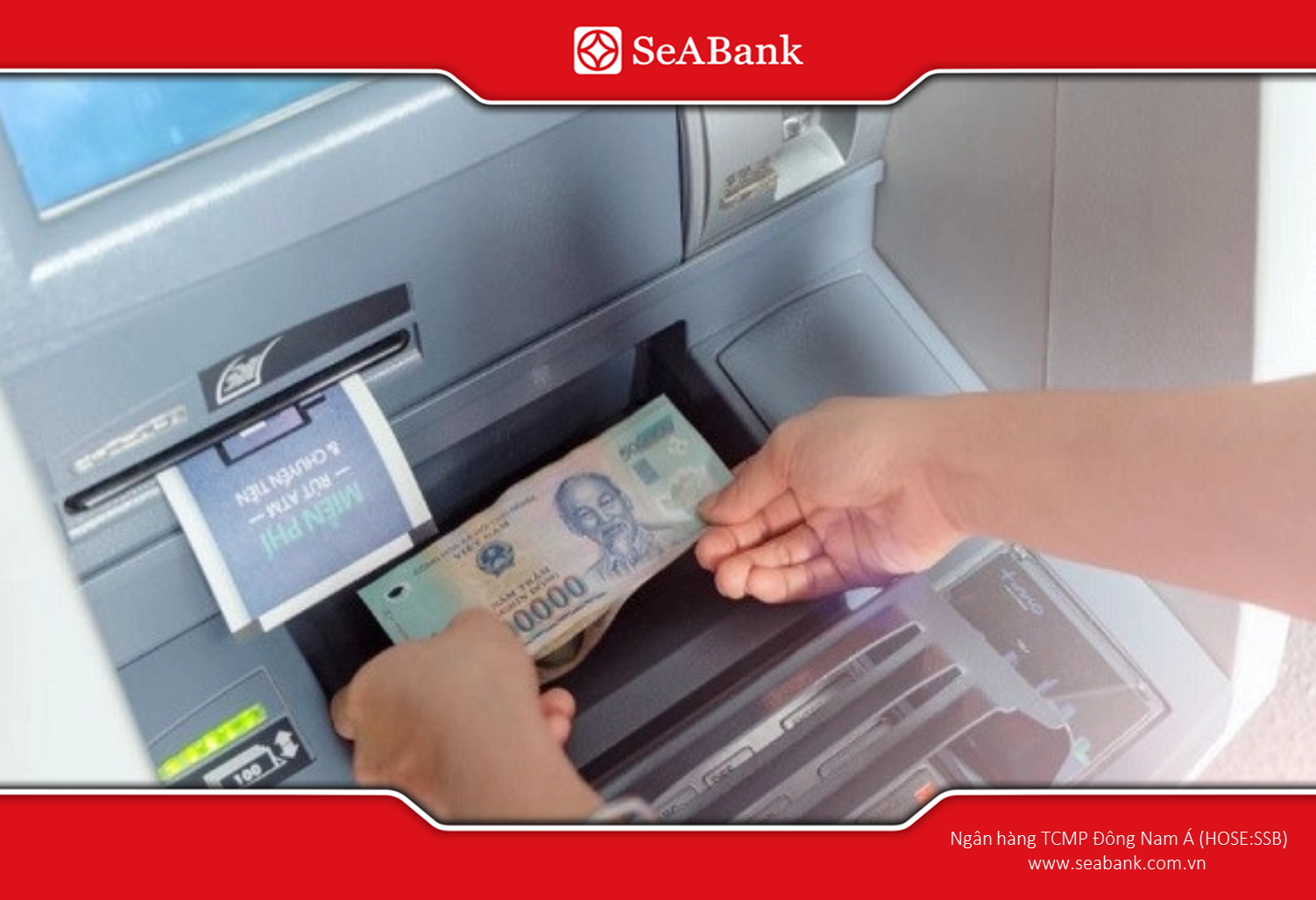
Not all ATMs are created equal. While older machines were strictly for withdrawals, modern “intelligent” ATMs are designed to accept stacks of cash without the need for an envelope. To put money on your card using an ATM, you must ensure the machine belongs to your bank’s network or a partner network that allows deposits.
Major banks like Chase, Bank of America, and Wells Fargo have upgraded nearly their entire fleets to accept cash deposits. For users of online-only banks, the search becomes slightly more complex. Many neo-banks partner with the Allpoint or MoneyPass networks. While these networks are famous for fee-free withdrawals, a growing number of their “Allpoint+” machines now allow for cash deposits. To find these, you must use your bank’s app to filter for “deposit-capable” machines, which are frequently located inside CVS or Target locations.
Credit Union Co-op Branches
If you are a member of a credit union, you may have access to a unique system called “Shared Branching.” The CO-OP Shared Branch network allows members of one participating credit union to walk into a branch of a completely different credit union and perform transactions as if they were at their home branch. This includes depositing cash directly onto their debit card. This is an incredibly powerful tool for travelers or those who have moved away from their original credit union’s physical footprint but wish to keep their account active.
Emerging Digital Solutions and Mobile App Integrations
As the fintech sector matures, the line between “location-based” services and “digital” services is blurring. New technologies are making it easier to find cash-loading points through the very apps we use to manage our money.
Barcode Technology and Instant Loads
The “Barcode Load” is the current gold standard for mobile banking users. Brands like Chime, Capital One, and various prepaid card issuers have integrated maps directly into their interfaces. When you select “Deposit Cash,” the app uses your GPS to show you every nearby location that can facilitate a load.
The beauty of this system is its transparency. The app will often list the specific fee for that location and the maximum amount you can deposit in a single 24-hour period. Once you arrive at the store, the app generates a one-time-use barcode. This eliminates the risk of card skimming at a terminal and ensures that the funds are routed directly to the specific sub-ledger of your digital account.
Peer-to-Peer (P2P) Transfers as an Indirect Funding Source
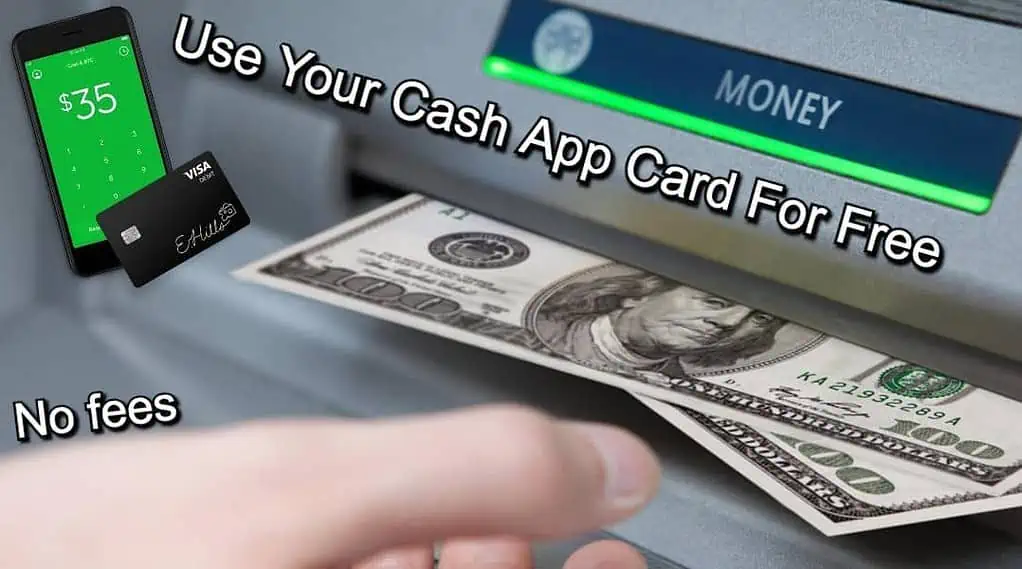
Sometimes, the best way to put money on your card “near you” is through a social transaction. If you have cash and a friend has a digital balance, a P2P transfer (via Venmo, Cash App, or Zelle) can serve as a makeshift cash-loading service. While this isn’t a formal financial service, it is a common practice in the gig economy. However, it is vital to remember the “Money” category rule: always ensure you are transacting with trusted individuals to avoid fraud, as P2P transactions are generally irreversible.
Strategies for Minimizing Fees and Maximizing Efficiency
When looking for a place to put money on your card, the cost of the transaction should be a primary consideration. Over time, a $4.95 reload fee can eat significantly into your savings, especially if you are depositing small amounts frequently.
Navigating the Cost of Convenience
Convenience stores (like 7-Eleven or Circle K) are often the most accessible, but they frequently charge the highest fees. If your goal is to minimize costs, it is worth the extra ten-minute drive to a major bank ATM or a “Shared Branching” credit union location where deposits are typically free.
Another strategy is to consolidate your deposits. Instead of loading $50 four times a month and paying four separate fees, wait until you have $200 and perform a single transaction. However, this must be balanced against the security risk of carrying large amounts of physical cash.
Limits and Security Protocols
Every cash-loading location will have “velocity limits.” Retailers usually cap cash loads at $500 to $1,500 per day to comply with Anti-Money Laundering (AML) regulations. If you need to deposit a significant sum—such as the proceeds from a vehicle sale—you will likely need to visit a traditional bank branch where you can provide identification and complete the necessary regulatory paperwork.
Safety is also paramount. When using an ATM or a retail reload point, be mindful of your surroundings. Professional money management involves not just the growth of assets, but the protection of them. Always count your cash before approaching the counter, and always wait for a printed receipt before leaving the store. This receipt is your only proof of transaction should a technical glitch occur during the digital transfer.
The Role of Direct Deposit
Finally, while the search for “cash loading near me” is a common necessity, the most efficient way to put money on your card remains direct deposit. Most prepaid cards and neo-banks provide a routing and account number. If you are receiving regular payments from an employer or government agency, transitioning these to direct deposit eliminates the need for physical trips to a retailer, removes the burden of fees, and ensures that your capital is working for you the moment it is issued.
In conclusion, the ability to put money on your card near you is a foundational skill in modern personal finance. By understanding the retail networks, leveraging the power of mobile app integrations, and choosing the most cost-effective deposit methods, you can ensure that your cash is always where you need it to be—ready for the digital world.
aViewFromTheCave is a participant in the Amazon Services LLC Associates Program, an affiliate advertising program designed to provide a means for sites to earn advertising fees by advertising and linking to Amazon.com. Amazon, the Amazon logo, AmazonSupply, and the AmazonSupply logo are trademarks of Amazon.com, Inc. or its affiliates. As an Amazon Associate we earn affiliate commissions from qualifying purchases.