
In the ecosystem of personal finance, your checking account number serves as a primary digital fingerprint. It is the specific string of digits that identifies your individual account within a financial institution, allowing for the precise movement of funds in a global banking network. While it may seem like a simple sequence of numbers, the checking account number is the backbone of modern transactions—from receiving a paycheck via direct deposit to settling monthly utility bills. Understanding what this number is, how it differs from other identifiers, and how to protect it is essential for anyone looking to navigate the complexities of contemporary money management.
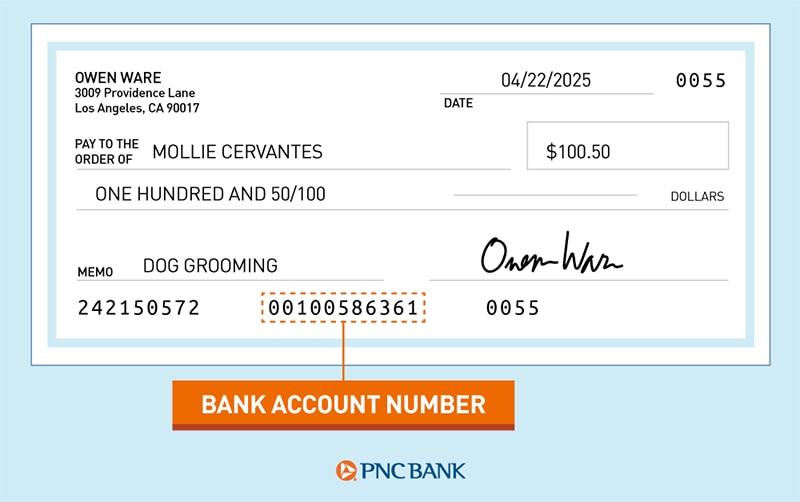
Understanding the Anatomy of Your Checking Account Number
Every bank account is defined by a series of codes that facilitate communication between financial entities. To the uninitiated, the bottom of a check or a digital bank statement may look like a random assortment of symbols and figures. However, these characters are part of a highly regulated system designed to ensure that money reaches its intended destination without error.
The Difference Between Account and Routing Numbers
The most common source of confusion for consumers is the distinction between the checking account number and the routing transit number (RTN). While they often appear side-by-side, they serve fundamentally different purposes.
A routing number is a nine-digit code that identifies the financial institution itself. Think of the routing number as the “zip code” for the bank. It tells the Federal Reserve and other banks which building the money needs to go to. In contrast, the checking account number is the “apartment number” within that building. It identifies your specific holdings among the thousands or millions of accounts managed by that bank. Without both numbers, a transaction cannot be completed; the routing number gets the funds to the right bank, and the account number places them in the right hands.
How Many Digits is a Checking Account Number?
Unlike routing numbers, which are strictly nine digits long in the United States, checking account numbers vary in length depending on the financial institution. Most major banks issue account numbers that range between 8 and 12 digits, though some smaller credit unions or international banks may use sequences as short as 5 or as long as 17 digits.
These numbers are not assigned randomly. Banks use internal algorithms to generate these sequences, often incorporating check digits—a form of redundancy check used for error detection. This ensures that if a single digit is mistyped during an electronic transfer, the system recognizes the number as invalid rather than accidentally sending money to a different customer.
How to Locate Your Checking Account Number Quickly
In an era where physical documents are becoming less common, knowing where to find your account details is a vital digital literacy skill. There are three primary locations where you can always find your checking account number.
Reading a Physical Check
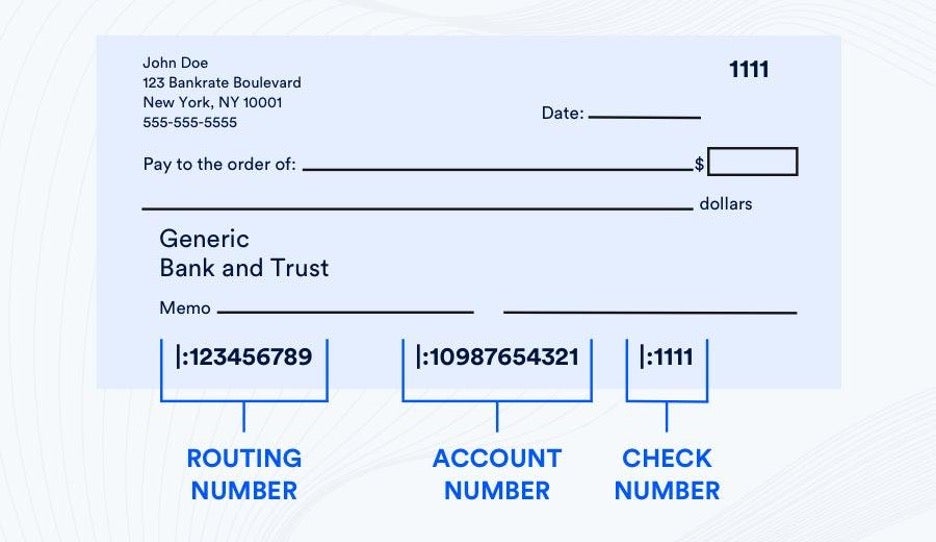
If you still use paper checks, the most reliable way to find your information is by looking at the “MICR line” at the bottom. This line is printed in a special magnetic ink that can be read by high-speed processing machines.
When looking at a standard check, you will see three distinct groups of numbers:
-
The Routing Number: Usually the first nine-digit sequence on the left, flanked by a specific symbol.
-
The Account Number: Typically the middle sequence. It is often followed by a unique symbol that looks like a colon and a dash.
-
The Check Number: Usually the shortest sequence on the far right, which matches the number in the top right corner of the check.
It is important to note that some banks may swap the position of the account and check numbers, so always look for the symbol that terminates the account sequence.
Using Mobile and Online Banking Portals
For the majority of modern banking users, the mobile app is the most convenient source of information. However, for security reasons, most apps mask the account number on the home screen, showing only the last four digits. To find the full number, you typically need to navigate to “Account Details,” “Settings,” or “Manage Account.” Many apps now include a “Show” button next to the masked digits that requires biometric authentication (like FaceID or a fingerprint) to reveal the full string.
Checking Monthly Bank Statements
Your monthly statement, whether received by mail or downloaded as a PDF, is an official legal record of your account. The full checking account number is almost always printed at the top of the first page, near your name and address. Because statements contain this sensitive information, they should always be stored securely or shredded when no longer needed.
The Critical Role of Your Account Number in Modern Banking
Your checking account number is more than just an ID; it is a tool for automation. In the world of personal finance, its primary utility lies in the Electronic Funds Transfer (EFT) system.
Setting Up Direct Deposits
One of the most common uses for a checking account number is the setup of direct deposits. When you start a new job, your employer requires your routing and account numbers to link their payroll system to your bank. This eliminates the need for physical checks and ensures that funds are available in your account on payday. In recent years, many “fintech” apps have simplified this further by allowing users to generate a pre-filled direct deposit form directly from their banking app.
Managing Automatic Bill Payments and ACH Transfers
The Automated Clearing House (ACH) network is the primary system for moving money between bank accounts in the U.S. When you authorize a utility company or a credit card provider to “pull” a payment from your checking account, you are providing them with your account number to facilitate an ACH debit. This is often preferred over debit card payments because it avoids the processing fees associated with card networks like Visa or Mastercard, and it doesn’t expire like a physical card does.
Wire Transfers vs. ACH: Which Number Do You Use?
While ACH transfers are used for routine bills and payroll, wire transfers are used for high-value, time-sensitive transactions, such as a down payment on a home. For a wire transfer, you will use the same checking account number, but you may need a different “Wire Routing Number” provided by your bank. It is a common mistake to use the standard ACH routing number for a wire, which can lead to significant delays or returned funds.
Security Best Practices: Protecting Your Financial Identity
Because the checking account number can be used to withdraw funds via ACH, it must be guarded with the same level of care as a Social Security number. While a bank account number alone isn’t enough to “log in” to your online banking, it is enough for a bad actor to attempt unauthorized debits.
Preventing Unauthorized Debits
In the hands of a fraudster, your account number can be used to create “demand drafts” or unauthorized ACH pulls. To mitigate this risk, modern banking offers tools like “Positive Pay” for business accounts and transaction alerts for personal accounts. Setting up push notifications for every debit over $0.01 is one of the most effective ways to catch unauthorized use of your account number in real-time.
The Risks of Sharing Your Account Number Online
You should never share your full checking account number over unencrypted channels, such as standard email or text messages. If you must send your banking details to a mortgage broker or a family member, use an encrypted messaging service or a secure document portal. Furthermore, be wary of “phishing” attempts—legitimate banks will never call or text you asking for your full account number, as they already have it on file.
What to Do if Your Account Number is Compromised
If you believe your checking account number has been stolen or exposed in a data breach, the first step is to contact your bank’s fraud department immediately. Unlike a credit card, which can simply be cancelled and replaced with a new number, a compromised checking account often requires closing the entire account and opening a new one. This involves moving all your direct deposits and automatic bill pays to the new account—a tedious but necessary process to protect your capital. Under Regulation E in the United States, consumers are protected against unauthorized electronic transfers, but these protections are strongest when the fraud is reported within two business days.
Beyond the Basics: The Evolution of Account Identification
The way we use checking account numbers is changing. As technology advances, the industry is moving toward methods that hide the raw account number to increase security.
Virtual Account Numbers and Tokenization
Much like how Apple Pay uses “tokens” to represent your credit card number without sharing the actual digits, some forward-thinking banks are introducing virtual account numbers for checking accounts. These are temporary or merchant-specific account numbers that route back to your main account. If a specific merchant suffers a data breach, that virtual number can be deleted without affecting your primary checking account.

The Shift Toward Open Banking
In many parts of the world, “Open Banking” is replacing the manual entry of account numbers. Instead of typing in your 10-digit code to link a financial app like Mint or YNAB, you use a secure API (Application Programming Interface) to log in directly to your bank. The bank then gives the app a secure “token” to access your data. This is significantly more secure than sharing your raw account number and routing number with third-party providers.
Ultimately, the checking account number remains the fundamental unit of the financial world. By understanding its structure, knowing where to find it, and implementing rigorous security habits, you can ensure that your financial foundation remains both functional and secure. Whether you are automating your savings or simply paying your rent, this sequence of numbers is the key that unlocks the efficiency of the modern monetary system.
aViewFromTheCave is a participant in the Amazon Services LLC Associates Program, an affiliate advertising program designed to provide a means for sites to earn advertising fees by advertising and linking to Amazon.com. Amazon, the Amazon logo, AmazonSupply, and the AmazonSupply logo are trademarks of Amazon.com, Inc. or its affiliates. As an Amazon Associate we earn affiliate commissions from qualifying purchases.