
In an era dominated by instant digital transfers, contactless payments, and cryptocurrency, the traditional paper check remains a cornerstone of the global financial system. Whether you are setting up direct deposit for a new job, paying a high-value invoice, or establishing an automated bill payment, you will inevitably be asked for your routing number. For many, looking at a check can be a confusing experience, as the bottom of the document is lined with a string of cryptic characters and digits.
Understanding exactly which number on a check is the routing number is not just a matter of convenience; it is a fundamental aspect of financial literacy that ensures your money reaches its intended destination securely and efficiently.

Locating the Routing Number: The Anatomy of the MICR Line
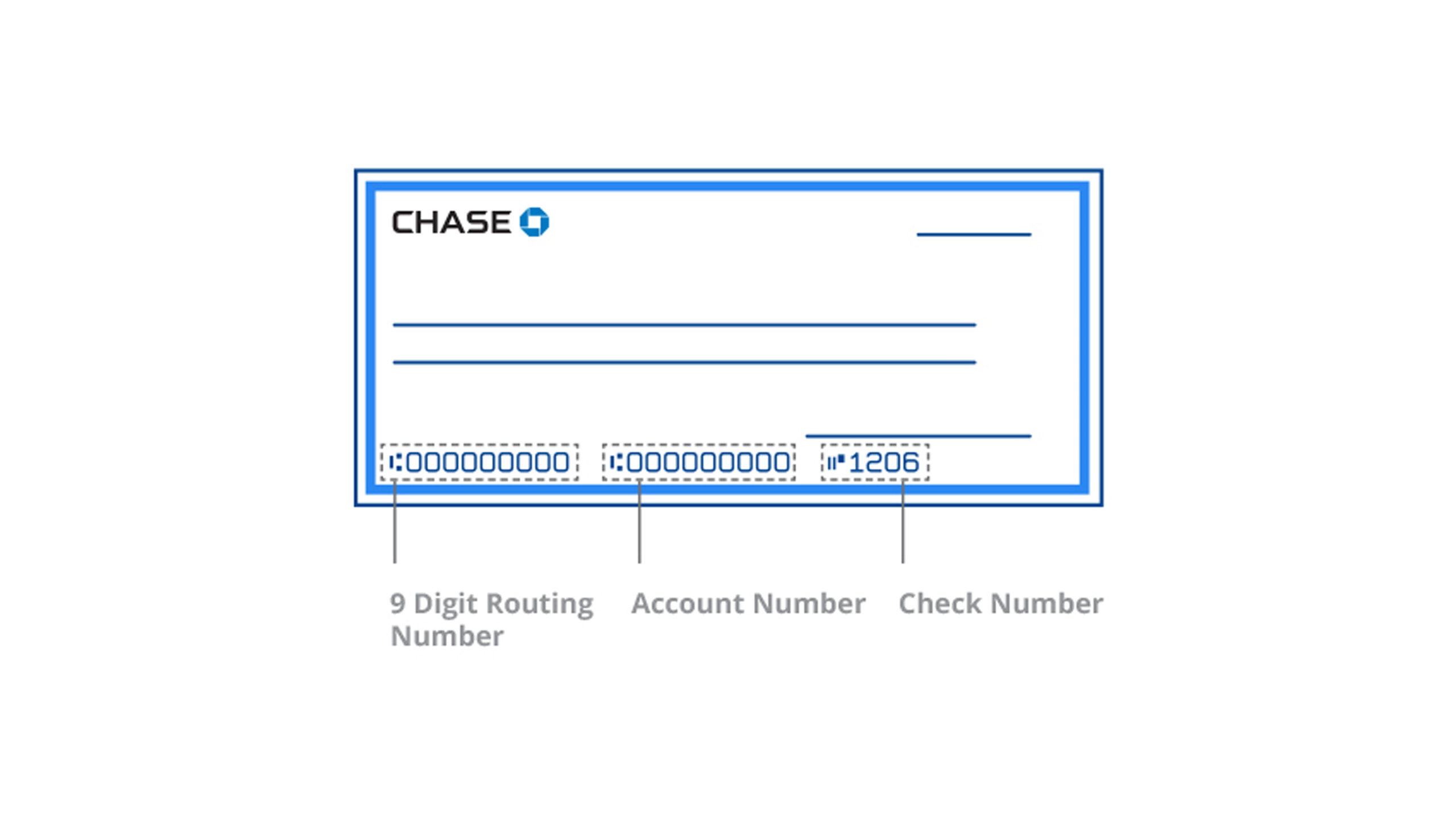
When you look at a standard personal or business check, your eyes are immediately drawn to the bottom edge. This area contains a series of numbers printed in a specialized font known as Magnetic Ink Character Recognition (MICR). This font is designed to be read by high-speed processing machines used by banks and clearinghouses. Within this MICR line, there are three distinct sets of numbers: the routing number, the account number, and the check number.
The Nine-Digit Standard
The routing number is almost always the first set of numbers appearing on the far left side of the bottom of the check. It is strictly nine digits long. If you see a number that is shorter or longer than nine digits in that first position, it is likely not the routing number or perhaps includes special symbols that are not part of the numeric sequence itself.
The routing number is typically bracketed by a specific symbol that looks like a vertical line with a colon and two squares. These symbols are used by optical scanners to identify where the routing number begins and ends. To identify it quickly: look at the bottom-left corner of your check; the first nine numeric digits you see constitute your bank’s routing number.
Distinguishing the Routing Number from the Account Number
A common point of confusion for consumers is distinguishing the routing number from the account number. While the routing number is always nine digits, the account number—which usually follows the routing number—can vary in length depending on the financial institution.
The account number identifies your specific holdings within the bank, whereas the routing number identifies the bank itself. Think of it like a mailing address: the routing number is the city and zip code, directing the “mail” to the correct municipal area, while the account number is the specific street address and apartment number, ensuring the delivery reaches the correct individual.
The Check Number
The third set of numbers in the MICR line is the check number. This typically matches the number printed in the top-right corner of the check. Its position can vary; sometimes it appears after the account number, and sometimes it appears in the middle. Because the check number is usually short (three or four digits), it is easily distinguishable from the nine-digit routing number.
The Purpose and History of the Routing Number
The routing number, officially known as the ABA Routing Transit Number (RTN), was developed by the American Bankers Association in 1910. Its primary purpose was to simplify the sorting, bundling, and shipment of paper checks. Before this standardized system, clearing checks was a logistical nightmare that often led to delays and lost funds.
How the Nine Digits Are Structured
The nine digits of a routing number are not random. They follow a specific formula that encodes information about the bank’s geographic location and its federal district.
-
The First Two Digits: These indicate the Federal Reserve district where the bank is located. There are 12 districts in the United States, ranging from Boston (01) to San Francisco (12).
-
The Third Digit: This digit corresponds to the Federal Reserve check processing center assigned to the bank.
-
The Fourth Digit: This specifies the state in which the bank is headquartered.
-
Digits Five through Eight: These represent the unique identifier for the specific financial institution.
-
The Ninth Digit: This is a “check digit.” It is calculated using a complex mathematical formula based on the first eight digits. If the calculation doesn’t match the ninth digit, the banking system flags the number as invalid, preventing errors in data entry or scanning.
ACH vs. Wire Routing Numbers
It is crucial to note that some financial institutions utilize different routing numbers for different types of transactions. While the number on your physical check is almost always the “Electronic” or “ACH” routing number, it may not be the number you need for a domestic or international wire transfer.

Automated Clearing House (ACH) transactions, such as direct deposits and bill payments, use the standard routing number found on your check. Wire transfers, however, are processed through a different system (the Fedwire Funds Service) and may require a specific “Wire Routing Number.” Always verify with your bank before initiating a wire transfer to ensure you are using the correct identifier.
When and Why You Need Your Routing Number
In the modern financial landscape, you rarely need to hand over a physical check, but the information contained on that check is required for nearly all electronic movements of money.
Setting Up Direct Deposit
One of the most frequent uses for a routing number is the establishment of direct deposit for payroll. To ensure your paycheck is routed from your employer’s bank account to yours, the payroll department requires both the routing and account numbers. Errors in the routing number are the leading cause of delayed paychecks, as the funds are sent to a non-existent destination and must be manually reclaimed and reissued.
Automated Bill Payments and Transfers
When you “pay by check” online for your utilities, mortgage, or credit card bills, the website typically asks for the routing number and account number. This creates an “Electronic Check” (eCheck). By providing the routing number found on your physical check, you are authorizing the service provider to pull funds directly from your institution.
Tax Refunds and Government Benefits
The Internal Revenue Service (IRS) and the Social Security Administration strongly encourage the use of direct deposit for refunds and benefit payments. During tax season, providing an accurate routing number ensures that your refund is deposited into your account weeks faster than a paper check sent via mail.
Linking Third-Party Financial Apps
Fintech applications like Venmo, PayPal, and investment platforms like Vanguard or Charles Schwab require your routing number to link your traditional bank account to their services. This connection allows for the seamless “sweep” of funds between accounts.
Security Considerations: Keeping Your Routing Number Safe
While a routing number is public information in the sense that it identifies a large financial institution, it becomes a sensitive piece of data when paired with your account number. Together, these two numbers are the keys to your financial kingdom.
The Risks of Disclosure
A fraudster who possesses both your routing and account numbers can potentially initiate unauthorized ACH withdrawals from your account. Unlike a credit card transaction, which has robust consumer protections and a “chargeback” mechanism, unauthorized ACH transfers can be more difficult to reverse if they are not caught immediately.
Best Practices for Financial Security
-
Monitor Your Statements: Check your bank statements weekly for any unauthorized transactions. Most banks have a limited window (often 60 days) during which you can dispute an unauthorized electronic transfer.
-
Use Secure Portals: Never send your routing and account numbers via unencrypted email or text message. Always enter them directly into secure, HTTPS-protected websites.
-
Destroy Old Checks: If you close an account or move to a new bank, shred your remaining paper checks. A discarded check contains all the information a thief needs to attempt identity theft or financial fraud.
-
Leverage Positive Pay for Business: If you run a business, inquire about “Positive Pay” services. This allows you to send a list of authorized checks to your bank; any check presented for payment that is not on the list (or has a mismatched routing/account number) is flagged for your approval.
Alternatives to Physical Checks
If you do not have a checkbook handy, there are several other ways to find your routing number.
-
Online Banking Portals: Most banks display the routing number on the account summary page or within the “Account Details” section of their mobile app.
-
Monthly Statements: Your routing number is often printed at the top or bottom of your monthly paper or PDF statement.
-
Bank Website: Since routing numbers are specific to the institution, you can often find them on the bank’s public-facing website, usually under “Frequently Asked Questions” or “Contact Us.”
-
The ABA Website: The American Bankers Association provides an online lookup tool for routing numbers, though you will need the bank’s official name and location.
Conclusion
The routing number is more than just a string of digits at the bottom of a check; it is the fundamental “zip code” of the banking world. By knowing exactly where to find this number—the first nine digits on the left of the MICR line—and understanding its role in the broader financial ecosystem, you can navigate modern banking with confidence. Whether you are automating your savings, receiving your salary, or paying your taxes, the routing number remains an essential tool in the management of personal and business finance. In a world of increasing digital complexity, the clarity provided by this century-old system continues to ensure the stability and reliability of our daily transactions.
aViewFromTheCave is a participant in the Amazon Services LLC Associates Program, an affiliate advertising program designed to provide a means for sites to earn advertising fees by advertising and linking to Amazon.com. Amazon, the Amazon logo, AmazonSupply, and the AmazonSupply logo are trademarks of Amazon.com, Inc. or its affiliates. As an Amazon Associate we earn affiliate commissions from qualifying purchases.