
In the realm of personal finance, “private wealth” is a term that often conjures images of exclusive bank vaults and mahogany-paneled boardrooms. However, at its core, private wealth represents a sophisticated ecosystem of financial strategies designed to protect, grow, and transition assets across generations. It is far more than a simple savings account or a standard brokerage portfolio; it is an integrated approach to managing the totality of an individual’s or family’s financial life.
Private wealth management (PWM) is an investment-advisory discipline which incorporates financial planning, specialized investment portfolio management, and a number of aggregated financial services. It is tailored specifically for high-net-worth individuals (HNWIs) and ultra-high-net-worth individuals (UHNWIs). For these clients, the complexities of managing money scale exponentially with the size of their balance sheet, necessitating a level of customization that traditional retail banking simply cannot provide.
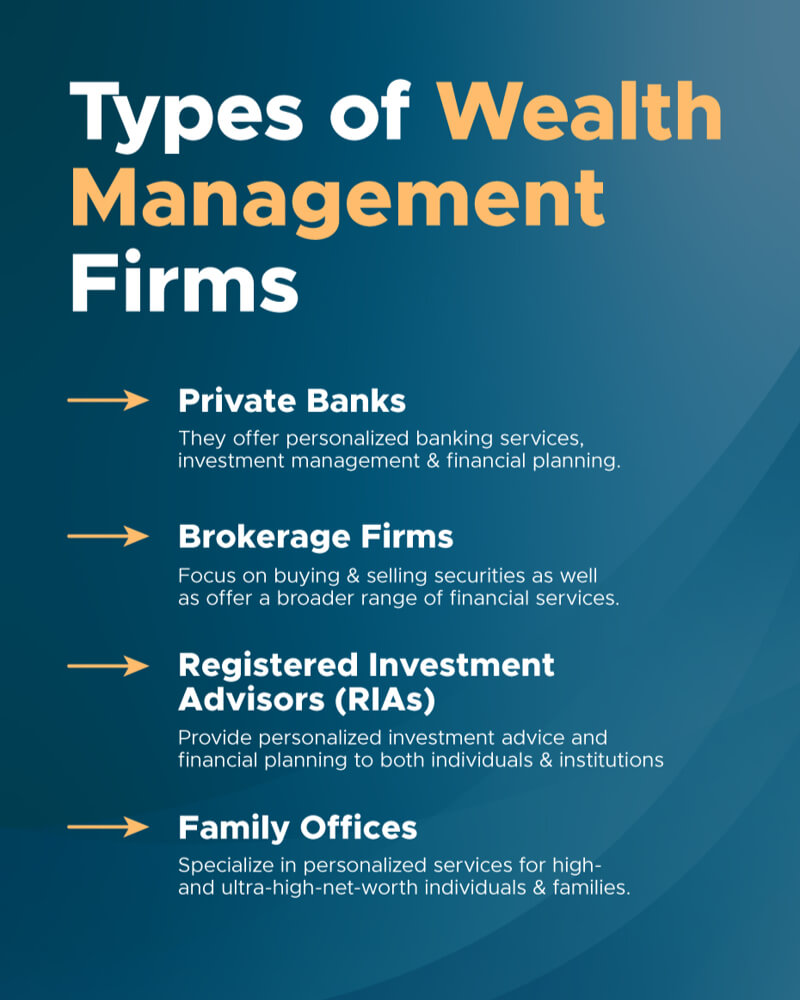
The Architecture of Private Wealth Management
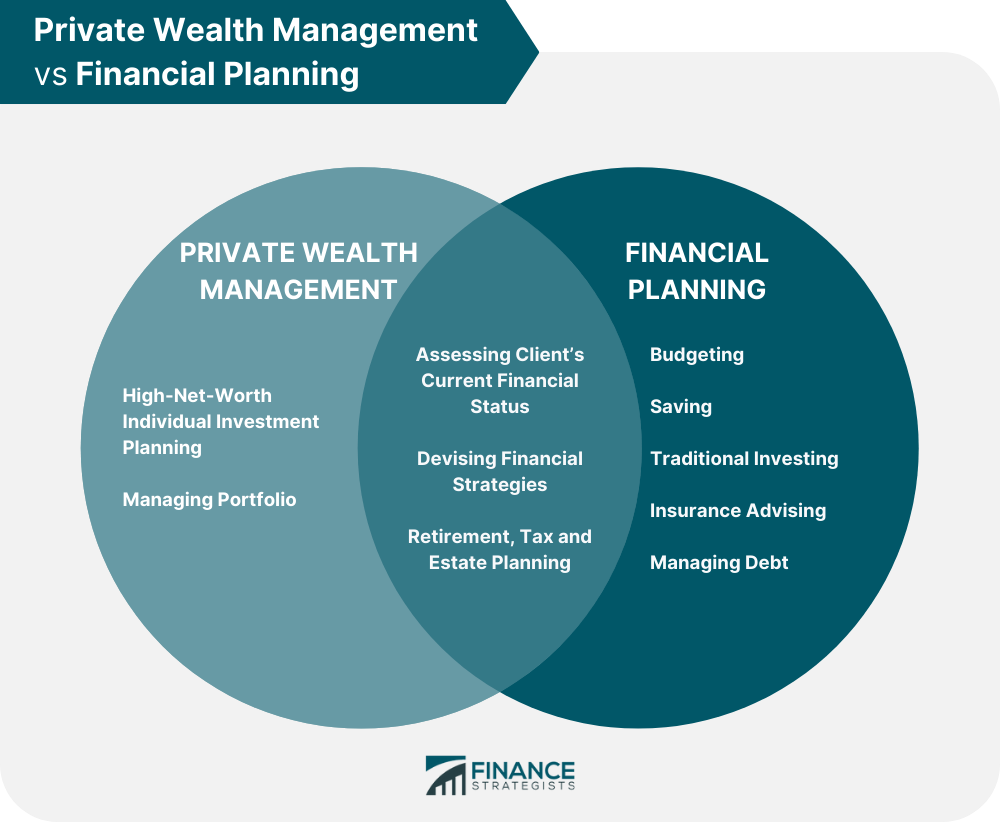
To understand private wealth, one must look at the structural components that define it. Unlike standard financial planning, which often focuses on basic retirement goals and emergency funds, private wealth management addresses a broader spectrum of needs, ranging from philanthropic aspirations to complex tax mitigation.
Investment Strategy and Asset Allocation
At the heart of private wealth is a bespoke investment strategy. While a retail investor might rely on a generic mix of stocks and bonds, a private wealth client has access to a much wider universe of assets. This includes institutional-grade investments such as private equity, hedge funds, venture capital, and direct real estate holdings.
The goal here is not just growth, but risk-adjusted returns and capital preservation. Private wealth managers employ modern portfolio theory but overlay it with a deep understanding of the client’s specific liquidity needs. For instance, a business owner might have a significant amount of wealth tied up in an illiquid enterprise; their private wealth strategy would then focus on liquid, low-volatility assets to balance the overall risk profile of the household.
Tax Planning and Optimization
For the wealthy, taxes are often the single largest “expense.” Private wealth management integrates tax planning into every investment decision. This involves more than just filing returns; it includes tax-loss harvesting, the use of tax-advantaged accounts, and the strategic timing of asset sales to minimize capital gains liabilities. By optimizing for after-tax returns, managers ensure that more of the wealth stays within the family unit rather than being eroded by fiscal obligations.
Estate and Succession Planning
Private wealth is inherently multi-generational. A significant portion of the discipline is dedicated to how wealth will be transferred to heirs or charitable organizations. This involves the creation of trusts, the drafting of sophisticated wills, and the navigation of gift taxes. Succession planning is particularly vital for families who own businesses, as it ensures a smooth transition of leadership and ownership without triggering a forced liquidation to pay inheritance taxes.
Private Banking vs. Private Wealth Management
While these terms are often used interchangeably, there is a subtle but significant distinction between private banking and the broader umbrella of private wealth management. Understanding this difference is crucial for anyone navigating the upper echelons of the financial world.
The Role of Private Banking
Private banking is a subset of the wealth management industry. It focuses on the high-touch, concierge-style banking services provided by major institutions. This includes personalized lending solutions—such as jumbo mortgages or art-collateralized loans—and the convenience of having a single point of contact (a private banker) for all transactional needs. Private banking is about the “how” of money movement and credit, providing liquidity and specialized financing that a standard branch could not authorize.
The Holistic Approach of Wealth Management
Wealth management, by contrast, is the strategic “why” and “where” of the money. A wealth manager may work alongside a private banker, but their focus is on the long-term roadmap. They coordinate with the client’s accountants, lawyers, and insurance agents to ensure that every piece of the financial puzzle fits together. While private banking is transactional and service-oriented, wealth management is advisory and strategy-oriented.
The Role of the Family Office

As wealth grows into the tens or hundreds of millions, the needs of a family often outgrow traditional wealth management firms. This is where the “Family Office” enters the picture. This is perhaps the most exclusive tier of private wealth management.
Single-Family Offices (SFO)
A Single-Family Office is a private company that manages the investments and trusts for a single wealthy family. The staff—which may include investment professionals, tax experts, and administrative assistants—works exclusively for that family. The SFO handles everything from investment management to “lifestyle management,” which can include managing household staff, coordinating travel, and overseeing private aircraft or property holdings.
Multi-Family Offices (MFO)
For families who require the sophistication of an SFO but do not wish to bear the full overhead costs of a dedicated staff, the Multi-Family Office is an ideal solution. MFOs serve several unrelated wealthy families, providing them with the same level of customized investment access and estate planning but sharing the operational costs across a larger asset base. This model has gained immense popularity as it provides institutional-level management with a more personal, boutique feel.
Alternative Investments in the Private Wealth Landscape
One of the defining characteristics of private wealth is the heavy utilization of alternative investments. In a world where public markets can be volatile and correlated, “alternatives” provide a necessary hedge and a source of non-traditional alpha.
Private Equity and Venture Capital
Private wealth clients often act as a source of capital for the broader economy. By investing in private equity, they buy ownership in companies that are not traded on public exchanges. Venture capital allows them to get in on the ground floor of emerging technologies and startups. These investments are typically illiquid—meaning the money may be locked up for five to ten years—but they offer the potential for much higher returns than the S&P 500.
Real Assets and Commodities
Beyond stocks and bonds, private wealth is often parked in “hard” or “real” assets. This includes commercial real estate, timberland, and even high-value collectibles like fine art, rare coins, or vintage automobiles. These assets serve as a store of value and often perform well during inflationary periods. Professional wealth managers treat these not just as hobbies, but as distinct asset classes that require specialized valuation and insurance strategies.
The Future of Private Wealth: Digitalization and Impact
The landscape of private wealth is currently undergoing a massive transformation, driven by two primary forces: the rise of financial technology and a shift in the values of the “Next Gen” heirs.
The Digital Transformation
Historically, private wealth management was a world of physical paperwork and face-to-face meetings. Today, digital platforms are democratizing access to sophisticated tools. Even UHNWIs are demanding real-time reporting and digital dashboards that can aggregate assets across multiple global institutions. Furthermore, the rise of “direct investing” platforms allows wealthy individuals to bypass traditional fund structures and invest directly into projects or companies, reducing fees and increasing control.
Impact Investing and ESG
There is a growing trend among wealthy individuals to align their portfolios with their personal values. This is often referred to as Impact Investing or ESG (Environmental, Social, and Governance) investing. Modern private wealth is no longer just about the bottom line; it is about the “double bottom line”—achieving a financial return while also generating a measurable, positive social or environmental impact. For many families, this is becoming a core part of their legacy, ensuring that their wealth contributes to the betterment of the world.
Conclusion
Private wealth is a multifaceted discipline that requires a balance of rigorous mathematics, legal strategy, and psychological insight. It is the art of managing the complexities that come with significant success. By integrating investment management, tax strategy, estate planning, and specialized banking, private wealth management provides a fortress of protection for an individual’s assets.
Whether it is managed through a global private bank, a boutique wealth firm, or a dedicated family office, the objective remains the same: to ensure that wealth serves as a tool for personal freedom, family security, and lasting legacy. As the global economy evolves, the strategies within private wealth will continue to adapt, but the fundamental principle of personalized, holistic stewardship will remain the cornerstone of the industry.
aViewFromTheCave is a participant in the Amazon Services LLC Associates Program, an affiliate advertising program designed to provide a means for sites to earn advertising fees by advertising and linking to Amazon.com. Amazon, the Amazon logo, AmazonSupply, and the AmazonSupply logo are trademarks of Amazon.com, Inc. or its affiliates. As an Amazon Associate we earn affiliate commissions from qualifying purchases.