
In the modern financial landscape, a credit card is far more than a convenient piece of plastic or a digital entry in a mobile wallet. It is a sophisticated financial instrument that, when selected wisely, serves as a bridge to enhanced purchasing power, robust consumer protection, and significant wealth optimization through rewards. However, the definition of a “good” credit card is not universal; it is highly contingent upon an individual’s spending habits, credit history, and long-term financial goals. To navigate the hundreds of options available, one must understand the core metrics that separate predatory products from those that provide genuine value.
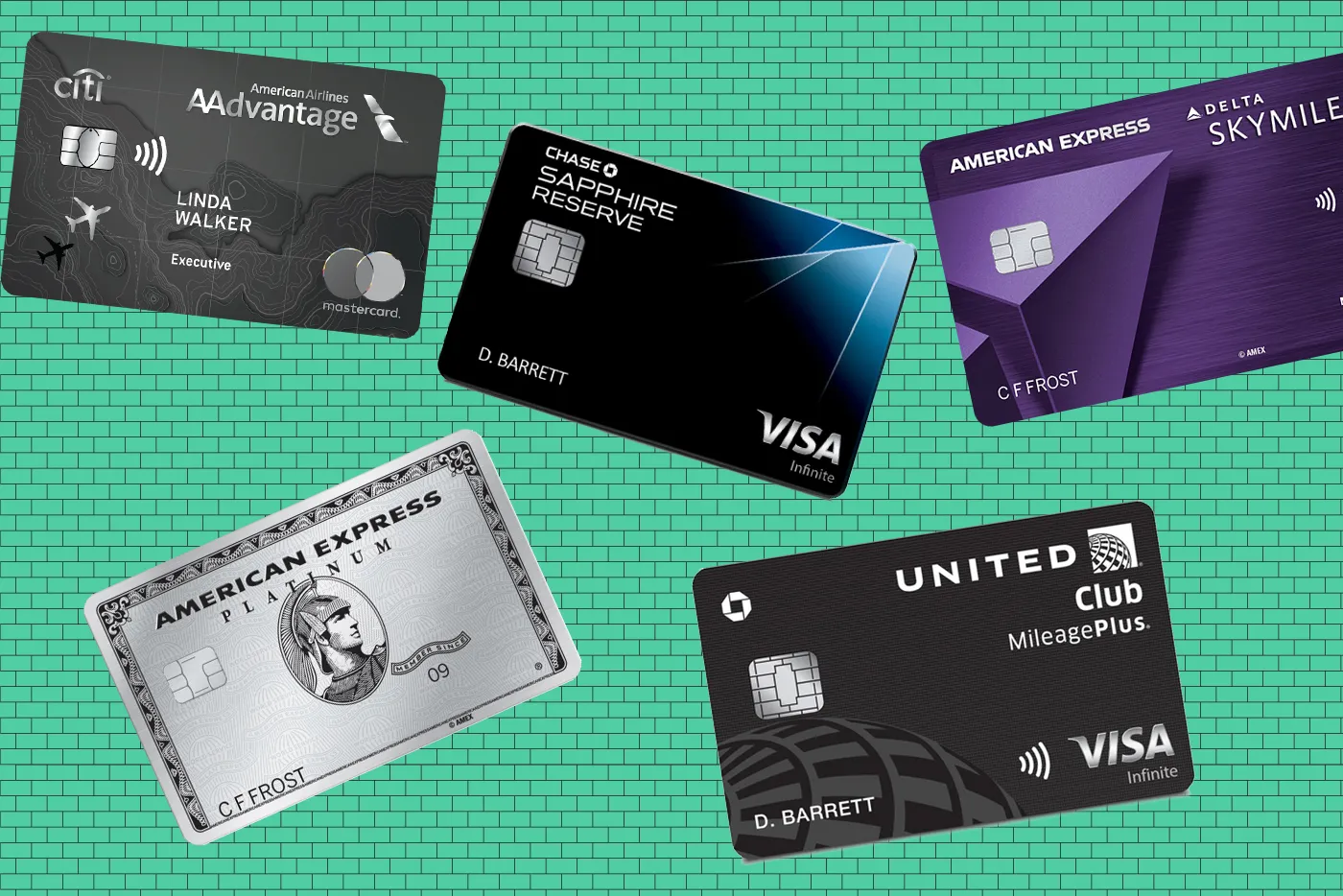
The Foundational Architecture of a High-Quality Credit Card
A good credit card is built on a foundation of transparency and competitive terms. Before looking at flashy rewards or metal finishes, a savvy consumer must evaluate the structural components of the card to ensure it aligns with their fiscal health.
Understanding Interest Rates and APR
The most critical factor for anyone who might occasionally carry a monthly balance is the Annual Percentage Rate (APR). While many high-reward cards feature APRs ranging from 20% to 30%, a truly “good” card for those focusing on debt management will offer a competitive rate or a lengthy 0% introductory period. These introductory windows, often lasting between 12 and 21 months, allow users to finance large purchases or consolidate existing high-interest debt without accruing additional costs. For the disciplined user who pays their balance in full every month, the APR becomes secondary, but for the average consumer, it remains a primary metric of a card’s quality.
The Nuance of Annual Fees
There is a common misconception that a card with an annual fee is inherently worse than a no-fee card. In reality, a good credit card is one where the tangible value derived from the card exceeds the cost of ownership. A card with a $95 annual fee that provides $300 in annual travel credits and insurance is objectively “better” than a free card that offers no protections. When evaluating a card, one must calculate the “effective annual fee.” If a premium card costs $550 but offers a $200 hotel credit, a $200 airline fee credit, and a $100 global entry reimbursement, the user is essentially being paid to hold the card, provided they were already planning to spend money on those services.
Transparency in Fee Structures
Beyond the headline interest rate and annual fee, a good credit card maintains a “clean” fee structure. This means avoiding “junk fees” such as application fees, monthly maintenance fees, or excessive late fees. Furthermore, for those who travel internationally, a hallmark of a high-quality card is the absence of foreign transaction fees. These fees, typically around 3%, can quietly erode the value of any rewards earned while abroad.
Decoding Rewards: Maximizing the Return on Spend
For the financially savvy, a credit card is a tool for “arbitrage”—earning rewards on money that would have been spent anyway. The rewards structure of a card is often what defines it in the eyes of the consumer.
Cash Back for Simplicity and Liquidity
For many, the best credit card is the one that offers the simplest path to value: cash back. Cash back cards generally fall into two categories: flat-rate and tiered. A good flat-rate card offers a minimum of 2% back on every purchase, providing a baseline of savings regardless of where the money is spent. Tiered cards, conversely, might offer 3% to 5% on specific categories like groceries, gas, or dining. A “good” card in this niche is one that aligns with a user’s highest areas of expenditure. If a household spends $1,000 a month on groceries, a card offering 6% back at supermarkets is a powerful wealth-building tool.
Travel Points and Transferable Currencies
For those willing to engage in more complex financial management, “points and miles” cards offer the highest potential upside. The hallmark of a premier travel card is the ability to transfer points to various airline and hotel partners at a 1:1 ratio. This flexibility is what separates a mediocre “store-branded” card from a high-tier financial tool. When points can be moved to an international airline partner to book a business-class flight that would otherwise cost thousands of dollars, the “cents per point” value skyrockets, often yielding a 5% to 10% return on spend.
Sign-Up Bonuses and Earning Velocity
A good credit card should offer a compelling “Sign-Up Bonus” (SUB) or “Welcome Offer.” These bonuses are the fastest way to accumulate significant value, often providing hundreds or even thousands of dollars in rewards after meeting a minimum spending requirement within the first few months. However, a card’s long-term quality is determined by its “earning velocity”—how quickly a user can earn points through everyday spending after the initial bonus has been exhausted.
The Invisible Benefits: Protection and Lifestyle Perks
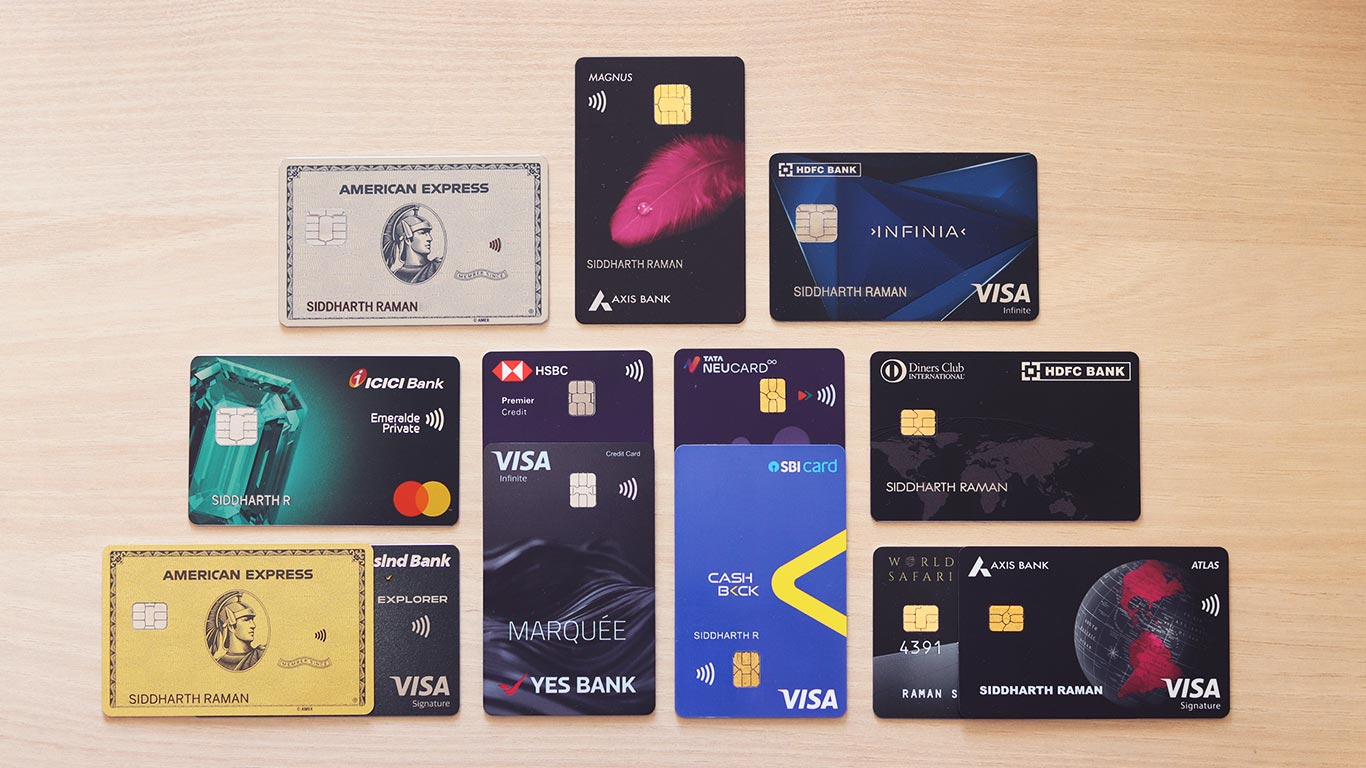
While rewards and interest rates get the most attention, the secondary benefits of a credit card often provide the most significant financial safeguards. These “invisible” perks are frequently the deciding factor in what makes a card truly exceptional.
Robust Consumer Protections
A good credit card acts as a shield for the consumer. This includes “Purchase Protection,” which covers items against theft or accidental damage shortly after purchase, and “Extended Warranty,” which can add an additional year to a manufacturer’s warranty. Perhaps more importantly, “Price Protection” (though becoming rarer) allows users to claim a refund if an item’s price drops shortly after they buy it. In an era of digital commerce, these protections offer a level of security that debit cards and cash simply cannot match.
Travel Insurances and Peace of Mind
High-quality travel cards include comprehensive insurance packages. This typically encompasses primary rental car insurance, trip cancellation/interruption insurance, and baggage delay reimbursement. If a flight is canceled and a traveler is forced to stay overnight in a hotel, a good credit card will reimburse those expenses. This benefit alone can save a consumer hundreds of dollars in a single incident, far outweighing the cost of an annual fee.
Lifestyle and Access Perks
At the premium end of the spectrum, a card is judged by the access it grants. This includes entry into exclusive airport lounges, elite status with hotel chains, and concierge services that can assist with difficult-to-attain dining or event reservations. While these may seem like luxuries, for the frequent traveler, they represent significant time savings and physical comfort, contributing to a better overall quality of life.
Matching the Card to the Financial Profile
The ultimate “good” credit card is the one that fits the user’s current credit profile and future aspirations. A card that is perfect for a corporate executive may be disastrous for a college student, and vice versa.
Building and Rebuilding Credit
For those with limited or damaged credit history, a “good” card is one that prioritizes credit-building features. This might be a secured card that requires a deposit but reports to all three major credit bureaus. The best cards in this category offer an “upgrade path,” allowing the user to eventually transition to a traditional, unsecured card without closing the account and losing their length of credit history. They also provide free access to credit scores and educational tools to help the user understand how their behavior impacts their rating.
The Role of Business Credit Cards
For entrepreneurs and small business owners, a good credit card is one that helps segregate personal and business expenses while offering rewards tailored to business spending, such as office supplies, shipping, or digital advertising. High-quality business cards often come with higher credit limits and don’t report activity to personal credit bureaus (unless there is a default), which helps maintain a low personal credit utilization ratio.
Strategic Optimization: How to Use a Good Card
Even the best credit card can become a financial liability if managed poorly. A good card is only an asset if the user employs a strategy of disciplined optimization.
The Golden Rule of Full Payment
To truly benefit from a credit card, one must treat it as a debit card. This means never spending more than what is available in a bank account and paying the statement balance in full every month. The moment interest is paid, the value of rewards is negated. A good credit card user understands that the bank’s interest charges are the “tax” paid by those who lack discipline, which in turn funds the rewards for those who have it.
Utilization and Credit Health
A good card should have a high enough credit limit to allow for a low utilization ratio. Using only a small percentage of the available limit (ideally under 10%) is one of the fastest ways to improve a credit score. Therefore, a card that offers periodic, proactive limit increases based on good behavior is a valuable tool for anyone looking to optimize their financial standing.
The Ecosystem Strategy
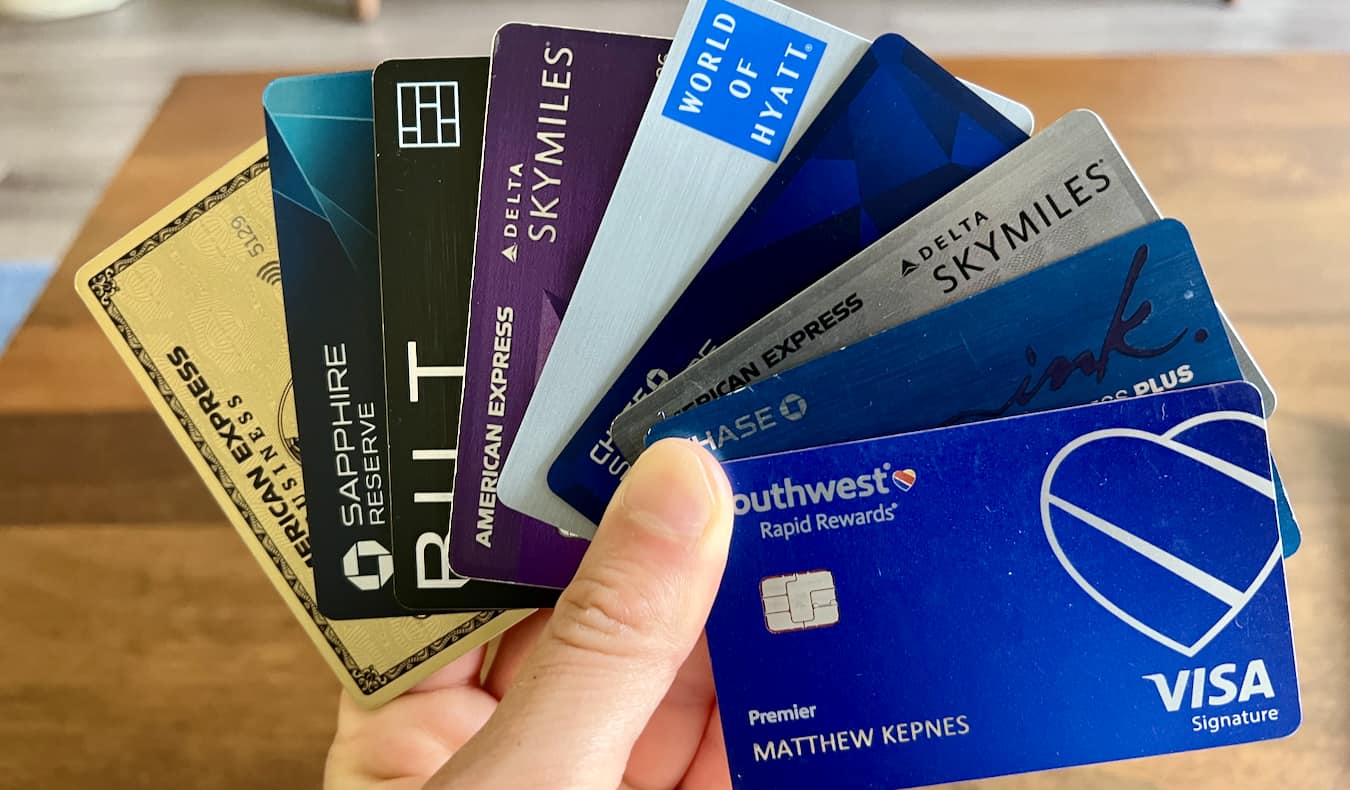
Many successful consumers don’t just look for one good card; they look for a “stack” of cards within the same ecosystem. By using two or three cards from the same issuer—perhaps one for travel, one for groceries, and one for business—a user can pool their points into a single “bucket.” This synergy allows for faster accumulation and more flexible redemption options, turning a collection of individual financial tools into a cohesive wealth-management system.
In conclusion, a good credit card is a multifaceted instrument that offers a combination of low costs, high rewards, and comprehensive protections. It is a tool that empowers the consumer, providing them with the leverage to make their money work harder. By carefully analyzing APRs, fee structures, reward categories, and secondary benefits, individuals can identify the specific card that will serve as an engine for their personal and professional financial growth. High-quality credit management is not about spending more; it is about spending smarter.
aViewFromTheCave is a participant in the Amazon Services LLC Associates Program, an affiliate advertising program designed to provide a means for sites to earn advertising fees by advertising and linking to Amazon.com. Amazon, the Amazon logo, AmazonSupply, and the AmazonSupply logo are trademarks of Amazon.com, Inc. or its affiliates. As an Amazon Associate we earn affiliate commissions from qualifying purchases.