
In the modern financial landscape, your bank account serves as the central hub for your economic life. Whether you are receiving a paycheck via direct deposit, paying monthly utilities, or transferring funds to an investment brokerage, two specific strings of digits make these transactions possible: the routing number and the account number. While they are often mentioned in the same breath, they serve distinct purposes and operate as the “GPS coordinates” for every dollar that moves through the electronic banking system.
Understanding the nuances of these numbers is not merely a matter of administrative curiosity. In an era of increasing digital transactions and sophisticated financial fraud, knowing how to identify, use, and protect these identifiers is a fundamental component of financial literacy. This guide provides an in-depth exploration of what these numbers represent, how they function within the global monetary framework, and why they remain the bedrock of personal finance.
Decoding the Routing Number: Your Bank’s Digital Address
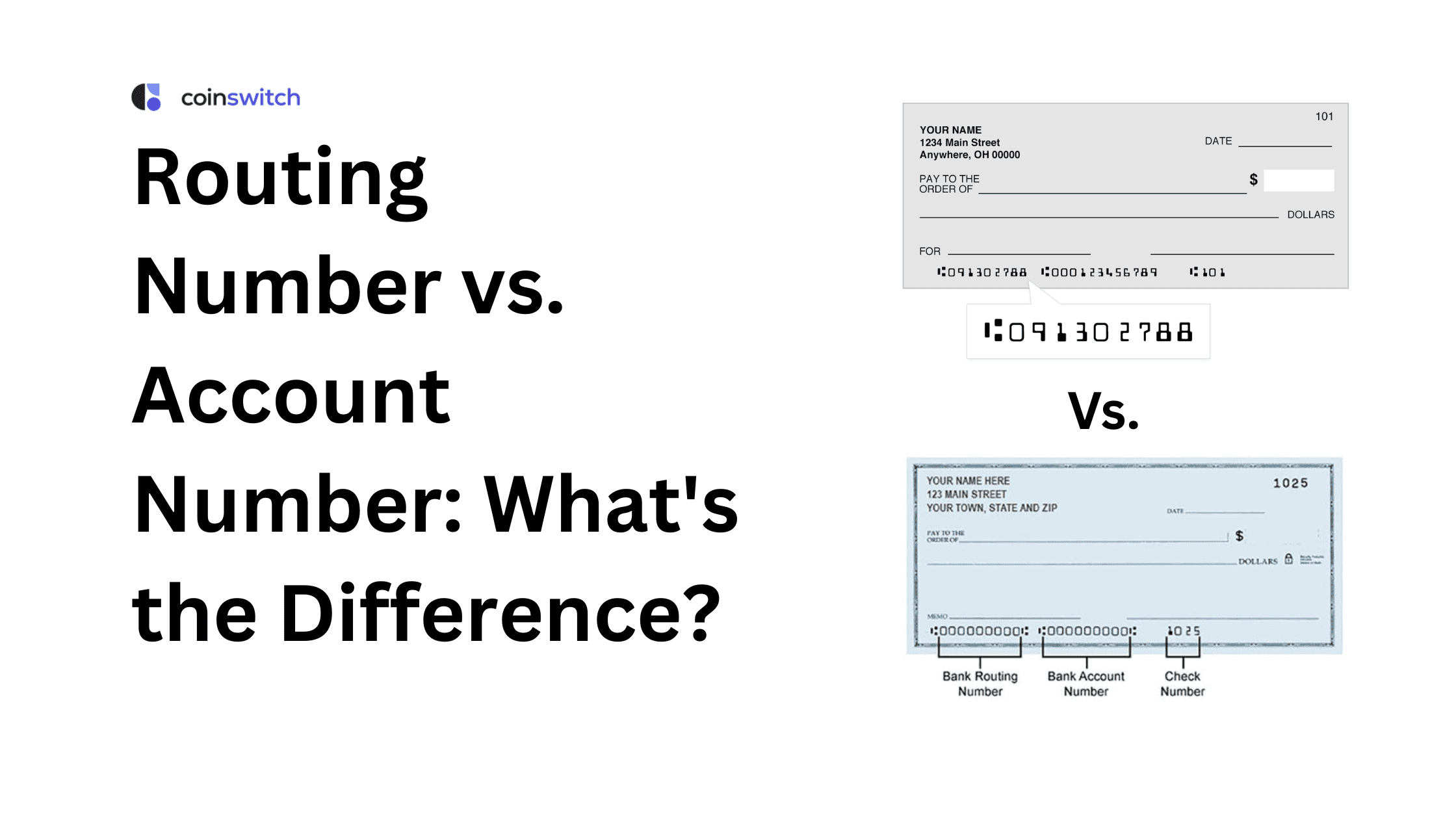
The routing number, formally known as an American Bankers Association (ABA) Routing Transit Number (RTN), is a nine-digit code used to identify a specific financial institution within the United States. Established in 1910, the system was originally designed to facilitate the sorting and shipping of paper checks. Today, it serves as the digital gateway for various electronic transactions, including Automated Clearing House (ACH) transfers and wire transfers.
The Origins and Structure of the ABA Routing Number
The nine-digit sequence of a routing number is not random. It is structured to provide specific information to the Federal Reserve and other banking entities. The first four digits represent the Federal Reserve routing symbol, which indicates the geographic location of the bank’s headquarters. The next two digits identify the specific Federal Reserve bank that processes the institution’s electronic and paper transactions. The seventh and eighth digits represent the specific financial institution itself, and the final ninth digit is a “check digit.”
The check digit is a mathematical safeguard. By applying a specific formula to the first eight digits, the resulting number must match the ninth digit. If it does not, the banking system recognizes a typo or a transmission error, preventing the funds from being sent to a non-existent or incorrect destination.
Where to Find Your Routing Number
Locating a routing number is a standard task in personal finance. For those who still use paper checks, the routing number is the nine-digit code located at the bottom-left corner of the check. It is always the first set of numbers in the MICR (Magnetic Ink Character Recognition) line.
In the digital age, most consumers find their routing number by logging into their online banking portal or mobile app, usually under “Account Details.” It is also frequently listed on monthly bank statements. It is important to note that many larger banks have different routing numbers for different purposes; for instance, the number used for a domestic ACH transfer might differ from the one used for an international wire transfer.
Why Some Banks Have Multiple Routing Numbers
It is a common misconception that a bank has only one routing number. Large, national financial institutions often possess dozens of them. This is usually the result of historical mergers and acquisitions. When a large bank buys a smaller regional bank, it may continue to use the smaller bank’s routing number for customers in that specific geographic area to avoid the logistical nightmare of reissuing millions of checks and updating direct deposit information. Additionally, some banks designate specific routing numbers for specific types of transactions, such as paper processing versus electronic transfers.
The Account Number: Your Unique Financial Fingerprint
While the routing number identifies the “building” (the bank), the account number identifies the “room” (your specific account). It is a unique identifier assigned by the financial institution to a customer to distinguish their funds from those of every other customer at that bank.
How Account Numbers Are Structured
Unlike routing numbers, which must follow a strict nine-digit format mandated by the ABA, account numbers vary in length and structure depending on the bank’s internal systems. Most account numbers range from 8 to 12 digits, though some institutions use up to 17.
These numbers are generated by the bank’s internal software. In many cases, they are not purely sequential. Banks use internal logic to ensure that account numbers are not easily guessable, which serves as a primary layer of security. Some digits within the account number may signify the type of account (checking, savings, or money market) or the specific branch where the account was originally opened.
Savings vs. Checking Account Numbers
Most consumers hold multiple accounts within a single institution. Each of these accounts—whether it is a standard checking account, a high-yield savings account, or a business account—will have its own unique account number. Even if they share the same routing number, the account number ensures that money intended for your “Vacation Fund” doesn’t accidentally end up in your “Mortgage Payment” checking account. When setting up automated transfers or direct deposits, it is critical to verify which specific account number is being used to ensure the funds are allocated correctly according to your financial goals.
Security and the Privacy of Your Account Number
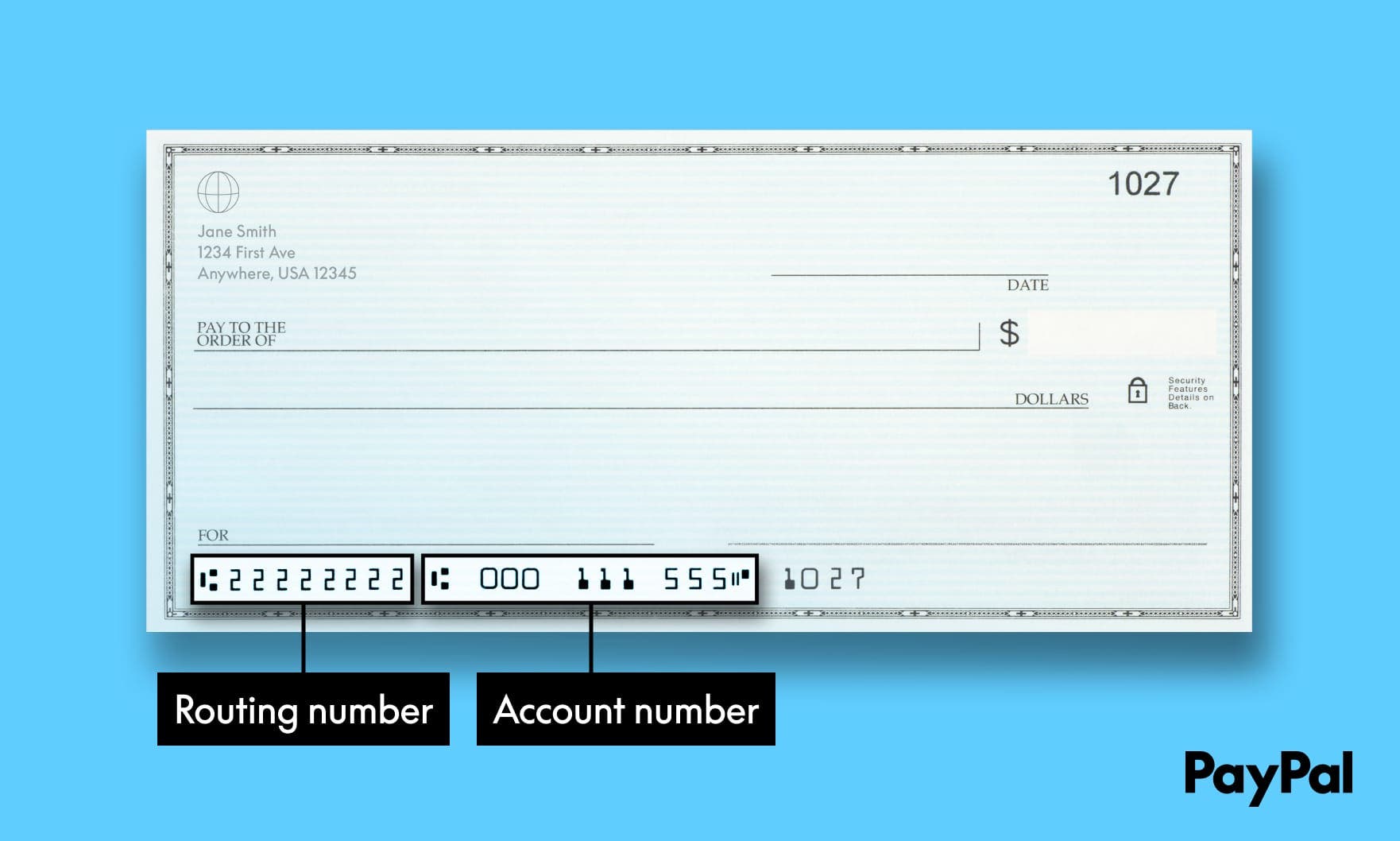
Your account number is a sensitive piece of financial data. While it is printed on every check you write, in the digital world, it is a key that can unlock your funds if it falls into the wrong hands. Unlike a credit card number, which can be easily canceled and replaced with a new one without changing your entire relationship with the bank, changing an account number is an arduous process. It involves closing the account, opening a new one, and manually updating every single direct deposit and automated bill payment. Consequently, protecting this number is paramount to maintaining financial health.
How They Work Together: The Mechanics of Modern Transactions
The synergy between the routing and account numbers is what allows the global economy to function with high efficiency. When these two numbers are combined, they create a complete “address” for your money.
Direct Deposits and Automated Clearing House (ACH)
The most common use of these numbers is the ACH network. This is the system used for “pull” and “push” payments, such as when your employer sends your salary to your bank or when you pay your electric bill online. In an ACH transaction, the originating institution sends a digital file containing your routing and account numbers to a clearinghouse. The clearinghouse then routes the request to your bank, which verifies the account number and completes the transfer. This process is highly cost-effective, which is why it is the standard for most consumer financial activities.
Wire Transfers vs. ACH Transfers
While ACH is used for everyday transactions, wire transfers are used for high-value or time-sensitive moves, such as a down payment on a home. Wire transfers operate on a different network (usually Fedwire in the U.S.). While they also require routing and account numbers, the routing number used for a wire transfer is often different from the one used for ACH. Wire transfers are processed in real-time, meaning the money is moved almost instantly, whereas ACH transfers are processed in batches and can take one to three business days.
Peer-to-Peer Payment Apps and Traditional Banking
The rise of apps like Venmo, PayPal, and Cash App has added a layer of abstraction to traditional banking. However, these apps are still tethered to the routing and account number system. To “cash out” your balance from a payment app to your bank account, you must provide your bank’s routing and account numbers. Even though the user interface feels like a social network, the underlying movement of money relies on the same century-old principles of routing and account identification.
Safeguarding Your Banking Credentials in a Digital Age
In the realm of personal finance, your account and routing numbers are “static” credentials. Unlike a one-time password or a rotating security code, these numbers do not change unless you take the drastic step of closing your account. This makes them high-value targets for cybercriminals.
Common Scams Involving Account and Routing Data
One of the most prevalent threats is “check fraud,” where a criminal uses the routing and account numbers found on a paper check to create counterfeit checks or to initiate unauthorized ACH withdrawals. Another common tactic is “phishing,” where scammers send emails or texts masquerading as your bank to trick you into revealing these numbers. Once a scammer has both your routing and account number, they have enough information to attempt to pull funds from your account through various online payment portals.
Best Practices for Financial Security
To maintain the integrity of your personal finances, consider the following best practices:
-
Monitor Statements Regularly: Check your transaction history at least once a week. Look for small “test” transactions from unknown sources, which scammers often use to see if an account is active before attempting a large withdrawal.
-
Use Secure Portals: Never send your account or routing numbers via email or unencrypted messaging apps. Only enter them on secure, “https” websites of reputable institutions.
-
Limit the Use of Paper Checks: Use electronic bill pay services provided by your bank whenever possible. These services often use encrypted tokens to process payments rather than exposing your raw account information.
-
Enable Alerts: Most modern banks offer real-time alerts for any ACH activity. Enabling these allows you to catch unauthorized movements of money the moment they happen.
International Banking: IBAN and SWIFT/BIC Codes
As the economy becomes increasingly globalized, it is important to understand how U.S. routing and account numbers translate to international standards. If you are receiving money from abroad or sending funds to a relative in Europe, the domestic routing number will not suffice.
Moving Beyond Domestic Routing Numbers
Most of the world uses the International Bank Account Number (IBAN) system. An IBAN is a long string of alphanumeric characters that incorporates the country code, the bank’s code, and the individual’s account number into a single, standardized format. While the U.S. does not currently use the IBAN system, American banks use SWIFT (Society for Worldwide Interbank Financial Telecommunication) codes, also known as BIC (Business Identifier Codes).
When conducting international finance, the SWIFT code acts as the international version of the routing number, identifying the specific bank on the global stage. Understanding this distinction is vital for anyone involved in international business, freelance work for overseas clients, or global investing.

Conclusion: The Foundation of Financial Management
The routing number and account number are far more than just “paperwork” or “boring digits.” They are the fundamental tools that allow for the secure and orderly transfer of wealth in a complex global society. By mastering the use of these numbers, understanding their structure, and implementing rigorous security measures to protect them, you empower yourself to navigate the world of personal finance with confidence. Whether you are building a business, saving for retirement, or simply managing your monthly budget, these numbers remain the most critical links in your financial chain.
aViewFromTheCave is a participant in the Amazon Services LLC Associates Program, an affiliate advertising program designed to provide a means for sites to earn advertising fees by advertising and linking to Amazon.com. Amazon, the Amazon logo, AmazonSupply, and the AmazonSupply logo are trademarks of Amazon.com, Inc. or its affiliates. As an Amazon Associate we earn affiliate commissions from qualifying purchases.