
In the complex ecosystem of global finance, the commercial banker serves as a vital intermediary, bridging the gap between institutional capital and the operational needs of businesses. While retail bankers manage the financial lives of individuals and investment bankers orchestrate high-stakes mergers and acquisitions, commercial bankers operate within the engine room of the economy. They are the primary financial partners for small-to-medium enterprises (SMEs), middle-market companies, and large corporations, providing the liquidity and strategic advisory services necessary for business expansion, daily operations, and long-term sustainability.
To understand what a commercial banker is, one must look beyond the simple act of lending money. A commercial banker is a relationship manager, a risk analyst, and a financial consultant rolled into one. Their role is to ensure that businesses have access to the credit and treasury tools required to navigate the complexities of the modern marketplace.
Defining the Role: The Bridge Between Capital and Corporate Growth
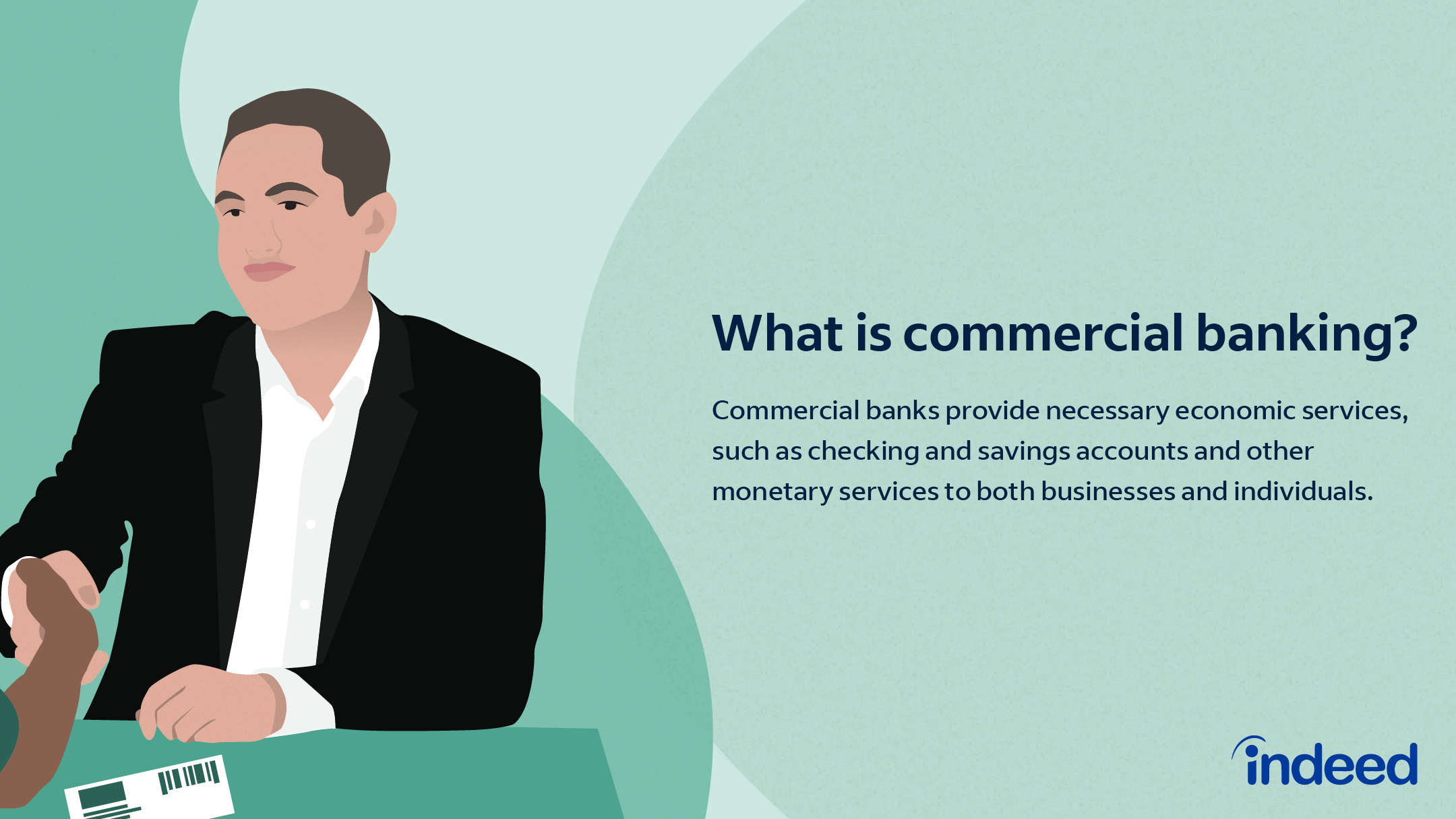
At its core, a commercial banker is a financial professional who provides a suite of banking services specifically tailored to corporate clients. Unlike retail banking, which is high-volume and standardized, commercial banking is deeply personalized and transactionally complex. A commercial banker’s primary objective is to manage a portfolio of business clients, ensuring their financial health while maximizing the bank’s profitability through interest income and service fees.
The Core Responsibilities
The responsibilities of a commercial banker are multifaceted. They are tasked with identifying potential business clients, understanding their unique capital structures, and proposing financial products that align with their corporate goals. This involves a deep dive into the client’s balance sheet, income statement, and cash flow projections. A commercial banker must determine if a business is a viable candidate for credit, how much debt it can safely carry, and what specific structures—such as revolving lines of credit or equipment leases—will best serve its operational cycle.
How Commercial Banking Differs from Investment and Retail Banking
It is common to confuse commercial banking with other sectors of the industry, but the distinctions are significant. Retail banking focuses on consumer products like personal checking accounts, mortgages, and car loans. Investment banking focuses on capital markets, helping corporations raise equity or debt through public offerings and facilitating mergers.
Commercial banking sits in the middle. It deals with the “debt side” of corporate finance but focuses on traditional bank loans and credit facilities rather than issuing bonds on the open market. While an investment banker might help a company go public (IPO), a commercial banker provides that same company with the working capital needed to pay employees and purchase inventory months before that IPO even becomes a possibility.
The Day-to-Day Operations of a Commercial Banker
The life of a commercial banker is a balance between business development (sales) and credit maintenance (risk management). They spend a significant portion of their time in the field, meeting with CEOs, CFOs, and business owners to discuss their challenges and growth plans.
Relationship Management and Business Development
For a commercial banker, “the relationship” is the most valuable asset. Banks do not just lend to companies; they lend to people they trust. Business development involves networking within specific industries—such as manufacturing, healthcare, or real estate—to find companies that need financing. A successful banker acts as a trusted advisor, often being the first call a CFO makes when they are considering a major acquisition or facing a liquidity crunch.
Underwriting and Risk Assessment
Once a potential deal is identified, the commercial banker must transition from an advocate for the client to a skeptic for the bank. This involves the underwriting process, where the banker (often in collaboration with credit analysts) evaluates the “Five Cs of Credit”: Character, Capacity, Capital, Collateral, and Conditions.
They analyze years of financial audits, tax returns, and market trends to ensure the borrower can repay the loan. This stage requires high-level financial literacy, as the banker must identify “red flags” in financial statements, such as declining margins or excessive leverage, that could jeopardize the bank’s capital.
Portfolio Monitoring and Management
The job does not end once the loan is closed. A commercial banker must monitor their portfolio of existing loans to ensure continued compliance with “covenants”—financial performance benchmarks agreed upon in the loan contract. If a company’s debt-to-equity ratio climbs too high or its liquidity drops below a certain threshold, the banker must intervene to restructure the debt or mitigate the bank’s risk.
Key Products and Services Managed
A commercial banker’s toolkit is extensive, ranging from simple liquidity solutions to complex, structured debt vehicles. Understanding these products is essential to understanding the value a banker brings to a business.
Lines of Credit and Term Loans
The most common product managed by a commercial banker is the working capital line of credit. Businesses often face timing gaps between when they pay for raw materials and when they receive payment from customers. A revolving line of credit allows them to borrow as needed to bridge this gap. Term loans, on the other hand, are typically used for fixed asset purchases, such as machinery, vehicles, or facility expansions, and are paid back over a set period of years.
Treasury Management Solutions
Beyond lending, commercial bankers provide treasury and cash management services. These are the “sticky” services that keep a business tied to a bank. They include automated clearing house (ACH) payments, wire transfers, fraud protection services, and “lockbox” services for processing incoming checks. By optimizing a company’s cash cycle, the commercial banker helps the client maximize interest income on their deposits and minimize the cost of their borrowings.
Asset-Based Lending and Commercial Real Estate
For companies with significant physical assets but perhaps less consistent cash flow, commercial bankers offer Asset-Based Lending (ABL). This involves using inventory or accounts receivable as direct collateral for a loan. Additionally, many commercial bankers specialize in Commercial Real Estate (CRE), financing the purchase or construction of office buildings, shopping centers, and industrial warehouses.
The Path to Becoming a Successful Commercial Banker
The career path into commercial banking is rigorous and typically begins with a strong foundation in finance, accounting, or economics. Because the role requires a blend of social intelligence and technical proficiency, the barrier to entry is high.
Educational Requirements and Certifications
Most commercial bankers hold at least a bachelor’s degree in a business-related field, and many pursue an MBA to accelerate their career into senior relationship management roles. A critical step in the journey is often a “Credit Training Program” offered by major banks. These programs are effectively “boot camps” for financial analysis, teaching junior bankers how to deconstruct a balance sheet and identify the subtle signs of financial distress.
Essential Soft Skills: Negotiation and Analytical Thinking
Technical skills will get a banker in the door, but soft skills determine their long-term success. A commercial banker must be an expert negotiator, balancing the client’s desire for low interest rates with the bank’s need for risk-adjusted returns. They must also be excellent communicators, capable of explaining complex financial structures to business owners who may be experts in their own industry but less familiar with the nuances of corporate debt.
The Impact of Commercial Banking on the Broader Economy
Commercial bankers are often the unsung heroes of economic stability. By providing credit to businesses, they facilitate the job creation and innovation that drive GDP growth. When a local manufacturer wants to build a new wing and hire 100 people, it is the commercial banker who provides the capital to make that a reality.
In times of economic volatility, the role of the commercial banker becomes even more critical. They act as a buffer, working with distressed businesses to restructure debt and provide the liquidity necessary to survive downturns. Through their deep understanding of local markets and specific industrial sectors, they ensure that capital flows to where it is most productive, maintaining the health of the financial system from the bottom up.
Ultimately, a commercial banker is more than a source of funds. They are the strategic architects of a company’s capital structure, ensuring that businesses have the financial foundation required to thrive in an ever-changing economic landscape. Their work requires a rare combination of mathematical precision and interpersonal intuition, making them indispensable figures in the world of modern finance.
aViewFromTheCave is a participant in the Amazon Services LLC Associates Program, an affiliate advertising program designed to provide a means for sites to earn advertising fees by advertising and linking to Amazon.com. Amazon, the Amazon logo, AmazonSupply, and the AmazonSupply logo are trademarks of Amazon.com, Inc. or its affiliates. As an Amazon Associate we earn affiliate commissions from qualifying purchases.