
For decades, the standard banking experience involved a trade-off: in exchange for the security of a brick-and-mortar vault and the convenience of a local branch, customers accepted a suite of “maintenance fees.” These charges, often ranging from $10 to $25 per month, were ostensibly for the upkeep of the account, though they could usually be waived if the customer maintained a high minimum balance or set up a recurring direct deposit. However, the financial landscape has shifted dramatically. A new generation of digital-first banks, tech-driven credit unions, and revamped traditional institutions has emerged, offering full-service banking with zero monthly maintenance fees and no minimum balance requirements.

Finding a bank that doesn’t nibble away at your savings is no longer a niche pursuit; it is a fundamental strategy for modern wealth management. Every dollar saved on administrative fees is a dollar that can be redirected toward investments, high-yield savings, or debt reduction. To navigate this landscape, it is essential to understand which institutions lead the market in fee-free structures and what trade-offs, if any, come with these accounts.
The Best Online Banks for Fee-Free Checking and Savings
Online banks have pioneered the “no-fee” movement. Because they do not have the overhead costs of maintaining physical branches, property taxes, and on-site security for thousands of locations, they pass those savings on to the consumer in the form of zero fees and higher interest rates.
Ally Bank
Ally Bank is frequently cited as the gold standard for online banking. Their Interest Checking Account has no monthly maintenance fees, regardless of your balance or direct deposit status. Ally distinguishes itself by offering a robust ATM network through Allpoint and providing up to $10 in reimbursements per statement cycle for fees charged by other ATM owners. Furthermore, Ally’s savings accounts are consistently among the most competitive in the industry, featuring “buckets” to help users organize their financial goals without needing to open multiple accounts.
Capital One 360
While Capital One has physical locations and “Cafes” in major cities, its 360 Checking and Performance Savings accounts function primarily as high-quality online products. There are no monthly fees to keep these accounts open, and no minimums are required to earn interest. Capital One is particularly attractive for those who still want occasional access to a physical human or a branded ATM, as their network is expansive and their user interface is one of the most highly rated in the mobile banking sector.
Discover Bank
Known primarily for its credit cards, Discover Bank offers a Cashback Debit account that is a rarity in the industry. Not only are there no monthly maintenance fees, but the account actually pays you to use it. Users can earn 1% cash back on up to $3,000 in qualifying debit card purchases each month. This turns the traditional banking model on its head; instead of the bank charging you to hold your money, they provide a financial incentive for your daily spending.
SoFi
SoFi (Social Finance) has evolved from a student loan refinancing tool into a comprehensive financial powerhouse. Their checking and savings accounts are integrated into a single “SoFi Checking and Savings” product. There are no monthly account fees, and when you set up direct deposit, you unlock a highly competitive APY (Annual Percentage Yield) on your savings balance. SoFi also offers “Roundups,” which take the change from your debit purchases and automatically move it into a savings or investment account, facilitating effortless wealth accumulation.
Credit Unions and the Member-First Model
If you prefer an institution that is technically a non-profit and owned by its members, credit unions are the primary alternative to traditional banks. While many local credit unions offer fee-free accounts, several national-scale credit unions provide digital experiences that rival the big banks.
Alliant Credit Union
Alliant is one of the largest credit unions in the United States and offers an award-winning High-Rate Checking account. There are no monthly service fees if you opt for paperless statements. Alliant is particularly notable for its massive ATM network—over 80,000 surcharge-free ATMs—and its generous ATM fee rebates (up to $20 per month). Because it is a credit union, the interest rates offered on savings accounts often outperform those of the largest national “Big Four” banks.
Navy Federal Credit Union
For those who qualify—active duty military, veterans, and their family members—Navy Federal offers several checking options with no monthly fees. Their “Free Active Duty Checking” and “Free EveryDay Checking” are designed to be accessible to everyone regardless of their account balance. They provide the personalized service of a credit union with the infrastructure of a global bank, including thousands of shared branches and a robust mobile app.
Consumers Credit Union
Consumers Credit Union is famous in the personal finance community for its “Rewards Checking” account. While it has no monthly fees and no minimum balance requirements, its standout feature is the potential for an incredibly high interest rate on your balance if you meet certain monthly requirements (such as a specific number of debit transactions). This is a prime example of how fee-free banking can be leveraged to generate significant passive income.
Fintech Innovators and Neobanks
The rise of “neobanks”—companies that provide banking services via a mobile app and partner with established banks for FDIC insurance—has further pressured the industry to eliminate fees. These companies often target younger, tech-savvy consumers who prioritize app functionality over physical branch access.
Chime
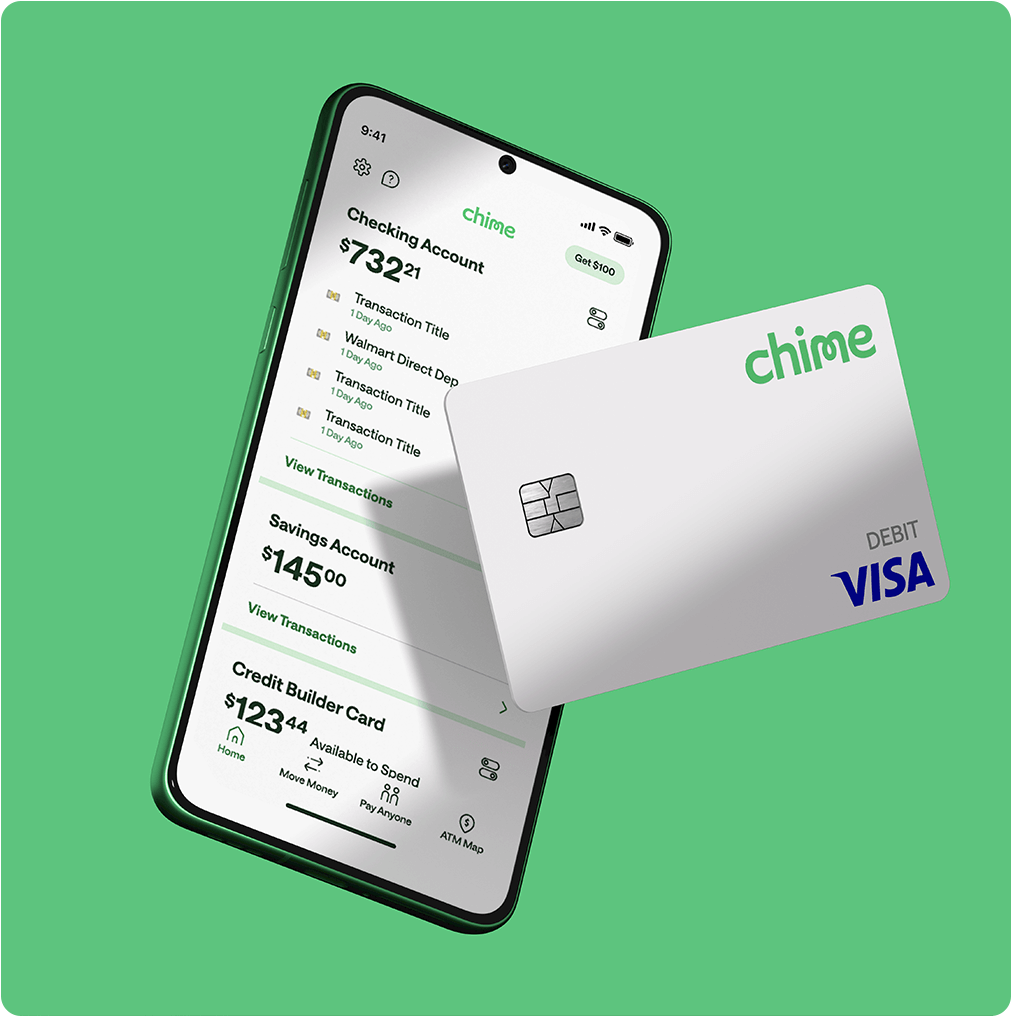
Chime is perhaps the most recognizable name in the neobank space. It was built on the premise of “banking that has your back.” There are no monthly fees, no minimum balance requirements, and no overdraft fees (via their SpotMe feature, which allows eligible members to overdraw their account by a specific amount without penalty). Chime makes its money through interchange fees (the small fee merchants pay when you swipe your card) rather than by charging the account holder.
Varo Bank
Unlike many neobanks that partner with existing banks, Varo obtained its own national bank charter. This allows it to offer a full suite of services directly. The Varo Bank Account has no monthly fees and no minimum balance requirements. One of its most appealing features is the Varo Believe program, a secured credit card designed to help users build credit using the money they already have in their Varo account, all without traditional interest charges or annual fees.
Current
Current positions itself as a “financial technology company” rather than a traditional bank. It offers a fee-free basic account and is particularly popular for its “Early Direct Deposit” feature, which can give users access to their paychecks up to two days early. Their app includes features like “Savings Pods” and instant gas hold removals, which are designed to give users more immediate control over their cash flow.
What to Look for Beyond the Monthly Fee
While eliminating the monthly maintenance fee is a vital first step, a truly “fee-free” experience requires a deeper look at the fine print. An account might not charge a monthly fee, but it could still drain your finances through other hidden costs.
ATM and Out-of-Network Fees
If a bank has no branches, you must rely on ATMs to access cash. Most fee-free online banks participate in networks like Allpoint or MoneyPass. Before opening an account, check the bank’s app to see if there are convenient, surcharge-free ATMs near your home and workplace. If you travel frequently, look for a bank like Charles Schwab, which offers a High Yield Investor Checking account with no monthly fees and unlimited ATM fee rebates worldwide.
Overdraft and Non-Sufficient Funds (NSF) Fees
The “overdraft fee” has historically been one of the most predatory charges in banking, often costing $35 per occurrence. Many modern fee-free banks have eliminated these entirely. Instead of charging a fee, they will simply decline the transaction, or they will provide a small “buffer” or “overdraft protection” that allows you to settle the balance within a few days without a penalty.
Foreign Transaction Fees
If you travel abroad or purchase items from international retailers, a 3% foreign transaction fee can add up quickly. Many fee-free accounts, particularly those from Capital One and Charles Schwab, also waive foreign transaction fees. This is a critical distinction for digital nomads and frequent travelers.
Minimum Balance to Earn Interest
Some banks advertise “no monthly fees” but require a significant minimum balance (e.g., $5,000) before you begin earning any meaningful interest on your savings. When comparing accounts, ensure that the high-interest tier is accessible to you. The best modern accounts offer their highest APY on the very first dollar you deposit.
How to Transition to a Fee-Free Bank
Switching banks is often perceived as a bureaucratic nightmare, but the process has been streamlined significantly. To move to a fee-free institution, follow these steps:
-
Open the New Account First: Do not close your old account immediately. Open the new fee-free account and fund it with a small initial deposit to ensure the debit card arrives and the app is functional.
-
Update Direct Deposits: Transition your paycheck to the new account. Most employers allow you to do this via an online HR portal.
-
Audit Your Autopays: Review your last three months of bank statements to identify all recurring subscriptions and bill payments. Update these to the new account one by one.
-
Leave a “Buffer” in the Old Account: Keep a small amount of money in your old account for 30 days to catch any forgotten “zombie” subscriptions or trailing checks.
-
Close and Confirm: Once you are certain all activity has moved, close the old account. Ask for written confirmation that the account is closed to prevent any future “dormancy fees” or “maintenance fees” from being charged to a zero-balance account.
By moving your capital to a bank that respects your balance, you are not just saving $15 a month; you are aligning your financial habits with the modern economy. In an era where digital efficiency is the norm, paying a monthly fee for a bank account is an unnecessary legacy expense that no savvy consumer should tolerate.
aViewFromTheCave is a participant in the Amazon Services LLC Associates Program, an affiliate advertising program designed to provide a means for sites to earn advertising fees by advertising and linking to Amazon.com. Amazon, the Amazon logo, AmazonSupply, and the AmazonSupply logo are trademarks of Amazon.com, Inc. or its affiliates. As an Amazon Associate we earn affiliate commissions from qualifying purchases.