
Signing up for a credit card is more than just a simple transaction; it is a significant financial milestone that, when handled correctly, serves as a gateway to long-term wealth management and purchasing power. Whether you are a student looking to establish your first line of credit or a seasoned professional seeking to optimize your rewards, the process requires a blend of preparation, research, and strategic execution. In the modern financial landscape, a credit card is an essential tool for building a credit profile, which influences everything from your ability to rent an apartment to the interest rates you will pay on a future mortgage.
Foundational Preparation: Knowing Where You Stand
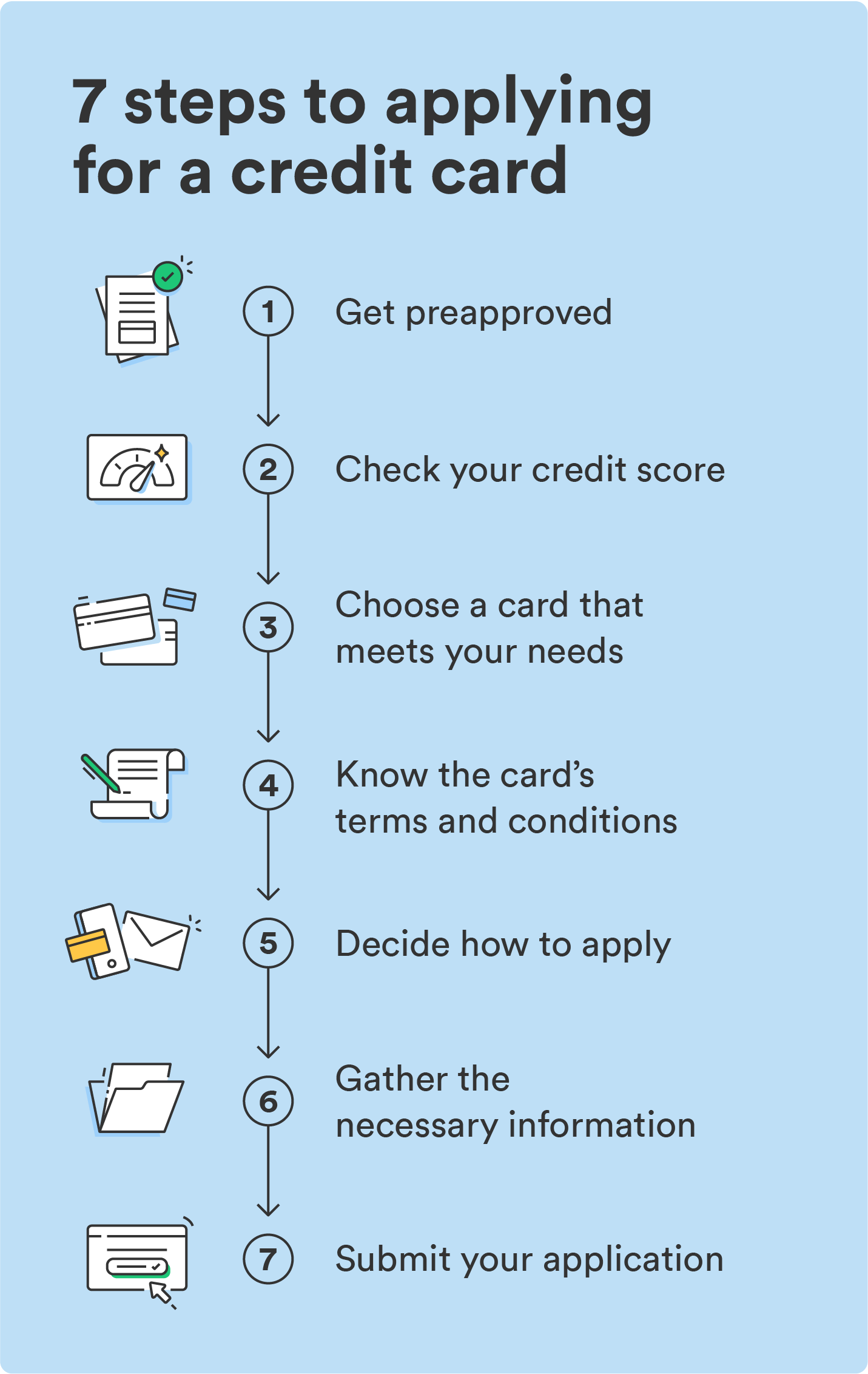
Before you even begin browsing through various card offers, you must conduct a thorough audit of your current financial standing. Lenders use specific metrics to determine your creditworthiness, and walking into the application process blind can lead to unnecessary “hard inquiries” on your credit report, which can temporarily lower your score.
Assessing Your Credit Score and Report
Your credit score is the primary filter used by financial institutions to categorize your risk level. In the United States, FICO scores and VantageScores are the industry standards, ranging from 300 to 850.
If your score is in the “Excellent” range (740–850), you have the leverage to apply for premium cards with high sign-up bonuses and low interest rates. If you are in the “Fair” to “Good” range (580–739), you may need to look at entry-level or mid-tier cards. Those with “Poor” credit or no credit history at all should focus on “secured” credit cards, which require a refundable security deposit. It is vital to pull your credit report from the three major bureaus—Equifax, Experian, and TransUnion—to ensure there are no errors or fraudulent activities that could hinder your approval.
Evaluating Your Income and Debt-to-Income Ratio
Credit card issuers are legally required to evaluate your “ability to pay.” This means you must have a steady source of income. For those over the age of 21, this can include personal income, as well as income from a spouse or partner to which you have a “reasonable expectation of access.”
Equally important is your Debt-to-Income (DTI) ratio. If you are already heavily leveraged with personal loans, student debt, or high balances on other cards, a new issuer may see you as a high-risk candidate. Lowering your existing balances before applying can significantly increase your chances of a higher credit limit.
Strategic Selection: Aligning Plastic with Purpose
The market is saturated with thousands of credit products, each designed for a specific consumer archetype. Selecting the wrong card can result in missed opportunities for savings or, worse, high fees that outweigh any benefits.
Rewards, Cashback, and Travel Perks
For consumers who pay their balances in full every month, rewards cards are a powerful way to earn a “rebate” on daily spending. Cashback cards typically offer a flat percentage (e.g., 1.5% or 2%) on all purchases or higher percentages on specific categories like groceries, gas, or dining.
Travel cards, on the other hand, earn points or miles that can be redeemed for flights and hotel stays. These often come with “perks” such as airport lounge access, TSA PreCheck credits, and no foreign transaction fees. When selecting these, you must perform a cost-benefit analysis: Does the annual fee of $95, $250, or $695 justify the value you will realistically extract from the rewards?
Low-Interest and Balance Transfer Options
If you anticipate carrying a balance—though this is generally discouraged in sound financial planning—the Annual Percentage Rate (APR) becomes your most critical metric. Many cards offer an introductory 0% APR period for 12 to 21 months. These cards are excellent tools for consolidating high-interest debt from other sources, allowing you to pay down the principal without the burden of accruing interest. However, be mindful of “balance transfer fees,” which typically range from 3% to 5% of the total amount moved.
Secured Cards and Student Options
For those at the beginning of their financial journey, secured credit cards are the gold standard for building a foundation. By providing a deposit (e.g., $200), you receive a credit line of the same amount. The issuer reports your payment history to the bureaus, and after several months of responsible use, most lenders will “graduate” you to an unsecured card and return your deposit. Student cards function similarly but often do not require a deposit, instead offering modest rewards for good grades or specific spending categories.
The Application Protocol: Precision and Accuracy
Once you have identified the optimal card, the application process itself is relatively straightforward but requires attention to detail. Most applications are now completed online, providing near-instantaneous feedback.

Gathering Necessary Documentation
To complete the application, you will need several pieces of personal information:
-
Personal Identification: Full legal name, date of birth, and Social Security Number (SSN) or Individual Taxpayer Identification Number (ITIN).
-
Contact Information: Physical address (not a P.O. Box), email, and phone number.
-
Financial Details: Total annual gross income and your monthly housing payment (rent or mortgage).
Providing accurate data is paramount. Discrepancies between your application and the data held by credit bureaus can trigger a manual review, delaying the process by weeks or leading to an automatic denial.
Understanding the “Schumer Box”
Before hitting “Submit,” every applicant should review the “Schumer Box.” This is a standardized table required by law that discloses the card’s costs. It includes the purchase APR, the penalty APR (for late payments), the annual fee, late payment fees, and the grace period (the time you have to pay your bill before interest starts accruing). Understanding these terms ensures there are no surprises once the card arrives.
The Impact of the Hard Inquiry
When you submit your application, the lender will perform a “hard pull” of your credit. This usually results in a small, temporary dip in your credit score (typically 5 points or less). It is a strategic mistake to apply for multiple cards simultaneously, as a cluster of hard inquiries in a short period can signal financial distress to lenders.
Post-Submission Dynamics: Approval, Rejection, and Activation
After submitting the application, you will typically receive one of three responses: an immediate approval, a “pending” status, or a denial.
Navigating Pending Status and Rejections
If your application is pending, the issuer may need to verify your identity or income. Often, a quick phone call to the bank’s “reconsideration line” can resolve any questions and move the status to approved.
If you are denied, do not panic. Under the Equal Credit Opportunity Act, the lender must provide you with an “adverse action notice” explaining exactly why you were rejected (e.g., “insufficient credit history” or “too many recent inquiries”). Use this feedback as a roadmap for improvement. You are also entitled to a free copy of the credit report used in the decision, which you should review for inaccuracies.
Activation and Initial Security Setup
Upon approval, your card will arrive in the mail within 7 to 10 business days. The first step is activation, usually done via the issuer’s mobile app or a secure phone line. During this phase, you should immediately set up your online account and enable two-factor authentication.
Crucially, you should also configure your notification settings. Setting up “large purchase” alerts and “card not present” alerts provides an immediate defense against fraudulent activity.
Responsible Stewardship: Maximizing Value While Minimizing Risk
Signing up for the card is only the beginning. The true value of a credit card is unlocked through disciplined management.
The 30% Rule and Utilization
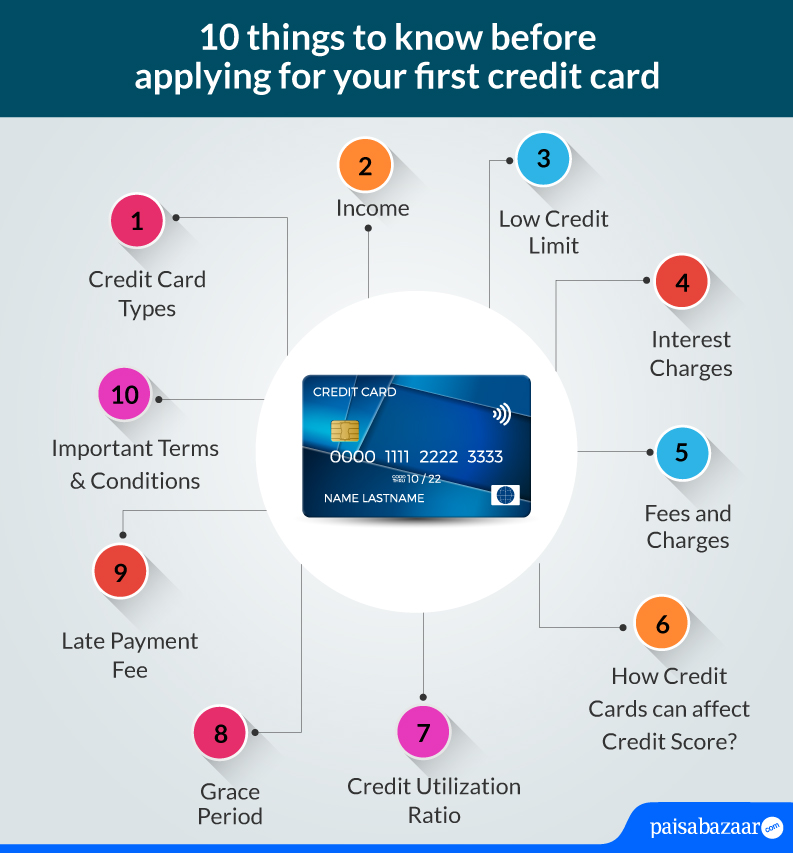
One of the most significant factors in your credit score is your “Credit Utilization Ratio”—the amount of credit you are using compared to your total limit. To maintain a healthy score, aim to keep your utilization below 30% on every card. For example, if you have a $1,000 limit, try not to carry a balance higher than $300 at any point during the billing cycle.
Automating Payments to Avoid Interest
The most effective way to use a credit card is as a transactional tool rather than a loan. By setting up “Auto-Pay” for the full statement balance every month, you ensure that you never pay a cent in interest while simultaneously building a perfect payment history. This habit turns the credit card issuer’s rewards programs into pure profit for you.
Periodic Reviews and Upgrades
Your financial needs will evolve over time. A card that was perfect for you as a college student may no longer be appropriate once you are a homeowner or a frequent business traveler. Every year, review your card portfolio. If a card no longer serves you, consider a “product change” (switching to a different card with the same issuer) rather than closing the account, as closing an old account can shorten your average age of credit and negatively impact your score.
By approaching the credit card sign-up process with this level of detail and foresight, you transform a simple plastic card into a sophisticated instrument of financial growth. Through careful selection, accurate application, and disciplined usage, you can leverage the banking system to enhance your lifestyle and secure your financial future.
aViewFromTheCave is a participant in the Amazon Services LLC Associates Program, an affiliate advertising program designed to provide a means for sites to earn advertising fees by advertising and linking to Amazon.com. Amazon, the Amazon logo, AmazonSupply, and the AmazonSupply logo are trademarks of Amazon.com, Inc. or its affiliates. As an Amazon Associate we earn affiliate commissions from qualifying purchases.