
Managing money within a relationship, a household, or a business partnership requires a high level of coordination, transparency, and the right financial tools. For many, opening a joint bank account is the foundational step toward achieving shared financial goals. Chase, as one of the largest financial institutions in the United States, offers a robust suite of products designed to facilitate this collaborative approach to wealth management. Understanding the nuances of how to open a joint account at Chase—and how to manage it effectively—is essential for anyone looking to streamline their personal finances.
The Strategic Advantage of Joint Banking with Chase
A joint account is more than just a shared pool of capital; it is a strategic tool for financial synchronization. When two or more individuals share an account, they both have equal access to the funds and equal responsibility for the account’s standing. Chase provides several tiers of checking and savings accounts that can be tailored to the specific needs of joint owners, whether they are newly married couples, long-term partners, or adult children assisting elderly parents.
Shared Household Management and Transparency
One of the primary benefits of a joint account is the simplification of household expenses. Instead of calculating who owes what for the mortgage, utilities, or groceries, both parties can deposit their income into a single Chase Total Checking® account. This creates a transparent environment where both owners can track spending in real-time through the Chase Mobile® app. Transparency is a cornerstone of financial health, reducing friction and ensuring that both parties are aware of the liquid capital available for daily operations and emergency needs.
FDIC Insurance and Security Features
From a financial safety perspective, joint accounts offer an often-overlooked advantage regarding Federal Deposit Insurance Corporation (FDIC) coverage. Individual accounts are typically insured up to $250,000. However, joint accounts are insured up to $250,000 per co-owner. This means a couple sharing a Chase account could potentially have up to $500,000 in protected deposits. Beyond government insurance, Chase employs advanced encryption and fraud monitoring, providing a secure environment for shared assets.
Access to a Vast Branch and ATM Network
Choosing a major institution like Chase for a joint account offers the benefit of physical accessibility. For partners who prefer in-person banking or need to deposit cash frequently, the extensive network of over 4,700 branches and 15,000 ATMs is a significant logistical advantage. This ensures that regardless of where either account holder is located, they have equal and easy access to their shared funds without incurring out-of-network fees.
Essential Requirements and Documentation
Before initiating the application process, it is vital to gather the necessary documentation. Chase adheres to strict “Know Your Customer” (KYC) regulations to prevent identity theft and financial fraud. Being prepared will expedite the process, whether you are applying online or in a branch.
Required Personal Information for Both Parties
Both applicants must provide comprehensive personal details. This includes your full legal name, Social Security number (or Individual Taxpayer Identification Number), and a valid government-issued photo ID, such as a driver’s license or passport. Additionally, you will need to provide your current residential address, phone number, and email address. If either party is not a U.S. citizen, additional documentation such as a Green Card or specialized visa may be required.
Choosing the Right Account Type
Chase offers various accounts, and selecting the one that fits your joint lifestyle is a critical financial decision.
-
Chase Total Checking®: The most popular option, suitable for daily transactions with several ways to waive the monthly service fee, such as maintaining a minimum daily balance or having qualifying direct deposits.
-
Chase Premier Plus Checking™: This account offers more benefits, including no fees for Chase design checks and four waived non-Chase ATM fees per statement period. It is ideal for joint owners who maintain higher balances.
-
Chase Sapphire℠ Checking: Designed for affluent clients, this provides premium perks, higher ATM withdrawal limits, and no fees on many common banking services.
Initial Deposit Requirements
While some online banks allow accounts to be opened with zero dollars, Chase generally requires an initial deposit to activate a new joint account. The amount varies depending on the account type and current promotional offers. Ensuring you have the funds ready to transfer from an existing account or cash on hand for an in-branch deposit is a necessary final step in the preparation phase.
A Detailed Walkthrough of the Application Process
Chase has streamlined the process of opening joint accounts to be as frictionless as possible. You have two primary paths: completing the application online or visiting a local branch.
Applying Online for a New Joint Account
If neither party currently has a relationship with Chase, or if you are both comfortable with digital platforms, applying online is the most efficient method.
-
Navigate to the Chase Website: Go to the checking or savings accounts page and select the “Open Account” button for your chosen product.
-
Select the Joint Option: Early in the application, you will be asked if you want to open an individual or joint account. Selecting “Joint” will prompt the system to ask for information for “Applicant 1” and “Applicant 2.”
-
Input Data: Carefully enter the personal information for both parties. Any discrepancies between the data entered and public records can lead to a manual review, delaying the account opening.
-
Verification and Funding: You will be asked to verify your identities through a series of security questions. Once verified, you can link an external bank account to provide the initial funding.
Visiting a Branch for In-Person Setup
For many, sitting down with a Chase banker is the preferred route, especially when navigating more complex financial situations or if you are adding someone to an existing account.
-
The “Add a Person” Scenario: Unlike opening a brand-new account, adding a joint owner to an existing Chase account almost always requires an in-person visit. Both the original account owner and the person being added must be present at the branch simultaneously with their identification.
-
Signatures and Legalities: A banker will guide you through the “Signature Card,” which is the legal document that grants both parties rights to the funds. This is also an excellent time to ask about “Right of Survivorship” clauses, which ensure that if one owner passes away, the funds automatically transfer to the other.
Activating Debit Cards and Digital Access
Once the account is approved, both owners will receive their own unique debit cards via mail. Each card will have its own number and PIN, though they draw from the same pool of funds. It is essential for both parties to set up their own Chase Online℠ profiles. This allows each person to manage their own security settings, such as two-factor authentication, while viewing the shared balance.
Maximizing the Value of Your Chase Joint Account
Simply opening the account is the beginning. To truly leverage the power of joint banking, you must utilize the digital tools and financial strategies that Chase offers.
Utilizing the Chase Mobile® App for Collaborative Budgeting
The Chase Mobile® app is an industry-leading tool that allows joint owners to stay in sync. Features like “Real-time Alerts” can be configured to notify both parties whenever a purchase over a certain amount is made or when the balance falls below a specific threshold. This prevents “double-spending,” where both partners make large purchases on the same day without realizing the other has done so.
Automation and Bill Pay
To ensure financial health, joint owners should utilize the Chase Online℠ Bill Pay feature. By automating recurring expenses like rent, utilities, and insurance, you eliminate the risk of late fees. Furthermore, setting up automatic transfers to a Chase Savings account can help the joint owners build an emergency fund or save for a specific goal, such as a home down payment or a vacation, without requiring manual intervention every month.
Integrating with Other Financial Tools
Chase accounts integrate seamlessly with third-party financial apps like Mint, YNAB (You Need A Budget), and various investment platforms. For joint owners looking to build a comprehensive financial plan, these integrations allow for a high-level view of net worth and spending habits across all categories. By categorizing joint spending, you can identify areas for cost-cutting and redirect those funds toward debt repayment or long-term investments.
Navigating the Potential Challenges of Shared Accounts
While joint accounts offer convenience, they also require a high degree of trust and clear communication. Understanding the legal and interpersonal dynamics is crucial for long-term financial success.
Legal Responsibility and Liability
It is important to remember that in a joint account, each person is 100% responsible for the account’s activity. If one person overdraws the account, both are legally liable for the fees and the negative balance. Similarly, if one owner has a legal judgment or a tax lien against them, creditors may be able to seize funds from the joint account, even if those funds were deposited by the other party.
Communication and Conflict Resolution
Financial disagreements are a leading cause of stress in relationships. To mitigate this, joint owners should establish “spending rules.” For example, many couples agree that any purchase over a certain dollar amount (e.g., $200) requires a quick consultation before the transaction. Scheduling a monthly “financial date night” to review the Chase statements can help both parties stay aligned on their goals and address any concerns before they become major issues.

The Hybrid Approach: Joint and Individual
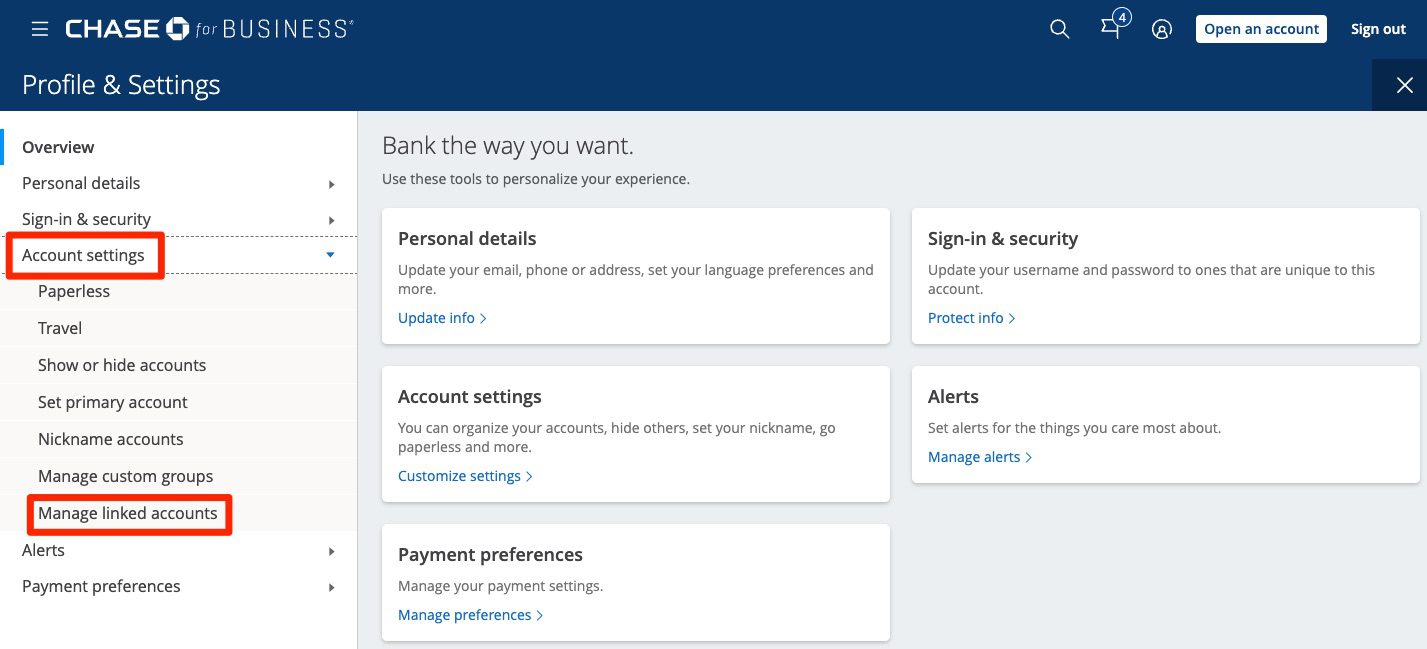
For some, the best financial strategy is the hybrid model. This involves maintaining a joint Chase account for shared expenses (mortgage, groceries, bills) while each partner keeps a separate individual account for personal discretionary spending. This provides the efficiency of shared management while preserving a sense of financial autonomy. Chase makes it easy to manage this setup by allowing users to see all their accounts—both individual and joint—under a single login, providing a holistic view of the household’s financial landscape.
By following these steps and utilizing the resources provided by Chase, joint account holders can create a streamlined, secure, and highly efficient system for managing their collective wealth. Whether you are building a life together or managing family assets, the right account structure is a powerful catalyst for financial stability and growth.
aViewFromTheCave is a participant in the Amazon Services LLC Associates Program, an affiliate advertising program designed to provide a means for sites to earn advertising fees by advertising and linking to Amazon.com. Amazon, the Amazon logo, AmazonSupply, and the AmazonSupply logo are trademarks of Amazon.com, Inc. or its affiliates. As an Amazon Associate we earn affiliate commissions from qualifying purchases.