
In the modern financial landscape, your bank account number serves as the foundational pillar of your monetary identity. While we often rely on the convenience of debit cards and mobile tap-to-pay systems for daily transactions, the underlying account number remains the essential identifier for significant financial movements, such as setting up direct deposits, initiating wire transfers, or automating monthly bill payments. Understanding how to locate and secure this number is a fundamental skill in personal finance management.
As banking transitions further into the digital realm, the methods for retrieving this information have evolved. Whether you are navigating a sophisticated mobile app or looking through traditional paper documentation, knowing exactly where to find your account number—and how to distinguish it from other numerical strings—is crucial for maintaining financial accuracy and security.
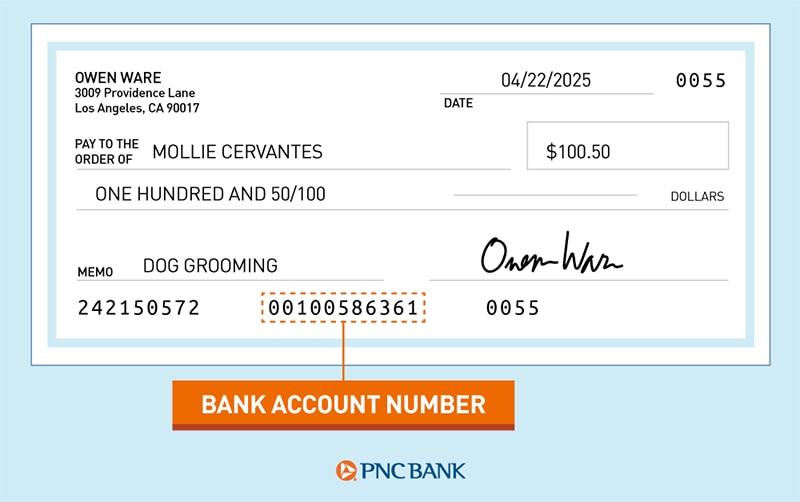
The Anatomy of Banking Identifiers
To effectively find and use your account number, you must first understand its role within the broader banking infrastructure. In the United States and many other regions, the account number does not work in isolation; it functions alongside a routing transit number (RTN) to ensure funds reach the correct destination.
Account Number vs. Routing Number
It is a common point of confusion for many bank customers to mistake their routing number for their account number. The routing number is a nine-digit code that identifies the specific financial institution. Think of the routing number as the “address” of the bank building, while the account number is your “private mailbox” within that building.
The account number is unique to you and your specific relationship with the bank. Depending on the institution, it can range from 8 to 12 digits, though some banks use shorter or longer sequences. When you are asked to provide your banking details for a “Money” transaction—such as receiving a tax refund or paying a mortgage—you will almost always need both the routing and the account number to complete the process.
Types of Accounts and Unique Identifiers
It is also important to note that different types of accounts within the same bank will have different account numbers. Your primary checking account, your secondary savings account, and your high-yield money market account will each possess a distinct number. Using the wrong one can lead to transaction reversals or “insufficient funds” errors if you attempt to draw money from an account that is not currently liquid. Always verify that the number you are retrieving corresponds to the specific financial bucket you intend to use.
Digital Retrieval: Accessing Numbers via Online and Mobile Portals
In the era of FinTech and digital-first banking, the fastest way to find your account number is usually through your bank’s digital interface. Banks have designed these platforms to provide quick access to account details while maintaining strict security protocols to protect your sensitive data.
Using Mobile Banking Applications
Mobile apps have become the primary touchpoint for personal finance. To find your account number on a smartphone:
-
Log in using your secure credentials (biometrics or password).
-
Select the specific account (e.g., “Total Checking”).
-
Look for a section labeled “Account Details,” “Account Info,” or a small “i” icon.
-
Many apps hide the full account number by default for security, showing only the last four digits. You may need to click a “Show” or “View” button to reveal the entire string.
This digital method is often the most reliable because the information is updated in real-time. If your bank has recently undergone a merger or changed its internal routing systems, the app will reflect the most current, active account number.
Navigating the Web Portal
For those who prefer a desktop experience, the bank’s online portal offers a more comprehensive view of financial documentation. Once logged in, the account number is typically found on the main dashboard or within the “Statements” tab.
Online portals are particularly useful because they allow you to view “Electronic Statements” (e-Statements). These PDF documents are digital replicas of the paper statements you would receive in the mail. Every statement clearly lists the full account number, usually in the top right or left corner. Saving a copy of a recent statement to a secure, encrypted folder on your computer is an excellent way to keep your account details accessible without needing to log in to the portal every time.
Security Considerations for Digital Access
While digital retrieval is convenient, it carries risks. Never access your banking portal via a public Wi-Fi network, as these are often unencrypted and susceptible to “man-in-the-middle” attacks. Ensure that your bank uses two-factor authentication (2FA) so that even if a third party gains access to your login credentials, they cannot reach your sensitive account numbers without a secondary verification code.
Traditional Methods: Checks and Paper Documentation
Despite the rise of digital banking, traditional physical documents remain a foolproof way to verify your account number. For many, these physical artifacts provide a sense of security and a tangible reference point for their personal finance records.
Identifying Numbers on a Physical Check
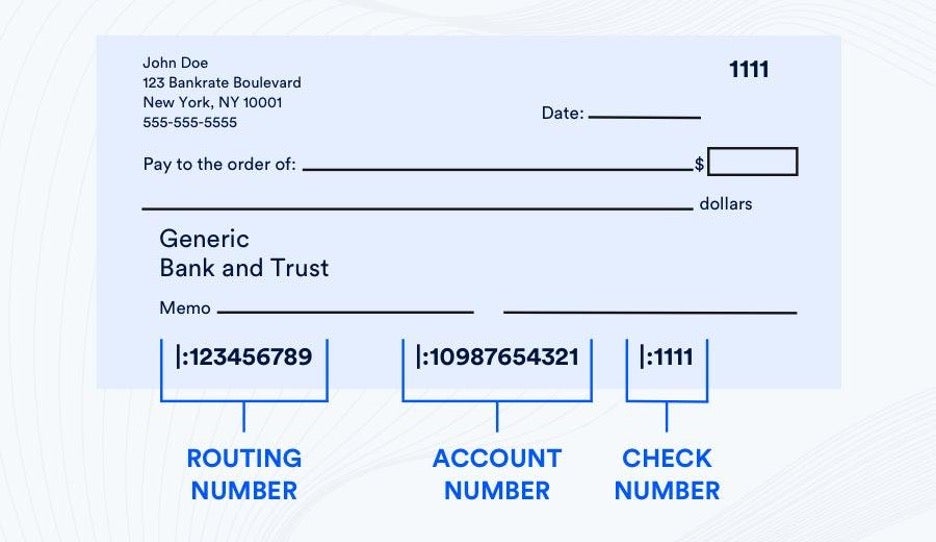
The most common way to find a bank account number is by looking at a personal check. At the bottom of every check, there is a string of numbers printed in a special font known as MICR (Magnetic Ink Character Recognition). This line contains three distinct sets of numbers:
-
The Routing Number: This is the first nine-digit set on the left. It is always nine digits long and is flanked by a specific symbol.
-
The Account Number: This is the second set of numbers, typically located in the center. It is followed by another symbol.
-
The Check Number: This is the shortest set of numbers, usually found on the far right, which matches the check number printed in the top right corner of the document.
By identifying the middle sequence on your check, you have found your account number. It is important to note that you should never use the number printed on a deposit slip as a definitive account number for wire transfers, as some banks use different internal codes for deposit slips than they do for the accounts themselves.
Reviewing Monthly Statements and Welcome Letters
If you do not use paper checks, your monthly bank statement is the next best source. This document serves as the official legal record of your financial activity. In addition to the account number, the statement provides the “Account Summary,” which shows your beginning and ending balances.
For those who have just opened a new account, the “Welcome Package” or “Account Opening Disclosure” sent by the bank will contain all your essential numbers. Professional financial planners recommend keeping these original documents in a fireproof safe or a secure filing cabinet, as they are often required for high-stakes financial activities like applying for a mortgage or verifying assets during legal proceedings.
The Debit Card Misconception
A frequent mistake made by those new to personal finance is assuming the 16-digit number on their debit card is their bank account number. This is incorrect. The number on the face of your debit card is a unique identifier for the card itself, used for point-of-sale transactions and online shopping. It is linked to your bank account, but it is not the account number. If you lose your card and the bank issues a replacement, the 16-digit card number will change, but your bank account number will remain the same.
Direct Verification and In-Person Support
There are instances where digital access is unavailable and physical documents are lost. In these cases, the most secure way to retrieve your account number is through direct communication with your financial institution.
Phone Support and Identity Authentication
You can call your bank’s customer service line to request your account number. However, because this is highly sensitive information, the bank will put you through a rigorous “Know Your Customer” (KYC) verification process. You may be asked to provide your Social Security number, verify recent transaction amounts, or answer security questions established at the time the account was opened.
For security reasons, many banks will not read your full account number over the phone. Instead, they may offer to mail a physical letter to the address they have on file or send an encrypted message to your online banking inbox.
Visiting a Local Branch
For those who value face-to-face interaction, visiting a local branch is the most definitive way to resolve identification issues. By presenting a valid government-issued photo ID (such as a driver’s license or passport), a banker can verify your identity and provide you with a printed “Account Verification” letter. This letter is often preferred by employers for setting up payroll, as it serves as official proof of the account’s existence and ownership.
Safeguarding Your Financial Information
Once you know your account number, protecting it becomes a matter of ongoing financial hygiene. In the wrong hands, an account number and a routing number are all a fraudster needs to initiate unauthorized ACH (Automated Clearing House) withdrawals from your account.
Protecting Your Data
Treat your account number with the same level of secrecy as your Social Security number. Avoid writing it on sticky notes or storing it in unencrypted “Notes” apps on your phone. If you must share your account number—for example, when providing it to an HR department for direct deposit—ensure you are doing so through a secure, encrypted portal or by handing over a voided check in person.

Monitoring for Unauthorized Use
Knowing your account number also allows you to be a better steward of your money. By regularly comparing your known account number against your transaction history, you can quickly spot discrepancies. If you see a “debit” or “withdrawal” on your statement that uses a different or truncated version of your account number that you don’t recognize, it may be a sign of clerical error or fraudulent activity.
In conclusion, knowing your bank account number is about more than just memorizing a string of digits; it is about understanding the mechanics of your personal wealth. By utilizing digital tools, understanding the layout of physical checks, and maintaining a high standard of security, you ensure that your financial transactions remain seamless, professional, and secure. Whether you are building a business, managing a household, or simply saving for the future, mastery over your account identifiers is the first step toward comprehensive financial literacy.
aViewFromTheCave is a participant in the Amazon Services LLC Associates Program, an affiliate advertising program designed to provide a means for sites to earn advertising fees by advertising and linking to Amazon.com. Amazon, the Amazon logo, AmazonSupply, and the AmazonSupply logo are trademarks of Amazon.com, Inc. or its affiliates. As an Amazon Associate we earn affiliate commissions from qualifying purchases.