
In the complex ecosystem of personal finance, certain strings of numbers act as the foundational architecture for every transaction we make. While most consumers are intimately familiar with their debit card numbers or their social security digits, the bank routing number often remains a semi-obscure requirement—until the moment you need to set up a direct deposit, link a new high-yield savings account, or initiate a wire transfer. Understanding how to find and utilize your routing number is not merely a clerical task; it is a vital component of modern financial literacy that ensures your capital moves securely and efficiently through the global banking network.

The American Bankers Association (ABA) routing transit number is a nine-digit code used to identify a specific financial institution within the United States. Established in 1910, this system was designed to facilitate the sorting, bundling, and shipment of paper checks. Today, while paper checks have largely been supplanted by digital ledgers, the routing number remains the primary “address” for your money. Whether you are a side-hustler looking to get paid via ACH or an investor moving funds into a brokerage account, knowing exactly where to find this number—and understanding what it represents—is paramount.
Proven Methods to Locate Your Routing Number
Finding your routing number is generally a straightforward process, provided you know where to look. Most financial institutions provide several touchpoints where this information is readily available. Because routing numbers are not considered private information in the same way that your social security number or account number is, they are often displayed in relatively accessible locations.
The Physical Checkbook Method
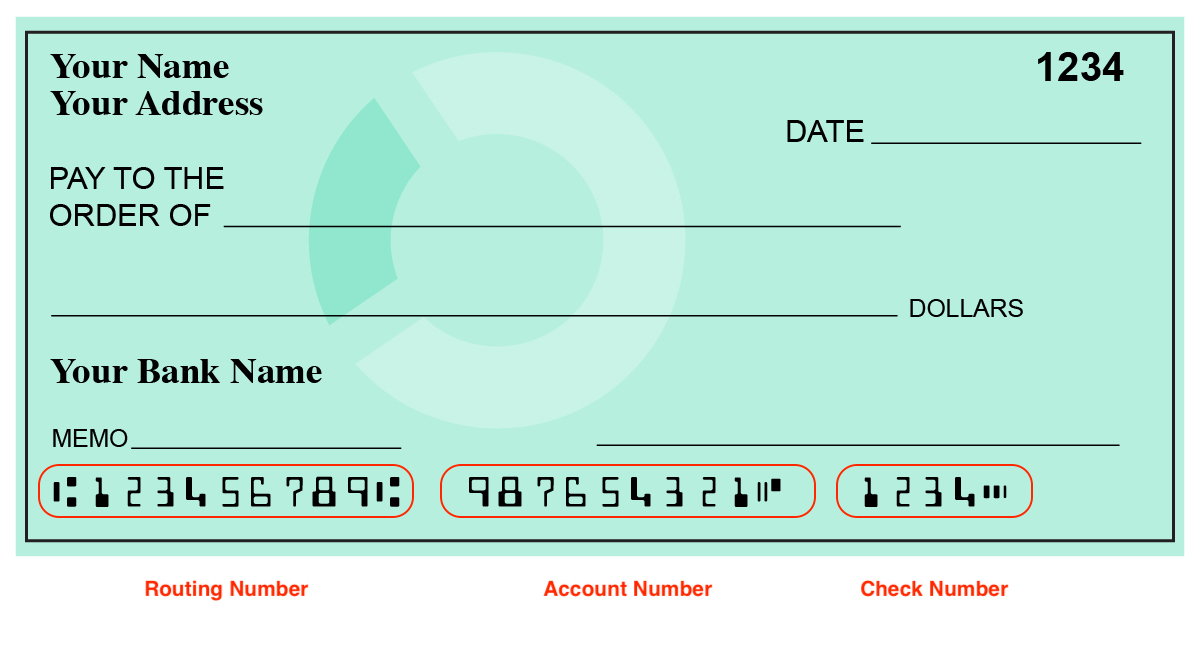
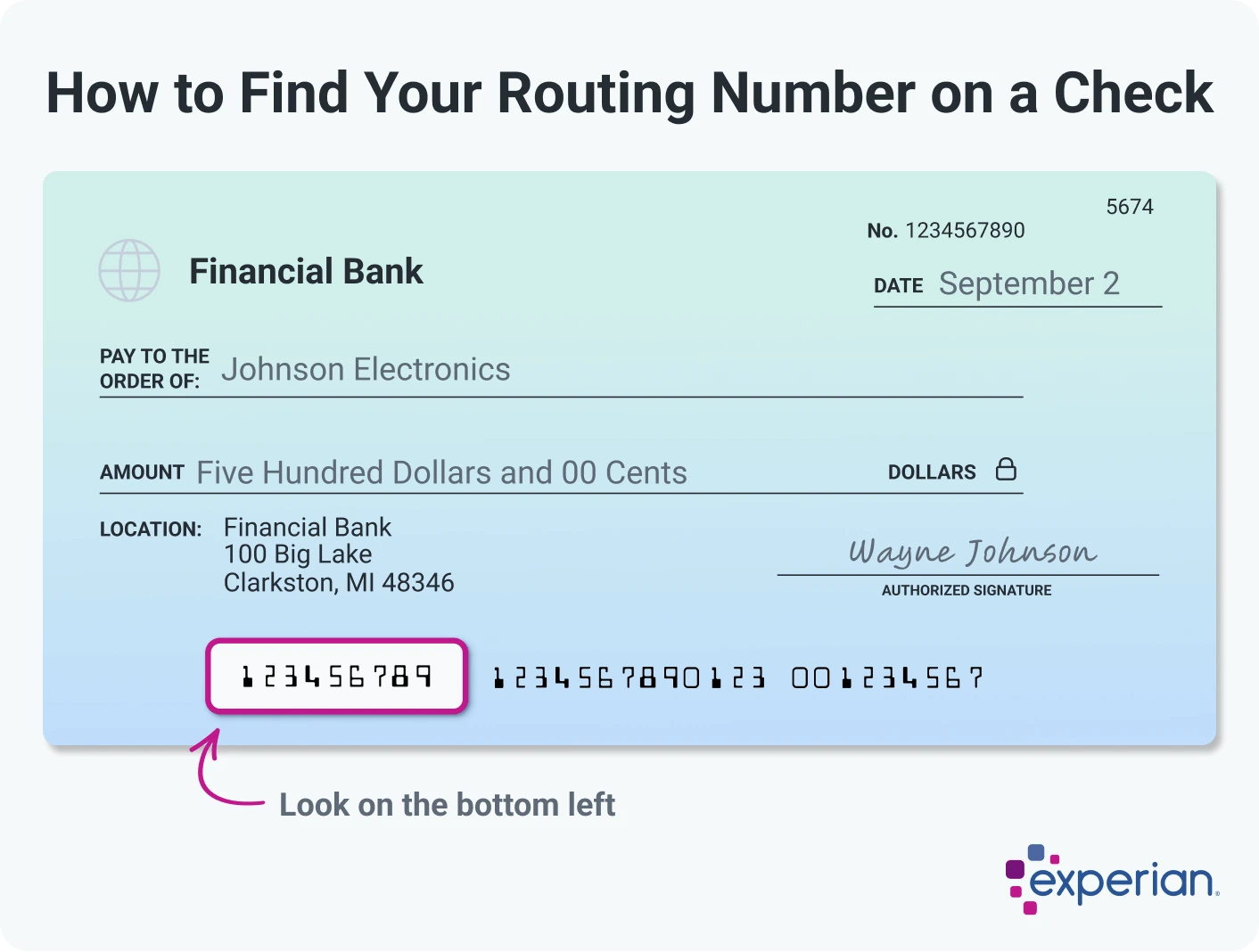
The most traditional and perhaps easiest way to find your routing number is by looking at a physical check. If you have a checkbook associated with your account, look at the bottom left-hand corner. You will see a string of numbers printed in a specialized font (known as MICR). The first nine digits on the far left are your routing number. These are followed by your specific account number and then the check number itself.
It is important to note that the routing number is always nine digits long. If you see a number that is shorter or longer, you are likely looking at the account or check number. For those using business accounts, the layout remains identical, providing a quick visual reference for payroll or vendor payments.
Leveraging Online Banking and Mobile Apps
As the world shifts toward a “digital-first” banking experience, most users find their routing numbers through their bank’s official portal or mobile application. Once logged into your secure dashboard, you can typically find the routing number by clicking on the specific account (Checking, Savings, etc.) and looking for a tab labeled “Account Details,” “Settings,” or “Account Information.”
Many modern fintech apps and traditional banks now include a “Copy Routing Number” button directly next to the account information to prevent transcription errors. Given that a single digit error can lead to a rejected transfer or, in rare cases, funds being sent to the wrong institution, using these digital shortcuts is a best practice for financial accuracy.
Monthly Statements and Official Correspondence
If you do not have a checkbook and lack immediate access to online banking, your monthly bank statement is the next best resource. Regardless of whether you receive these statements via mail or as a PDF, the routing number is almost always listed at the top or bottom of the document, often alongside the bank’s headquarters address and your account balance summary. This is an excellent fallback for those managing legacy accounts or corporate entities where digital access might be restricted to specific personnel.
The Strategic Role of Routing Numbers in Wealth Management
In the realm of personal finance and investing, the routing number is more than just an identifier; it is a tool for mobility. Efficiently moving money between various financial vehicles is a hallmark of a sophisticated financial strategy. Without the correct routing information, the velocity of your capital slows down, potentially leading to missed investment opportunities or late fees.
Facilitating Seamless Direct Deposits
For the modern professional, the most common use of a routing number is the setup of a direct deposit. By providing your employer with your routing and account numbers, you bypass the delays of physical check clearing. From a wealth-building perspective, this allows you to automate your “pay yourself first” strategy. Many payroll systems allow you to split your direct deposit into multiple accounts using different routing numbers—for example, sending 80% to a traditional checking account and 20% directly into a high-yield savings account or a brokerage-linked cash account.
Linking Brokerage and Investment Accounts
When you decide to move from a standard saver to an active investor, the routing number becomes the bridge. Whether you are using a platform like Vanguard, Fidelity, or a modern robo-advisor, you must link your funding source via an ACH (Automated Clearing House) transfer.
It is crucial to verify if your bank uses a specific routing number for electronic transfers versus paper checks. While many large institutions use the same nine digits for both, some regional banks or credit unions may have a dedicated “electronic routing number.” Using the wrong one can result in a “Return to Sender” error from the clearinghouse, which can take several business days to resolve.
Managing High-Value Wire Transfers
For significant financial milestones—such as paying a down payment on a home or making a large business acquisition—a standard ACH transfer may not suffice due to daily limit restrictions or the need for immediate settlement. In these cases, a wire transfer is required.
Wire transfers often require a specific “Wire Routing Number” that differs from the one found on your checks. Before initiating a high-value transfer, always contact your bank or check their “Wire Instructions” page. Misidentifying a wire routing number during a real estate closing can cause significant legal and financial friction.
Security Protocols and Fraud Prevention
Because routing numbers are public identifiers for banks, they are not “secret” in the traditional sense. However, when combined with your account number, they provide the keys to your financial kingdom. Protecting this information is a core component of digital security and fraud prevention in the 2020s.
The Risks of Sharing Financial Information
While you must share your routing number to receive payments or pay bills, you should only do so through secure, verified channels. Be wary of “phishing” attempts—emails or texts claiming to be from your bank asking you to “verify your routing number” via an unsecure link. Legitimate financial institutions will never ask you to provide this information through an unsolicited message.
In the context of personal finance, security also means monitoring your accounts for unauthorized “debit” transactions. Because the ACH system allows for both “pushes” (you sending money) and “pulls” (a company taking money, like a utility bill), an exposed routing and account number combo could allow a malicious actor to attempt an unauthorized pull. Regularly reviewing your bank statements for small, unfamiliar “test” transactions is a vital habit for maintaining financial integrity.
Navigating Bank Mergers and Number Changes
The banking industry is in a constant state of consolidation. When one bank acquires another, routing numbers often change. While there is usually a “grace period” where the old routing number remains active for a year or more, failing to update your information can eventually lead to failed payments.
If your bank undergoes a merger, stay proactive. Check the bank’s website for a “Merger FAQ” to see if a new routing number has been assigned. Update your direct deposit forms, your recurring bill payments, and your linked investment accounts immediately to avoid any disruption in your financial flow.
Conclusion: The Power of Financial Precision
Mastering the nuances of your routing number is a small but significant step in taking full control of your financial life. It represents the intersection of old-world banking stability and new-world digital speed. By knowing exactly where to find this number and understanding its different applications—from the standard ACH of a paycheck to the high-stakes wire of a property purchase—you ensure that your capital is always positioned exactly where it needs to be.
In a landscape where “fintech” and “traditional banking” are increasingly intertwined, the routing number remains the universal language. Whether you are a seasoned investor or someone just starting to build their first emergency fund, maintaining a record of your routing numbers and understanding the mechanics of how they move money is an essential practice. Financial success is built on a foundation of such details; by ensuring your routing information is accurate and secure, you pave the way for a more organized, efficient, and prosperous financial future.
aViewFromTheCave is a participant in the Amazon Services LLC Associates Program, an affiliate advertising program designed to provide a means for sites to earn advertising fees by advertising and linking to Amazon.com. Amazon, the Amazon logo, AmazonSupply, and the AmazonSupply logo are trademarks of Amazon.com, Inc. or its affiliates. As an Amazon Associate we earn affiliate commissions from qualifying purchases.