
In an increasingly globalized economy, the ability to move capital across borders is no longer a luxury reserved for multinational corporations. For the modern individual—whether an expatriate, a remote freelancer, an international student, or an investor—understanding the mechanics of cross-border transactions is essential. Central to this process is the SWIFT code. If you are a Chase customer, knowing how to locate and verify this code is the first step toward a successful international wire transfer.
While domestic banking in the United States relies heavily on routing numbers and the Automated Clearing House (ACH) network, the international landscape operates on a different set of protocols. JPMorgan Chase, as one of the largest financial institutions in the world, utilizes the SWIFT network to bridge the gap between US-based accounts and foreign financial entities. Navigating this system requires precision; a single misplaced character in a SWIFT code can lead to delayed funds, rejected transfers, or expensive recovery fees.
The Fundamentals of SWIFT Codes in Global Finance
To find your Chase SWIFT code effectively, it is helpful to first understand what you are looking for. SWIFT stands for the Society for Worldwide Interbank Financial Telecommunication. This global cooperative provides a secure network that allows financial institutions to send and receive information about financial transactions in a standardized environment.
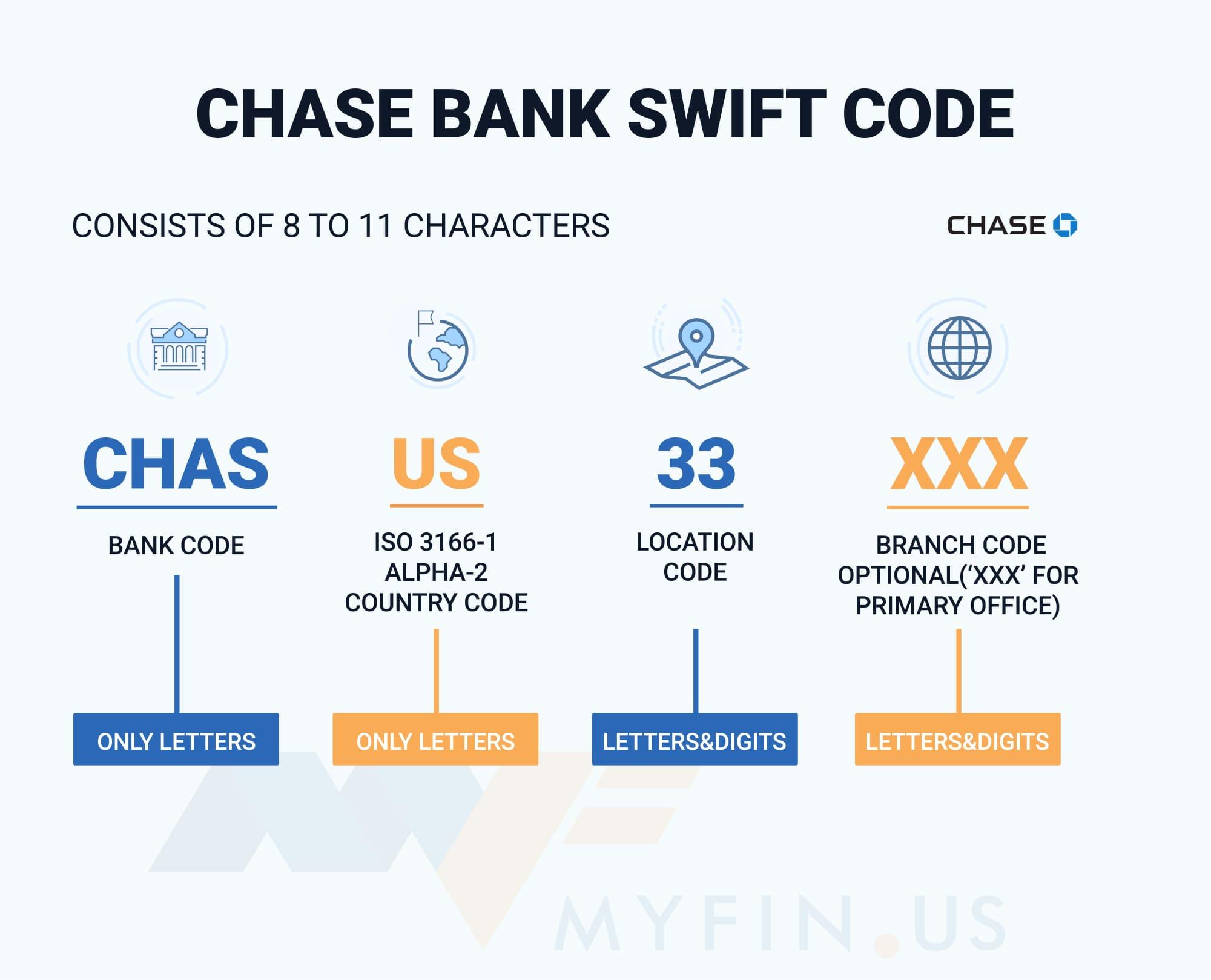
A SWIFT code is often referred to interchangeably as a BIC (Bank Identifier Code). It is a unique identification code for a specific bank. These codes are standardized by ISO 9362 and usually consist of 8 or 11 characters.
Breaking Down the Chase SWIFT Structure
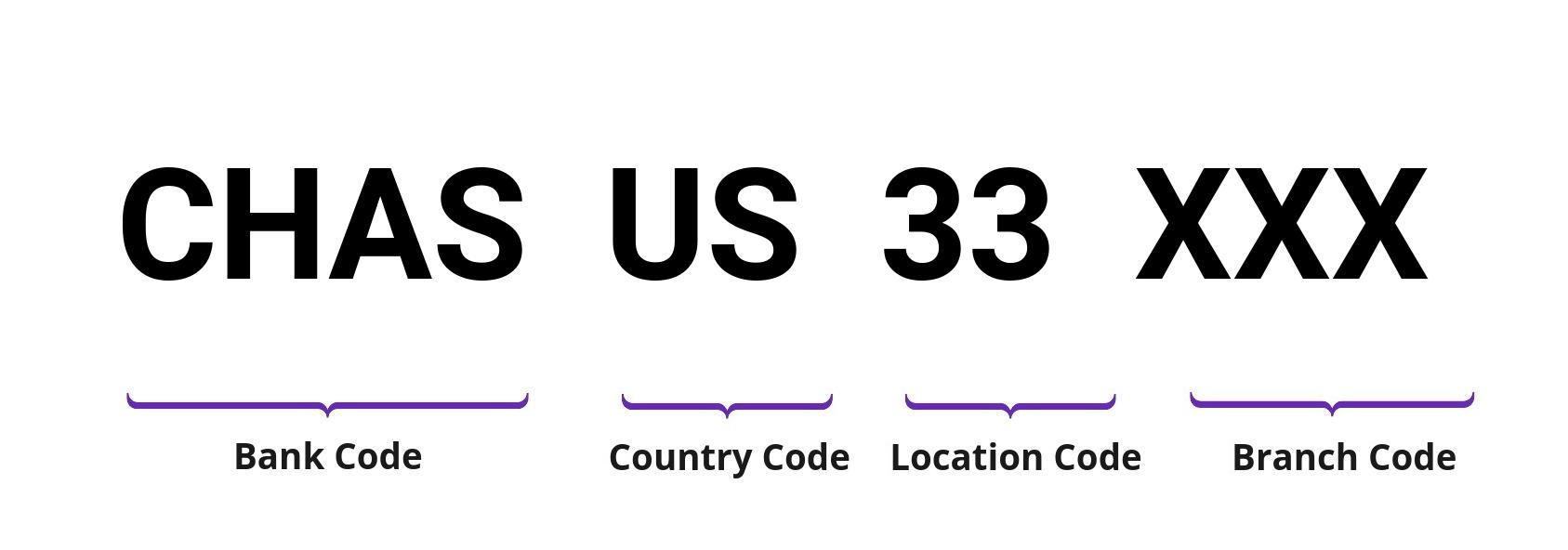
When you locate your Chase SWIFT code, you will notice it follows a very specific alphanumeric pattern. Understanding this anatomy helps ensure you have the correct information for your transaction:
-
The Bank Code (4 characters): For Chase, this is typically “CHAS.” This identifies the institution itself.
-
The Country Code (2 characters): This identifies the country where the bank is headquartered. For Chase in the United States, this is “US.”
-
The Location Code (2 characters): These digits or letters identify the specific city or region. In many Chase SWIFT codes, you will see “33.”
-
The Branch Code (3 characters): This is optional. If a code is only 8 characters long, it refers to the primary or head office. An 11-character code points to a specific branch. For many international transfers into Chase, the 8-character “head office” code is sufficient and often preferred to ensure the funds reach the central clearing department.
SWIFT vs. IBAN: Knowing the Difference
A common point of confusion for those new to international finance is the difference between a SWIFT code and an IBAN (International Bank Account Number). While you need a SWIFT code to identify Chase, an IBAN is used to identify a specific individual account. Interestingly, banks in the United States do not use IBANs. Instead, if someone is sending money to your Chase account from Europe or the Middle East, they will use your Chase SWIFT code along with your standard account number and domestic routing number.
Direct Ways to Locate Your Chase SWIFT Code
Finding the specific code for your transaction does not have to be a complex endeavor. Chase provides several channels through which you can verify your details to ensure your money reaches its destination securely.
Using the Chase Online Banking Portal
The most efficient way to find your SWIFT code is through the Chase website. Once you have logged into your secure account:
-
Navigate to the “Pay & Transfer” menu.
-
Select “Wires and Global Transfers.”
-
Choose the option for “Receive a Wire.”
-
Chase will typically display the necessary instructions for both domestic and international incoming wires. The SWIFT code (BIC) will be listed under the international instructions section.
This method is highly recommended because it provides the most current information directly from the source, minimizing the risk of using an outdated or incorrect code found on a third-party website.
The Chase Mobile App
For those on the go, the Chase Mobile app offers a similar pathway. By tapping on your specific account (such as a Total Checking or Sapphire Checking account) and navigating to the “Account Details” or “Show Details” section, you can often find information regarding wire transfers. If it is not immediately visible, the in-app search function or the “Help & Support” chat can provide the specific SWIFT code associated with your account type.
Monthly Statements and Paperwork
If you prefer physical documentation, your Chase monthly bank statement is a reliable resource. While the SWIFT code isn’t always printed on the first page alongside your balance, it is often included in the “Terms and Conditions” or the “Electronic Fund Transfer Disclosure” sections typically found on the back pages or at the end of the digital PDF statement. Additionally, the paperwork provided when you first opened your account contains all the necessary routing and identification codes for international business.
Customer Support and Physical Branches
When in doubt, speaking with a Chase representative is the safest way to confirm your details. You can call the customer service number located on the back of your debit card. When connected, specifically ask for the “International Wire Transfer Department.” Banks often have specific SWIFT codes for different regions or types of accounts (e.g., commercial vs. private banking), and a representative can ensure you are using the code that corresponds to your specific needs.
Essential Requirements for Receiving Money Internationally
Finding the SWIFT code is only one piece of the puzzle. To successfully receive an international transfer into your Chase account, you must provide the sender with a complete set of accurate financial data.
The Necessary Data Points
Beyond the SWIFT code, the sender will require:
-
Your Full Legal Name: This must match the name on your Chase account exactly.
-
Your Physical Address: The address associated with your bank account.
-
Your Chase Account Number: The 9 to 12 digit number specific to your checking or savings account.
-
Chase Bank Name and Address: Typically, the head office address in New York or the specific branch where you opened the account.
-
The Purpose of the Wire: Many international jurisdictions require a brief description (e.g., “Family support” or “Invoice #123”) for regulatory and anti-money laundering (AML) compliance.
Routing Numbers in the International Context
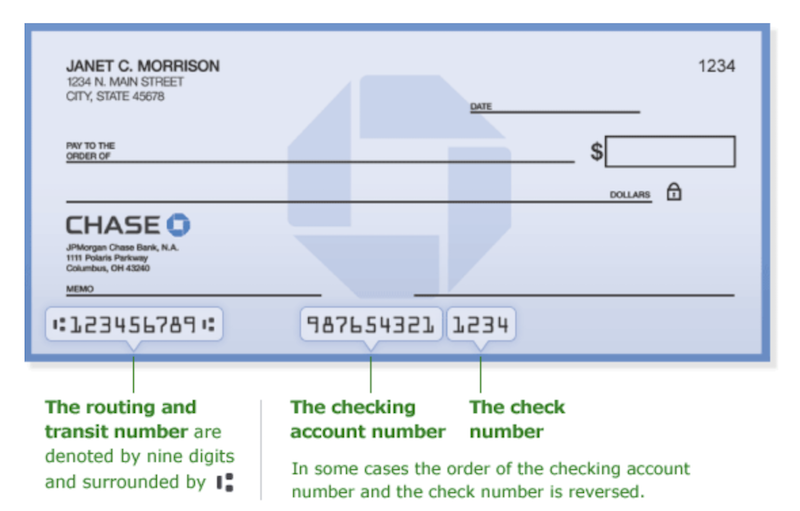
It is important to note that the routing number you use for domestic direct deposits or bill pay is often different from the one used for international wires. Chase frequently uses a specific “Wire Routing Number.” When you find your SWIFT code on the Chase website, pay close attention to whether a specific wire routing number is also requested. Using the standard ACH routing number for an international wire can result in the transfer being stuck in the “clearing” phase for an extended period.
The Financial Implications of International Wires
In the world of personal finance, every transaction carries a cost. Utilizing the SWIFT network through a major institution like Chase involves several layers of fees that can impact the total amount received.
Outgoing vs. Incoming Wire Fees
Chase typically charges a flat fee for receiving an international wire transfer, which is often around $15 to $25, depending on your account tier (some premium accounts, like Chase Private Client, may waive these fees). Outgoing international wires are significantly more expensive, often ranging from $40 to $50 per transaction.
The Role of Intermediary Banks
One of the complexities of the SWIFT system is that money rarely moves directly from Bank A in one country to Bank B in another. Often, the funds must pass through “intermediary” or “correspondent” banks. Each of these banks may deduct a small “handling fee” from the principal amount. This is why the amount that arrives in your Chase account may be slightly less than the amount originally sent, even after accounting for Chase’s incoming wire fee.
Currency Exchange Markups
If the wire is sent in a foreign currency (such as Euros or Japanese Yen), Chase will convert the funds into US Dollars upon arrival. It is vital to understand that banks do not use the “mid-market rate” you see on Google or XE.com. Instead, they apply a “spread” or a markup to the exchange rate. This is essentially a hidden fee. For large transfers, this percentage can represent a significant amount of money. Always calculate the potential exchange loss before initiating a large international transfer.
Common Challenges and Troubleshooting
Even with the correct SWIFT code, international banking can present hurdles. Being proactive can help you navigate these issues before they become costly problems.
Mismatched Branch Information
Sometimes a sender’s bank will insist on an 11-character SWIFT code that points to a specific branch, while Chase provides an 8-character head office code. In most cases, adding “XXX” to the end of an 8-character code will signify the “primary office,” which allows the transaction to proceed. However, it is always best to confirm with Chase if a specific branch code is required for your region.
Processing Times and Delays
Unlike domestic transfers, which can be near-instant, international SWIFT transfers typically take 3 to 5 business days. Delays can occur due to:
-
Time Zone Differences: A wire initiated on a Friday afternoon in Singapore will not be processed in New York until Monday morning.
-
Regulatory Reviews: Large or unusual transfers may be flagged for manual review by compliance officers to satisfy “Know Your Customer” (KYC) laws.
-
Incomplete Information: Missing a middle name or having a slight typo in the address can trigger a “Request for Information” (RFI), which halts the transfer until the details are clarified.
Alternatives to Traditional SWIFT Transfers
For those who find the SWIFT process too slow or expensive, there are modern financial tools that serve as alternatives. Platforms like Wise, Revolut, or Airwallex often provide lower fees and better exchange rates by using local banking networks instead of the global SWIFT system. However, for very large sums (such as a down payment on a home or a major corporate investment), the security and established legal framework of a Chase SWIFT transfer remain the gold standard.
Security Best Practices for Your Banking Credentials
When searching for and sharing your banking information, security should be your top priority. Your SWIFT code is public knowledge, but your account number and personal details are not.
Verifying Recipient Information
If you are the one sending money out of Chase, always verify the recipient’s SWIFT code and IBAN through a secondary channel. Fraudsters often use “Man-in-the-Middle” attacks, where they intercept an invoice and change the banking details to their own. A simple phone call to the recipient to verify the last four digits of the account and the SWIFT code can prevent the permanent loss of funds.
Avoiding Wire Transfer Phishing
Be wary of emails or texts that appear to be from Chase asking you to “update your SWIFT information” or “verify a pending wire.” Chase will never ask for your full account password or PIN via email. Always navigate directly to the official Chase website or app to manage your transfers.
By understanding how to find and utilize your Chase SWIFT code, you empower yourself to participate in the global economy with confidence. Whether you are managing personal investments or receiving a salary from abroad, the combination of Chase’s robust infrastructure and your own informed oversight ensures that your capital remains mobile, secure, and ready for use whenever you need it.
aViewFromTheCave is a participant in the Amazon Services LLC Associates Program, an affiliate advertising program designed to provide a means for sites to earn advertising fees by advertising and linking to Amazon.com. Amazon, the Amazon logo, AmazonSupply, and the AmazonSupply logo are trademarks of Amazon.com, Inc. or its affiliates. As an Amazon Associate we earn affiliate commissions from qualifying purchases.