
In the modern financial landscape, the ability to navigate your own banking information is a fundamental skill for effective money management. Whether you are setting up a direct deposit for a new job, paying your taxes, or initiating a wire transfer for a major purchase, you will invariably be asked for your banking routing number. While this nine-digit code may seem like a cryptic string of numbers, it serves as the essential “address” for your financial institution within the vast network of the global economy.
Understanding what a routing number is, where to find it, and why it is distinct from your account number is vital for maintaining financial security and ensuring that your capital moves precisely where it is intended.

Practical Methods for Locating Your Routing Number
Locating your routing number is generally a straightforward process, provided you know where to look. Financial institutions offer several channels to access this information, ranging from traditional paper-based methods to instantaneous digital lookups.
The Bottom of Your Physical Checks
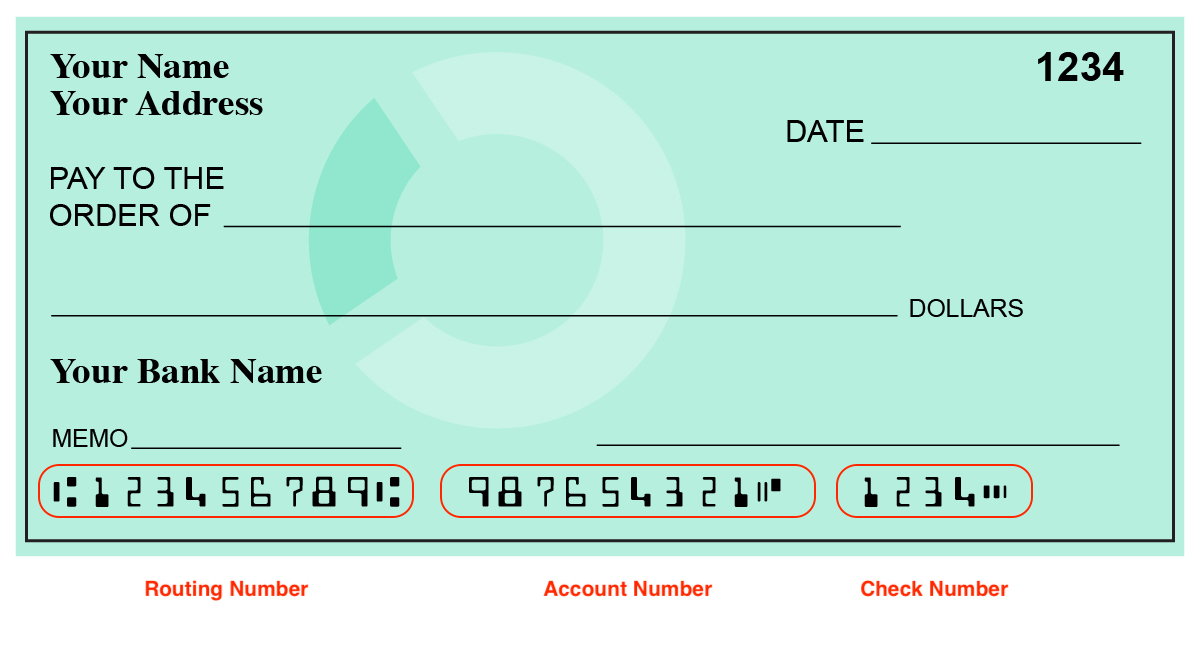
The most traditional way to find your routing number is by looking at a physical check associated with your account. At the very bottom of every check, there is a string of numbers printed in a specialized font known as Magnetic Ink Character Recognition (MICR). This line typically consists of three distinct sets of numbers:
-
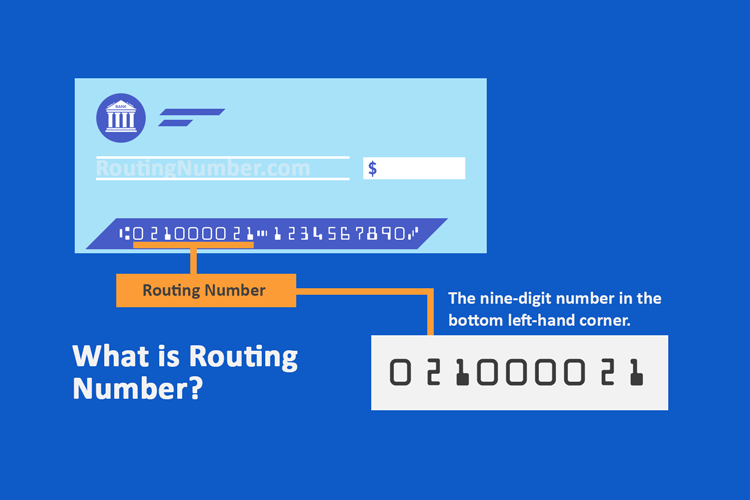
The Routing Number: This is the first nine-digit sequence located on the far left. It is always nine digits long and is framed by specific symbols that tell electronic scanners where the sequence begins and ends.
-
The Account Number: This is the second set of numbers, identifying your specific account within the bank.
-
The Check Number: This is the final, shorter set of digits that corresponds to the individual check being used.
It is important to ensure you are reading a standard check and not a deposit slip, as some banks use different routing numbers for deposits than they do for withdrawals or payments.
Online Banking Portals and Mobile Apps
In the era of digital finance, most consumers find their routing numbers through their bank’s website or mobile application. After logging into your secure account, navigate to the “Account Details,” “Summary,” or “Settings” tab.
Usually, the routing number is listed alongside your current balance and account number. Many banking apps also include a “copy” feature for the routing number to prevent transcription errors when pasting the information into other financial forms. If you have multiple accounts—such as a checking account and a money market account—ensure you are viewing the specific account details for the transaction you wish to perform, as different account types within the same bank occasionally utilize different routing numbers.
Official Bank Statements and Paperwork
If you do not have a checkbook and lack immediate access to online banking, your monthly bank statement is a reliable source of information. Most statements, whether received by mail or downloaded as a PDF, list the routing number in the header or the account summary section. Additionally, the original paperwork you received when you opened the account typically contains these details.
The Bank’s Public Website or Customer Service
Because a routing number identifies the institution rather than the individual, it is often public information. Most large banks have a dedicated page on their website that lists routing numbers, often categorized by state or by the type of transaction (such as ACH versus domestic wire transfers). If you are still unsure, calling the bank’s customer service line or visiting a local branch is a foolproof way to verify the number.
Understanding the Architecture: What is a Routing Number?
To manage your finances with confidence, it is helpful to understand the logic behind the digits. A routing number, officially known as a Routing Transit Number (RTN), is a nine-digit code used by financial institutions to identify one another during the clearing and settlement of transactions.
The History of the ABA Number
The system was developed by the American Bankers Association (ABA) in 1910. Its primary purpose was to streamline the processing of paper checks, which were becoming increasingly common. By assigning a unique identifier to every bank, the ABA created a roadmap for the movement of money across the United States. While the world has transitioned toward digital payments, the ABA routing system remains the bedrock of the American financial infrastructure.
Decoding the Nine Digits
The nine digits of a routing number are not random; they follow a specific formula designed for accuracy and security:
-
The First Four Digits: These identify the Federal Reserve district where the bank is located or the specific routing symbol used by the institution.
-
The Next Four Digits: These identify the specific financial institution itself.
-
The Ninth Digit: This is known as a “check digit.” It is calculated using a complex mathematical formula involving the first eight digits. If the final result of the formula does not match the ninth digit, the banking system flags the routing number as invalid, preventing errors in fund transfers.
Routing Numbers vs. Account Numbers: The Core Differences
A common point of confusion for those managing their personal or business finances is the distinction between the routing number and the account number. While both are necessary for most transactions, they serve entirely different functions.
The “Address” vs. The “Recipient”
Think of a financial transaction like delivering a package. The routing number is the zip code and street address of the local post office (the bank). It tells the financial system which “building” the money needs to go to.
The account number, on the other hand, is the specific mailbox or apartment number (your personal account). It tells the bank which specific individual or entity within that building should receive the funds. Without both pieces of information, the transaction cannot be completed correctly.
Different Routing Numbers for Different Services
It is a common misconception that a bank has only one routing number. In reality, large national banks often have dozens. Routing numbers can vary based on:
-
Geographic Location: A customer who opened an account in New York may have a different routing number than a customer of the same bank who opened an account in California.
-
Transaction Type: Banks often use one routing number for Automated Clearing House (ACH) transfers (like direct deposits and bill pays) and a completely different routing number for domestic wire transfers. Using the ACH routing number for a wire transfer can result in the transaction being rejected or delayed.
-
International Transfers: For international transactions, the nine-digit ABA routing number is replaced by a SWIFT code or a BIC (Bank Identifier Code).
Critical Scenarios Requiring Your Routing Number
Knowing how to find and use your routing number is essential for several key financial activities that impact your cash flow and long-term wealth management.
Direct Deposits and Payroll
One of the most common uses for a routing number is setting up a direct deposit. When you start a new job, your employer’s payroll department needs your routing and account numbers to send your wages directly to your bank. This eliminates the need for physical checks and ensures that your funds are available on payday without a trip to the bank.
Automated Clearing House (ACH) and Wire Transfers
If you are paying a mortgage, a car loan, or utility bills through an automated system, the service provider will use the ACH network. This requires your routing number to pull funds from your account. Similarly, if you are closing on a home or sending a large sum of money to a business, you will likely use a wire transfer, which requires the bank’s specific wire routing number to ensure immediate settlement.
Tax Returns and Federal Payments
The Internal Revenue Service (IRS) and other government agencies use routing numbers to issue tax refunds or social security payments. Selecting “Direct Deposit” on your tax return is the fastest way to receive your refund, but a single digit error in your routing number can lead to significant delays and the need for manual intervention by the Treasury Department.
Maintaining Financial Security and Avoiding Fraud
While routing numbers are not “secret” in the same way that a social security number or a password is, they are still sensitive pieces of financial data that must be handled with care.
Identifying Secure Connections
When entering your routing and account numbers into a website for payment—such as a utility portal or an investment platform—always ensure the website is secure. Look for the “https” in the URL and the padlock icon in the browser bar. Avoid entering this information while connected to public Wi-Fi networks, as these can be intercepted by malicious actors.
The Risks of Sharing Banking Information
In the wrong hands, a routing number combined with an account number can be used to initiate unauthorized ACH withdrawals. While federal law provides protections against unauthorized electronic transfers, the process of recovering stolen funds can be lengthy and stressful.
To protect yourself:
-
Never provide your banking details over the phone to an unsolicited caller.
-
Be wary of “phishing” emails that claim there is an issue with your account and ask you to verify your routing information.
-
Regularly monitor your bank statements for any unrecognized “ACH Debits.”
By treating your routing number as a key piece of your financial identity, you can take full advantage of modern banking conveniences while minimizing the risks associated with the digital movement of money. Finding your routing number is a simple task, but understanding its role is a giant step toward total financial literacy.
aViewFromTheCave is a participant in the Amazon Services LLC Associates Program, an affiliate advertising program designed to provide a means for sites to earn advertising fees by advertising and linking to Amazon.com. Amazon, the Amazon logo, AmazonSupply, and the AmazonSupply logo are trademarks of Amazon.com, Inc. or its affiliates. As an Amazon Associate we earn affiliate commissions from qualifying purchases.