
In the modern financial landscape, the ability to navigate your own banking infrastructure is a fundamental pillar of personal finance management. Whether you are setting up a direct deposit for a new career opportunity, connecting an investment platform to your primary checking account, or initiating a high-value domestic wire transfer, your account and routing numbers are the essential coordinates that ensure your capital reaches its intended destination. Despite their ubiquity, many consumers find themselves searching for these numbers at critical moments, often unsure of where to look or how to distinguish between the two.

Understanding the anatomy of these numbers is not merely a matter of convenience; it is a vital component of financial literacy and digital security. As we transition further into a cashless society dominated by Automated Clearing House (ACH) transfers and fintech integrations, knowing how to quickly and securely locate your banking credentials is an indispensable skill. This guide provides an exhaustive look at the methodologies for finding these numbers, the technical differences between them, and the security protocols you must observe to protect your financial identity.
Understanding the DNA of Your Bank Account
Before diving into the “where,” it is crucial to understand the “what.” Your routing and account numbers serve as the digital DNA of your financial life. Together, they tell the global financial system exactly which institution holds your money and exactly which “drawer” within that institution belongs to you.
What is a Routing Number?
The routing transit number (RTN), often simply called a routing number, is a nine-digit code that identifies a specific financial institution within the United States. Developed by the American Bankers Association (ABA) in 1910, this system was originally designed to facilitate the sorting and shipment of paper checks. Today, it serves as the primary address for electronic transactions.
A routing number is not unique to you; it is shared by every customer at your bank who resides in a specific geographic region or utilizes a specific branch network. Larger national banks may have dozens of routing numbers based on the state where the account was opened, while smaller credit unions may only have one. The first two digits of the routing number indicate the Federal Reserve district where the bank is located, providing a geographical blueprint for the movement of funds.
What is an Account Number?
While the routing number identifies the bank, the account number identifies the individual. This is your personal identifier within the bank’s internal ledger. Unlike routing numbers, which are always nine digits, account numbers can vary in length, typically ranging from eight to twelve digits depending on the institution’s internal software architecture.
Your account number is specific to each account you hold. If you have both a checking and a savings account at the same bank, they will share the same routing number but will possess distinct account numbers. This distinction is critical when setting up transfers; sending funds to the wrong account number within the right bank can lead to significant administrative delays and potential financial discrepancies.
Primary Methods for Locating Your Banking Information
In the era of multi-channel banking, there are several ways to retrieve your credentials. The method you choose often depends on whether you have physical documents on hand or prefer to navigate digital interfaces.
Examining a Physical Check
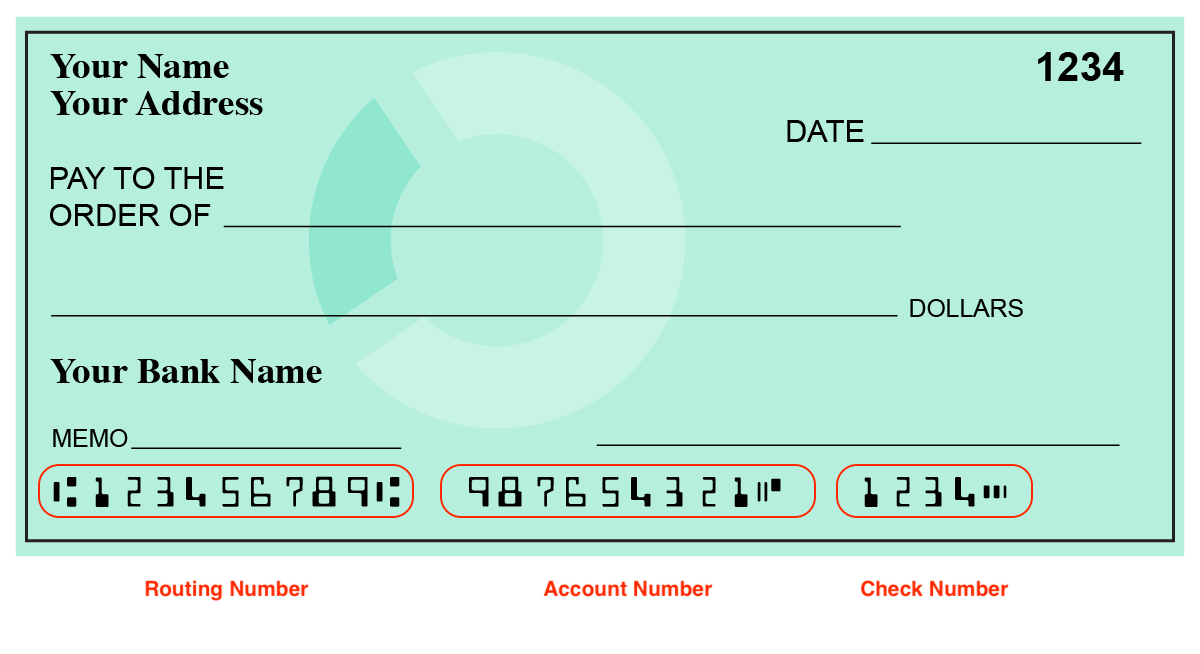
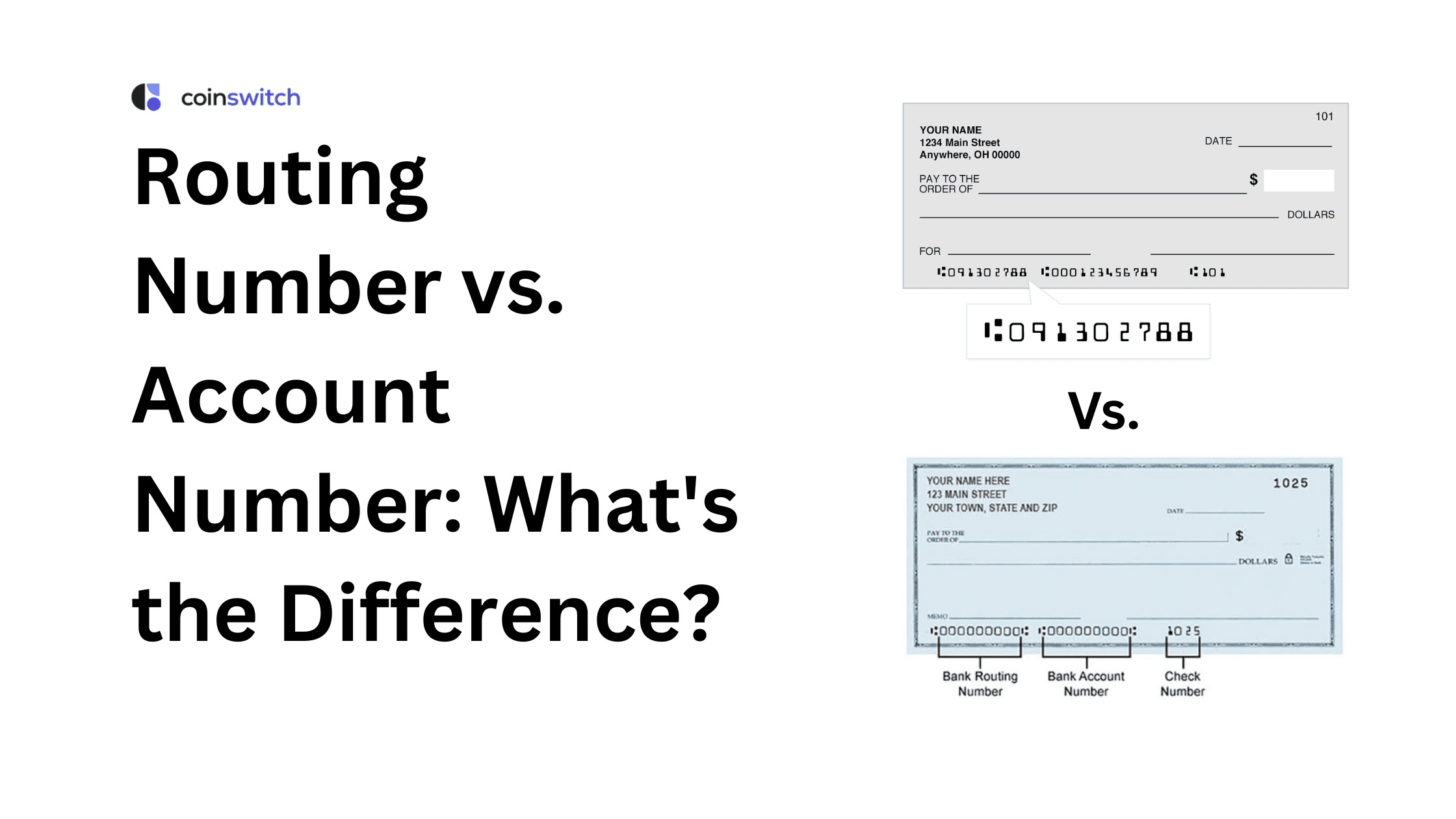
The most traditional and often fastest way to find your information is by looking at a physical check from your checkbook. Along the bottom edge of every check is a string of numbers printed in a specialized font using Magnetic Ink Character Recognition (MICR) technology. This line contains three distinct sets of numbers:
-
The Routing Number: This is the first nine-digit number located on the far left. It is usually flanked by a specific symbol that looks like a vertical bar and a colon.
-
The Account Number: This is the second set of numbers, typically located in the middle. It may be followed by a symbol similar to the one near the routing number.
-
The Check Number: This is the shortest set of numbers, usually found on the far right. This matches the check number printed in the top-right corner of the document and should be ignored when looking for your banking credentials.
Leveraging Online Banking and Mobile Apps
For the millions of consumers who have moved away from physical checks, digital banking platforms are the primary repository for account information.
To find your numbers via a mobile app or web portal:
-
Log in securely: Use biometric authentication or multi-factor authentication (MFA) to access your dashboard.
-
Select the specific account: Click on the checking or savings account you wish to reference.
-
Look for “Account Details” or “Details & Settings”: Banks often hide full account numbers behind a “show” or “unhide” button to protect your privacy from shoulder-surfers.
-
Routing Number Tabs: Many apps have a dedicated section for “Routing Numbers,” which may list different numbers for ACH transfers versus domestic wire transfers.
Reviewing Monthly Bank Statements
If you do not have access to your mobile app and lack a checkbook, your monthly bank statement is a legal document that must contain your account information. Whether you receive these in the mail or download them as PDFs from your bank’s website, the account number is typically located at the top of the first page, often labeled as “Account Summary.”
Note that for security reasons, some paper statements may truncate the account number (e.g., showing only the last four digits). In such cases, the digital “e-Statement” found within your secure portal is more likely to contain the full unmasked version.
Routing Numbers for Special Transactions
A common point of confusion for many bank customers is the discovery that their bank may have more than one routing number. Using the wrong one can result in a rejected transaction or a fee from the sending institution.
ACH vs. Wire Transfers
Most day-to-day transactions, such as direct deposits from an employer or paying a utility bill online, utilize the Automated Clearing House (ACH) network. For these, you use your standard “paper” or ACH routing number.
However, if you are performing a “Wire Transfer”—often used for real estate closings or large business acquisitions—your bank may require a specific “Wire Routing Number.” Wire transfers move through the Fedwire system, which operates on a different settlement timeline than ACH. Before initiating a wire, always check your bank’s website or contact a representative to confirm if a specialized wire routing number is required.
International Banking: SWIFT and BIC Codes
If you are receiving money from an account outside of the United States, your nine-digit American routing number will not suffice. International transfers typically require a SWIFT (Society for Worldwide Interbank Financial Telecommunication) code or a BIC (Bank Identifier Code). These are 8 to 11 characters long and identify the bank on a global scale. While your domestic account number remains the same, you will need to provide the bank’s SWIFT code and potentially an IBAN (International Bank Account Number) depending on the country of origin.
Protecting Your Financial Data in a Digital World
Your account and routing numbers are the keys to your financial vault. While the routing number is public information, the combination of your routing and account number allows for the initiation of “pull” transactions, where a merchant or individual can withdraw funds directly from your account.
The Risks of Exposed Banking Information
Unlike a credit card, which has robust fraud protection and the ability to easily “freeze” transactions, unauthorized ACH withdrawals from a checking account can be more difficult to reverse. If a malicious actor obtains your account and routing numbers, they can potentially create fraudulent checks or link your account to unauthorized payment services.
Best Practices for Secure Sharing
-
Avoid Email: Never send your full account and routing numbers via unencrypted email. If you must share them with a landlord or accountant, use a secure document portal or provide them over the phone.
-
Use Official Portals: When linking your bank to apps like Venmo, PayPal, or Robinhood, use integrated services like Plaid. These services allow you to log in to your bank directly without sharing your raw account numbers with the third-party app.
-
Monitor Transactions: Regularly review your transaction history for small “test” deposits or withdrawals that you don’t recognize. These are often precursors to larger fraudulent hits.
The Role of Banking Credentials in Modern Financial Management
Mastering the use of your account and routing numbers is the first step toward automating your financial life. Once you have these numbers readily available, you can move beyond manual bill pay and toward a “set it and forget it” wealth-building strategy.
Automating Your Wealth Building
By using your account and routing numbers to set up an automated transfer from your checking account to a high-yield savings account or a brokerage firm, you treat your savings like a non-negotiable bill. This “pay yourself first” mentality is the hallmark of successful personal finance. Most investment platforms will require you to “verify” your account via two small micro-deposits, a process that relies entirely on having the correct routing and account digits.
Integrating with Third-Party Fintech Apps
The rise of the “Fintech Stack” means that your primary bank account is likely just one of many tools you use. From budgeting apps that aggregate your spending to “side hustle” platforms that pay out daily earnings, your routing and account numbers act as the bridge between these services. Ensuring you have the correct information—and knowing how to find it quickly—allows you to take advantage of new financial technologies without the friction of administrative errors.
In conclusion, while they may seem like nothing more than a string of random digits, your account and routing numbers are the essential coordinates of your economic identity. By knowing where to find them on a check, within an app, or on a statement—and understanding the vital security implications of sharing them—you position yourself as a savvy, secure, and efficient manager of your own capital. Whether you are navigating the complexities of international wires or simply setting up your first direct deposit, this knowledge is the foundation upon which financial stability is built.
aViewFromTheCave is a participant in the Amazon Services LLC Associates Program, an affiliate advertising program designed to provide a means for sites to earn advertising fees by advertising and linking to Amazon.com. Amazon, the Amazon logo, AmazonSupply, and the AmazonSupply logo are trademarks of Amazon.com, Inc. or its affiliates. As an Amazon Associate we earn affiliate commissions from qualifying purchases.