
In the landscape of modern personal finance, the money order remains a steadfast tool for secure, guaranteed transactions. While digital payment platforms and wire transfers have become ubiquitous, the physical money order offers a level of certainty and a paper trail that many landlords, government agencies, and small businesses still prefer. Chase Bank, as one of the largest financial institutions in the United States, provides a streamlined process for its customers to purchase and execute these instruments. Understanding the nuances of how to fill out a money order at Chase is not merely about following steps; it is about ensuring your funds are protected and your obligations are legally documented.

The Strategic Importance of Money Orders in Personal Finance
A money order is a prepaid payment instrument. Unlike a personal check, which relies on the availability of funds in your account at the time the check is cashed, a money order is bought upfront with cash or guaranteed funds from a bank account. This makes it a “near-cash” instrument that carries less risk for the recipient.
Why Choose a Money Order Over a Personal Check?
For the sender, the primary advantage of a money order is security. When you use a personal check, you are handing over a document that contains your bank routing number and account number. In an era of increasing identity theft, minimizing the exposure of your primary banking details is a sound financial strategy. A money order, by contrast, does not display your sensitive account information.
For the recipient, the money order is a guarantee of payment. Because the funds are prepaid to Chase, there is no risk of the instrument “bouncing” due to insufficient funds. This is why money orders are frequently required for security deposits, rent payments, or purchasing items from private sellers.
The Specific Advantages of Using Chase Bank
While you can purchase money orders at post offices or retail convenience stores, obtaining one through Chase offers several professional advantages. First, the transaction is linked to your existing banking relationship, allowing for an easy digital record of the purchase. Second, Chase money orders are widely recognized for their legitimacy, reducing the likelihood of a merchant questioning the validity of the document. Finally, for certain account holders, the fees associated with money orders may be reduced or waived entirely, making it a cost-effective choice for regular financial management.
Step-by-Step Instructions: How to Properly Fill Out Your Chase Money Order
Once you have visited a Chase branch and purchased a money order, the responsibility of making it a valid legal document falls on you. Accuracy is paramount; a single error can lead to a voided instrument or, worse, funds being misdirected.
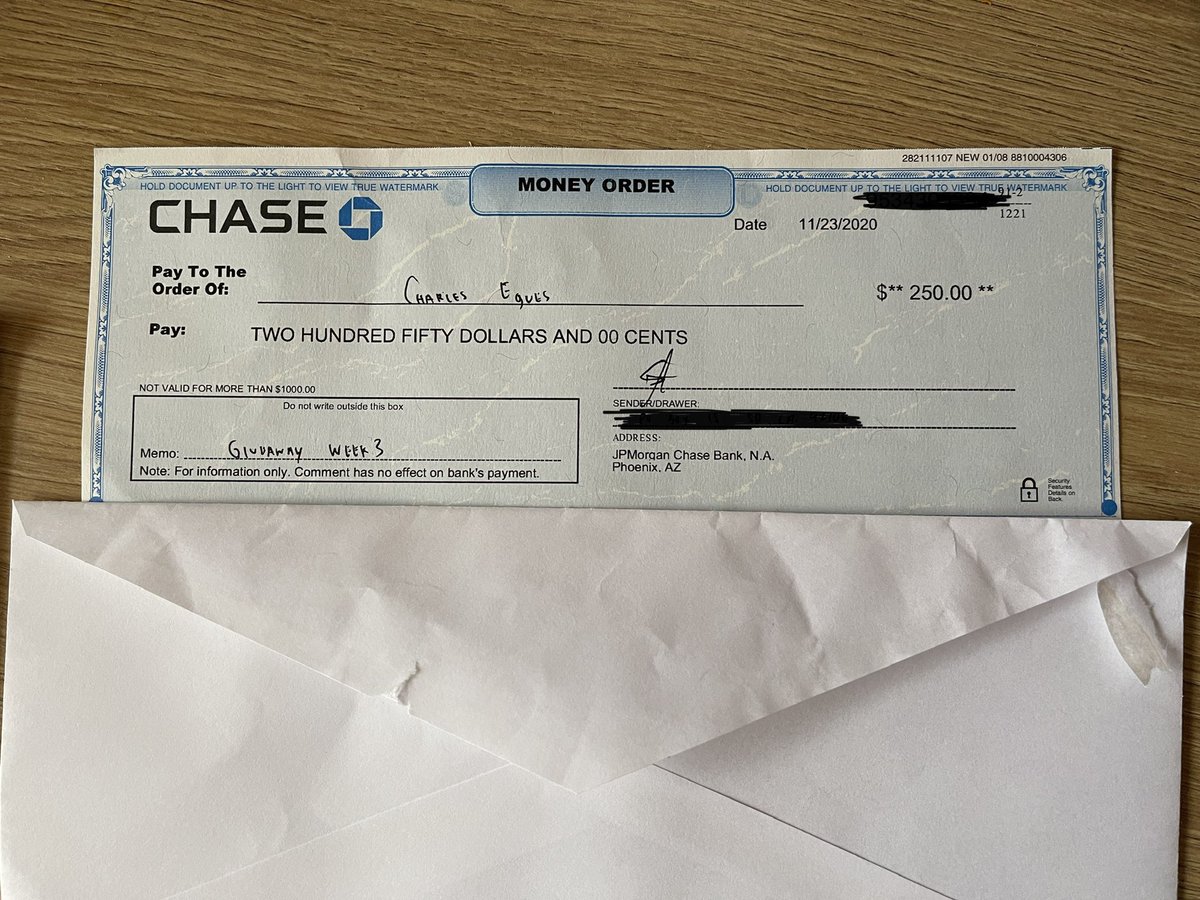
The “Pay to the Order Of” Field
The most critical part of the money order is the recipient’s name. This line is usually labeled “Pay to the Order Of” or simply “Pay To.” You must enter the full legal name of the individual or the official business name of the entity you are paying. Avoid using nicknames or abbreviations that aren’t legally recognized.
Once you write a name in this field, the money order becomes “negotiable” only by that specific person or business. It is vital to fill this out immediately after purchasing the money order. If you leave this blank and lose the document, anyone who finds it can write their own name in the field and cash it.
The Purchaser’s Information
The next section requires your personal details. You will typically see a line for “Purchaser’s Name” and “Purchaser’s Address.”
-
Name: Write your full name clearly. This identifies who the payment is coming from and allows the recipient to credit the correct account.
-
Address: Provide your current mailing address. This serves as a secondary verification point and gives the recipient a way to contact you if there is an issue with the payment.
The Memo Line: Adding Context to the Transaction
Most Chase money orders include a space labeled “Memo,” “Account Number,” or “Re:”. While this field is often optional, it is a best practice for meticulous financial record-keeping. If you are paying rent, write “Rent for [Month/Year] – [Apartment Number].” If you are paying a utility bill or a government fee, include your account number or case number here. This ensures that when the recipient processes the payment, it is applied to the correct internal ledger.
Signing the Money Order
On the front of the money order, there is usually a line labeled “Purchaser’s Signature” or “Signature.” Your signature here acts as an endorsement of the purchase and the instruction to pay the designated recipient.
Crucial Note: Do NOT sign the back of the money order. The back is reserved for the recipient’s endorsement when they go to cash or deposit it. If you sign the back, you have essentially “signed it over” to anyone, making it as risky as carrying a blank check.
Costs, Limits, and Requirements for Chase Customers
Navigating the logistical side of bank-issued money orders requires an understanding of Chase’s specific policies. These policies are designed to maintain liquidity and prevent fraudulent activity.
Fee Structures and Account Tiers
Chase Bank generally charges a fee for money orders, but the amount depends on the type of checking account you hold. For standard accounts, such as Chase Total Checking, the fee is typically around $5.00 per money order.
However, Chase incentivizes its premium banking relationships. If you hold a Chase Sapphire Checking account, a Chase Premier Plus Checking account, or are a Chase Private Client, the bank often waives the fees for money orders and cashier’s checks. For high-volume users, transitioning to a premium account tier can result in significant annual savings on transaction fees.
Daily Purchase Limits
Money orders are typically used for smaller to mid-sized transactions. Chase usually imposes a $1,000 limit on a single money order. If you need to pay a larger sum, such as $2,500, you will need to purchase multiple money orders or opt for a cashier’s check.
There may also be a daily aggregate limit on how many money orders you can purchase. These limits exist to comply with federal Anti-Money Laundering (AML) and Know Your Customer (KYC) regulations. If you find yourself needing to move significant sums of money regularly, a wire transfer or a cashier’s check is often the more appropriate financial vehicle.
Necessary Documentation
Because of the aforementioned regulations, you cannot simply walk into a Chase branch as a non-customer and buy a money order. Chase typically requires you to have an active account with them. You will need to provide a valid, government-issued photo ID (such as a driver’s license or passport) at the teller window to verify your identity before they pull the funds from your account to issue the instrument.
Managing Your Money Order After the Purchase
The lifecycle of a money order doesn’t end when you hand it to the recipient. Proper post-purchase management is a hallmark of sophisticated personal finance.
The Importance of the Detachable Receipt
When a teller prints your money order, it will come with a detachable stub or a separate paper receipt. This is your primary proof of purchase. This receipt contains the money order number, the amount, and the date of issue.
You should keep this receipt in a safe place until you have confirmed that the recipient has successfully received and cashed the funds. Without this receipt, tracking a lost money order or requesting a refund is exceptionally difficult and, in some cases, impossible.
What to Do if a Money Order is Lost or Stolen
If you realize your money order has been lost before it reached the recipient, you must act quickly. Visit a Chase branch with your receipt and photo ID. You will be required to fill out a claim form to initiate a “stop payment” or a cancellation.
Chase will then conduct an investigation to ensure the money order hasn’t already been cashed. This process can take anywhere from 30 to 90 days, and there is usually a non-refundable fee for processing the claim. If the investigation confirms the instrument is still outstanding, Chase will issue a refund or a replacement.
Depositing vs. Cashing a Money Order
If you are on the receiving end of a Chase money order, you have two primary options: cashing it or depositing it.
-
Cashing: You can often cash a Chase money order at any Chase branch. If you are not a Chase customer, they may charge a small fee for this service.
-
Depositing: You can deposit the money order into your own bank account just like a standard check. Most mobile banking apps now allow for money order deposits via smartphone camera, though some banks may require you to use an ATM or visit a teller for these specific instruments due to their security features.
Strategic Alternatives: When to Use Other Financial Instruments
While the money order is a versatile tool, it is not always the best choice for every financial scenario. A professional approach to money management involves selecting the right tool for the specific job.
Cashier’s Checks vs. Money Orders
For high-value transactions—such as a down payment on a home or the purchase of a vehicle—a cashier’s check is superior. Cashier’s checks have much higher limits (often up to the balance available in your account) and are signed by a bank official, providing the highest level of guarantee available in the banking system.

Zelle and Digital Transfers
If the recipient is a trusted friend or a business that accepts digital payments, using Chase’s integrated Zelle service or an ACH transfer is often more efficient. These methods are instantaneous and eliminate the physical risks of loss or theft associated with paper instruments. However, they lack the “physical proof” that a money order provides, which is why money orders remain popular for official and legal payments.
By mastering the process of filling out and managing a Chase money order, you ensure that your financial transactions are handled with the precision and security required in today’s economy. Whether you are paying rent or settling a debt, the money order remains a pillar of reliable personal finance.
aViewFromTheCave is a participant in the Amazon Services LLC Associates Program, an affiliate advertising program designed to provide a means for sites to earn advertising fees by advertising and linking to Amazon.com. Amazon, the Amazon logo, AmazonSupply, and the AmazonSupply logo are trademarks of Amazon.com, Inc. or its affiliates. As an Amazon Associate we earn affiliate commissions from qualifying purchases.