
In the evolving landscape of digital finance, Ally Bank has long been a titan of the “online-only” banking sector. Known for its competitive interest rates, user-friendly interface, and lack of monthly maintenance fees, it has attracted millions of depositors. However, as your financial goals shift, your banking needs may change. Whether you are consolidating your assets, chasing higher yields at a different institution, or moving toward a more traditional brick-and-mortar experience, knowing how to properly close an Ally Bank account is a vital skill in modern financial management.
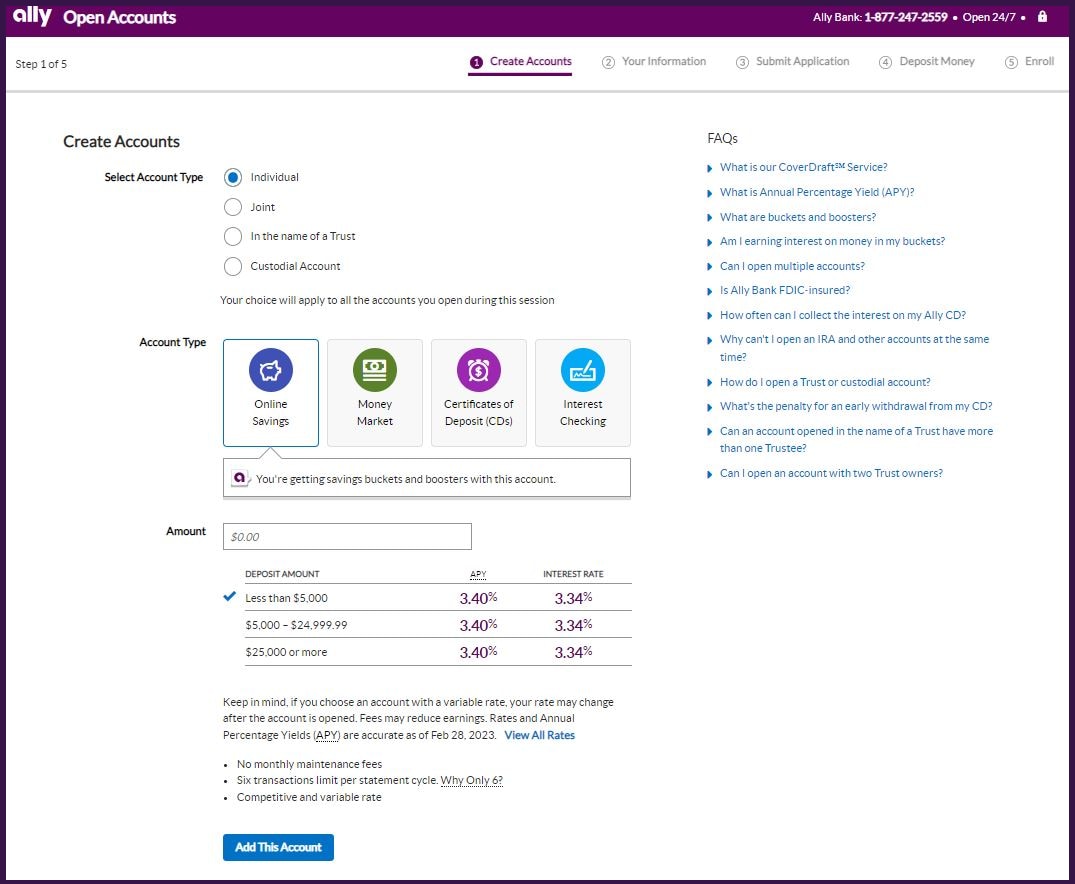
Closing a bank account is not as simple as clicking a “delete” button. It requires a strategic approach to ensure no funds are lost, no automated payments are missed, and your credit reputation remains untarnished. This guide provides a detailed roadmap for navigating the closure process at Ally Bank while maintaining peak fiscal hygiene.
Understanding the Preliminaries Before Closing Your Account
Before you initiate the formal request to close your Ally Bank account, you must perform a thorough audit of your current financial standing with the institution. Because Ally is a digital-first bank, the closure process relies heavily on your ability to manage your data and cash flow remotely.
Assessing Your Current Balance and Pending Transactions
The first step in any account closure is reaching a “zero balance” state, but this must be done with precision. Simply transferring every cent out of the account today might result in a “zombie account” scenario if a pending transaction hits tomorrow.
Log in to your Ally dashboard and review your transaction history for the past 30 to 60 days. Look for any “Pending” labels. If you have recently deposited a check via mobile deposit, Ally may place a hold on those funds for several business days. Attempting to close the account before these funds clear can lead to administrative delays or the rejection of your request. Furthermore, if you have any outstanding checks you have written from an Ally Interest Checking account, you must ensure they have been cashed or voided before proceeding.
Redirecting Automated Payments and Direct Deposits
Perhaps the most common pitfall in closing a primary bank account is the forgotten subscription or the lingering direct deposit. In the era of “set it and forget it” finances, our bank accounts are often tethered to dozens of external services.
Create a checklist of every automated clearing house (ACH) transfer linked to your Ally account. This includes utility bills, streaming services, insurance premiums, and gym memberships. Most importantly, contact your employer’s payroll department to redirect your direct deposit. It is a best practice to wait until at least one full pay cycle has successfully landed in your new bank account before officially shuttering the old one. This “overlap period” acts as a financial safety net, ensuring you aren’t left without liquidity during the transition.
Downloading Statements and Tax Documents
Once an account is closed, your access to Ally’s online banking portal may be restricted or terminated entirely. This can create significant hurdles during tax season. Ally is required by law to provide you with a 1099-INT form if you earned more than $10 in interest during the calendar year.
Before you send the closure request, download the last 12 to 24 months of PDF statements. Additionally, save any tax documents available in the “Statements and Tax Forms” section of the website. Having these hard copies on your own secure drive or physical filing system ensures that you can accurately report your earnings to the IRS without having to jump through hoops to regain temporary access to a defunct account.
Step-by-Step Guide to Closing Your Ally Bank Account
Ally Bank does not provide a physical branch to visit, which means your interaction will be entirely remote. While this offers convenience, it requires a clear understanding of the available channels. Ally offers three primary methods for account closure: online chat, telephone, and written mail.
Method 1: Closing via Online Chat or Secure Messaging
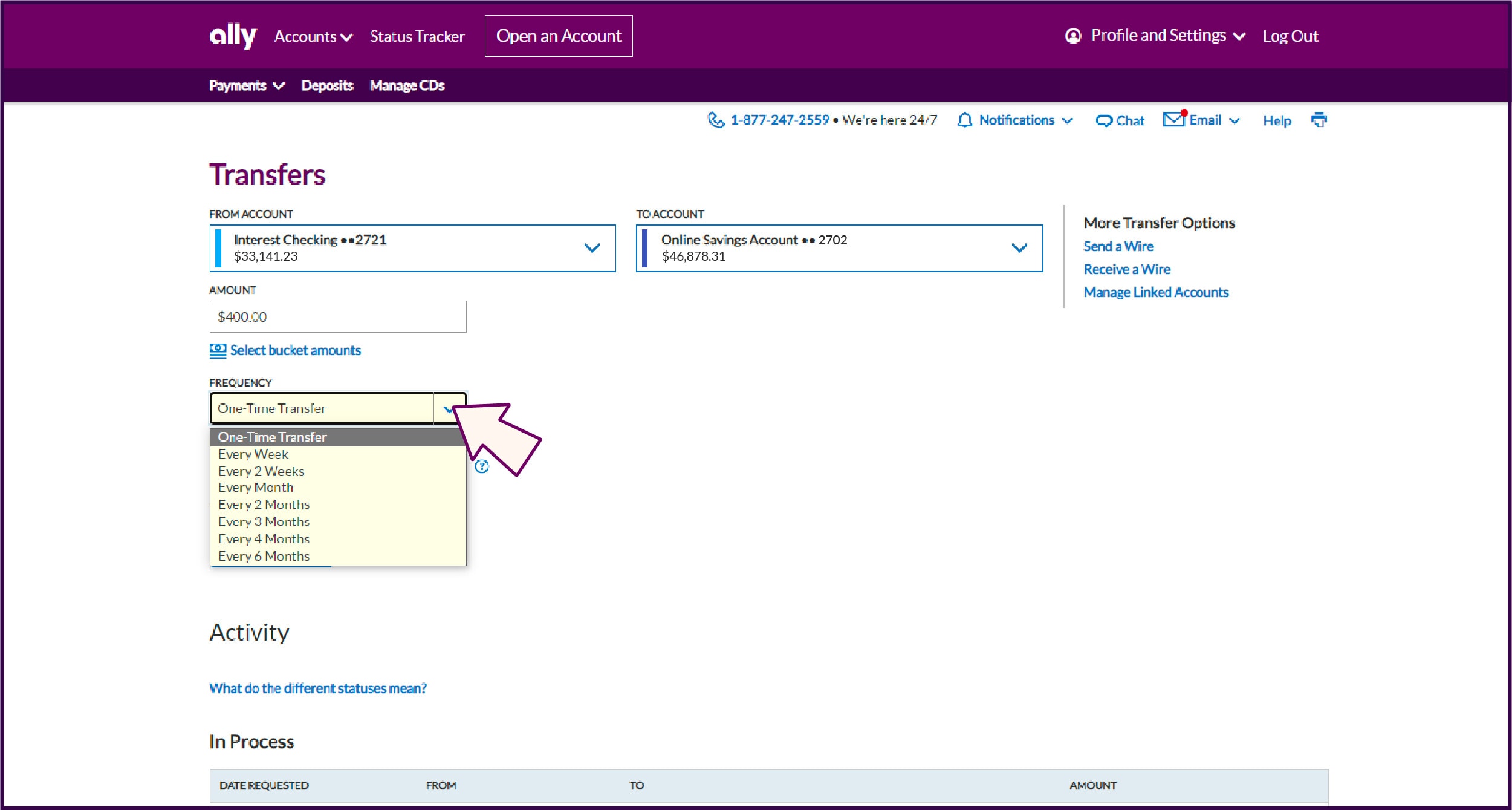
For those who prefer a digital-only experience, Ally’s online chat is often the most efficient route. Once you have moved your balance to $0 or a nominal amount, log in to your account and initiate a chat with a live representative.
Clearly state your intent: “I would like to close my [Savings/Checking/CD] account ending in [Last 4 Digits].” The representative will likely ask for the reason for closure—this is standard procedure for their internal retention metrics. You are not obligated to provide a detailed explanation; a simple “I am consolidating my finances” is sufficient. The representative will then verify your identity through a series of security questions or a multi-factor authentication (MFA) code sent to your phone.
Method 2: Calling Ally Customer Service
If your account has complexities—such as being a joint account or a trust account—a phone call is often more effective than a chat. Ally’s customer service is available 24/7 at 1-877-247-2559.
When speaking with a representative, ensure you ask about “trail interest.” If you are closing a High-Yield Savings Account (HYSA), interest is calculated daily but paid monthly. If you close your account mid-month, there may be accrued interest that hasn’t posted yet. Ask the representative how this final interest payment will be handled; typically, Ally will send a final check to your address on file or transfer it to another linked account.
Method 3: Mailing a Written Request
For those who want a verifiable paper trail, or in cases where the account holder is unable to use digital tools (such as an executor handling an estate), a written request is the most formal option.
Draft a letter including your full name, account number, and a clear instruction to close the account. You should also specify where any remaining funds (including trail interest) should be sent. Mail this letter to:
Ally Bank, P.O. Box 951, Horsham, PA 19044.
For added security, send the letter via Certified Mail with a Return Receipt Requested. This provides legal proof that the bank received your request.
Potential Pitfalls and Financial Considerations
The process of closing an account carries implications that extend beyond just moving money. To maintain a healthy financial profile, you must be aware of how the banking industry handles account closures behind the scenes.
Handling Interest Accrual and Final Balances
A common point of confusion involves the final pennies left in an account. As mentioned, Ally’s savings accounts accrue interest daily. If you transfer your “total balance” on the 15th of the month, the interest earned from the 1st to the 15th will not typically show up in your balance until the end of the statement cycle.
If you close the account before this interest is credited, the bank must still legally pay it out to you. Usually, Ally will issue a physical check for this “residual balance.” Ensure your mailing address is up to date in their system before you initiate the closure, or you may find yourself searching for a lost check months later.
Impact on Your Credit Score and Financial History
A common myth is that closing a bank account will lower your credit score. Unlike credit cards, where closing an account can reduce your available credit and shorten your credit history, checking and savings accounts generally do not impact your FICO or VantageScore.
However, your “banking history” is tracked by an agency called ChexSystems. If you close an Ally account while it has a negative balance (due to an overdraft or an unpaid fee), Ally may report this to ChexSystems. This can make it significantly harder to open a new bank account at another institution in the future. Always ensure your account is in good standing—meaning a zero or positive balance—before requesting closure.
Avoiding Inactivity or Minimum Balance Fees During the Transition
While Ally is famous for its lack of monthly maintenance fees, other institutions you might be moving to may not be as lenient. During the transition period, be careful not to trigger fees at your new bank by failing to meet their minimum balance requirements while you wait for your Ally funds to clear.
Furthermore, if you decide to “abandon” the account by simply leaving a $0 balance without officially closing it, the account may eventually be flagged as “dormant.” After several years of dormancy, state laws require banks to turn over the funds to the state’s unclaimed property division (a process known as escheatment). While Ally doesn’t charge inactivity fees, the official closure is always better than simple abandonment to avoid these administrative headaches.
Post-Closure Steps: Where to Move Your Money Next
Once the Ally account is closed, the next phase of your financial strategy begins. The “Money” niche of personal finance is currently seeing a renaissance of high-yield options and sophisticated tools that may better serve your current objectives.
High-Yield Savings Alternatives
If you left Ally because you found a higher Annual Percentage Yield (APY) elsewhere, you are likely looking at other online-only players or “Neo-banks.” Institutions like SoFi, Marcus by Goldman Sachs, or Capital One 360 often compete directly with Ally. When moving your funds, consider whether the new institution offers “buckets” or “vaults”—a feature Ally popularized—if you rely on that for your budgeting strategy.
The Rise of Modern Fintech and Neo-banks
For those looking for more than just a place to park cash, modern fintech platforms provide integrated investing and banking solutions. If you are moving toward a more aggressive wealth-building phase, you might consider moving your Ally funds into a brokerage-linked cash management account. These accounts often provide the liquidity of a checking account with the interest rates of a savings account, all while keeping your capital adjacent to your investment portfolio.

Consolidating Your Financial Ecosystem
Many individuals choose to close their Ally accounts to simplify their lives. Managing multiple logins and moving money between various institutions can create “financial friction.” Consolidating your banking at the same institution where you have your mortgage or your primary credit cards can streamline your monthly workflows.
Regardless of your destination, the key to a successful transition is intentionality. By following the steps outlined above—auditing your transactions, choosing the right closure method, and securing your data—you ensure that your move away from Ally Bank is a step forward in your financial journey, rather than a bureaucratic hurdle. Good financial management is as much about how you exit a position as it is about how you enter one. Stay vigilant, keep meticulous records, and always keep your eye on the next yield-generating opportunity.
aViewFromTheCave is a participant in the Amazon Services LLC Associates Program, an affiliate advertising program designed to provide a means for sites to earn advertising fees by advertising and linking to Amazon.com. Amazon, the Amazon logo, AmazonSupply, and the AmazonSupply logo are trademarks of Amazon.com, Inc. or its affiliates. As an Amazon Associate we earn affiliate commissions from qualifying purchases.