
When investors ask “how much is a certificate of deposit,” they are rarely asking for a price tag in the traditional sense. Unlike a stock or a mutual fund share, a Certificate of Deposit (CD) does not have a fluctuating market price that you pay to own the asset. Instead, the “cost” of a CD refers to the minimum opening deposit required to access specific interest rates, the opportunity cost of locking away your liquidity, and the potential penalties incurred for early access to your funds.
A Certificate of Deposit is a foundational financial instrument—a time-bound agreement between a depositor and a financial institution. In exchange for leaving a specific sum of money untouched for a predetermined period, the bank compensates the depositor with a guaranteed interest rate that is typically higher than a standard savings account. Understanding the financial mechanics of a CD is essential for anyone looking to preserve capital while generating a predictable return.
What Determines the Entry Price of a Certificate of Deposit?
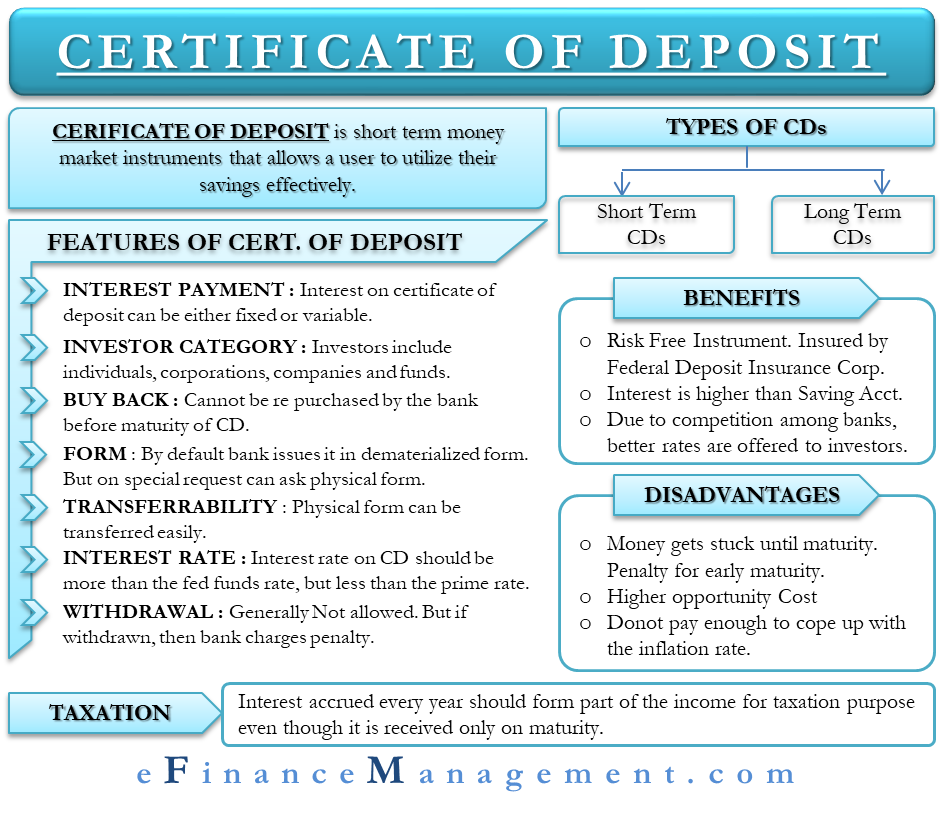
The primary “cost” associated with opening a CD is the minimum deposit requirement. This figure varies significantly across the banking landscape, influenced by the type of institution, the length of the term, and the current economic environment.
Minimum Deposit Requirements
Most traditional brick-and-mortar banks require a minimum deposit to open a CD, often ranging from $500 to $2,500. However, the rise of digital banking has disrupted this standard. Many online-only banks now offer CDs with $0 minimum deposit requirements, making these vehicles accessible to entry-level savers.
The relationship between the deposit amount and the interest rate is often direct: the more capital you are willing to commit, the higher the leverage you have to negotiate or access “tier-one” rates. While a $500 deposit might grant you a standard rate, a significantly larger sum might unlock a premium tier.
The Concept of “Jumbo” CDs
For high-net-worth individuals or institutional investors, “Jumbo CDs” represent a specific category of the market. These typically require a minimum deposit of $100,000. The “price” of entry is high, but the reward is often a marginally higher Annual Percentage Yield (APY) than what is available to the general public. Jumbo CDs are frequently used as low-risk parking spots for large sums of cash during periods of market volatility or while awaiting a more aggressive investment opportunity.
Term Length and Capital Commitment
In the world of CDs, time is a form of currency. The “cost” of the investment is often measured in the duration of the commitment. CD terms can range from as short as seven days to as long as ten years. Generally, the longer you agree to leave your money in the bank’s hands, the higher the interest rate they will offer you. By choosing a five-year CD over a six-month CD, you are paying with your liquidity to secure a higher guaranteed return.
The Real Cost of a CD: Understanding Interest Rates and APY
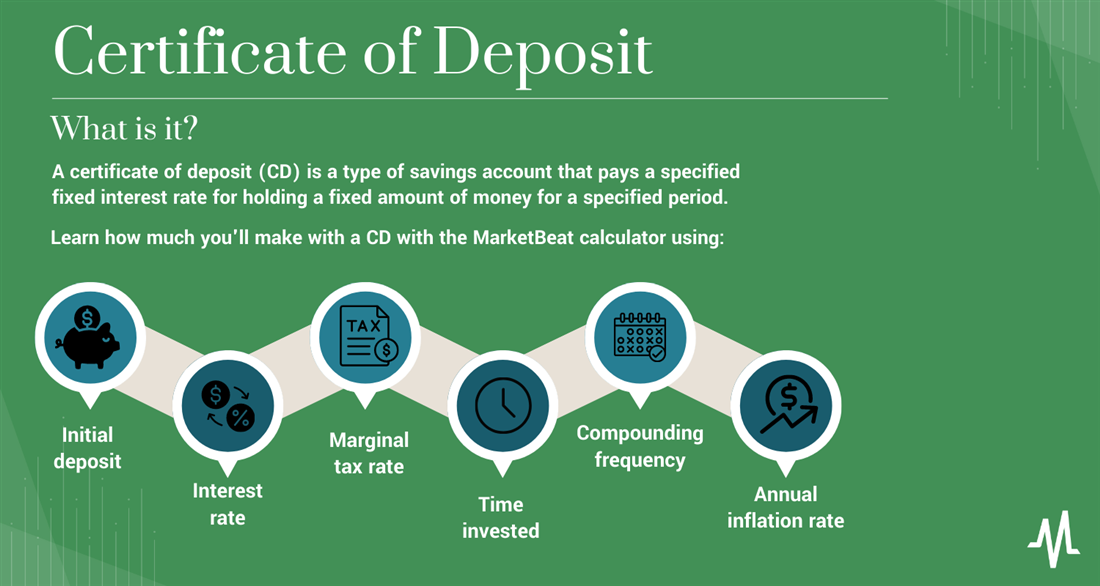
The “value” of a CD is determined by its Annual Percentage Yield (APY). This is the effective rate of return on your investment, taking into account the effect of compounding interest. To understand how much a CD is worth to your portfolio, you must look beyond the nominal interest rate.
Fixed vs. Variable Rates
The hallmark of a standard CD is its fixed rate. When you open the account, you lock in a rate that will not change, regardless of whether the Federal Reserve raises or lowers interest rates during your term. This provides a “cost-certainty” that is highly valued in retirement planning.
However, there are “Variable-Rate” or “Adjustable-Rate” CDs. In these products, the interest rate can fluctuate based on a specific index. While this offers the potential for higher returns if market rates rise, the “cost” is the loss of predictability, which is the primary reason many investors choose CDs in the first place.
Compounding Frequency and Its Impact on Value
How much a CD earns depends heavily on how often the interest compounds. Some CDs compound interest daily, others monthly or quarterly. The more frequently interest is compounded and added to your balance, the higher your actual return will be at the end of the term. When comparing two CDs with the same interest rate, the one with daily compounding is objectively “worth” more than the one with quarterly compounding.
The Influence of the Federal Reserve
The broader economic “price” of a CD is heavily dictated by the Federal Reserve’s federal funds rate. When the Fed raises rates to combat inflation, banks increase the APY on CDs to attract deposits. Conversely, in a low-interest-rate environment, the yield on a CD may not even keep pace with inflation. In such cases, the “cost” of the CD is a loss of purchasing power over time.
Hidden Costs: Early Withdrawal Penalties and Fees
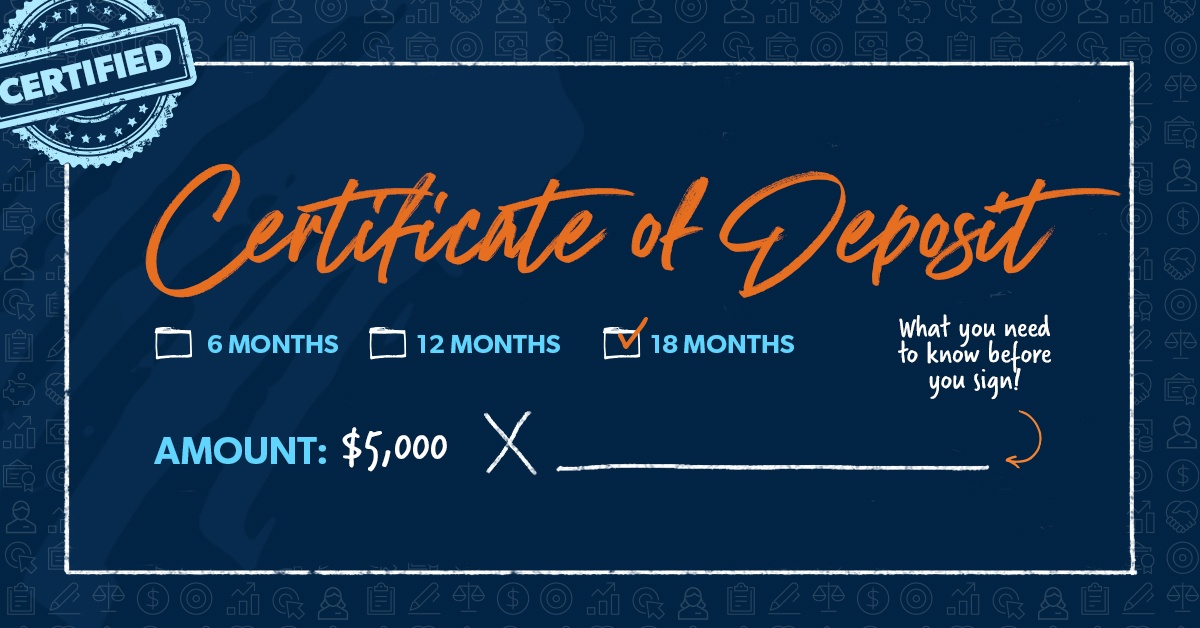
Perhaps the most critical “price” associated with a CD is the penalty for breaking the contract. Because a CD is a legal agreement to leave money in the bank for a set period, the bank relies on that capital for its own lending operations. If you need your money back before the “maturity date,” the bank will charge an Early Withdrawal Penalty (EWP).
Calculating the Penalty Structure
Penalty structures are not standardized and vary by institution. Common structures include:
-
A set number of days’ interest: For example, a 12-month CD might carry a penalty of 90 days’ worth of simple interest.
-
A percentage of the principal: In some cases, the penalty is a flat percentage (e.g., 1% or 2%) of the total amount withdrawn.
-
Loss of all earned interest: For shorter-term CDs, the penalty might simply be all the interest the account has earned to date.
It is vital to realize that in a rising-rate environment or if the CD is broken very early, the penalty can actually eat into your principal investment. This means you could walk away with less money than you originally deposited.
The Opportunity Cost of Locked Liquidity
Beyond the physical penalty, there is an “opportunity cost.” This is the loss of potential gain from other investments because your money is locked in a CD. If the stock market rallies 20% while your money is locked in a 4% CD, the “cost” of that CD was the 16% growth you missed. Similarly, if interest rates rise significantly after you’ve locked in a long-term CD, you are stuck with a lower-than-market return unless you pay the EWP to reinvest at the higher rate.
Types of CDs and Their Financial Impact
To cater to different investor needs, the financial industry has developed various CD products, each with its own cost-benefit profile.
High-Yield vs. Standard CDs
High-yield CDs are typically offered by online banks that have lower overhead costs than traditional banks. The “cost” here might be the lack of a physical branch to visit, but the “value” is a significantly higher APY. For a serious investor, the trade-off of digital-only access is usually worth the increased earnings.
No-Penalty CDs
A “No-Penalty CD” allows the investor to withdraw their full balance plus earned interest at any time after a short initial period (usually 7 days) without paying a fee. The “cost” for this flexibility is a lower interest rate compared to a traditional CD of the same term. You are effectively paying a portion of your potential yield to maintain liquidity.
Bump-Up and Step-Up CDs
A “Bump-Up CD” gives the owner the right to request a rate increase if the bank’s rates rise during the term. A “Step-Up CD” has a pre-scheduled rate increase built into the term. The “cost” of these features is, again, usually a lower starting rate than a standard fixed-rate CD. These are defensive tools used when an investor believes interest rates are headed higher.
Strategic Allocation: How Much Should You Invest in a CD?
Determining how much capital to allocate to CDs depends on your financial goals, age, and risk tolerance. Because CDs provide safety (insured by the FDIC up to $250,000 per depositor, per institution), they are best suited for money you cannot afford to lose.
Creating a CD Ladder for Liquidity
One of the most effective ways to manage the “cost” of illiquidity is through a CD ladder. Instead of putting $50,000 into a single five-year CD, an investor might put $10,000 into a one-year, $10,000 into a two-year, $10,000 into a three-year, and so on.
As each CD matures, the investor can either use the cash or reinvest it into a new five-year CD at the then-current rates. This strategy ensures that a portion of the total investment becomes available every year, mitigating the risk of being locked out of funds and allowing the investor to capture rising rates.
CDs Within a Diversified Portfolio
In a balanced portfolio, CDs typically occupy the “cash and cash equivalents” or “fixed-income” portion of the asset allocation. They serve as a hedge against market volatility. While the “cost” of a CD is its limited growth potential compared to equities, its “value” is the peace of mind that the principal is protected and the return is guaranteed.
For retirees, the amount in CDs might be higher to ensure a steady stream of predictable income. For younger investors, the amount might be lower, perhaps limited to an emergency fund or a specific short-term goal like a down payment on a house.
In summary, the “price” of a certificate of deposit is a multifaceted concept. It encompasses the initial deposit, the time commitment, the opportunity cost of other investments, and the potential penalties for early access. By weighing these factors against the guaranteed APY and the security of FDIC insurance, investors can determine if a CD is the right vehicle for their financial objectives.
aViewFromTheCave is a participant in the Amazon Services LLC Associates Program, an affiliate advertising program designed to provide a means for sites to earn advertising fees by advertising and linking to Amazon.com. Amazon, the Amazon logo, AmazonSupply, and the AmazonSupply logo are trademarks of Amazon.com, Inc. or its affiliates. As an Amazon Associate we earn affiliate commissions from qualifying purchases.