
In the modern financial landscape, the seamless movement of capital is the bedrock of personal and business management. Whether you are setting up a direct deposit for a new career opportunity, establishing an automated bill-payment system, or transferring funds between investment accounts, you will inevitably encounter a request for your routing number. Formally known as an American Bankers Association (ABA) Routing Transit Number (RTN), this nine-digit code serves as the primary address for your financial institution within the vast network of the United States payment system.
Understanding how to locate and verify this number is more than a simple administrative task; it is a fundamental aspect of financial literacy that ensures your money reaches its intended destination securely and without delay.

Primary Methods for Locating Your Routing Number
Locating a routing number is a straightforward process, provided you know where to look. While the digits are not sensitive in the same way a Social Security number is, they are specific to the branch or region where your account was opened. Here are the most reliable ways to retrieve this information.
Examining Physical Checks
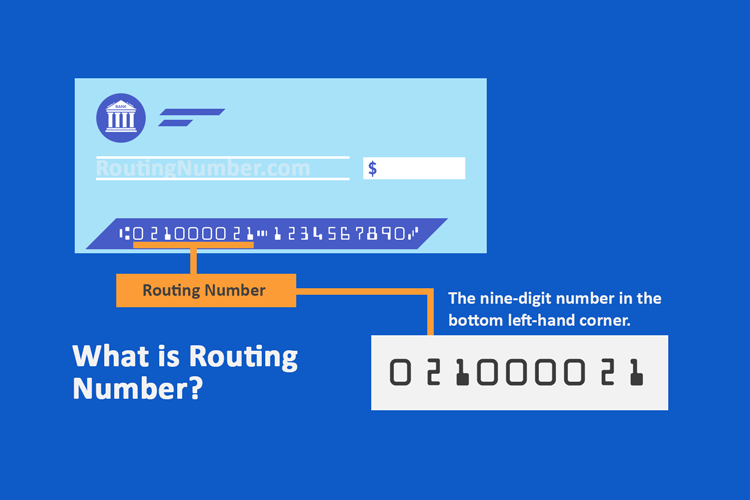
The most traditional method for finding a routing number is by looking at a physical check associated with your bank account. At the bottom of every personal or business check, there is a string of numbers printed in a specialized font known as Magnetic Ink Character Recognition (MICR).
There are typically three distinct sets of numbers:
-
The Routing Number: This is the first nine-digit sequence located on the far left. It is always nine digits long and is flanked by a specific symbol.
-
The Account Number: This is the second set of numbers, usually located in the middle. It identifies your specific account within the bank.
-
The Check Number: This is the shortest sequence, usually located on the far right, matching the number printed in the top-right corner of the check.
Utilizing Online Banking and Mobile Apps
As digital banking becomes the standard, many consumers no longer carry physical checkbooks. Most financial institutions have integrated routing information into their digital interfaces. Upon logging into your bank’s mobile app or web portal, navigate to the “Account Details” or “Account Summary” section.
Often, you must click on the specific account (Checking or Savings) to view the associated routing and account numbers. For security reasons, these numbers may be partially masked, requiring you to click a “show” icon or undergo a secondary authentication step to view the full sequence.
Reviewing Monthly Bank Statements
Your monthly bank statement—whether received via mail or downloaded as a PDF—contains all pertinent identification for your account. The routing number is typically listed at the top or bottom of the statement, often near the bank’s official logo or your account balance summary. This is an excellent resource if you lack access to your digital login or a physical checkbook.
Direct Verification via Bank Websites
If you simply need the general routing number for your bank (and not your specific account number), most major financial institutions list their routing numbers on their public-facing websites. By searching for “[Bank Name] routing number,” you can often find a dedicated page that lists the numbers based on the state where your account was opened. It is important to note that large national banks often use different routing numbers for different regions to manage their internal logistics.
Decoding the Nine Digits: Anatomy of a Routing Number
To understand the importance of the routing number, one must understand its structure. The ABA created this system in 1910 to standardize the processing of paper checks, and it has since evolved to facilitate electronic transfers. Every digit in the nine-digit sequence serves a specific purpose in identifying the financial institution and ensuring the accuracy of the transfer.
The Federal Reserve District (Digits 1-4)
The first four digits represent the Federal Reserve district where the bank is located. The first two digits specifically indicate the Federal Reserve bank that services the institution, while the third digit identifies the specific processing center. These digits act as the “zip code” for the bank, directing the transaction to the correct geographic region.
The Institution Identifier (Digits 5-8)
The fifth through eighth digits are unique to the specific financial institution. No two banks or credit unions share the same identification number within the same district. This ensures that even if two banks have similar names, the electronic system can distinguish between them with mathematical precision.
The Check Digit (Digit 9)
The final digit is known as the “check digit.” It is the result of a complex mathematical formula applied to the first eight digits. When a routing number is entered into a system, the software runs this formula. If the final digit does not match the expected result, the system immediately flags the number as invalid. This prevents clerical errors and typos from causing funds to be sent into a digital void.
Why Routing Numbers are Essential for Modern Money Management
The routing number is the “how” behind almost every automated financial transaction. Without it, the infrastructure of the American economy would struggle to maintain the speed and reliability that consumers and businesses expect.
Direct Deposits and Payroll
For the vast majority of employees, the routing number is the key to receiving a paycheck. When you fill out a direct deposit authorization form, your employer’s payroll system uses the routing number to send instructions to their bank to move money into yours. This same process applies to government benefits, such as Social Security payments or tax refunds from the IRS.
Automatic Bill Payments
Setting up recurring payments for utilities, mortgages, or insurance policies often requires a routing number. While many services allow you to pay with a credit or debit card, using your routing and account numbers (often referred to as an “ACH transfer”) can help you avoid processing fees and ensure that payments are made on time even if a physical card expires or is replaced.
Peer-to-Peer and Third-Party Financial Apps
Linking your bank account to platforms like PayPal, Venmo, or investment apps like Robinhood and Vanguard requires your routing information. This creates a bridge between your liquid cash and your digital wallets or investment portfolios, allowing for the rapid movement of capital to capitalize on market opportunities or settle debts with friends.
Important Nuances: Different Numbers for Different Transactions
A common point of confusion in personal finance is the distinction between different types of routing numbers. Depending on the type of transaction you are performing, the standard number found on your check may not be the correct one to use.
ACH vs. Wire Transfer Numbers
Most daily transactions—direct deposits, bill pays, and person-to-person transfers—use the Automated Clearing House (ACH) network. However, if you are performing a domestic or international wire transfer, your bank may require a specific “Wire Routing Number.”
Wire transfers are processed through a different system (such as Fedwire) and are designed for high-value, near-instantaneous movement of money. Using an ACH routing number for a wire transfer can result in the transaction being rejected or delayed. Always confirm with your bank if they have a separate number dedicated to wire transfers.
Credit Unions and Neo-Banks
While traditional commercial banks are the most common users of ABA routing numbers, credit unions and digital-only “neo-banks” also use them. Credit unions are assigned numbers in a similar fashion, but because they are member-owned, their numbers might be managed through a centralized corporate credit union. Similarly, many digital banks partner with established “sponsor” banks to provide their underlying infrastructure. In these cases, your routing number might identify the partner bank rather than the brand name of the app you use.
Security Best Practices and Error Mitigation
Because a routing number identifies an institution rather than an individual, it is not considered “private” information in the same way a password is. However, when combined with an account number, it provides the keys to your financial holdings.
Protecting Your Account Details
While you must provide your routing number to trusted entities (like an employer or a utility company), you should never share your routing and account numbers over unencrypted email or via text message. Fraudsters can use these details to create “demand drafts” or unauthorized electronic withdrawals. Always use secure portals provided by the service you are paying.
Managing Bank Mergers and Changes
The banking industry is characterized by frequent mergers and acquisitions. When one bank buys another, routing numbers often change to consolidate the two systems. Usually, the acquiring bank will allow the old routing number to function for a transition period (often 12 to 24 months). However, it is the account holder’s responsibility to update their direct deposit and bill pay information to the new routing number before the grace period ends to avoid returned payments and potential late fees.

What to Do if a Transfer Fails
If you provide an incorrect routing number, the transaction will typically fail during the “check digit” validation or be returned by the receiving bank as “unable to locate account.” If this happens, your first step should be to verify the number against a current bank statement. If the number is correct but the transfer still fails, contact your bank’s customer service department to ensure there are no blocks on your account or changes to their routing protocols.
By mastering the details of your routing number, you gain greater control over your financial life. This nine-digit code is the fundamental link between your personal wealth and the global economy, ensuring that every dollar you earn and every payment you make moves with accuracy and efficiency.
aViewFromTheCave is a participant in the Amazon Services LLC Associates Program, an affiliate advertising program designed to provide a means for sites to earn advertising fees by advertising and linking to Amazon.com. Amazon, the Amazon logo, AmazonSupply, and the AmazonSupply logo are trademarks of Amazon.com, Inc. or its affiliates. As an Amazon Associate we earn affiliate commissions from qualifying purchases.