
In the landscape of modern personal finance, the physical checkbook has become something of a relic for many consumers. With the rise of peer-to-peer payment apps, contactless credit cards, and robust mobile banking suites, the act of putting pen to paper to authorize a payment is increasingly rare. However, the “voided check” remains a critical piece of financial infrastructure. Whether you are starting a new job and setting up direct deposit, authorizing a mortgage lender to pull monthly payments, or establishing a link for automated investment transfers, the specific data contained on a check is still the industry standard for verifying bank account details.
For Chase Bank customers, the process of obtaining a voided check has evolved. While you can still use a physical check from a traditional checkbook, Chase has integrated several digital alternatives into its ecosystem that serve the same purpose with greater efficiency and security. Understanding how to navigate these options is essential for maintaining seamless financial operations.
The Role of Voided Checks in Modern Financial Systems
To understand why you need a voided check, one must first understand what information the document actually conveys. A check is more than a promise to pay; it is a standardized map of your account’s location within the global financial grid.
Why You Still Need a Voided Check
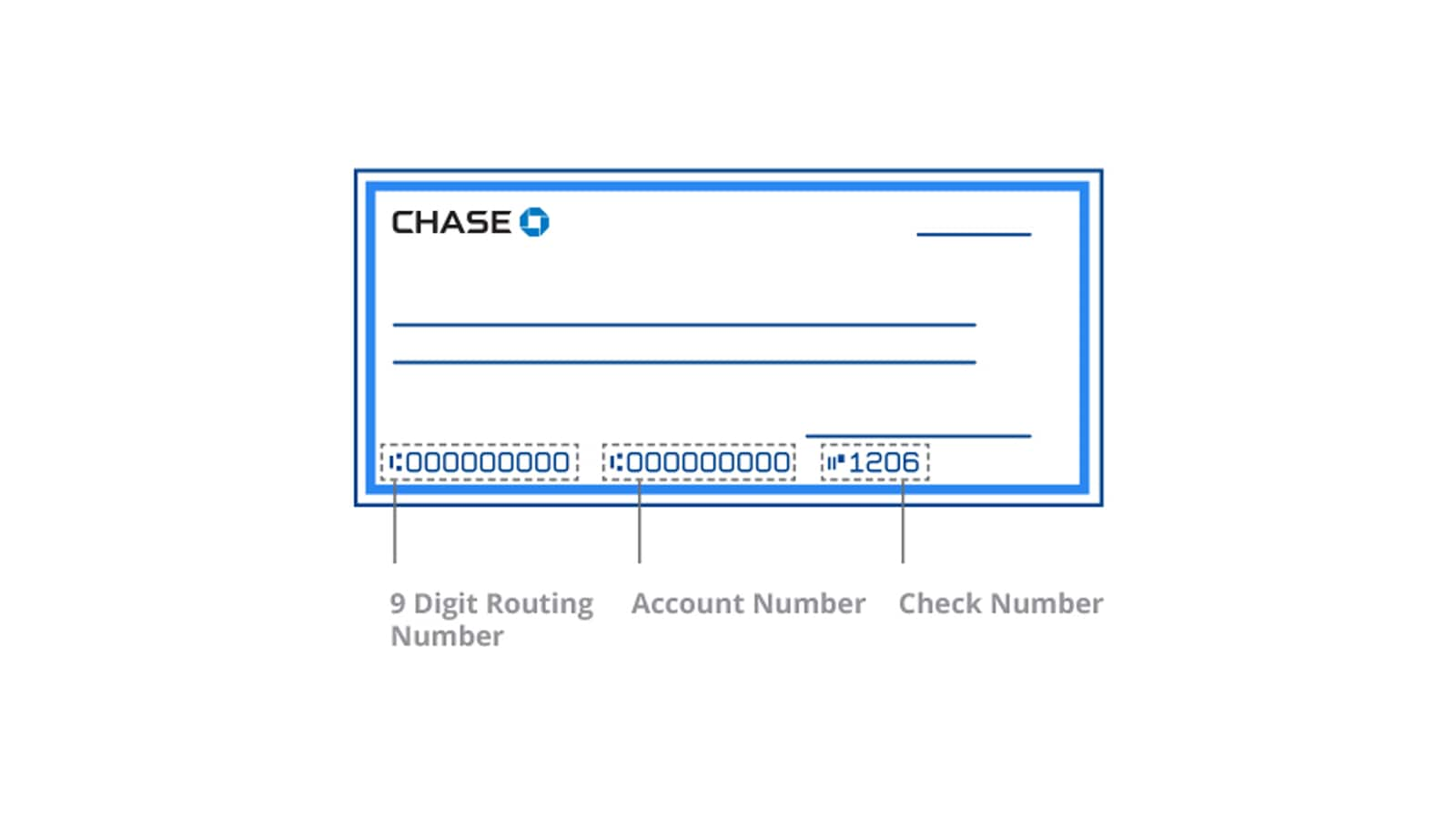
Despite the digital revolution, many HR departments and financial institutions require a voided check because it provides a physical or digital “hard copy” of three critical pieces of information: your account number, your routing number (specifically the Electronic Routing Number), and your name as it appears on the account. By requesting a voided check, the recipient ensures they are not transcribing numbers incorrectly from a handwritten note, which prevents failed transfers and potential payroll delays.
Direct Deposit and Autopay Setup
The most common use case for a Chase voided check is the establishment of a Direct Deposit. Employers use the Electronic Fund Transfer (EFT) system to move money directly into your Chase Total Checking, Premier Plus, or Sapphire Banking account. Similarly, for large recurring expenses like rent, car notes, or insurance premiums, companies often request a voided check to set up an Automated Clearing House (ACH) pull. This ensures the funds are drawn from the correct account without the need for manual intervention every month.
Step-by-Step Guide to Obtaining a Chase Voided Check
Chase offers multiple avenues to obtain the documentation you need. Depending on whether you have a physical checkbook or prefer to work entirely within the digital space, you can choose the method that best fits your immediate needs.
Using the Chase Mobile App
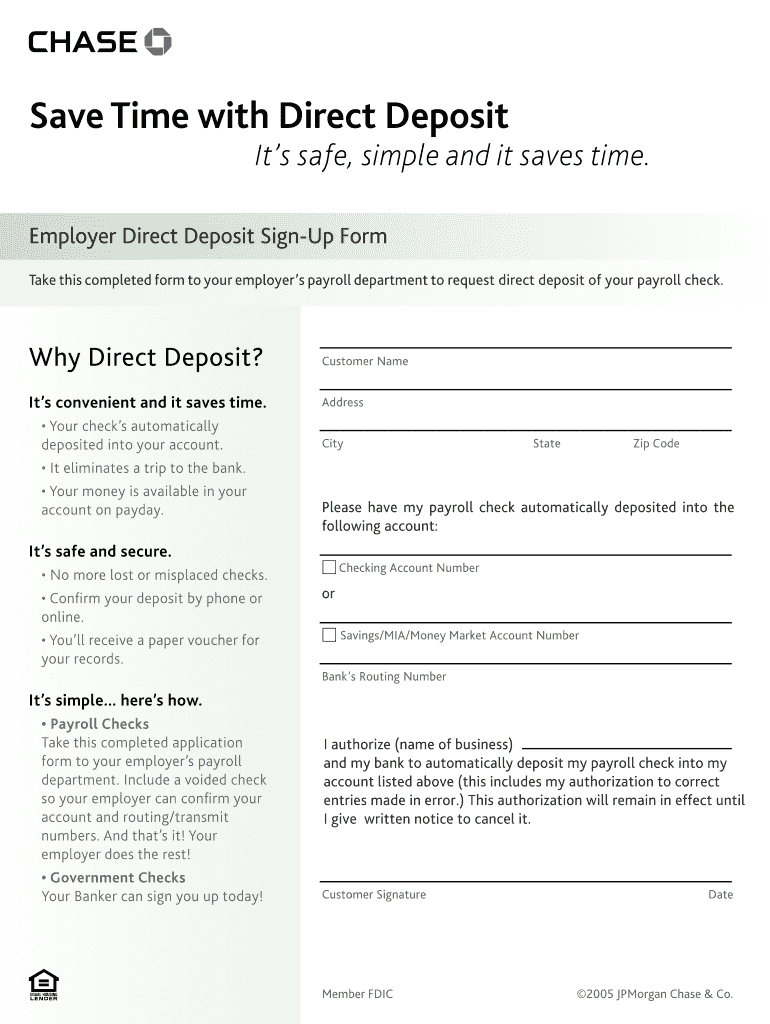
For most users, the Chase Mobile App is the most convenient tool for generating account verification documents. While the app does not “print” a picture of a check with the word “void” on it, it provides a “Direct Deposit Form” which serves as the official legal equivalent.
-
Log In: Open your Chase Mobile app and authenticate using your password, FaceID, or fingerprint.
-
Select the Account: Tap on the specific checking account you wish to use for the deposit or payment.
-
Navigate to Account Services: Scroll down to the “Account services” section or look for the “Set up direct deposit” link.
-
Create the Form: Tap “Create form.” Chase will automatically populate a PDF document with your name, address, routing number, and account number.
-
Download or Share: You can then download this PDF to your device or email it directly to your HR representative or the institution requesting the voided check.
Accessing the Chase Online Portal
If you are working from a desktop, the Chase Online website provides a similar path. This is often preferred if you need to print a hard copy of the documentation to hand over in person.
-
Sign In: Go to Chase.com and sign into your account.
-
Choose Your Account: Click on the checking account in question.
-
Find the Direct Deposit Link: Look for the “Things you can do” menu on the right side of the screen or under the account details. Select “Set up direct deposit.”
-
Download the Pre-filled Form: Chase will generate a “Direct Deposit Form (PDF).” This document explicitly includes a section that says “Attach a voided check here,” but because the form itself is an officially generated bank document containing your verified MICR (Magnetic Ink Character Recognition) data, most organizations accept the form on its own without the physical check attached.
Manually Voiding a Physical Check
If you happen to have a Chase checkbook and prefer to provide a physical copy, the process is straightforward but requires precision to prevent fraud.
-
Select a Check: Take a blank check from the back of your checkbook.
-
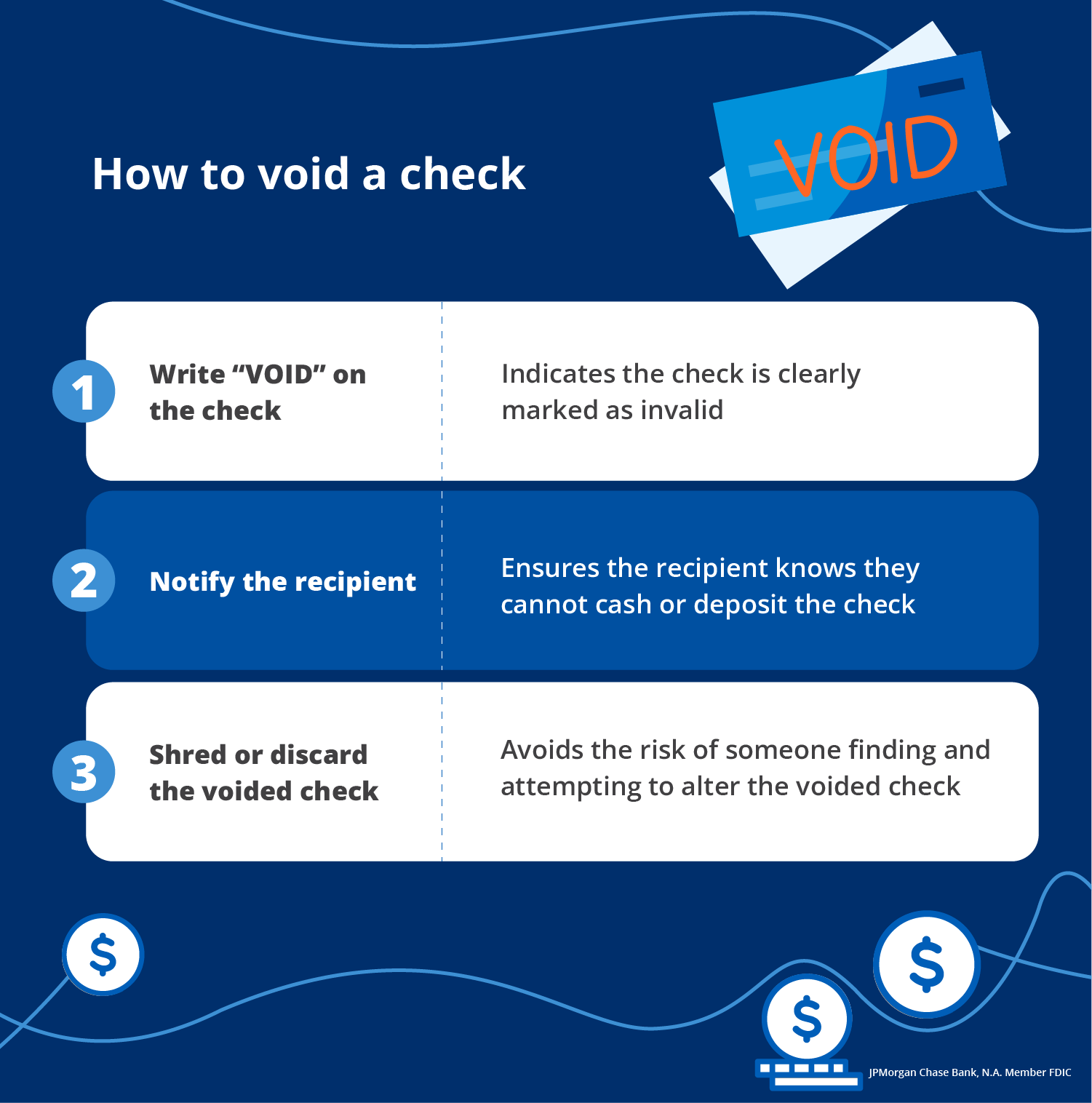
Write “VOID”: Using a blue or black ink pen, write “VOID” in large, clear letters across the front of the check. Ensure the word covers the space for the payee, the amount box, and the signature line.
-
Do Not Obscure the Bottom: Critically, do not write over the numbers at the very bottom of the check. These numbers comprise the MICR line, which includes your routing number, account number, and the check number. The recipient needs these numbers to be perfectly legible for scanning.
-
Do Not Sign: Never sign a voided check. The word “VOID” renders the check non-negotiable, but a signature adds an unnecessary security risk.
Strategic Alternatives to Voided Checks
In many contemporary financial transactions, a voided check is actually the “backup” method, while more sophisticated digital integrations take center stage. If you find yourself unable to produce a voided check, there are several professional alternatives that Chase facilitates.
The Direct Deposit Form (The Digital Standard)
As mentioned previously, the pre-filled Direct Deposit Form is the gold standard for Chase customers. It is superior to a voided check because it contains a formal letterhead from JPMorgan Chase & Co., adding a layer of corporate verification that a simple check lacks. It also explicitly lists the bank’s address and the specific type of account (Checking vs. Savings), which can be vital for certain high-value wire transfers.
Bank Letters and Statements
In some instances, such as applying for a mortgage or a business loan, a voided check may not provide enough information. In these cases, you can request a “Bank Verification Letter” from a Chase branch. This is a formal document signed by a bank officer confirming your account’s standing and details. Alternatively, providing the first page of your Chase monthly statement (with transaction details redacted) often suffices, as it displays the account holder’s name and the partial or full account numbers.
Visiting a Local Branch
If you are in a time-sensitive situation and do not have access to a printer or the app, visiting a Chase branch is the most reliable fallback. A personal banker can print an “Account Verification” page for you instantly. This printout acts as a high-authority document that serves all the functions of a voided check and is accepted by virtually all government agencies and financial institutions.
Security and Safety Best Practices in Document Sharing
When you provide a voided check or an account verification form, you are sharing the “keys” to your financial kingdom. While these numbers are necessary for depositing money, they can also be used by bad actors for unauthorized withdrawals if handled carelessly.
Protecting Your Account Information
Only provide a voided check to reputable institutions. When emailing a digital copy of your Chase Direct Deposit form, ensure you are using a secure, encrypted email service or a secure document upload portal provided by the recipient. Avoid sending these documents over public Wi-Fi networks, as the data can be intercepted by third parties.
How to Properly Dispose of Unused Checks
If you make a mistake while voiding a physical check, do not simply toss it in the trash. Use a cross-cut shredder to destroy the document. Even a voided check contains enough information for a sophisticated fraudster to attempt to replicate your identity or forge future checks.
Monitoring Your Chase Account
Whenever you link your Chase account to a new service using a voided check, increase your account monitoring for the next 30 to 60 days. Utilize Chase’s “Account Alerts” feature to receive real-time notifications for any ACH transactions or external transfers. This ensures that the link you established is functioning correctly and that no unauthorized parties have exploited the information you shared.
Leveraging Chase Tools for Better Financial Management
Obtaining a voided check is often the first step in a broader strategy of financial automation. By mastering the Chase digital suite, you can move beyond simple documentation and into advanced money management.
Automating Your Wealth Building
Once you have the necessary routing and account numbers, you should consider automating your “Pay Yourself First” strategy. Use your Chase account details to set up automatic transfers to brokerage accounts or high-yield savings accounts. By using the same information found on your voided check, you create a frictionless “money machine” that operates in the background of your life.
Managing Recurring Payments
Just as you provide a voided check to receive your salary, you should use Chase’s “Online Bill Pay” to manage outgoing funds. This often eliminates the need to provide your account details to various service providers, as Chase sends the payment on your behalf. This adds a layer of security, keeping your account and routing numbers private while still ensuring your obligations are met on time.
In conclusion, while the requirement for a “voided check” may seem like a vestige of a bygone era, it remains a fundamental requirement for the secure transfer of funds within the modern banking system. Whether you choose to void a physical check from your Chase checkbook or generate a professional Direct Deposit Form via the Chase Mobile app, the goal is the same: to provide accurate, verified account data that facilitates your financial growth. By utilizing the digital tools provided by Chase, you can fulfill these administrative requirements with the professionalism and security that modern personal finance demands.
aViewFromTheCave is a participant in the Amazon Services LLC Associates Program, an affiliate advertising program designed to provide a means for sites to earn advertising fees by advertising and linking to Amazon.com. Amazon, the Amazon logo, AmazonSupply, and the AmazonSupply logo are trademarks of Amazon.com, Inc. or its affiliates. As an Amazon Associate we earn affiliate commissions from qualifying purchases.