
In an increasingly digital financial landscape, the relevance of physical paper checks often comes into question. With the rise of instantaneous peer-to-peer payment apps, mobile wallets, and contactless credit cards, one might assume the era of the checkbook has ended. However, for many Americans, paper checks remain a vital financial tool. Whether you are paying rent to a landlord who avoids digital platforms, settling a debt with a government agency, or hiring a local contractor, having a checkbook on hand provides a level of versatility that digital tools cannot always match.
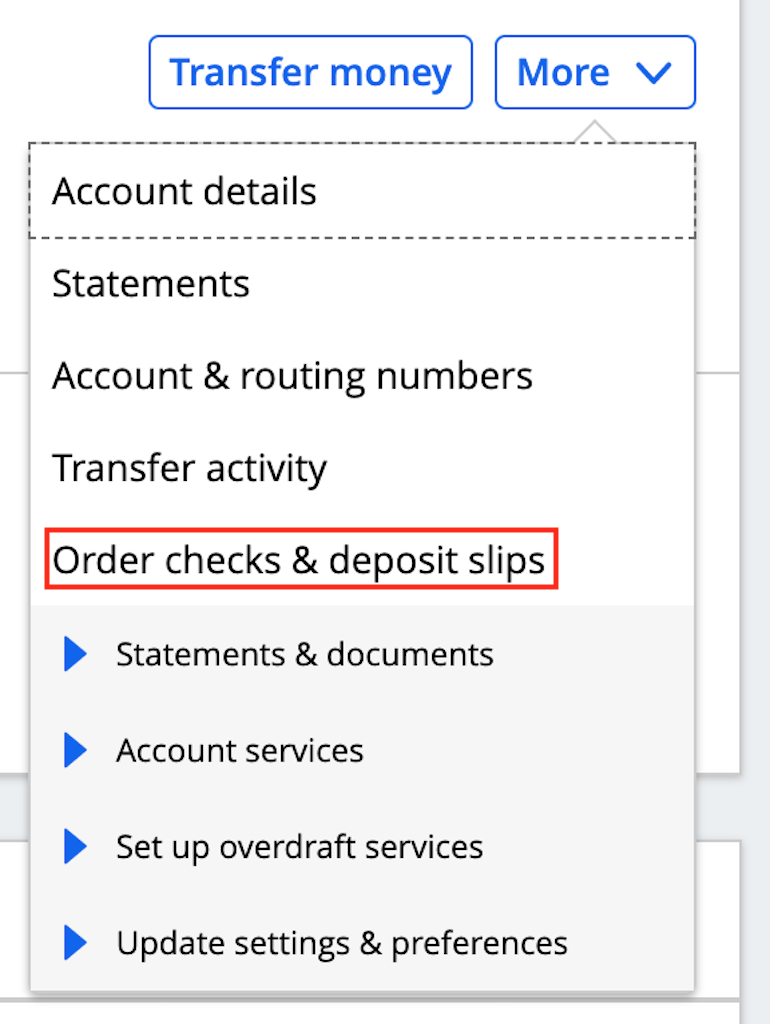
For customers of JPMorgan Chase, one of the largest financial institutions in the world, the cost of these checkbooks can vary significantly. While a standard box of checks can cost anywhere from $20 to $35 through the bank’s portal, there are several strategic ways to secure them for free. Understanding the nuances of Chase’s account tiers and promotional offerings is the key to bypassing these administrative fees and maximizing your personal finance strategy.

Decoding Chase Checking Account Tiers and Benefits
The most straightforward way to obtain free checks from Chase is to maintain a specific type of premium account. Chase structures its retail banking services into tiers, each offering a different set of perks based on the customer’s balance or relationship with the bank. If you find yourself paying for checks, it may be time to evaluate whether an account upgrade is feasible and financially sound.
Chase Sapphire Checking: The Premium Standard
For those who maintain a significant balance across their Chase accounts, the Chase Sapphire Checking tier offers a suite of “no-fee” benefits, including free personal checks. To qualify for Sapphire Checking, customers typically need to maintain an average beginning day balance of $75,000 or more in any combination of eligible personal deposits and investments.
The benefit here is not just limited to standard checks. Sapphire members often receive free “specialty” checks, which feature upgraded designs or security features. Furthermore, this tier waives fees for cashier’s checks and money orders, providing a comprehensive paper-payment solution for high-net-worth individuals who require diverse payment methods.
Chase Private Client: The Ultimate Perk Package
At the highest echelon of Chase’s retail banking is the Chase Private Client program. This is designed for individuals who maintain a daily average of $150,000 or more in linked deposits and investments. For Private Clients, the concept of a “checking fee” is virtually non-existent.
In addition to dedicated banking advisors and higher transfer limits, Private Clients receive unlimited free personal checks. This includes any design available in the Chase catalog. If your financial portfolio is large enough to sustain this balance, the cost of checks becomes a concern of the past.
Chase Premier Plus Checking: The Middle Ground
For customers who may not reach the $75,000 threshold of Sapphire but still maintain a healthy relationship with the bank, the Chase Premier Plus Checking account is often the sweet spot. This account typically carries a monthly service fee that can be waived by maintaining an average daily balance of $15,000 or by having a linked Chase mortgage with automatic payments.
One of the primary selling points of the Premier Plus account is the provision of free Chase design checks. While you might not get the high-end custom designs for free, the standard blue-security checks are provided at no cost, which satisfies the needs of most traditional banking users.
Specialized Programs for Free Check Access
Beyond high-balance tiers, Chase offers specific programs aimed at certain demographics that allow for free check ordering. These are often overlooked by the general public but provide significant value to those who qualify.
Military Banking Benefits
Chase has a long-standing commitment to service members. Active duty, reserve, and National Guard members, as well as veterans with qualifying military ID, can enroll in Chase Military Banking. By linking military direct deposit to a Chase Premier Plus Checking account, the bank waives the $25 monthly service fee and provides free personal checks.
This is an exceptional benefit for service members who move frequently and may need physical checks for various housing deposits or utility setups across different jurisdictions. If you are a veteran or active-duty member, ensuring your account is coded correctly for military benefits is the fastest way to stop paying for checkbooks.
Senior Account Incentives
While Chase does not always market a “Senior Account” as aggressively as some local credit unions, they do offer fee waivers and benefits for older adults depending on their history with the bank. In some legacy accounts or specific regional markets, customers over the age of 62 may qualify for discounted or free checks if they have their Social Security or pension checks directly deposited into their accounts. It is often worth speaking with a branch representative to see if your tenure and age qualify you for a “Grandfathered” status that includes free paper supplies.
New Account Promotions and Welcome Offers
For those who are not yet Chase customers, or for existing customers looking to open a second account for a side hustle or business, Chase frequently runs “Welcome Offers.” These promotions often include a cash bonus (ranging from $200 to $900 depending on the account type) and, occasionally, a “starter kit” that includes a small book of free checks. While a starter kit only contains a few checks, it is often enough to bridge the gap for users who rarely use paper payments.
Strategic Alternatives to Physical Checks
If you do not qualify for a premium account and do not wish to pay the retail price for a box of checks, there are several strategic “Money” maneuvers you can use to achieve the same result without the expense.
Utilizing Chase Online Bill Pay
The most effective way to “get free checks” without actually owning a checkbook is to use Chase’s Online Bill Pay service. When you use Bill Pay to send money to a landlord or a small business that doesn’t accept electronic transfers, Chase prints a physical check and mails it to the recipient on your behalf.
The bank covers the cost of the check, the envelope, and the postage. This is a powerful tool for personal finance management because it leaves a digital paper trail, allows you to schedule payments in advance, and costs you absolutely nothing. For 90% of check-related needs, Online Bill Pay is a superior, free alternative to ordering a physical book.
Counter Checks: The Emergency Solution
If you only need a single check for a specific transaction—such as a down payment on a car or a security deposit—you can visit a Chase branch and request “counter checks.” While some branches may charge a nominal fee (usually around $2 or $3 for a sheet of three), branch managers often have the discretion to waive this fee for loyal customers. If you explain that you only need one check and don’t want to buy a whole box, a representative will often print a few for you for free as a gesture of goodwill.
Third-Party Printing Services
While not technically “from Chase,” it is worth noting that you do not have to buy checks through the bank’s official portal (which is usually powered by Deluxe). Numerous reputable third-party printers offer checks that are fully compatible with Chase’s routing and transit system for a fraction of the price.
By using the “Money” strategy of price shopping, you can often find “first-time buyer” deals at third-party sites where a box of checks costs as little as $5. While not “free,” this is a significant reduction from the $30 price point often found within the Chase app.
Managing Your Checking Strategy for Long-Term Savings
Securing free checks is just one part of a larger strategy for efficient financial management. To ensure you are not losing money through “convenience fees,” you must look at your banking relationship holistically.
Calculating the Opportunity Cost
Before moving $75,000 into a Chase Sapphire account just to get free checks, consider the opportunity cost. If that money could be earning 4% to 5% in a High-Yield Savings Account (HYSA) or a brokerage account, you might be losing thousands of dollars in interest just to save $30 on a box of checks.
In the world of personal finance, the goal is always to maximize the return on your capital. If your $75,000 is earning 0.01% in a standard checking account, the “free” checks are actually costing you hundreds of dollars in lost interest every month. In such cases, it is far more logical to pay for the checks and keep your money in a high-interest vehicle.
The Security Aspect of Physical Checks
When you do use checks—whether they were free or paid for—security should be your primary concern. Chase provides robust fraud protection, but physical checks contain your routing and account numbers, making them a target for “check washing” and other forms of identity theft.
To protect your finances:
-
Use Permanent Ink: Always use a gel pen (like a Uni-ball Signo) that cannot be chemically erased by fraudsters.
-
Limit Information: Never include your Social Security number or driver’s license number on your checks.
-
Monitor Your Statements: Use the Chase Mobile App to monitor when checks clear. If a check doesn’t clear within the expected timeframe, it may have been intercepted.
Conclusion: Mastering the Chase Ecosystem
Getting free checks from Chase is less about a “secret hack” and more about understanding the bank’s internal hierarchy. For the high-balance customer or the military veteran, free checks are a standard entitlement. For the average consumer, the most efficient way to access “free” check services is through the strategic use of Online Bill Pay, which leverages the bank’s resources to handle physical mailings.
By aligning your banking habits with the right account tier or utilizing digital workarounds, you can ensure that you never have to pay a premium for the privilege of using your own money. In the broader scope of personal finance, these small optimizations—saving $30 here and $25 there—accumulate over time, contributing to a more disciplined and profitable financial life.
aViewFromTheCave is a participant in the Amazon Services LLC Associates Program, an affiliate advertising program designed to provide a means for sites to earn advertising fees by advertising and linking to Amazon.com. Amazon, the Amazon logo, AmazonSupply, and the AmazonSupply logo are trademarks of Amazon.com, Inc. or its affiliates. As an Amazon Associate we earn affiliate commissions from qualifying purchases.